Cefuroxime For Infection: Expert Guide To Zinnat Uses & Dosage
Comprehensive guide to Cefuroxime (Zinnat): uses, dosage, side effects, and precautions for treating bacterial infections effectively.
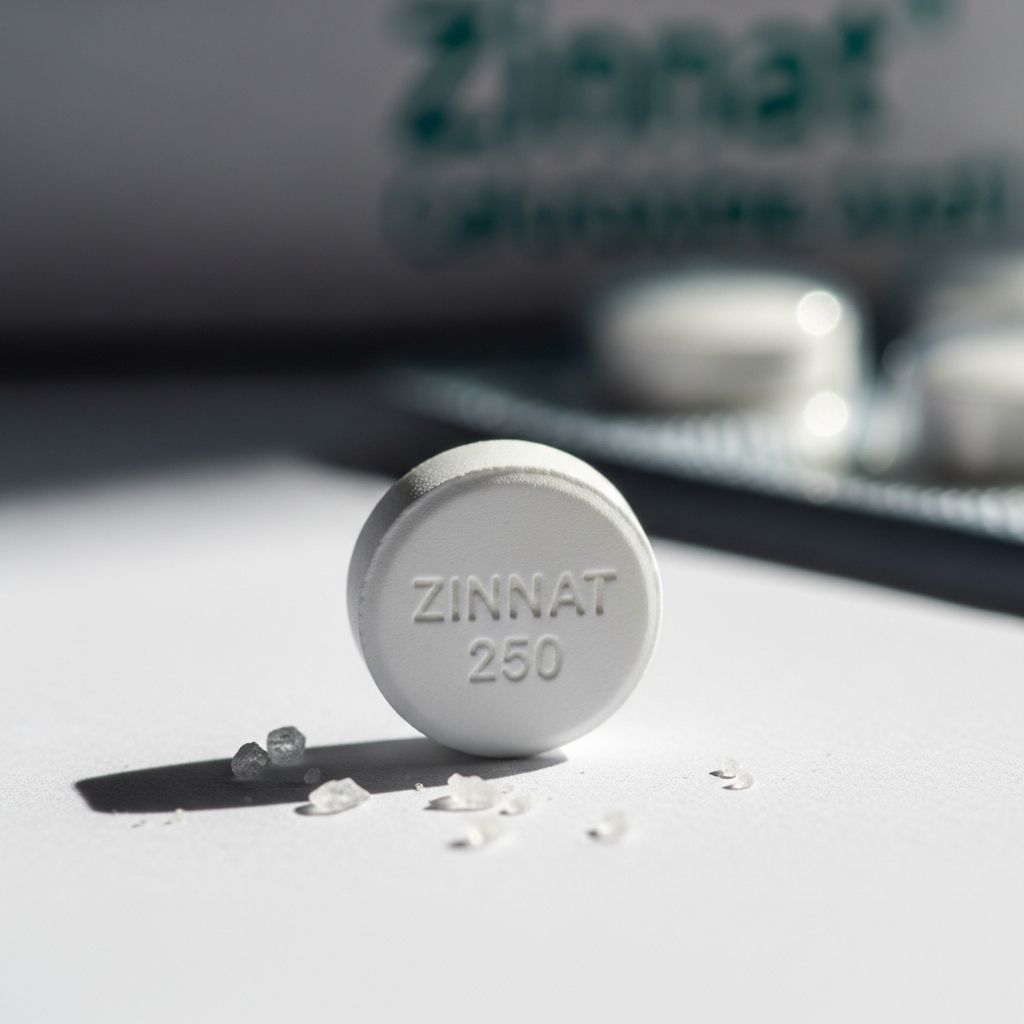
About Cefuroxime tablets, suspension and injection
About cefuroxime
Cefuroxime is a broad-spectrum antibiotic belonging to the cephalosporin class, specifically a second-generation cephalosporin. It works by attaching to proteins on the surface of bacteria, preventing them from building their cell walls and ultimately killing them. This mechanism makes it effective against a wide range of Gram-positive and Gram-negative bacteria, including those resistant to some beta-lactamases.
Marketed under brand names like Zinnat (cefuroxime axetil tablets or suspension), it is used orally for convenience after initial intravenous treatment if needed. Cefuroxime axetil is a prodrug rapidly hydrolyzed in the gut and blood to release active cefuroxime, with optimal absorption when taken after food.
It is indicated for community-acquired infections, providing empirical therapy for upper and lower respiratory tract infections, urinary tract infections, skin and soft tissue infections, and early Lyme disease.
Key facts
- Cefuroxime is a cephalosporin antibiotic for bacterial infections only; it does not work against viral infections like colds or flu.
- Common brand: Zinnat (tablets 125mg, 250mg, 500mg; suspension).
- Taken twice daily with food to improve absorption and reduce stomach upset.
- Course length: Typically 5-10 days, depending on infection type; complete full course to prevent resistance.
- Not suitable for penicillin-allergic patients without testing, due to cross-reactivity risk.
- Available as tablets, suspension for children, or injection (cefuroxime sodium, e.g., Zinacef).
About your medicine
The active ingredient in Zinnat is cefuroxime axetil, which converts to cefuroxime in the body. Zinnat belongs to cephalosporin antibiotics and kills bacteria causing infections in ear, nose, throat, lungs/chest, urinary tract, skin/soft tissues, and sexually transmitted infections like gonorrhoea.
It is bactericidal, resistant to most beta-lactamases, active against pathogens like Streptococcus pneumoniae, Haemophilus influenzae, Moraxella catarrhalis, and others common in respiratory and skin infections.
What are infections?
Infections occur when harmful bacteria enter the body and multiply, causing illness. Symptoms vary by site: fever, pain, swelling, discharge, or cough. Bacterial infections require antibiotics like cefuroxime; viruses cause most common colds and do not respond to antibiotics.
Overuse of antibiotics leads to resistance, where bacteria evolve to survive treatment, making infections harder to treat.
Why has my doctor prescribed cefuroxime?
Your doctor prescribes cefuroxime for susceptible bacterial infections, such as:
- Upper respiratory: tonsillitis, pharyngitis, sinusitis, otitis media.
- Lower respiratory: pneumonia, acute exacerbations of chronic obstructive pulmonary disease (COPD).
- Urinary tract: cystitis, pyelonephritis, urethritis.
- Skin/soft tissue: impetigo, pyoderma, furunculosis.
- Genital: uncomplicated gonorrhoea, cervicitis.
- Early Lyme disease (after tick bite).
Dosage and duration depend on infection severity, site, patient age, weight, and renal function.
How do I take cefuroxime?
Always follow your doctor’s instructions. Shake suspension well; tablets can be crushed if needed but prefer suspension for those who can’t swallow.
Related Stories



Dosage for adults and children over 40kg
| Indication | Dosage | Duration |
|---|---|---|
| Acute tonsillitis/pharyngitis | 250 mg twice daily | 5-10 days |
| Acute otitis media | 500 mg (or 250 mg) twice daily | 10 days |
| Acute bacterial sinusitis | 500 mg (or 250 mg) twice daily | 10 days |
| Community-acquired pneumonia / Acute COPD exacerbation | 250-500 mg twice daily | 7-10 days |
| Urinary tract infections | 250-500 mg twice daily | 7-10 days |
| Uncomplicated gonorrhoea | 1 g single dose | 1 day |
| Skin/soft tissue infections | 250-500 mg twice daily | 7 days |
| Early Lyme disease (over 12 years) | 500 mg twice daily | 14 days (10-21) |
Doses from product information; adjust for renal impairment.
Children under 40kg (use suspension)
| Indication | Dosage |
|---|---|
| Tonsillitis/pharyngitis | 250 mg twice daily |
| Otitis media | 250-500 mg twice daily |
| Sinusitis | 250 mg twice daily |
Sequential therapy: Start with IV cefuroxime sodium (Zinacef) 48-72 hours, then switch to oral Zinnat 500 mg twice daily.
Take with food. Space doses evenly. For renal impairment, reduce dose.
When should the medicine start working?
Symptoms like fever and pain improve within 48-72 hours. Complete the full course even if feeling better to eradicate bacteria fully.
Common questions about cefuroxime
How long should I take cefuroxime for?
Usually 5-14 days; gonorrhoea is single dose. Finish entire course.
Can I take cefuroxime on an empty stomach?
Best with food for absorption and less nausea.
Can I take other medicines with cefuroxime?
Check with doctor; avoid antacids, probenecid. Inform about all medications.
Are there any foods or drinks I should avoid?
No major interactions, but take with meals.
Does cefuroxime affect fertility, pregnancy or breastfeeding?
Safe in pregnancy (Category B); use if benefits outweigh risks in breastfeeding (minimal excretion).
Can I drive or ride a bike on cefuroxime?
Yes, unless dizzy.
How to cope with side effects of cefuroxime
Most side effects mild. Contact doctor if severe.
| Side effect | Coping |
|---|---|
| Feeling sick (nausea) or vomiting | Take with food; eat small bland meals. |
| Diarrhoea | Drink fluids; see doctor if persistent (risk of C. difficile). |
| Headache | Paracetamol; rest. |
| Stomach pain or indigestion | Take with meals. |
| Fungal infections (thrush) | Antifungal treatment. |
Common: nausea, diarrhoea, vomiting (3-10%).
Serious side effects
Seek immediate help for:
- Severe allergy: rash, swelling, breathing difficulty (anaphylaxis).
- Severe diarrhoea, blood in stool (C. difficile colitis).
- Jaundice, dark urine (liver issues, rare).
- Fits (high doses or renal failure).
- Jarisch-Herxheimer reaction in Lyme disease (fever, chills; self-limiting).
Pregnancy and breastfeeding
No evidence of harm in pregnancy; preferred for Lyme in pregnancy. Small amounts in breast milk; monitor infant for diarrhoea/thrush.
Other medicines, food and drink
Interactions: Oral contraceptives (may reduce efficacy), antacids (reduce absorption), warfarin (monitor INR). No alcohol issues.
Common side effects
- Gastrointestinal: diarrhoea (most common), nausea, vomiting, abdominal pain.
- Headache, dizziness.
- Rash, itching (1-3%).
- Increased liver enzymes (transient).
Serious allergic reactions (anaphylaxis)
Rare (0.01-0.1%); symptoms: swollen lips/tongue, breathing issues, collapse. Call emergency.
Stopping soon after starting
Do not stop early; risks relapse or resistance. Consult doctor if no improvement in 2-3 days.
Frequently asked questions
Will cefuroxime work quickly?
Yes, symptoms improve in 2-3 days, but finish course.
Is cefuroxime better than amoxicillin?
Depends on bacteria; cefuroxime broader for some respiratory infections.
Can cefuroxime cause thrush?
Yes, disrupts normal flora; treatable.
What if I forget a dose?
Take soon as remembered; do not double.
Can I drink alcohol?
Yes, no interaction.
Find more FAQs in the leaflet or ask your pharmacist.
References
- Zinnat tablets – NPS MedicineWise — NPS. 2023. https://www.nps.org.au/medicine-finder/zinnat-tablets
- ZINNAT Tablets 500mg Product Information — GSK. 2022-10-01. https://assets.gskstatic.com/pharma/PM-PI_portal/Cambodia/zinnat_tablets_500mg_pi_km_kh.pdf
- Zinnat – Referral — EMA. 2023-06-15. https://www.ema.europa.eu/en/medicines/human/referrals/zinnat
- Cefuroxime: MedlinePlus Drug Information — NIH. 2024-01-01. https://medlineplus.gov/druginfo/meds/a601206.html
- Cefuroxime: Uses, Interactions — DrugBank. 2024. https://go.drugbank.com/drugs/DB01112
- Cefuroxime (Ceftin, Zinacef) — WebMD. 2023-11-20. https://www.webmd.com/drugs/2/drug-3779-8011/cefuroxime-axetil-oral/cefuroxime-oral/details
- Cefuroxime – StatPearls — NCBI. 2024-09-05. https://www.ncbi.nlm.nih.gov/books/NBK599503/
Similar Articles








Read full bio of medha deb