Celery Juice Benefits: 6 Science-Backed Health Perks
Explore the science-backed benefits of celery juice, from hydration and digestion to heart health and inflammation reduction.
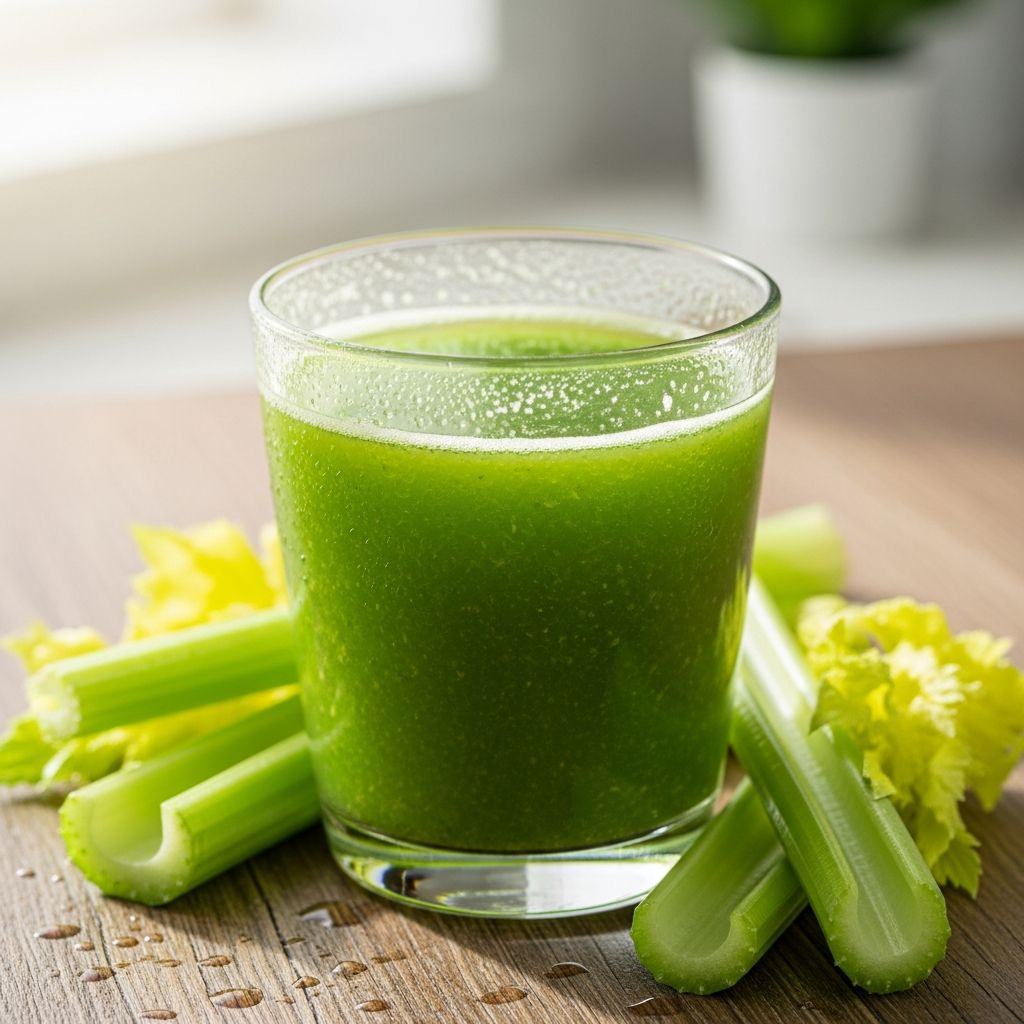
Celery juice has surged in popularity as a wellness trend, touted for its nutrient density and potential health perks like improved hydration, digestion, and heart health. While not a miracle cure, evidence from nutrition experts and limited studies supports several benefits when consumed as part of a balanced diet.
What Is Celery Juice?
Celery juice is simply the liquid extracted from fresh celery stalks, typically using a juicer. Unlike commercial vegetable juices loaded with sugars and additives, homemade celery juice retains the vegetable’s natural profile: low calories, high water content (about 95%), and essential vitamins and minerals. One cup provides vitamin K (90 micrograms), vitamin C (10 mg), folate (110 micrograms), potassium, and more, supporting bone health, immunity, and skin vitality.
Advocates recommend drinking 16 ounces on an empty stomach daily, but experts like those from Cleveland Clinic emphasize it’s a supplement, not a meal replacement, and whole celery offers superior fiber.
6 Science-Backed Benefits of Celery Juice
While hype surrounds celery juice, credible sources highlight tangible advantages rooted in its composition. Here’s a breakdown:
1. Packed With Nutrients
Celery juice delivers a concentrated dose of vitamins and minerals with minimal calories or sugar. Key nutrients include vitamin K for blood clotting and bone strength, vitamin C for immune function and antioxidants, folate for cell growth, potassium for fluid balance, and smaller amounts of vitamins A, manganese, and pantothenic acid.
A single ounce serving packs significant value, making it akin to a low-sugar multivitamin drink when juiced from a full bunch. However, juicing reduces fiber compared to eating stalks, so pair it with whole foods.
2. Hydrates the Body
Composed of 95% water, celery juice excels at hydration, especially for those who struggle with plain water intake. This supports kidney function, muscle performance, digestion, and skin health, particularly post-exercise or in hot weather.
Nutritionists note it’s a refreshing way to boost fluid intake without calories, outperforming sugary drinks.
3. May Improve Digestion
Unstrained celery juice retains some fiber, acting like a “toothbrush” for the intestines to reduce bloating, promote regular bowel movements, and foster gut health. The natural compounds aid smooth digestion.
Straining removes much fiber, so for maximum benefit, consume pulp-inclusive juice. Still, it lacks the full fiber of whole celery, essential for satiety and cholesterol control.
4. Fights Inflammation
Celery’s flavonoids and vitamin C provide antioxidant and anti-inflammatory effects, shielding cells from damage linked to chronic conditions like heart disease and arthritis. These compounds neutralize free radicals and calm inflammatory responses.
Regular intake may lower systemic inflammation, though more human trials are needed beyond animal and preliminary data.
5. Supports Heart Health
Phthalides in celery relax blood vessel walls, potentially lowering blood pressure—a key risk factor for heart disease and stroke. Potassium counters sodium’s effects, aiding electrolyte balance.
Related Stories



A case study showed an elderly patient’s blood pressure dropping from hypertensive levels to 118/82 mmHg after six months of daily celery juice (no other changes). Nitrates in celery also contribute to vascular health.
6. Other Potential Perks
- Antioxidant Boost: Flavonoids and vitamin C combat oxidative stress.
- Low-Calorie Option: Aids weight management without excess sugar.
- Detox Myth Bust: No evidence it enhances liver detox beyond hydration; the liver handles that naturally.
Potential Downsides and Risks of Celery Juice
Despite benefits, celery juice isn’t risk-free. Juicing concentrates sugars (though low), strips fiber, and may cause issues:
- Low Fiber: Reduces fullness, blood sugar stability, and cholesterol benefits.
- Oxalates: High amounts risk kidney stones in prone individuals.
- Sodium: Naturally salty; monitor if on low-sodium diets.
- Interactions: May amplify blood pressure meds; consult doctors.
- Overconsumption: Digestive upset or nutrient imbalance if replacing meals.
Experts recommend moderation: 8-16 ounces daily max, alongside diverse produce.
How to Make Celery Juice at Home
Homemade is best to avoid additives. Rinse one bunch (organic preferred), chop, and juice. Drink fresh; no straining for fiber. Yields ~16 ounces from two bunches.
| Equipment | Steps | Tips |
|---|---|---|
| Juicer or blender + strainer | 1. Wash celery. 2. Juice/blend. 3. Drink immediately. | Use cold celery for freshness; store up to 24 hours refrigerated. |
| High-speed blender | 1. Blend with water. 2. Strain pulp. | Add lemon for taste, but pure for max benefits. |
Should You Add Celery Juice to Your Routine?
Celery juice complements a balanced diet rich in whole fruits, veggies, proteins, and grains—superior to juice alone. It’s not superior to other veggies; variety ensures broad nutrients.
Incorporate via DASH diet for heart health or as hydration aid. Those with hypertension may see benefits per studies, but it’s no substitute for meds or lifestyle. Consult professionals before starting, especially with conditions.
Frequently Asked Questions (FAQs)
Q: Is celery juice good for you?
A: Yes, it provides hydration, nutrients, and potential anti-inflammatory and heart benefits, but whole celery is better for fiber.
Q: Does celery juice lower blood pressure?
A: Phthalides and potassium may help; a study showed reductions after consistent intake.
Q: Can celery juice detox the body?
A: No strong evidence; hydration aids natural liver function, but it’s not a detox miracle.
Q: How much celery juice per day?
A: 8-16 ounces; more risks side effects without added gains.
Q: Is store-bought celery juice as good?
A: Often has sugars/additives; homemade fresh is optimal.
Q: Celery juice vs. eating celery?
A: Juice concentrates nutrients but loses fiber; eat whole for full benefits.
References
- Celery Juice: Benefits, Risks and How to Drink It — Banner Health. 2023-08-15. https://www.bannerhealth.com/healthcareblog/teach-me/celery-juice
- Celery Juice Benefits: Is It Healthy? — Cleveland Clinic. 2023-05-10. https://health.clevelandclinic.org/celery-juice-is-a-trendy-detox-drink-but-does-it-actually-have-benefits
- Blood Pressure Change After Celery Juice Ingestion in a … — NIH/PMC. 2021-12-01. https://pmc.ncbi.nlm.nih.gov/articles/PMC8703128/
- Celery juice: Benefits and myths — Medical News Today. 2023-11-20. https://www.medicalnewstoday.com/articles/324932
- Celery Juicing: Superfood or Super Fad? — UnityPoint Health. 2023-02-14. https://www.unitypoint.org/news-and-articles/celery-juicing-superfood-or-super-fad
Similar Articles








Read full bio of medha deb