Celiac Disease: Guide To Symptoms, Diagnosis, And Treatment
Understand celiac disease, its symptoms, causes, diagnosis, treatment, and living gluten-free for optimal health.
Celiac Disease: An Introduction
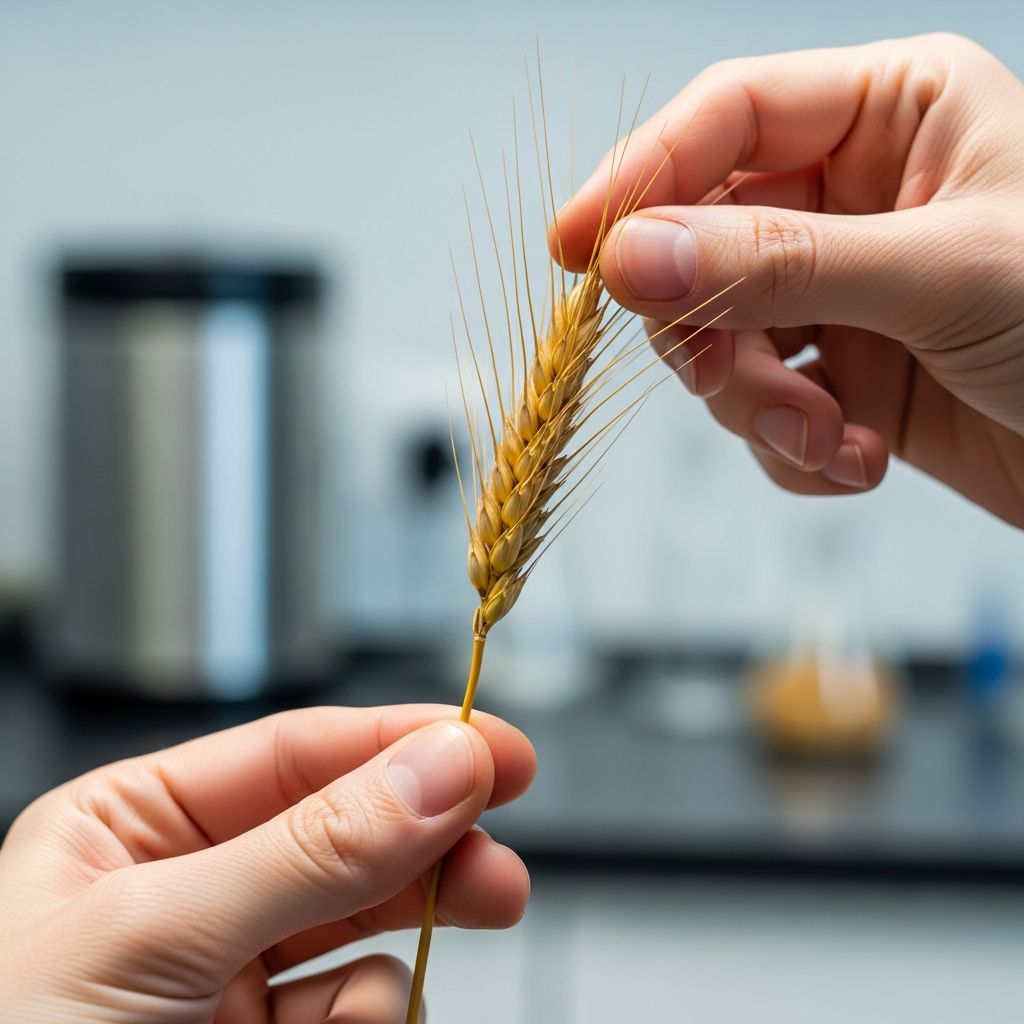
Celiac disease is a chronic autoimmune disorder where ingesting gluten—a protein in wheat, barley, and rye—triggers an immune response that damages the small intestine’s lining, impairing nutrient absorption.
This condition affects approximately 1% of the global population, though many remain undiagnosed. Without management, it leads to malnutrition, growth issues in children, and severe complications. The only effective treatment is a strict, lifelong gluten-free diet, allowing intestinal healing and symptom resolution.
What Is Celiac Disease?
Celiac disease occurs when the immune system mistakenly attacks the small intestine upon gluten exposure. Gluten proteins, specifically gliadin, provoke antibodies that inflame and flatten the villi—tiny, finger-like projections responsible for absorbing nutrients like vitamins, minerals, and calories.
Villi damage reduces the intestine’s surface area, causing malabsorption. Symptoms range from digestive distress to systemic issues due to deficiencies in iron, calcium, vitamin D, and more. Unlike non-celiac gluten sensitivity or wheat allergy, celiac disease causes permanent intestinal harm if untreated.
Genetic predisposition plays a key role; individuals with HLA-DQ2 or HLA-DQ8 genes are at higher risk, though not all carriers develop the disease. Triggers include viral infections, surgery, pregnancy, or stress.
Symptoms of Celiac Disease
Symptoms vary widely and can appear at any age, from infancy to adulthood. Many experience ‘silent’ celiac with no obvious signs until complications arise. Digestive symptoms predominate, but extraintestinal manifestations are common.
Symptoms in Adults
Adults often report:
- Diarrhea or constipation
- Bloating, gas, and abdominal pain
- Fatigue and unexplained weight loss
- Anemia from iron deficiency
- Bone density loss (osteoporosis or osteomalacia)
- Dermatitis herpetiformis—an itchy, blistery skin rash
- Mouth ulcers, headaches, and joint pain
- Nervous system issues like numbness, tingling, or cognitive impairment
- Reduced spleen function (hyposplenism) and elevated liver enzymes
Women may experience infertility or miscarriages due to poor calcium and vitamin D absorption.
Symptoms in Children
Children show more pronounced gastrointestinal issues:
- Chronic diarrhea, constipation, or pale, foul-smelling stools
- Swollen belly, nausea, vomiting, and gas
- Failure to thrive, weight loss, or short stature
- Delayed puberty, irritability, and enamel damage
- Anemia, fatigue, and neurological symptoms like ADHD or seizures
Nutrient malabsorption stunts growth and development.
Causes and Risk Factors
The exact cause remains unclear, but genetics combined with environmental factors initiate the autoimmune response. Eating gluten in genetically susceptible individuals leads to intestinal inflammation.
Risk factors include:
- Family history—10% risk if a first-degree relative has it
- Specific HLA genes (DQ2/DQ8 in 95% of cases)
- Associated conditions like type 1 diabetes, Down syndrome, or autoimmune thyroid disease
- Triggers: gut infections, surgery, pregnancy, or severe stress
Infant feeding practices and gut microbiome may influence onset, but evidence is inconclusive.
Complications of Celiac Disease
Untreated celiac disease raises risks for:
- Nutritional deficiencies: Anemia, osteoporosis, and neurological issues
- Lactose intolerance: Temporary due to villi damage
- Reproductive problems: Infertility, miscarriages
- Cancers: Small bowel lymphoma or adenocarcinoma (rare)
- Other autoimmune diseases: Thyroiditis, rheumatoid arthritis
- Refractory celiac: Rare non-responsive form
Early diagnosis prevents most complications.
Diagnosis
Diagnosis involves blood tests for antibodies (tTG-IgA, EMA), followed by intestinal biopsy confirming villi damage. Genetic testing supports but doesn’t confirm. Patients must consume gluten before testing.
| Test Type | Purpose | Accuracy |
|---|---|---|
| Blood Antibody Tests | Detect anti-tissue transglutaminase (tTG-IgA) | High sensitivity (90-95%) |
| Endoscopy & Biopsy | Examine small intestine villi | Gold standard |
| Genetic Testing | Rule out if negative for HLA-DQ2/DQ8 | High negative predictive value |
Treatment
A strict gluten-free diet is the sole treatment, eliminating wheat, barley, rye, and derivatives. This heals the intestine within months, resolving symptoms.
- Avoid hidden gluten in processed foods, medications, cosmetics
- Read labels; certified gluten-free products under 20 ppm
- Consult dietitians for balanced nutrition
- Monitor with follow-up tests
Living Gluten-Free
Adopting a gluten-free lifestyle requires vigilance:
Safe Foods: Rice, corn, quinoa, fruits, vegetables, meats, dairy (if tolerated), nuts.
Avoid: Bread, pasta, beer, sauces, soups with gluten thickeners.
Nutritional gaps may need supplements: iron, B vitamins, calcium, vitamin D. Dining out? Inform staff, choose simple dishes.
Frequently Asked Questions (FAQs)
Is celiac disease the same as gluten intolerance?
No. Celiac is autoimmune with intestinal damage; intolerance causes digestive discomfort without damage.
Can celiac disease be cured?
No cure, but a gluten-free diet manages it lifelong, promoting healing.
Does celiac disease affect children differently?
Yes, children often have growth delays and severe GI symptoms.
Can I outgrow celiac disease?
No, it’s lifelong; strict adherence prevents symptoms.
What if I cheat on the gluten-free diet?
Even small amounts cause damage; symptoms may recur, risking complications.
Related Conditions
- Non-celiac gluten sensitivity: Symptoms without autoimmunity
- Wheat allergy: IgE-mediated, immediate reaction
- Dermatitis herpetiformis: Skin manifestation of celiac
References
- Celiac disease – Symptoms and causes — Mayo Clinic. 2023-10-10. https://www.mayoclinic.org/diseases-conditions/celiac-disease/symptoms-causes/syc-20352220
- Celiac Disease – Symptoms and Causes — Penn Medicine. 2024-05-15. https://www.pennmedicine.org/conditions/celiac-disease
- Celiac Disease — MedlinePlus (U.S. National Library of Medicine). 2025-01-01. https://medlineplus.gov/celiacdisease.html
- Coeliac disease — NHS (National Health Service). 2024-08-20. https://www.nhs.uk/conditions/coeliac-disease/
- Celiac Disease: Symptoms, Causes, and Treatment — WebMD. 2024-11-12. https://www.webmd.com/digestive-disorders/celiac-disease/celiac-disease
- Celiac Disease: Symptoms & Causes — NewYork-Presbyterian. 2024-03-05. https://www.nyp.org/pediatrics/digestive-diseases/celiac-disease
- Celiac Disease: Symptoms, Diagnosis & Treatment — Cleveland Clinic. 2025-02-14. https://my.clevelandclinic.org/health/diseases/14240-celiac-disease
Similar Articles




Read full bio of medha deb