Celiac Disease Diet: Avoiding Foods with Gluten
Complete guide to managing celiac disease through a strict gluten-free diet and avoiding hidden gluten sources.
Celiac Disease Diet: Understanding the Gluten-Free Lifestyle
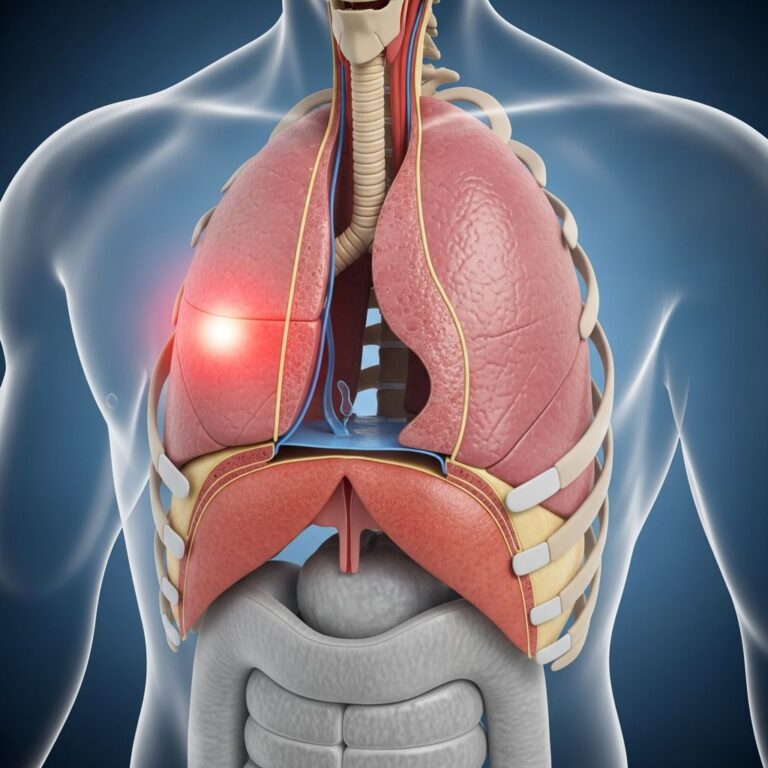
Celiac disease is an autoimmune disorder where the ingestion of gluten—a protein found in wheat, barley, and rye—triggers an immune response that damages the small intestine. The condition affects nutrient absorption and can cause serious health complications if left untreated. Currently, the only effective treatment for celiac disease is adherence to a strict, lifelong gluten-free diet. This dietary approach not only manages symptoms but also allows the intestinal lining to heal and prevents long-term complications.
For individuals diagnosed with celiac disease, understanding which foods contain gluten and how to avoid cross-contamination is essential. With proper education, support from healthcare professionals, and access to gluten-free alternatives, people with celiac disease can maintain excellent health and quality of life.
Understanding Gluten and Its Sources
Gluten is a naturally occurring protein found primarily in three grains: wheat, barley, and rye. These grains are common ingredients in many staple foods consumed daily, making gluten avoidance challenging without proper knowledge. Beyond obvious sources like bread, pasta, and cereals, gluten hides in many processed foods, condiments, and unexpected products.
The FDA Food Allergen Labeling and Consumer Protection Act requires food manufacturers to disclose wheat as an allergen on labels. However, this regulation covers wheat specifically, not all gluten-containing grains. Barley and rye may not be clearly labeled, requiring consumers to read ingredient lists carefully. Additionally, foods can become contaminated with gluten during manufacturing or preparation, even if gluten is not an intentional ingredient.
Safe Foods to Include in a Gluten-Free Diet
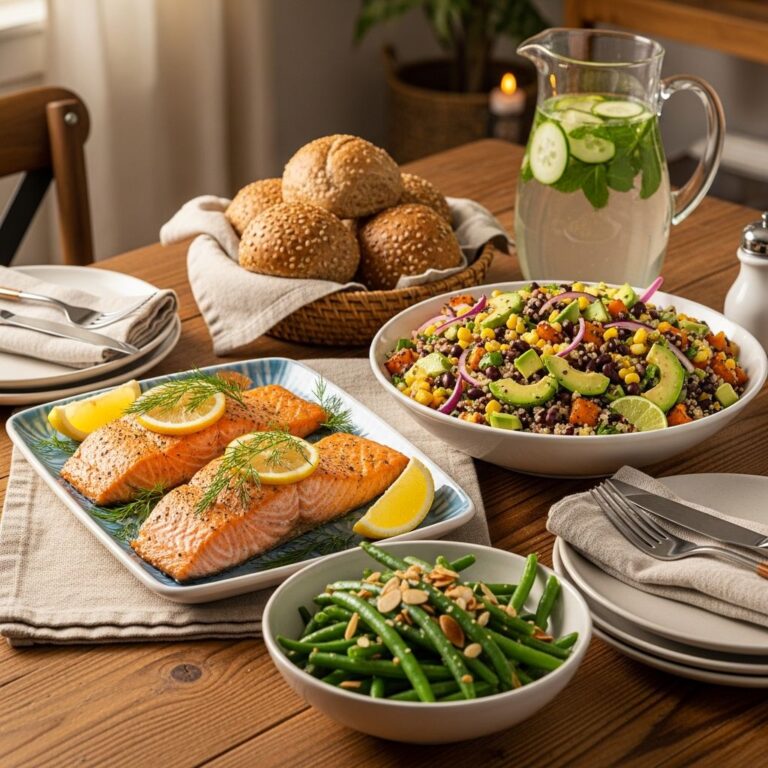
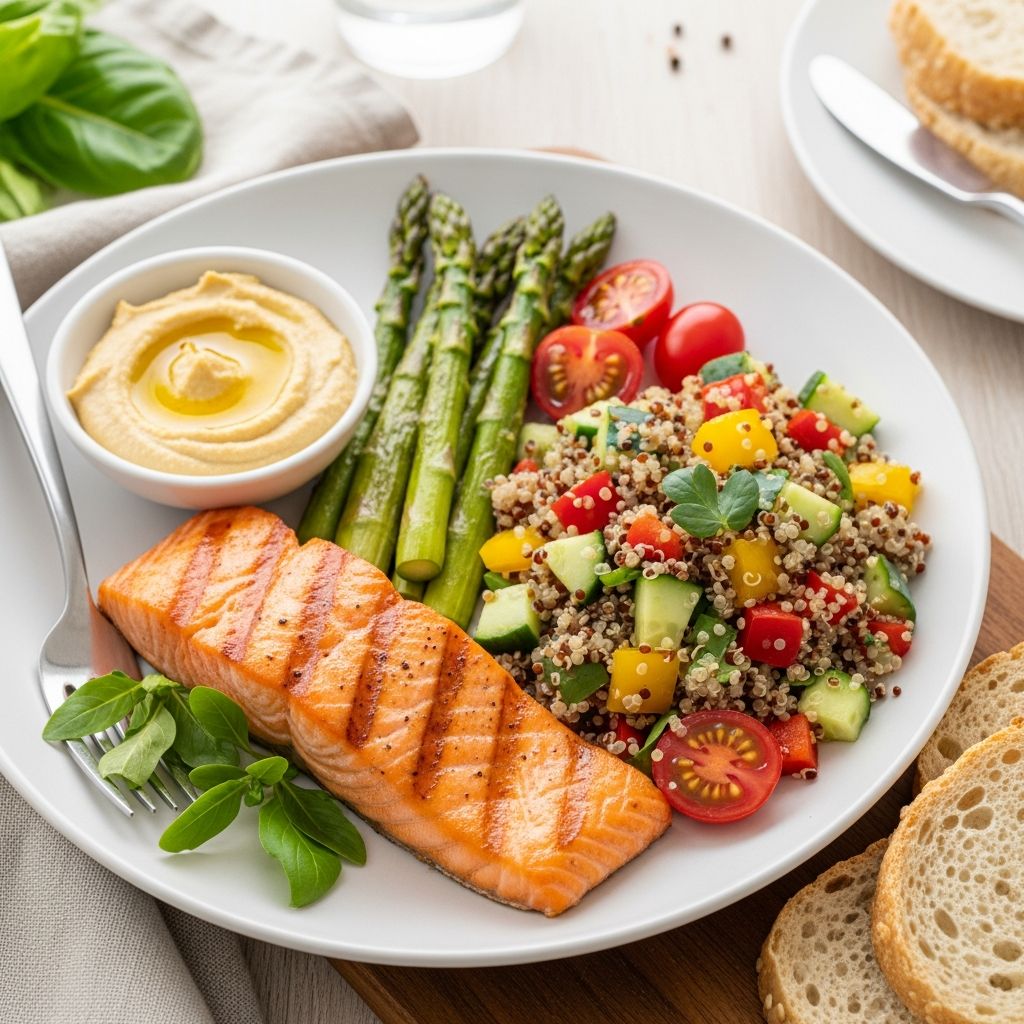
The foundation of a successful gluten-free diet consists of naturally gluten-free whole foods. These include fresh fruits and vegetables, unprocessed proteins, dairy products, and specific grains and starches. Building meals around these safe options provides essential nutrients while eliminating gluten exposure.
Proteins and Dairy
Unprocessed, plain meat, poultry, fish, and seafood are naturally gluten-free when prepared without breading or gluten-containing marinades. Fresh eggs are also safe, though processed egg products may contain hidden gluten. Legumes—including chickpeas, lentils, soybeans, and beans like navy, pinto, and black beans—provide plant-based protein when purchased dried or canned without gluten-containing ingredients.
Dairy products are generally gluten-free, including plain milk, yogurt, cheese, cottage cheese, and most ice creams. However, malted dairy products should be avoided due to malt’s gluten content. Non-dairy beverages labeled as gluten-free, such as rice, soy, hemp, and nut milk, offer alternatives for those with lactose intolerance or preference.
Fruits, Vegetables, and Starches
Fresh and frozen fruits and vegetables without added ingredients, seasonings, or sauces are naturally gluten-free. Similarly, potatoes, sweet potatoes, parsnips, and turnips serve as nutritious starch bases for meals. Plain nuts and seeds, including walnuts, almonds, pecans, sunflower seeds, and pumpkin seeds, provide healthy fats and proteins.
Gluten-Free Grains and Flours
Several naturally gluten-free grains offer excellent nutritional value and variety for meal planning. Options include amaranth, buckwheat, corn, millet, quinoa, sorghum, and teff. Plain rice and wild rice do not require gluten-free certification, though other grains and their flour products should be labeled as gluten-free to ensure they were not contaminated during processing.
Related Stories



For optimal nutrition, choose whole grain options like whole brown rice, buckwheat, millet, and quinoa, along with whole grain flours such as brown rice flour, buckwheat flour, and legume flours (garbanzo, bean, chickpea, lentil, and pea). While refined grains like corn flour, potato starch, and tapioca are gluten-free, they offer less nutritional value than whole grains.
Beverages and Condiments
Water, tea, instant coffee, ground coffee, and pure cocoa without added ingredients are safe beverages. Most condiments made with approved ingredients are acceptable, though careful label reading is necessary to identify hidden gluten in commercial preparations.
Foods and Ingredients to Avoid
Successfully managing a gluten-free diet requires recognizing and avoiding foods that contain or may contain gluten. This includes obvious sources like bread, pasta, cereals, and baked goods made with wheat flour, as well as less apparent sources hidden in processed foods.
Obvious Gluten Sources
The primary foods to eliminate are those made from wheat, barley, or rye. These include:
– Bread, bagels, biscuits, and rolls- Pasta, couscous, and noodles- Cereals and grain-based breakfast products- Cakes, cookies, brownies, and most baked goods- Pancakes, waffles, and similar items- Breaded or battered foods- Beer (though some gluten-free varieties exist)
Hidden Gluten Sources
Many processed and prepared foods contain gluten as an ingredient or through cross-contamination. Common culprits include:
– Soups and broths with gluten-based thickeners- Soy sauce and Worcestershire sauce- Salad dressings and marinades- Sauces and gravies- Processed meats and deli products- Flavored snacks and chips- Candy and chocolate products- Medications and supplements
Reading Labels and Identifying Gluten
Mastering food label reading is crucial for avoiding gluten. The FDA requires that foods labeled “gluten-free” contain less than 20 parts per million (ppm) of gluten, which is considered safe for individuals with celiac disease. However, not all products carry this certification.
Key Label-Reading Strategies
Always check ingredient lists for wheat, barley, rye, and their derivatives. Look for terms like “malt,” “malt extract,” “malt vinegar,” “malt flavoring,” “hydrolyzed wheat protein,” and “modified food starch” (which may derive from wheat). Some manufacturers use ambiguous terms like “natural flavoring” or “spices” that may hide gluten sources.
Processed meat and poultry products follow different USDA labeling rules and may contain hidden gluten not clearly disclosed. Eggs and egg products similarly may be contaminated during processing. When in doubt, contact the manufacturer or choose certified gluten-free products.
Gluten-Free Certification
While specialty gluten-free certifications provide added confidence, they are not mandatory for safety. Foods without certifications may be perfectly safe if they genuinely contain no gluten or cross-contamination. However, certified products offer verified testing and quality assurance.
Managing Cross-Contamination
Cross-contamination occurs when gluten-free foods contact gluten-containing foods during storage, preparation, or cooking. For people with celiac disease, even tiny amounts of gluten can trigger intestinal damage. Implementing strict prevention measures at home is essential.
Kitchen Practices to Prevent Contamination
– Use separate cutting boards, toasters, and cooking utensils for gluten-free foods- Store gluten-free products separately and above gluten-containing foods to prevent crumbs from falling- Use dedicated condiment containers for frequently used items like butter and jam- Wash hands thoroughly before preparing gluten-free meals- Clean kitchen surfaces, dishes, and cookware carefully to remove all traces of gluten- Cook gluten-free meals first, before preparing gluten-containing foods, if sharing a kitchen- Use dedicated colanders for pasta and other foods prone to cross-contamination
Dining Out While on a Gluten-Free Diet
Eating at restaurants presents challenges for those following a gluten-free diet, but with communication and careful selection, it is possible to enjoy dining out safely.
Restaurant Navigation Tips
When dining out, inform your server about your celiac disease and gluten sensitivity. Many restaurants now offer gluten-free menus or can modify dishes. Choose naturally gluten-free options like grilled proteins, salads with oil and vinegar dressing, and baked vegetables. Avoid fried foods prepared in shared oil, sauces with unknown ingredients, and breaded items.
Call restaurants in advance to discuss their gluten-free practices and cross-contamination protocols. Ethnic restaurants, particularly Mexican and Mediterranean establishments, often naturally offer many gluten-free options. Build relationships with restaurants that take gluten seriously and understand celiac disease.
The Role of Registered Dietitians
Comprehensive diet education and follow-up from an experienced registered dietitian specializing in celiac disease is essential for successful management. A dietitian can help you:
– Identify overlooked gluten sources in your diet- Develop personalized meal plans accounting for other food allergies or intolerances- Ensure adequate intake of fiber, iron, calcium, and B vitamins, which are often inadequate in gluten-free diets- Monitor nutrient absorption and recommend appropriate supplements if needed- Navigate dining situations and social challenges- Stay updated on new gluten-free products and research findings
Special Considerations: The Question of Oats
Oats are naturally gluten-free, but many celiac organizations have specific recommendations regarding their inclusion in the gluten-free diet due to potential contamination during farming and processing. Current recommendations vary among organizations:
| Organization | Recommendation | Daily Limit |
|---|---|---|
| Gluten Intolerance Group (GIG) | Work closely with healthcare team; check antibody levels periodically | 1 cup cooked, uncontaminated |
| Celiac Disease Foundation | Add gradually under physician guidance; monitor for reactions | 1 cup cooked, pure, uncontaminated |
| Canadian Celiac Association | Consult physician; verify gluten-free through testing | 50–70 grams for adults |
| Celiac Sprue Association (CSA) | Recommends excluding oats as the only safe option | Not recommended |
If you choose to include oats, ensure they are certified gluten-free and from a dedicated gluten-free facility. Introduce them gradually while monitoring for adverse reactions, and maintain communication with your healthcare provider.
Nutritional Concerns on a Gluten-Free Diet
While a gluten-free diet is necessary for managing celiac disease, research shows that individuals following this diet often have inadequate intakes of fiber, iron, calcium, and B vitamins including thiamin, riboflavin, niacin, and folate. Many gluten-free cereal products are particularly low in these nutrients.
To address these deficiencies, focus on whole gluten-free grains rather than refined varieties, incorporate plenty of fruits and vegetables, include legumes regularly, and consider supplementation if recommended by your healthcare provider. Working with a registered dietitian ensures you maintain optimal nutrition despite dietary restrictions.
Resources and Support
Numerous resources support those following a gluten-free diet. Gluten-free cookbooks offer recipe inspiration and meal planning ideas. Support organizations provide community, education, and research updates. Many restaurants, grocery stores, and food manufacturers now cater to gluten-free needs, making adherence increasingly manageable.
Frequently Asked Questions
Q: Is a gluten-free diet recommended for weight loss?
A: No. There is currently no evidence showing that a gluten-free diet is effective for weight loss or general health benefits in individuals without celiac disease or gluten sensitivity. For those without these conditions, a healthy diet typically includes adequate whole grains, not the elimination of gluten.
Q: What does “gluten-free” on a label mean?
A: FDA regulations require that foods labeled “gluten-free” contain less than 20 parts per million of gluten, considered safe for individuals with celiac disease. This provides assurance of stringent testing and monitoring.
Q: Can I ever have gluten again if diagnosed with celiac disease?
A: No. Celiac disease is a lifelong condition requiring permanent gluten avoidance. Even small amounts of gluten trigger intestinal damage in susceptible individuals, making strict adherence essential.
Q: Are all fruits and vegetables gluten-free?
A: Yes, fresh and frozen fruits and vegetables are naturally gluten-free. However, avoid those with added seasonings, sauces, or ingredients that may contain gluten. Always check processed vegetable products for hidden gluten sources.
Q: How can I ensure my kitchen is gluten-free?
A: Use separate cutting boards, toasters, and utensils for gluten-free foods. Store gluten-free products separately, clean surfaces thoroughly, wash hands before food preparation, and cook gluten-free meals first if sharing a kitchen with gluten consumers.
Q: Do I need to buy certified gluten-free products?
A: Not necessarily. While certified products offer added confidence through third-party testing, unlabeled foods may be perfectly safe if genuinely gluten-free. Always check ingredient lists and contact manufacturers if uncertain.
References
- The Gluten-Free Diet: An Update for Health Professionals — University of Virginia, School of Medicine, Division of Gastroenterology and Hepatology. 2006. https://med.virginia.edu/ginutrition/
- Simple Start to the Gluten-Free Diet — Beth Israel Deaconess Medical Center, Division of Gastroenterology. 2024. https://www.bidmc.org/centers-and-departments/digestive-disease-center/services-and-programs/celiac-center/
- Diet Review: Gluten-Free for Weight Loss — Harvard T.H. Chan School of Public Health, The Nutrition Source. 2024. https://nutritionsource.hsph.harvard.edu/healthy-weight/diet-reviews/gluten-free-diet-weight-loss/
- FDA Food Allergen Labeling and Consumer Protection Act — U.S. Food and Drug Administration. 2024. https://www.fda.gov/food/food-allergensgluten-free/gluten-free-labeling-rule
- Gluten Free Diets: Topic of the Month — Minnesota Department of Health. 2024. https://www.health.state.mn.us/
Similar Articles








Read full bio of medha deb