Celiprolol Tablets (Celectol) Guide: Uses Dosage & Side Effects
Comprehensive guide to celiprolol tablets for managing high blood pressure, including dosage, side effects, and precautions.
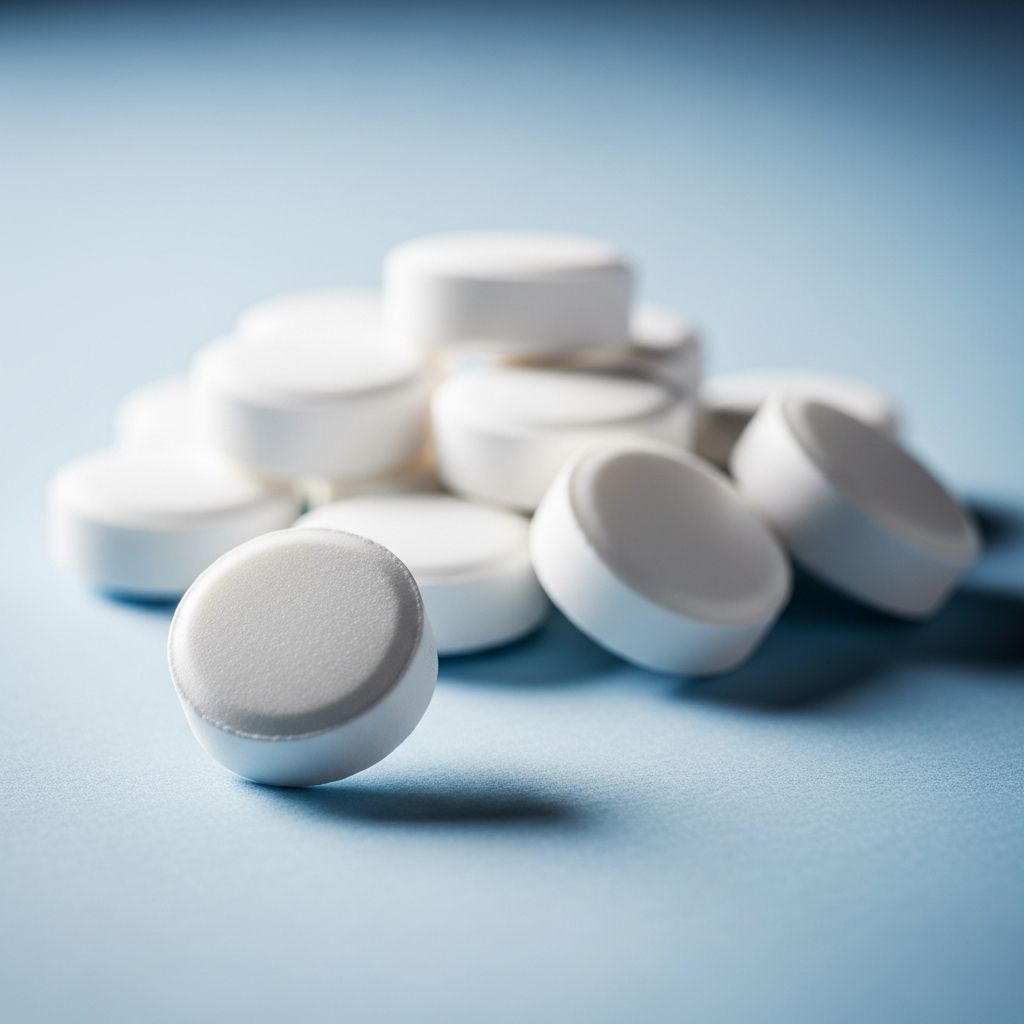
Celiprolol, marketed as Celectol, is a highly selective beta-blocker primarily prescribed for the management of high blood pressure (hypertension). By slowing the heart rate and relaxing blood vessels, it effectively lowers blood pressure, reducing the risk of serious cardiovascular events like heart attacks and strokes. This medication is available in tablet form and is typically taken once daily on an empty stomach for optimal absorption.
About celiprolol
| Type of medicine | A beta-adrenoceptor blocking medicine (often referred to as a beta-blocker) |
|---|---|
| Used for | High blood pressure |
| Also called | Celectol® |
| Available as | Tablets |
High blood pressure, or hypertension, is a common condition that often presents no immediate symptoms. Untreated, it can silently damage the heart and blood vessels, increasing the likelihood of heart attacks, strokes, and other complications. Celiprolol addresses this by acting as a beta-blocker, which targets beta-adrenergic receptors in the heart and blood vessels. This action reduces heart rate and contractility while promoting vasodilation through its partial beta-2 agonist properties, leading to lowered blood pressure.
Unlike non-selective beta-blockers, celiprolol is beta-1 selective with mild beta-2 agonism and weak alpha-2 antagonism, making it potentially better tolerated in patients with respiratory concerns, though caution is still advised[10]. Clinical evidence also supports its use in preventing vascular complications in vascular Ehlers-Danlos syndrome, though this is off-label. Treatment is generally long-term to maintain blood pressure control.
Before taking celiprolol
Before starting celiprolol, consult your doctor to ensure it is suitable for you. Certain conditions contraindicate its use:
- Slow heartbeat (bradycardia) or heart block.
- Prinzmetal’s angina (chest pain from coronary artery spasms).
- Severe kidney impairment (creatinine clearance <15 ml/min).
- Allergy to celiprolol or its ingredients, such as mannitol, microcrystalline cellulose, croscarmellose sodium, or magnesium stearate.
- Severe liver problems or asthma (use with caution due to beta-blocker effects)[10].
Inform your doctor about all medications, including over-the-counter, herbal remedies, or supplements, as interactions can occur. Celiprolol may mask hypoglycemia symptoms in diabetes or affect blood sugar control. It can also interact with anaesthetics, increasing risks during surgery.
Pregnancy and breastfeeding: Celiprolol is not recommended during pregnancy unless benefits outweigh risks; discuss alternatives with your doctor. It passes into breast milk in small amounts, so monitoring is essential. Driving or operating machinery: Dizziness or fatigue may occur initially; avoid until you know how it affects you.
How to take celiprolol
Follow your doctor’s instructions precisely. Celiprolol tablets are available in 200 mg and 400 mg strengths. The standard regimen is:
- Adults and elderly: Start with 200 mg once daily, increasing to 400 mg after 2-4 weeks if needed. Maximum dose: 400 mg/day.
- Kidney impairment: Lower doses for moderate cases (creatinine clearance 15-40 ml/min); not for severe impairment.
- Liver problems: Low doses recommended.
- Children: Not recommended.
Take the tablet in the morning, at least 30 minutes before breakfast or 2 hours after eating, swallowed whole with water for best absorption. Consistency is key for steady blood pressure control.
Missed dose: Take as soon as remembered unless near the next dose; do not double up.
Related Stories



Overdose: Symptoms include slow heartbeat, low blood pressure, dizziness, breathing difficulties. Seek immediate medical help.
Getting the most from your treatment
To maximize benefits:
- Take daily at the same time, even if feeling well—hypertension is often asymptomatic.
- Monitor blood pressure regularly as advised.
- Adopt lifestyle changes: balanced diet low in salt, regular exercise (30 minutes most days), weight management, limit alcohol (<14 units/week), quit smoking.
- Inform surgeons/dentists about celiprolol before procedures due to anaesthetic interactions.
- Diabetes patients: Watch for masked low blood sugar signs like tachycardia.
- Long-term use: Do not stop abruptly; taper over 7-10 days to avoid rebound hypertension or worsening symptoms.
Regular check-ups allow dose adjustments based on response and tolerance.
Side-effects
Most side effects are mild and transient. Common ones (up to 1 in 10 people) include headache, dizziness, fatigue, nausea, and stomach upset.
| Side Effect | Advice |
|---|---|
| Feeling dizzy, sleepy, tired, or light-headed | Get up slowly; lie down if dizzy. Improves after 1-2 weeks. Avoid driving/machinery if affected. |
| Headache | Hydrate; use pharmacist-recommended painkiller. Consult doctor if persistent. |
| Feeling sick or stomach upset | Simple foods, plenty of water. |
| Cold extremities, sleep issues, breathing problems, slow heartbeat, impotence, reduced libido, dry eyes | Speak to doctor if troublesome. |
Uncommon (up to 1 in 100): Rash, itching, palpitations, muscle pain, leg cramps. Rare: Allergic reactions (rash, swelling, breathing difficulty), SLE-like symptoms (joint pain, rash, hair loss), positive drug tests. Report new or worsening symptoms promptly.
Frequently Asked Questions (FAQs)
Q: When should I take celiprolol?
A: Once daily in the morning, at least 30 minutes before breakfast on an empty stomach for best results.
Q: Can I stop taking celiprolol suddenly?
A: No, taper gradually over 7-10 days under doctor supervision to prevent rebound effects.
Q: Does celiprolol affect driving?
A: Yes, if dizzy or tired; do not drive or use machinery until adjusted.
Q: Is celiprolol safe for diabetics?
A: Use caution; it may mask low blood sugar symptoms. Monitor closely.
Q: What if I miss a dose?
A: Take immediately unless near next dose; skip and resume schedule. No doubles.
Q: Can celiprolol be used in kidney disease?
A: Dose reduction for moderate impairment; contraindicated in severe cases.
This guide provides comprehensive information on celiprolol (Celectol) based on authoritative sources. Always consult healthcare professionals for personalized advice. (Word count: 1678)
References
- Celiprolol tablets – Patient.info — Patient.info. 2025-03-02. https://patient.info/medicine/celiprolol-tablets-celectol
- Celiprolol hydrochloride 200 mg film coated Tablets – (emc) — medicines.org.uk. Accessed 2026. https://www.medicines.org.uk/emc/product/4338/pil
- Celiprolol Hydrochloride (PDF) — medicines.org.uk. Accessed 2026. https://www.medicines.org.uk/emc/files/pil.11841.pdf
- Celiprolol: Uses, Interactions, Mechanism of Action — DrugBank. Accessed 2026. https://go.drugbank.com/drugs/DB04846
- Selectol 200mg and 400mg Tablets – HPRA (PDF) — HPRA. Accessed 2026. https://assets.hpra.ie/products/Human/18066/4a346005-68cd-4dc6-a893-bbd8b286b6fb.pdf
Similar Articles








Read full bio of Sneha Tete