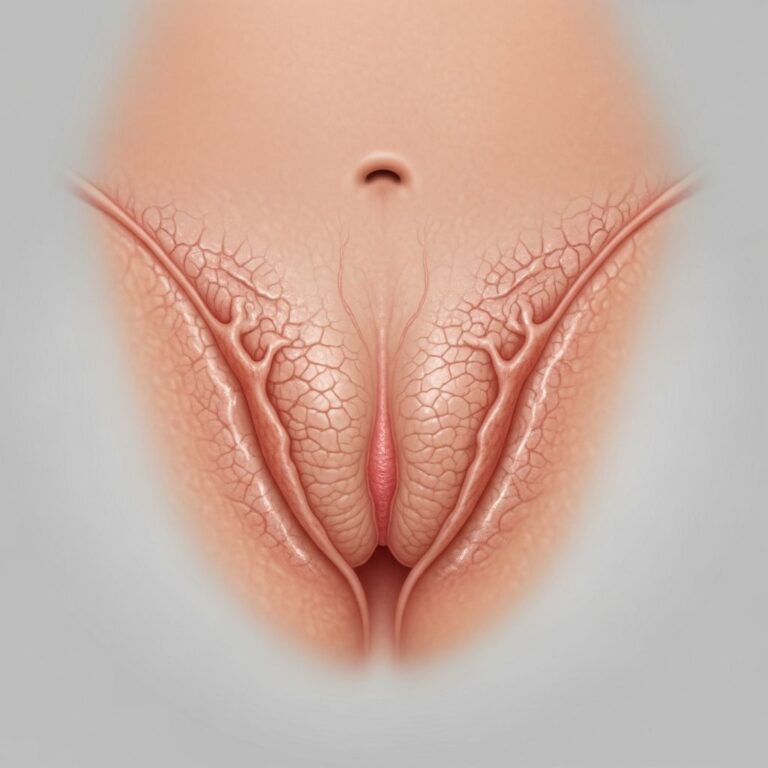
Cellulite: 8 Effective Treatments And Prevention Tips
Understanding the causes, grades, and treatment options for cellulite, the common skin dimpling affecting most women.
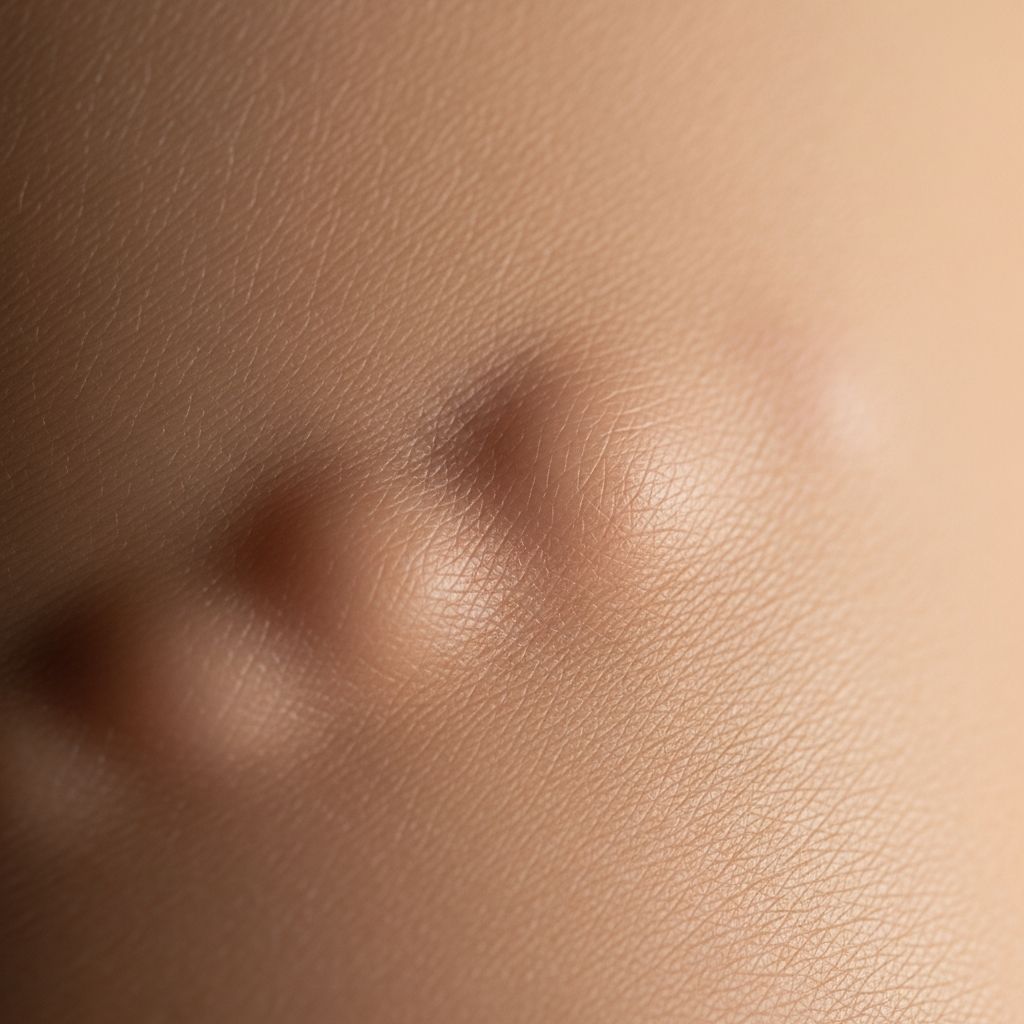
Cellulite is the skin dimpling and lumpiness seen on the skin surface of the thighs, buttocks, and abdomen of nearly all post-adolescent women. It results from fatty protrusions into the dermis layer of the skin, causing no physical harm but often leading to cosmetic embarrassment.
What is cellulite?
Cellulite, also known as gynoid lipodystrophy or orange peel syndrome, manifests as topographic disorders of subcutaneous tissue including nodules, edema, and abnormal fibrosis, primarily on the pelvic region such as buttocks, thighs, and hips. It affects 80-90% of postpubertal women and is characterized by a cottage cheese-like or orange peel appearance due to herniation of subcutaneous fat through fibrous septa tethering the skin to underlying muscle. Histopathologically, it involves swelling of subcutaneous tissue, adipocyte degeneration, vascular endothelium thickening, reticular fiber hyperplasia, and microangiopathy. Unlike cellulitis, which is a bacterial infection, cellulite is a non-inflammatory cosmetic condition.
Who gets cellulite?
Nearly all women develop cellulite, particularly post-adolescence, with prevalence up to 85% in women over 20. It is rarer in men due to differences in subcutaneous fat distribution and connective tissue structure. Factors increasing incidence include female gender, hormonal changes (e.g., puberty, pregnancy, menopause), genetic predisposition, and lifestyle elements like poor diet and lack of exercise.
Causes
The exact cause of cellulite remains poorly understood but involves multiple factors. Key contributors include:
- Hormonal influences: Estrogen promotes fat storage in thighs and buttocks; progesterone deficiency and hyperestrogenism impair adipocyte function and exacerbate fibrosis.
- Genetic predisposition: Inherited traits affect fat distribution, skin structure, and metabolism.
- Circulatory and lymphatic issues: Microcirculation disorders, chronic ischemia, hypoxia, and endothelial dysfunction lead to inflammation, fibrosis, and nodule formation.
- Adipose tissue changes: Expansion of fat cells pushes against tethering fibrous septa, causing dimpling. Reduced adiponectin expression locally influences skin appearance.
- Lifestyle factors: Sedentary behavior, high-calorie diets, and weight gain worsen protrusion of fat into the dermis.
Pathophysiology is heterogeneous, linking cosmetic changes to systemic issues like metabolic and vascular disorders.
Clinical grades
Cellulite is classified into grades based on severity, often using the Nürnberger-Müller scale or similar systems.
| Grade | Description |
|---|---|
| Grade I (Mild) | No visible alterations when standing or lying; changes apparent only on pinch test or muscle contraction. |
| Grade II (Moderate) | Smooth skin standing or lying; dimpling visible on pinch test. |
| Grade III (Obvious) | Smooth when lying; alterations visible standing due to spontaneous dimpling. |
| Grade IV (Severe) | Visible alterations standing and lying, with raised areas, nodules, pain, soreness, dryness, and skin thinning. |
Two morphologies exist: diffuse rippling in those with adiposity/skin laxity, and discrete dimples in those with good skin tone.
Clinical assessment
Evaluation involves history (onset, prior treatments) and physical exam, assessing skin topography standing/lying, pinch test, muscle contraction, and palpation for nodules/pain. MRI confirms fibrous septa contraction and fat herniation. Identify candidates for treatment based on severity and expectations.
Treatment
No treatment fully eliminates cellulite; options aim to improve appearance temporarily. Weight loss is advised for overweight individuals but may not resolve dimpling and can sometimes worsen it by accentuating septa.
| Treatment | Description | Efficacy |
|---|---|---|
| Endermologie® | Mechanical massage with suction rollers to smooth skin and improve circulation. | Temporary improvement; requires maintenance. |
| Liposuction | Surgical fat removal; not ideal for cellulite as it may worsen dimpling. | Limited; risks irregularities. |
| Mesotherapy | Injections of compounds to dissolve fat/break fibrosis. | Variable; lacks strong evidence. |
| Radiofrequency (e.g., VelaSmooth®, Accent XL) | Heats tissue to stimulate collagen, tighten skin. | Moderate temporary smoothing. |
| Ultrasound (e.g., UltraShape®) | Targets fat cells non-invasively. | Limited data. |
| Laser-assisted lipolysis (e.g., Smartlipo™) | Laser melts fat, tightens skin. | Some improvement; invasive. |
| Topical agents (retinoids, methylxanthines) | Creams to thicken dermis or reduce fat. | Minimal, transient effects. |
| Cryolipolysis (e.g., CoolSculpting™) | Freezes fat cells. | Emerging; variable results. |
Related Stories



Non-invasive options like topical retinoids promote neocollagenesis to reduce fat herniation. Treatments are tedious, expensive, with doubtful long-term efficacy; many require ongoing sessions. Emerging anatomical approaches target fibrous septa.
Prevention
While not fully preventable, strategies include maintaining healthy weight, regular exercise to improve circulation/muscle tone, balanced diet, hydration, avoiding prolonged sitting, and possibly caffeine/topical creams for mild cases. Hormonal balance through lifestyle may help.
Frequently Asked Questions
Is cellulite harmful?
No, cellulite causes no physical harm, only cosmetic concerns.
Does weight loss get rid of cellulite?
Weight loss may reduce fat but often doesn’t eliminate dimpling and can highlight it.
Can men get cellulite?
Rarely, due to different fat distribution and septa orientation.
Are cellulite treatments permanent?
Most offer temporary improvement; maintenance is needed.
Is cellulite the same as cellulitis?
No, cellulitis is a bacterial infection; cellulite is cosmetic.
This comprehensive overview draws from dermatological expertise, emphasizing cellulite’s prevalence and management challenges. Consult a dermatologist for personalized advice.
References
- Cellulite – DermNet — DermNet NZ. 2010 (updated). https://dermnetnz.org/topics/cellulite
- Cellulite: a cosmetic or systemic issue? Contemporary views — PMC (Postepy Dermatol Alergol). 2018-10-22. https://pmc.ncbi.nlm.nih.gov/articles/PMC6232550/
- An Anatomical Approach to Evaluating and Treating Cellulite — Journal of Drugs in Dermatology. 2016. https://jddonline.com/articles/an-anatomical-approach-to-evaluating-and-treating-cellulite-S1545961616P0058X
- Almost everyone has cellulite, and that’s okay — Curology Blog. Recent (2023+). https://curology.com/blog/almost-everyone-has-cellulite-and-thats-okay/
- Cellulitis: Symptoms, Causes, Treatment — DermNet NZ. Recent. https://dermnetnz.org/topics/cellulitis
Similar Articles








Read full bio of Sneha Tete