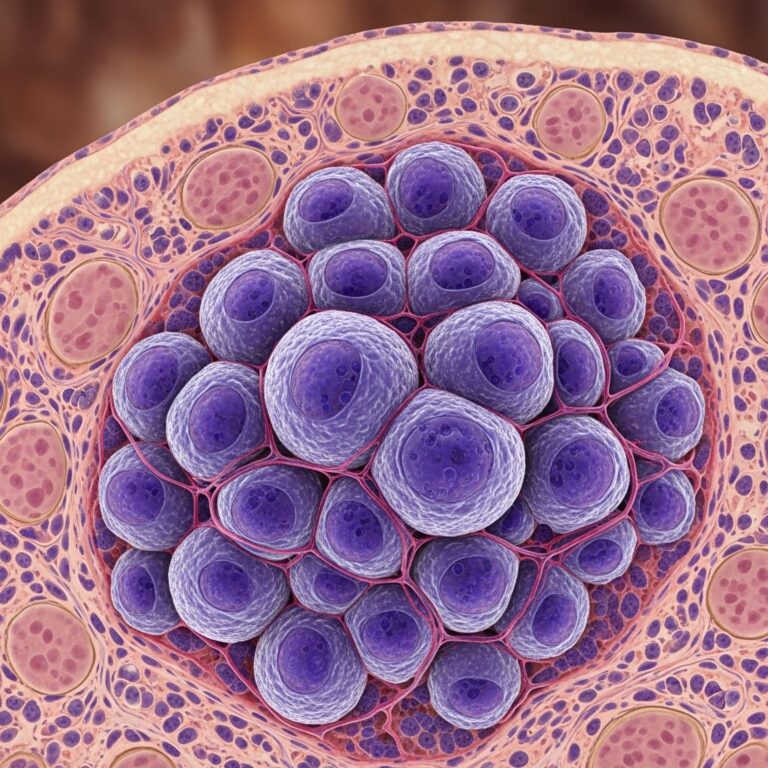
Cellulitis: Signs, Causes, Treatment, And Prevention Guide
Understand cellulitis symptoms, causes, treatments, and prevention to manage this common bacterial skin infection effectively.
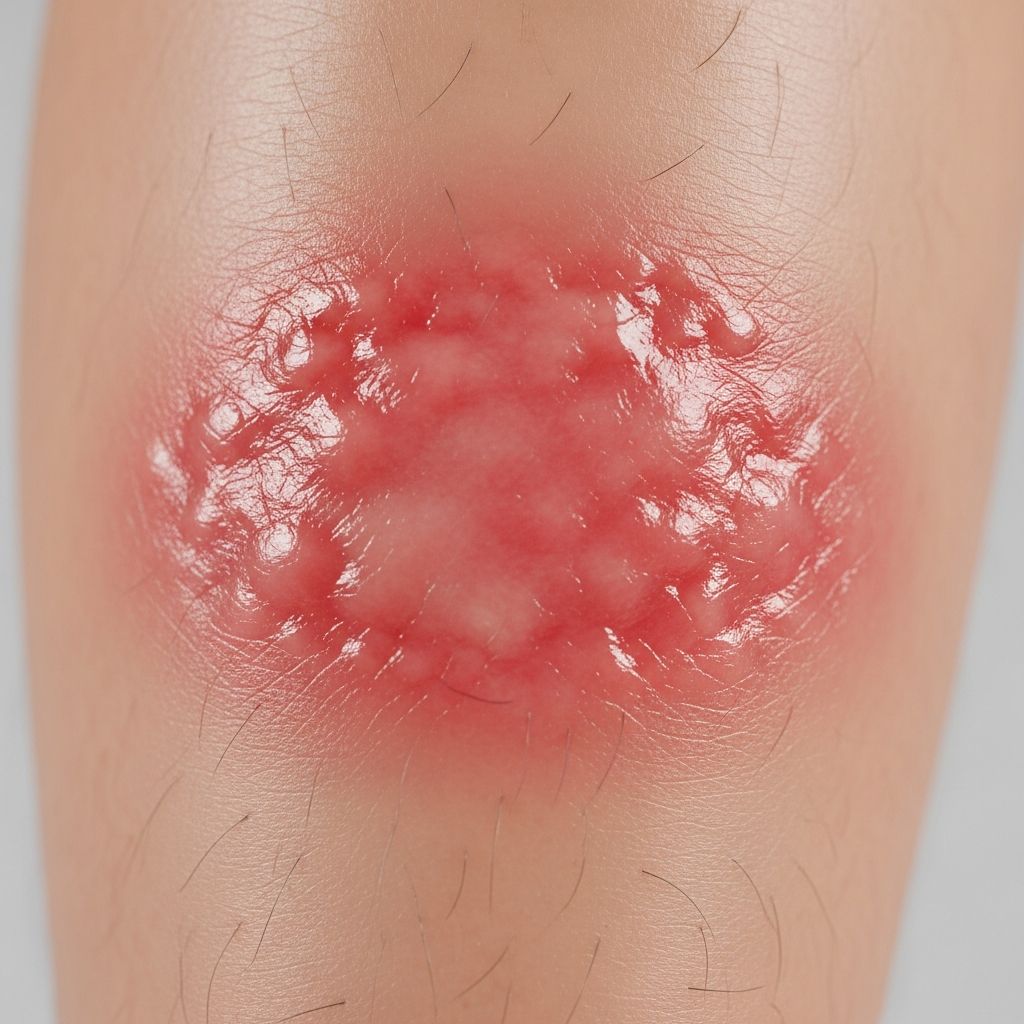
Cellulitis represents a prevalent bacterial infection penetrating the deeper dermal and subcutaneous layers of the skin, often leading to noticeable inflammation if not addressed promptly.
Recognizing the Signs of Cellulitis
The hallmark indicators of cellulitis include a region of skin exhibiting diffuse redness, elevated warmth, noticeable puffiness, and heightened sensitivity upon contact. These manifestations arise from bacterial invasion prompting an inflammatory cascade involving cytokines and immune cells. Unlike superficial conditions, the affected zone lacks sharp boundaries, distinguishing it from erysipelas, which features more defined edges.
Individuals may experience additional systemic effects such as elevated body temperature, general discomfort, exhaustion, and enlarged lymph nodes, signaling broader involvement particularly in advanced stages. On darker skin tones, the redness might appear less prominent, manifesting instead as heightened warmth or discoloration. Blistering or fluid accumulation can occur, with the skin sometimes adopting a textured, orange-peel-like surface due to edema.
- Expanding red patch without clear margins
- Localized heat and tenderness
- Swelling that worsens over hours
- Fever, chills, or fatigue in moderate cases
- Lymph node swelling nearby
What Triggers Cellulitis Infections
Bacteria gain entry through disruptions in the skin’s protective barrier, such as cuts, abrasions, insect stings, surgical incisions, or chronic ulcers. Predominant culprits include group A Streptococcus and Staphylococcus aureus, thriving when normal flora invades deeper tissues.
Compromised skin from conditions like athlete’s foot, eczema, or venous insufficiency heightens vulnerability. Those with diabetes, obesity, lymphedema, or immunosuppression face elevated risks due to impaired defenses. Lower extremities bear the brunt, accounting for most cases, though any body region can be affected, including the face in orbital cellulitis variants.
| Risk Factors | Description |
|---|---|
| Skin breaks | Cuts, bites, punctures allowing bacterial entry |
| Chronic conditions | Diabetes, poor circulation, immune suppression |
| Lymphedema | Fluid buildup impairing skin integrity |
| Intravenous drug use | Increased exposure to skin pathogens |
Distinguishing Cellulitis from Similar Conditions
Accurate identification prevents mismanagement. Chronic venous stasis dermatitis, common in lower legs, presents with scaly, pigmented patches around ankles from poor venous return, lacking acute spread. Necrotizing fasciitis, a dire emergency, involves disproportionate pain, crepitus, and rapid necrosis requiring surgical intervention.
Deep vein thrombosis might mimic swelling but lacks infectious warmth, confirmed via ultrasound. Allergic reactions or contact dermatitis typically spare deeper tissues and respond to antihistamines.
Diagnostic Approaches for Cellulitis
Clinicians rely on clinical assessment, noting at least two of four cardinal signs: erythema, edema, warmth, or tenderness in a spreading pattern. Laboratory tests like blood cultures or imaging are reserved for systemic illness or uncertainty. Elevated white cell counts or C-reactive protein support inflammation but are nonspecific.
Severity gauges hospitalization: presence of fever over 38°C, tachycardia beyond 90 bpm, tachypnea above 20 breaths/min, or leukocytosis prompts IV therapy.
Treatment Strategies for Effective Recovery
Oral antibiotics targeting Streptococcus and Staphylococcus, such as cephalexin or dicloxacillin, suffice for uncomplicated cases, typically spanning 5-10 days. Elevation of the limb reduces edema, augmented by warm compresses and pain relievers like ibuprofen.
Related Stories



Severe presentations demand hospitalization with IV antibiotics like vancomycin or ceftriaxone, especially if MRSA is suspected or facial involvement exists. Monitoring ensures resolution within 48-72 hours; lack thereof warrants reevaluation for abscess drainage or alternative pathogens.
- Elevate affected area above heart level
- Apply moist heat 3-4 times daily
- Rest and avoid irritating the site
- Complete full antibiotic course
Potential Complications and Long-term Risks
Delayed intervention risks bacteremia, where bacteria disseminate systemically, potentially seeding endocarditis or osteomyelitis. Sepsis emerges with multiple inflammatory markers, demanding urgent care. Recurrent episodes may induce chronic lymphedema from lymphatic damage.
Rarely, progression to necrotizing fasciitis or toxic shock syndrome necessitates debridement. Diabetics or immunocompromised patients face amplified dangers, underscoring prompt medical consultation.
Preventive Measures to Avoid Cellulitis
Maintaining skin integrity forms the cornerstone. Promptly cleanse and cover wounds with sterile dressings. Moisturize dry skin, manage underlying conditions like tinea pedis, and wear protective gear during activities risking abrasions.
For lymphedema sufferers, compression garments and hygiene mitigate recurrence. Diabetics should inspect feet daily and control blood sugar.
- Clean minor injuries with soap and water
- Apply antibiotic ointment to cuts
- Treat athlete’s foot promptly
- Elevate legs if swelling-prone
- Vaccinate against influenza to bolster immunity
Lifestyle Adjustments During Recovery
Rest accelerates healing by curbing bacterial spread. Hydration supports immune function, while a nutrient-rich diet with proteins and vitamins aids tissue repair. Avoid alcohol and smoking, which impair circulation.
Gradually resume activity as symptoms wane, monitoring for rebound. Follow-up ensures complete resolution, particularly in high-risk groups.
When to Seek Urgent Medical Help
Escalate care if redness expands rapidly, red streaks appear (lymphangitis), fever persists despite antibiotics, or numbness/blisters develop. Confusion, hypotension, or intractable pain signals systemic crisis.
Orbital or perianal cellulitis warrants immediate evaluation due to proximity to vital structures.
Frequently Asked Questions (FAQs)
Is cellulitis contagious?
No, cellulitis resides in deeper tissues and spreads internally, not person-to-person. Address skin breaks to prevent personal risk.
How long does cellulitis take to heal?
Most resolve in 7-10 days with antibiotics, though swelling may linger. Full recovery spans 2 weeks; follow-up if persistent.
Can cellulitis recur frequently?
Yes, especially with lymphedema or venous issues. Prophylactic antibiotics or compression may be advised for recurrent cases.
What home remedies help cellulitis?
Elevation, warm compresses, and NSAIDs alleviate symptoms, but never substitute antibiotics. Consult providers before remedies.
Does cellulitis always require antibiotics?
Yes, as it’s bacterial; antivirals or antifungals don’t apply. Culture-guided therapy optimizes outcomes in resistant cases.
Cellulitis demands vigilance, but with timely intervention, outcomes excel. Consult healthcare professionals for tailored advice.
References
- Cellulitis – StatPearls — NCBI Bookshelf, National Institutes of Health. 2023-07-17. https://www.ncbi.nlm.nih.gov/books/NBK549770/
- Your Guide To Exploring Effective Cellulitis Treatments — Premier Surgical Network. 2023. https://www.premiersurgicalnetwork.com/blog/treating-cellulitis
- About Cellulitis | Group A Strep — Centers for Disease Control and Prevention (CDC). 2023-11-15. https://www.cdc.gov/group-a-strep/about/cellulitis.html
- Cellulitis – Skin Disorders — Merck Manual Consumer Version. 2024-01-05. https://www.merckmanuals.com/home/skin-disorders/bacterial-skin-infections/cellulitis
- Cellulitis – Symptoms & causes — Mayo Clinic. 2023-09-12. https://www.mayoclinic.org/diseases-conditions/cellulitis/symptoms-causes/syc-20370762
- Cellulitis: Symptoms, Causes, Treatment & Recovery — Cleveland Clinic. 2023-10-20. https://my.clevelandclinic.org/health/diseases/15071-cellulitis
- Cellulitis — National Health Service (NHS). 2023. https://www.nhs.uk/conditions/cellulitis/
Similar Articles








Read full bio of medha deb