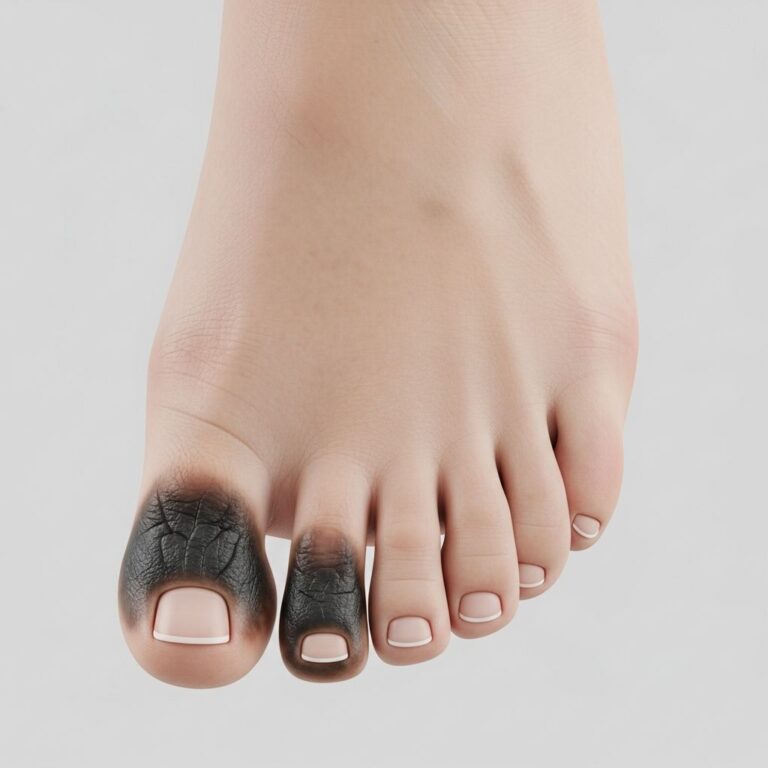
Cellulitis: Causes, Symptoms, and Treatment
Understanding cellulitis: A comprehensive guide to bacterial skin infections and effective treatment strategies.
What Is Cellulitis?
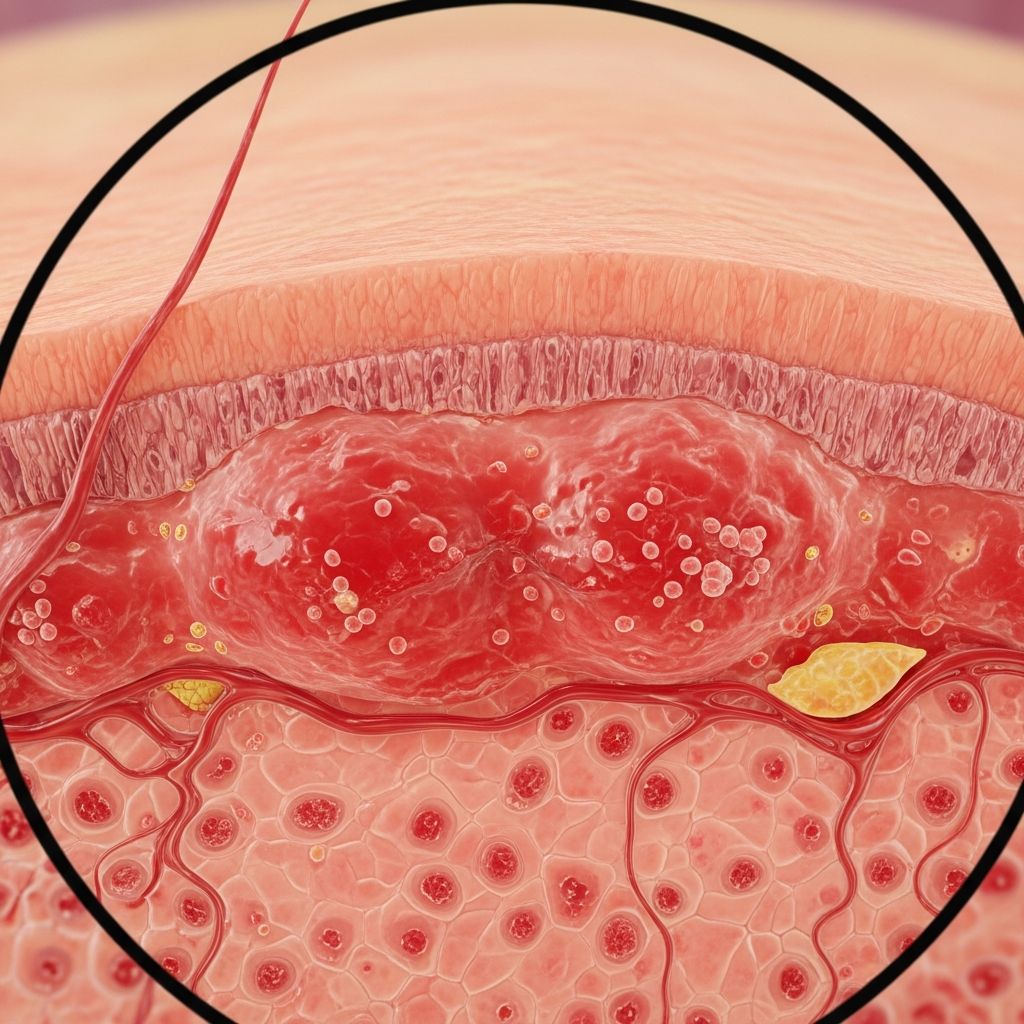
Cellulitis is an acute bacterial infection that affects the deep dermis and subcutaneous tissue layers of the skin. Unlike localized abscesses, cellulitis is characterized by a spreading inflammation without distinct pus formation in a defined pocket. This condition develops when bacteria penetrate the protective skin barrier and establish infection in the deeper skin layers, causing redness, warmth, swelling, and tenderness that progressively spread across the affected area.
The skin normally serves as a vital protective barrier, preventing normal skin flora and pathogenic microorganisms from accessing the subcutaneous tissue and lymphatic system. When any break occurs in this barrier—whether from cuts, abrasions, surgical wounds, or other forms of skin damage—bacteria can enter and initiate infection. Understanding cellulitis is crucial because prompt recognition and appropriate treatment can prevent serious complications.
Causes and Risk Factors
Cellulitis most commonly results from infection with group A beta-hemolytic streptococcus (Streptococcus pyogenes), followed closely by methicillin-sensitive Staphylococcus aureus (MSSA). However, the specific causative organism can vary based on individual risk factors and circumstances.
Common Causative Bacteria
The primary bacterial agents responsible for cellulitis include Staphylococcus species and Streptococcus species. Streptococcus pyogenes remains the major cause of typical cellulitis, though it is unusually difficult to culture in routine clinical settings. Staphylococcus aureus, including methicillin-resistant strains (MRSA), represents the leading cause of soft tissue abscesses and is easier to identify through culture.
Risk Factors for Cellulitis Development
Certain populations and conditions increase susceptibility to cellulitis development. Patients who are immunocompromised face significantly elevated risk, as do those with specific comorbidities such as diabetes mellitus. Additional risk factors include:
- History of intravenous drug use
- Recent trauma or injuries to the skin
- Animal or insect bites
- Colonization with methicillin-resistant Staphylococcus aureus
- Skin conditions such as intertrigo or athlete’s foot that compromise skin integrity
- Recent surgical procedures or puncture wounds
- Lymphedema or compromised lymphatic drainage
Signs and Symptoms
Cellulitis presents with characteristic clinical features that develop over hours to days. The affected area typically displays spreading erythema (redness) that progressively expands, accompanied by edema (swelling), warmth to the touch, and tenderness. These four cardinal signs—warmth, erythema, edema, and tenderness—form the basis for clinical diagnosis, with at least two of these criteria required to establish the diagnosis.
Local Manifestations
The affected skin region appears inflamed and extends beyond well-demarcated borders. The infection commonly affects the legs, particularly the tibial area, especially in patients with breaches in skin integrity. Patients typically report progressive worsening of redness and swelling over consecutive days. In more severe cases, bullae (fluid-filled blisters) or skin discoloration may develop, indicating deeper tissue involvement.
Systemic Symptoms
Many patients with cellulitis experience systemic manifestations including fever, malaise, and chills. Severe infections may present with signs of systemic inflammatory response syndrome (SIRS), characterized by body temperature greater than 38°C, heart rate exceeding 90 beats per minute, respiratory rate above 24 breaths per minute, or white blood cell count either below 4,000 cells/μL or above 12,000 cells/μL.
Related Stories



Diagnosis
Cellulitis is primarily diagnosed clinically based on the patient’s history and physical examination findings. A complete history of the presenting illness is essential, focusing on how and when the skin changes began. Clinicians should specifically inquire about recent travel, trauma, intravenous drug use history, and any animal or insect bites to the affected area.
Clinical Evaluation Process
The diagnosis relies on identifying the characteristic spreading erythematous inflammation of the deep dermis and subcutaneous tissue. The presence of two or more cardinal signs—warmth, erythema, edema, or tenderness—establishes the diagnosis. The healthcare provider will examine the affected area and often mark the boundaries of erythema to monitor for progression during follow-up visits.
When Advanced Imaging Is Necessary
In cases where the diagnosis is uncertain or complications are suspected, imaging studies such as CT or MRI may be considered. However, it is important to note that a negative CT or MRI scan does not sufficiently exclude necrotizing fasciitis, a more serious deep tissue infection that requires immediate surgical intervention. When necrotizing fasciitis is suspected—indicated by severe pain disproportionate to clinical findings, skin sloughing, bullae, or signs of systemic toxicity—immediate surgical consultation is warranted.
Treatment and Management
Cellulitis management depends on the severity of infection, presence of systemic symptoms, and individual patient risk factors. Treatment is typically divided into mild, moderate, and severe categories, each requiring different therapeutic approaches.
Mild Cellulitis
Patients with mild cellulitis and no systemic signs of infection can typically be treated with oral antibiotics in the outpatient setting. Antibiotics should target streptococcal species, as these organisms cause the majority of non-purulent cellulitis cases. First-line oral options include:
- Cephalexin 500 mg four times daily
- Amoxicillin 250-500 mg three times daily (often preferred due to superior bioavailability)
- Penicillin V 250-500 mg four times daily
- Dicloxacillin 500 mg four times daily
For patients with severe penicillin allergies, clindamycin 300-450 mg every 6 hours provides effective alternative coverage. The minimum duration of oral antibiotic therapy should be 5 days, though some cases may require extended treatment.
Moderate Cellulitis
Moderate infections present with typical cellulitis or erysipelas accompanied by systemic signs of inflammation. These patients benefit from intravenous antibiotic therapy. Culture should be obtained when possible through incision and drainage of any purulent component. Intravenous options include:
- Cefazolin 50 mg/kg/day in three divided doses
- Clindamycin 25-40 mg/kg/day in three divided doses
Severe Cellulitis
Severe infections require hospitalization and intravenous antibiotic therapy. Severe cellulitis is defined by the presence of SIRS criteria with evidence of end-organ damage, immunocompromised status, presence of skin sloughing or bullae, hypotension, or failure to respond to initial incision and drainage with oral antibiotics. These patients require broader-spectrum coverage and close clinical monitoring.
Cellulitis With MRSA Risk Factors
Patients with purulent cellulitis, methicillin-resistant staph aureus colonization, cellulitis associated with an abscess, extensive puncture wounds, or a history of intravenous drug use require antibiotics covering MRSA. The recommended approach combines trimethoprim-sulfamethoxazole 800 mg/160 mg twice daily with cephalexin 500 mg every 6 hours for 5 days.
Special Considerations
For abscesses smaller than 2 centimeters in immunocompetent patients who are clinically stable, antibiotics may be avoided following proper drainage and care. However, studies demonstrate that patients who received antibiotics after incision and drainage experienced reduced recurrence rates, though with increased antibiotic-related adverse events compared to placebo groups.
Cellulitis Severity Classification
| Severity Level | Clinical Characteristics | Treatment Setting | Antibiotic Route |
|---|---|---|---|
| Mild | Typical cellulitis without systemic signs, no purulence | Outpatient | Oral |
| Moderate | Cellulitis with systemic inflammation signs | Outpatient or inpatient | Oral or IV |
| Severe | SIRS criteria, end-organ damage, immunocompromised, bullae, failed initial treatment | Inpatient | IV |
Adjunctive Measures
Beyond antibiotic therapy, several supportive measures enhance recovery. The affected area should be kept clean and dry. Elevation of the infected area above heart level reduces edema and promotes drainage. Applying cool compresses may provide symptomatic relief. Patients should be monitored for signs of progression or treatment failure.
Prognosis and Outcomes
When cellulitis is promptly identified and treated with appropriate antibiotics, patients typically experience noticeable improvement within 24 to 48 hours. Signs and symptoms should begin resolving, with erythema starting to recede and swelling diminishing. However, cellulitis carries a substantial recurrence risk, with annual recurrence rates between 8 to 20% of patients, and overall recurrence rates reaching as high as 49%.
The initial antibiotic treatment failure rate stands at approximately 18%, though overall prognosis remains favorable with appropriate management. Most complications can be prevented through prompt identification and treatment initiation. Factors that improve outcomes include early antibiotic administration, appropriate antimicrobial selection, and adequate duration of therapy.
Prevention and Patient Education
Preventing cellulitis recurrence requires a multifaceted approach combining proper wound care, hygiene, and comorbidity management. Patients should maintain meticulous care of any cuts or abrasions, keeping wounds clean and protected. Regular hand hygiene practices reduce bacterial transmission. Managing underlying conditions such as diabetes mellitus through appropriate medical care decreases susceptibility.
Patients should be educated to promptly seek medical attention if they develop signs suggestive of cellulitis following skin injury. Once diagnosed and treatment initiated, patients must:
- Take prescribed antibiotics exactly as directed, completing the full course even if symptoms improve
- Maintain the area clean and dry
- Elevate the affected area above heart level to reduce swelling
- Monitor for worsening symptoms or failure to improve
- Return to healthcare if erythema spreads, fevers persist, bullae develop, or pain intensifies
When to Seek Immediate Care
Patients should seek emergency evaluation if they experience:
- Rapidly spreading erythema unresponsive to antibiotics
- Persistent or worsening fever despite treatment
- Development of bullae or significant skin discoloration
- Severe pain disproportionate to clinical findings
- Signs of systemic toxicity including confusion, dizziness, or rapid heartbeat
- Inability to move the affected limb or signs of compartment syndrome
Frequently Asked Questions
Q: How is cellulitis different from other skin infections?
A: Cellulitis differs from abscesses or impetigo by involving deeper skin layers (dermis and subcutaneous tissue) with spreading inflammation but without localized pus collection. It presents with poorly demarcated borders that expand progressively, unlike the well-defined boundaries of abscesses or the superficial nature of impetigo.
Q: Can cellulitis be treated at home with over-the-counter remedies?
A: No, cellulitis requires prescription antibiotics to eliminate the bacterial infection. While supportive care like elevation and keeping the area clean is helpful, antibiotics are essential for proper treatment and prevention of serious complications.
Q: How long does cellulitis take to resolve?
A: Most patients begin experiencing symptom improvement within 24 to 48 hours of starting appropriate antibiotic therapy. Complete resolution typically occurs within 1 to 2 weeks with proper treatment, though severe cases may require longer recovery periods.
Q: What increases the risk of cellulitis recurrence?
A: Recurrence risk increases with inadequate initial treatment, failure to manage underlying comorbidities like diabetes, repeated skin trauma, poor wound care practices, and immunocompromised states. Annual recurrence affects 8-20% of patients, making prevention strategies important.
Q: Is cellulitis contagious?
A: Cellulitis itself is not directly contagious, as it requires a break in the skin barrier for bacterial entry. However, the bacteria causing cellulitis can be transmitted through direct contact with infected wounds or drainage, so proper hygiene and wound care are important.
References
- Cellulitis — Johns Hopkins ABX Guide — Johns Hopkins Medicine. 2024. https://www.hopkinsguides.com/hopkins/view/Johns_Hopkins_ABX_Guide/540106/all/Cellulitis
- Cellulitis — StatPearls — National Institutes of Health. 2024. https://www.ncbi.nlm.nih.gov/books/NBK549770/
- Recognizing and Treating Cellulitis in the Emergency Room — Emergency Medicine Resources. 2024. https://24hrer.com/recognizing-and-treating-cellulitis-in-the-emergency-room/
- Cellulitis in Pediatric Patients — Unbound Medicine. 2024. https://peds.unboundmedicine.com/pedscentral/view/5-Minute-Pediatric-Consult/617609/all/Cellulitis
Similar Articles








Read full bio of medha deb