Cellulitis on Legs: Healing Timeline and Recovery
Understanding cellulitis healing on legs: timeline, treatment, and recovery strategies.
Cellulitis on Legs: Understanding the Healing Timeline and Recovery Process
Cellulitis is a common bacterial skin infection that affects millions of people each year, with leg infections being particularly prevalent. This deep skin infection occurs when bacteria enter through breaks in the skin and cause inflammation in the deeper skin tissues. Understanding how long cellulitis takes to heal on the legs, what signs indicate improvement, and how to properly manage the condition can help patients navigate their recovery with confidence and avoid potential complications.
The healing timeline for leg cellulitis varies depending on the severity of the infection, the promptness of treatment, and individual factors such as overall health and immune function. Most people experience significant improvement within the first few days of starting antibiotics, with complete healing typically occurring within 7 to 14 days for mild to moderate cases.
What is Cellulitis and Why Does It Occur on Legs?
Cellulitis is a bacterial infection that affects the deeper layers of the skin and underlying tissues. It develops when bacteria, most commonly Streptococcus pyogenes or Staphylococcus aureus, enter the skin through cuts, wounds, insect bites, or other breaks in the skin barrier. The legs are particularly susceptible to cellulitis because they are frequently exposed to potential injury and are often harder to keep clean and dry compared to other body parts.
Several factors increase the likelihood of developing cellulitis on the legs, including poor circulation, obesity, diabetes, weakened immune systems, and previous episodes of cellulitis. Additionally, conditions like athlete’s foot or dermatitis can create entry points for bacteria to infiltrate the skin.
Initial Symptoms and Early Recognition
Recognizing the early symptoms of cellulitis is crucial for timely treatment and faster recovery. The condition typically presents with several distinctive signs:
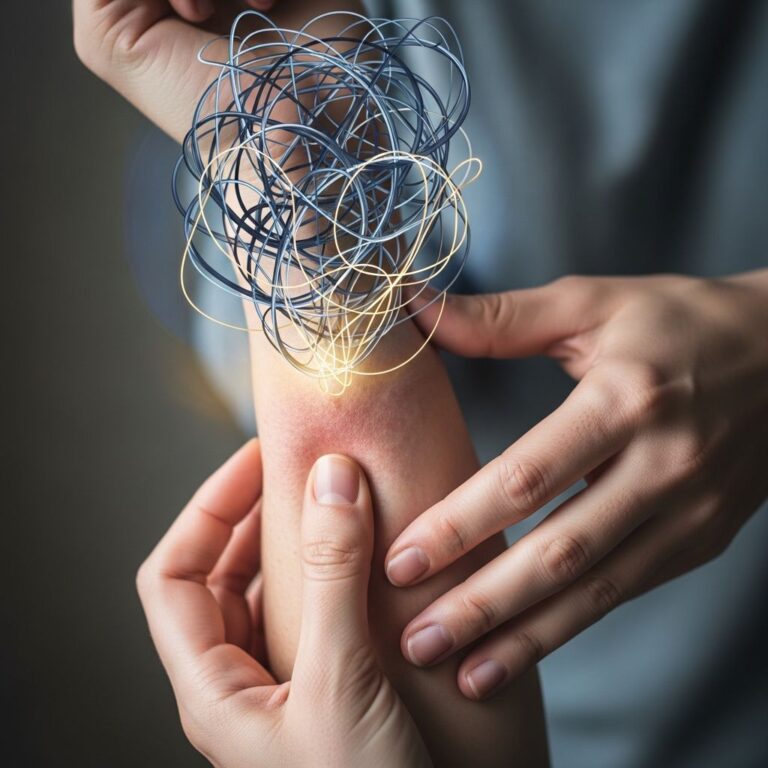
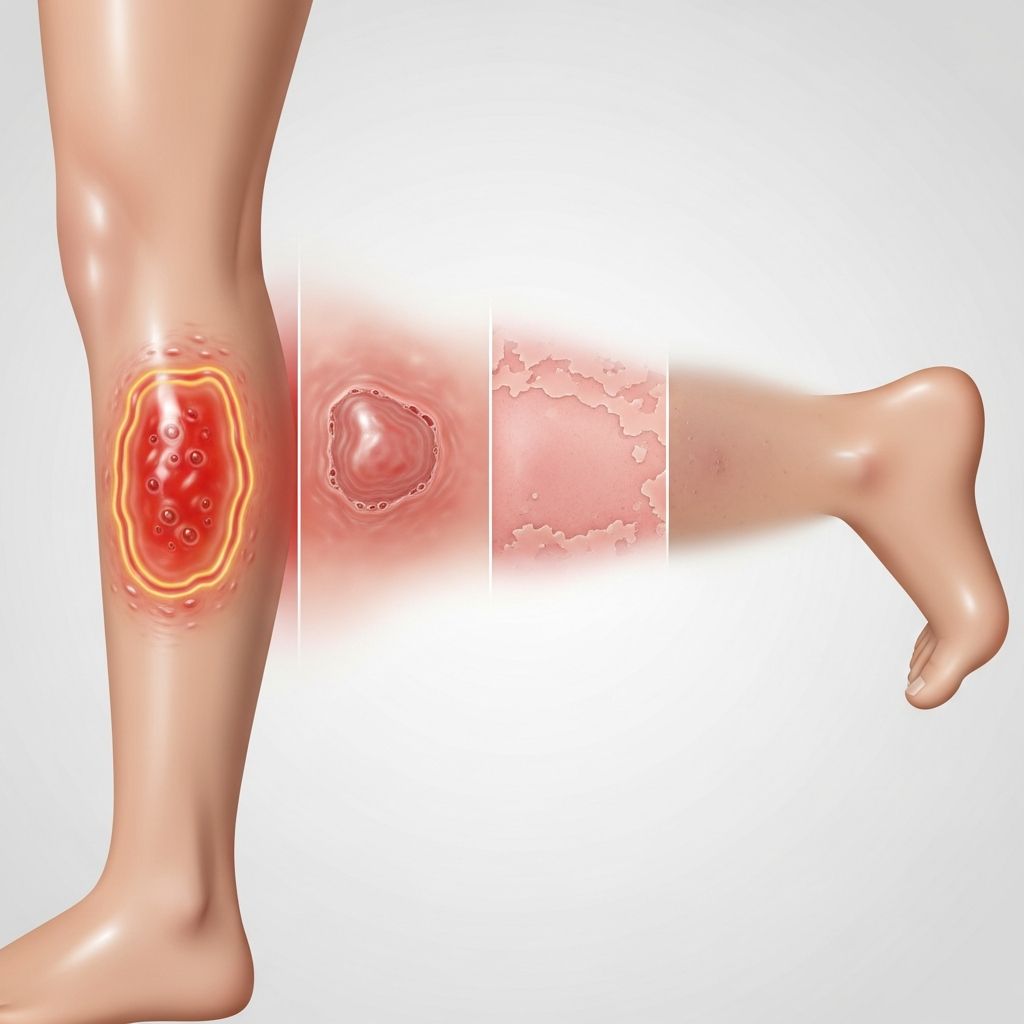
The primary symptom of leg cellulitis is discolored skin that appears swollen, warm, painful, and tender to the touch. The affected area usually displays redness, though this may be less obvious on darker skin tones. Many patients also develop blisters or skin with a texture similar to an orange peel. Systemic symptoms may include fever, chills, and swollen lymph nodes in the groin area.
The hallmark presentation often includes a clear demarcation line that doctors may actually mark on the skin with a pen to monitor the progression of the infection during recovery. This marked boundary helps track whether the infection is spreading or improving.
Treatment Options for Leg Cellulitis
The standard treatment for cellulitis involves antibiotics, which form the cornerstone of therapy. The specific antibiotic regimen depends on the severity of the infection and individual patient factors.
Oral Antibiotics for Mild to Moderate Cases
For mild cellulitis affecting a limited skin area, doctors typically prescribe oral antibiotics. The American Academy of Dermatology recommends most patients take oral antibiotics for 7 to 14 days. It is critical to complete the full course of antibiotics even if symptoms improve, as premature discontinuation can lead to recurrence or worsening of the infection.
Related Stories



Intravenous Antibiotics for Severe Cases
When cellulitis is severe or rapidly spreading, patients may require hospitalization for intravenous (IV) antibiotic therapy. IV antibiotics deliver medication directly into the bloodstream, providing more rapid and concentrated treatment. Hospitalized patients typically receive treatment for several days to a week or longer, depending on the infection’s severity and response to therapy.
Cellulitis Healing Timeline: What to Expect
Understanding the expected healing progression helps patients recognize whether their treatment is effective and when to seek additional medical attention.
First 24 to 48 Hours: Initial Response
People should see noticeable improvement in their symptoms within 24 to 48 hours of starting antibiotic treatment. However, some patients report that symptoms initially worsen slightly during the first 48 hours before improving. This is a normal part of the inflammatory response and does not necessarily indicate treatment failure. If symptoms do not begin improving after 2 to 3 days of antibiotics, patients should contact their healthcare provider promptly.
Days 3 to 7: Significant Improvement
As treatment progresses into the first week, most patients experience substantial improvement. The inflammation stops spreading, and the marked boundary area begins to reduce in size. Pain and tenderness decrease noticeably, and the skin discoloration begins to fade. Many patients can resume normal activities during this period, though they should continue taking antibiotics as prescribed.
Days 7 to 14: Complete Recovery Phase
Most people achieve complete healing within 7 to 10 days of starting antibiotic treatment. By the end of two weeks, even more severe cases typically show complete resolution of symptoms. The skin gradually returns to normal appearance, swelling subsides completely, and any residual warmth or tenderness disappears.
Signs That Cellulitis is Healing
Several indicators demonstrate that leg cellulitis is responding well to treatment and progressing toward complete healing:
Reduced skin discoloration: The redness and inflammation gradually fade as the infection resolves. The skin may appear slightly darker or discolored for a period after the infection clears, but this typically resolves within weeks.
Decreased swelling: The puffiness and edema in the affected area diminish progressively. The leg or foot may return to normal size, and rings or shoes that felt tight become comfortable again.
Reduced pain and tenderness: The acute pain associated with cellulitis subsides significantly. The area becomes less sensitive to touch, and patients can gradually resume normal activities.
Decreased warmth: The affected area feels cooler as the inflammatory response resolves. The characteristic heat that distinguishes cellulitis from other conditions fades away.
Reduction in marked boundary area: The marked demarcation line becomes smaller as the infection’s perimeter contracts. This visible marker helps confirm that treatment is working effectively.
Home Care and Recovery Management
While antibiotics are essential, proper home care significantly accelerates healing and prevents complications. The American Academy of Dermatology recommends several strategies:
Elevation and Rest
Raising the affected leg on a pillow or chair when sitting or lying down reduces swelling and promotes blood flow to the area. Combined with adequate rest, elevation allows the body to direct resources toward healing. Patients should avoid strenuous activities during the acute infection phase.
Wound Care
Keep the affected area clean and follow healthcare provider instructions for dressing changes. Cover the skin appropriately to prevent additional contamination while allowing proper air circulation.
Pain Management
Over-the-counter pain relievers such as acetaminophen or ibuprofen can alleviate discomfort. These medications also help reduce inflammation and allow patients to rest more comfortably.
Hydration and Nutrition
Drinking plenty of fluids prevents dehydration and supports the immune system’s ability to fight infection. Maintaining good nutrition provides the body with necessary resources for healing.
Joint Movement
Regularly moving the joint near the affected body part, such as the ankle, prevents stiffness and maintains mobility during recovery.
When to Seek Immediate Medical Attention
Certain warning signs indicate that cellulitis may be worsening or developing serious complications requiring urgent medical evaluation:
Contact your healthcare provider immediately if you experience a very large area of red, inflamed skin that is spreading quickly. Fever or chills, especially if they develop after initially improving, warrant prompt medical attention. Numbness, tingling, or changes in sensation in the affected leg or foot may indicate nerve involvement. Worsening pain despite antibiotic treatment or visible signs of spreading infection beyond the marked boundary line also require urgent evaluation.
Potential Complications and When They Occur
While most cellulitis cases resolve without complications when treated promptly, serious complications can develop in untreated or severe cases. These may include bacteremia (blood infection), osteomyelitis (bone infection), endocarditis (heart lining inflammation), thrombophlebitis (vein inflammation with blood clots), septic arthritis (joint infection), and in severe cases, necrotizing fasciitis (deep soft tissue infection) or sepsis. These complications require immediate hospitalization and aggressive treatment.
Preventing Cellulitis Recurrence
Cellulitis frequently recurs in people who have experienced it previously. Reducing recurrence risk involves several preventive strategies:
Keep skin clean and well-moisturized, paying particular attention to the legs and feet. Clean any cuts, scrapes, or wounds promptly with soap and water, then apply antiseptic cream. Prevent cuts and scrapes by wearing appropriate clothing and protective footwear when working outdoors or in high-risk environments. Never go barefoot, especially in public areas like locker rooms or swimming pools. For people with diabetes, perform daily visual inspections of feet for signs of skin breaks or infection. Treat fungal infections like athlete’s foot promptly, as these can create entry points for bacteria.
For individuals experiencing recurrent cellulitis (three to four episodes per year), doctors may recommend prophylactic antimicrobial therapy, which involves taking antibiotics chronically to prevent future infections.
Comparing Mild, Moderate, and Severe Cellulitis Recovery
| Severity Level | Treatment Setting | Antibiotic Type | Healing Timeline |
|---|---|---|---|
| Mild | Outpatient (home) | Oral antibiotics | 7-10 days |
| Moderate | Outpatient or short hospitalization | Oral or IV antibiotics | 10-14 days |
| Severe | Hospital admission | IV antibiotics | 1-2+ weeks hospitalized |
Frequently Asked Questions About Cellulitis Recovery
Q: Can cellulitis on the leg return after healing?
A: Yes, cellulitis frequently recurs in people who have experienced it before. Those with previous cellulitis episodes have a higher risk of developing it again, so preventive measures and prompt treatment of skin injuries are essential.
Q: Is it safe to stop antibiotics early if I feel better?
A: No, it is critical to complete the full course of antibiotics as prescribed, even if symptoms improve completely. Stopping early can allow the infection to return or lead to antibiotic-resistant bacteria.
Q: How long does the redness from cellulitis last after healing?
A: While the acute infection typically resolves within 7 to 14 days, some residual skin discoloration or darkening may persist for several weeks as the skin fully recovers and returns to normal appearance.
Q: What activities should I avoid during cellulitis recovery?
A: Avoid strenuous exercise, heavy lifting, and prolonged standing during the acute infection phase. Gradually resume normal activities as symptoms improve, but continue following your doctor’s recommendations regarding rest and elevation.
A: Contact your doctor if symptoms do not improve within 2 to 3 days of starting antibiotics. After healing, follow up as recommended to ensure complete recovery and discuss prevention strategies if you have recurrent cellulitis.
Conclusion
Cellulitis on the legs is a serious but treatable bacterial infection that responds well to prompt antibiotic therapy combined with proper home care. Most patients experience significant improvement within 24 to 48 hours of starting treatment and achieve complete healing within 7 to 14 days. Understanding the expected healing timeline, recognizing signs of improvement, and following healthcare provider recommendations regarding medication and self-care are essential for successful recovery. By taking preventive measures to reduce recurrence risk and seeking prompt medical attention for new infections, individuals can minimize the impact of cellulitis on their health and quality of life.
References
- Cellulitis Healing Stages: Signs and Timeline for Recovery — Medical News Today. 2024-03-15. https://www.medicalnewstoday.com/articles/what-are-the-signs-that-cellulitis-is-healing
- Cellulitis — NHS. 2024-11-20. https://www.nhs.uk/conditions/cellulitis/
- Cellulitis Overview and Treatment Guidelines — Massachusetts General Hospital. 2024-06-10. https://www.massgeneral.org/condition/cellulitis
- American Academy of Dermatology Guidelines on Cellulitis Management — American Academy of Dermatology Association. 2024-01-30. https://www.aad.org
- CDC Guidelines on Bacterial Skin and Soft Tissue Infections — Centers for Disease Control and Prevention. 2024-05-22. https://www.cdc.gov
Similar Articles








Read full bio of medha deb