Cellulitis Guide: Symptoms, Causes, Treatment & Prevention
Understand cellulitis: causes, symptoms, diagnosis, treatment, and prevention of this common bacterial skin infection.
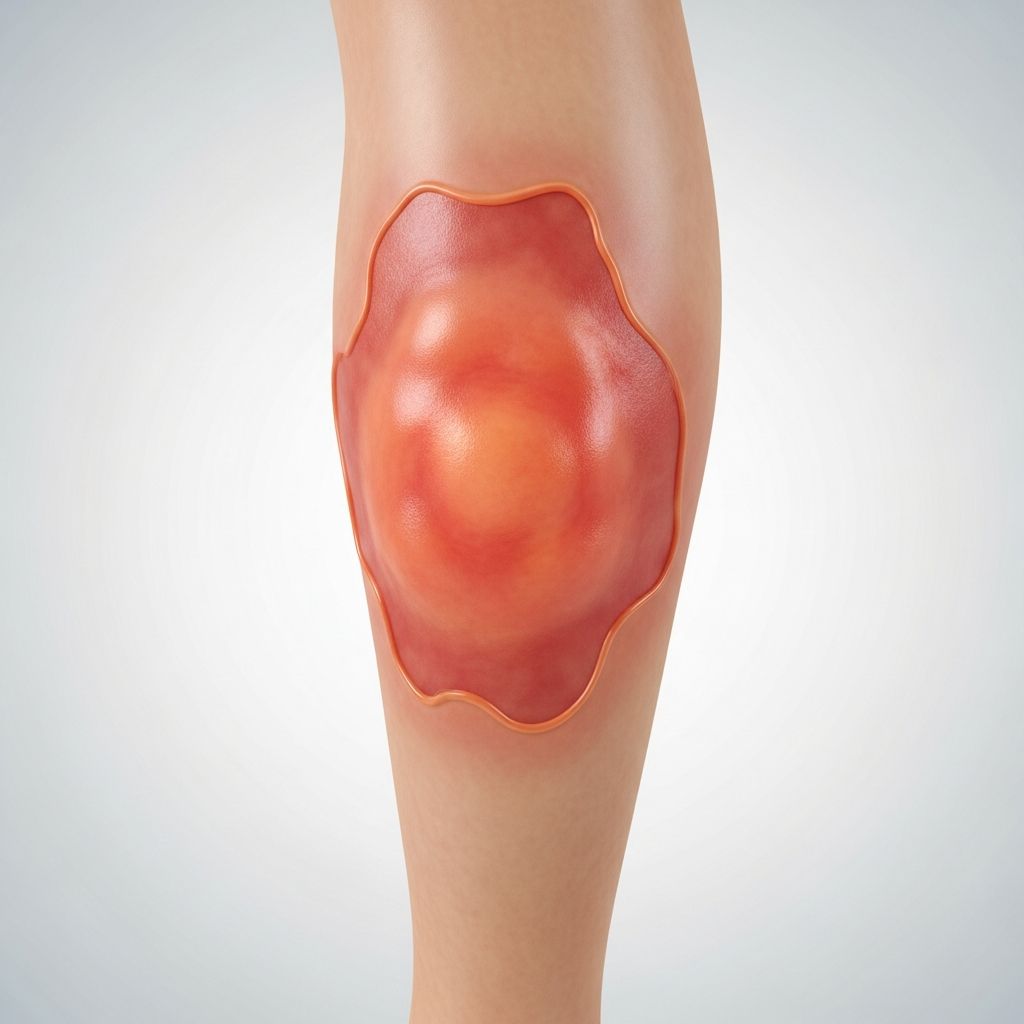
Cellulitis is an acute bacterial skin infection that affects the deeper layers of the skin, specifically the dermis and subcutaneous tissue. It typically presents as a rapidly spreading area of redness, warmth, swelling, and tenderness, often requiring prompt antibiotic treatment to prevent serious complications.
What Is Cellulitis?
Cellulitis is defined as an acute, spreading bacterial infection involving the deep dermis and subcutaneous fat, distinguished by its lack of abscess or purulent discharge. Unlike superficial infections like erysipelas, which has sharply defined borders, cellulitis features poorly demarcated edges and deeper tissue involvement. It affects over 14 million people annually in the United States, leading to significant healthcare costs and hospitalizations.
The infection arises when bacteria breach the skin’s protective barrier, triggering an inflammatory response with cytokines and neutrophils that cause the characteristic symptoms. Common sites include the lower legs, but it can occur anywhere on the body.
Symptoms of Cellulitis
Symptoms develop quickly, often within hours to days after bacterial entry. Key signs include:
- Local symptoms: Expanding erythema (redness), warmth, edema (swelling), and tenderness or pain at the site. The skin may appear like ‘peau d’orange’ (orange peel texture) due to edema.
- Systemic symptoms: Fever, chills, malaise, fatigue, and swollen lymph nodes in moderate to severe cases.
- Progression signs: Rapid spread, lymphangitis (red streaks), or blisters. Severe cases may involve pain out of proportion or crepitus, indicating deeper infection like necrotizing fasciitis.
In children or facial cellulitis, symptoms may include periorbital swelling or high fever. Untreated, it can lead to abscesses or systemic spread.
Causes of Cellulitis
Cellulitis is primarily caused by bacteria entering through breaks in the skin. The most common pathogens are:
- Group A beta-hemolytic Streptococcus (Streptococcus pyogenes): Responsible for most non-purulent cases, producing enzymes like streptokinase and hyaluronidase that facilitate rapid spread.
- Staphylococcus aureus: Including methicillin-resistant strains (MRSA) in purulent or complicated cases.
Less common causes include Group B Streptococcus in diabetics, gram-negative bacilli like Haemophilus influenzae in children, or Pseudomonas aeruginosa in immunocompromised patients or hot tub users. Entry points include cuts, bites, ulcers, surgical wounds, or dry/cracked skin from conditions like athlete’s foot.
Risk Factors for Cellulitis
Certain factors increase susceptibility by compromising skin integrity or immunity:
- Skin breaches: Trauma, surgery, ulcers, insect bites, or burns.
- Chronic conditions: Diabetes, obesity, lymphedema, venous insufficiency, or peripheral vascular disease.
- Immune compromise: HIV/AIDS, leukemia, chemotherapy, or steroid use.
- Skin disorders: Eczema, athlete’s foot, shingles, or psoriasis causing cracks.
- Other: IV drug use, prior cellulitis episodes (20-30% recurrence rate), or hospitalization.
Lower extremities are most affected due to dependent edema and poor circulation.
Diagnosis of Cellulitis
Diagnosis is primarily clinical, based on history and exam showing at least two of: erythema, edema, warmth, tenderness. No lab test is definitive, but blood tests (CBC, CRP, ESR) assess severity, and cultures from wounds or blood guide therapy if systemic.
Related Stories



Imaging like ultrasound detects abscesses; MRI or CT for deep involvement. Key is differentiating from mimics:
| Condition | Key Features | Differentiation from Cellulitis |
|---|---|---|
| Erysipelas | Superficial, sharp borders, intense pain | Deeper involvement, ill-defined edges in cellulitis |
| Venous Stasis Dermatitis | Bilateral, lower legs, hyperpigmentation, scaling | Chronic, no acute spread; treat venous insufficiency |
| Deep Vein Thrombosis | Pain, swelling, no erythema/warmth | Duplex ultrasound confirms |
| Necrotizing Fasciitis | Pain out of proportion, crepitus, bullae | Surgical emergency; rapid necrosis |
Treatment for Cellulitis
Treatment focuses on antibiotics, elevation, and support. Classify as non-purulent (streptococcal) or purulent (staphylococcal/MRSA).
- Mild outpatient: Oral cephalexin (500mg QID) or dicloxacillin for 5 days. Add TMP-SMX or doxycycline for MRSA risk.
- Severe/inpatient: IV cefazolin, ceftriaxone, or vancomycin (MRSA). Switch to oral after improvement.
- Supportive: Elevate affected limb, analgesics (ibuprofen), rest. Incision/drainage for abscesses.
Duration: 5-10 days; monitor for non-response (worsening after 48h). Recurrent cases may need prophylaxis.
Complications of Cellulitis
While most resolve with treatment, complications include:
- Abscess or bacteremia (10-20%).
- Necrotizing fasciitis or septic shock (rare, <1%).
- Lymphatic damage leading to chronic lymphedema.
- Recurrence in 30% without risk factor management.
Hospitalization rates: 650,000/year in US.
Prevention of Cellulitis
Prevent by maintaining skin integrity:
- Moisturize dry skin; treat athlete’s foot promptly.
- Clean wounds with soap/water; cover with bandages.
- Manage chronic conditions: compression for edema, glycemic control.
- Prophylactic antibiotics (e.g., penicillin) for frequent recurrences.
- Avoid IV drug use; inspect skin daily if at risk.
When to See a Doctor for Cellulitis
Seek immediate care if:
- Redness/swelling spreads rapidly or exceeds 3 inches.
- Fever >100.4°F, chills, or confusion.
- Pain worsens despite home care, or red streaks appear.
- Diabetes, immune issues, or facial involvement.
Early intervention prevents hospitalization.
Frequently Asked Questions (FAQs)
What causes cellulitis most often?
Streptococcus pyogenes and Staphylococcus aureus entering through skin breaks.
How long does cellulitis take to heal?
With antibiotics, improvement in 1-3 days; full resolution in 7-14 days.
Is cellulitis contagious?
No, but bacteria can spread via shared items if skin is broken.
Can cellulitis be fatal?
Rarely, if untreated and progresses to sepsis (<1% with prompt care).
What home remedies help cellulitis?
Elevation, cool compresses, but antibiotics are essential—do not delay medical care.
References
- Cellulitis – StatPearls — NCBI Bookshelf / NIH. 2023-10-01. https://www.ncbi.nlm.nih.gov/books/NBK549770/
- Cellulitis – Dermatologic Disorders — Merck Manuals. 2024-05-01. https://www.merckmanuals.com/professional/dermatologic-disorders/bacterial-skin-infections/cellulitis
- Cellulitis – Symptoms & causes — Mayo Clinic. 2023-11-15. https://www.mayoclinic.org/diseases-conditions/cellulitis/symptoms-causes/syc-20370762
Similar Articles








Read full bio of Sneha Tete