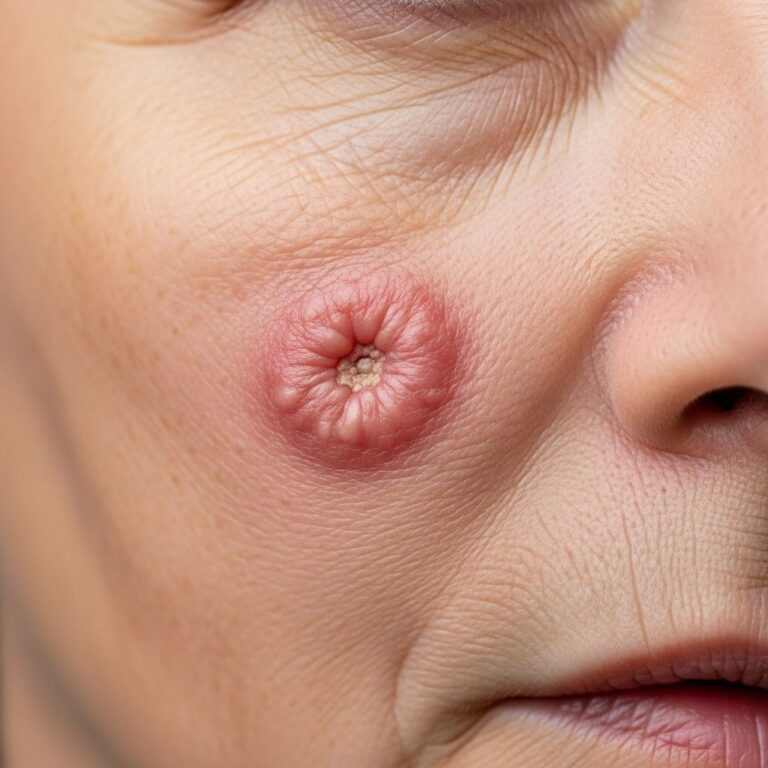
Cellulitis: Symptoms, Causes, Treatment & Recovery
Complete guide to cellulitis: understand bacterial skin infection, recognize symptoms, and learn effective treatment options.
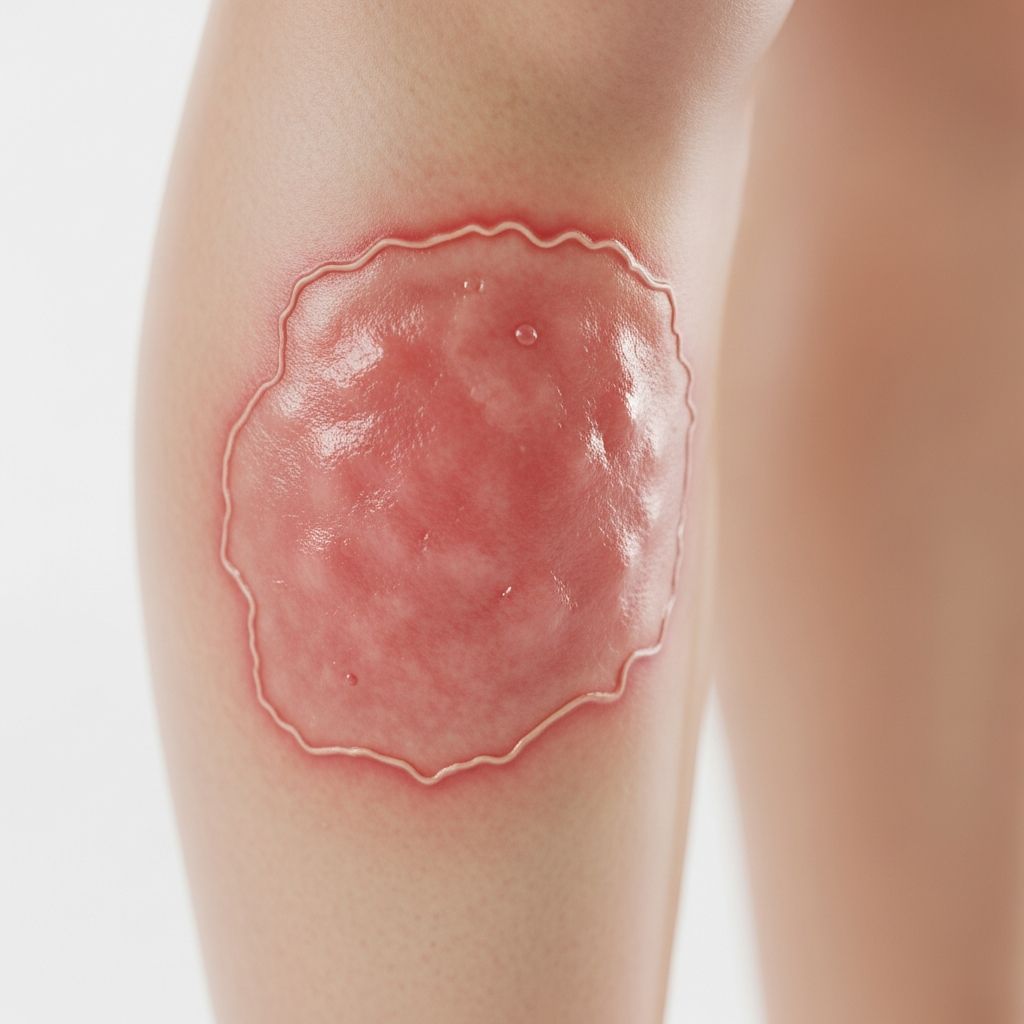
What Is Cellulitis?
Cellulitis is a common bacterial infection of your skin and the tissue beneath your skin that requires prompt medical attention and antibiotic treatment. This acute condition involves inflammation of the deep dermis and surrounding subcutaneous tissue, typically without forming an abscess or purulent collection. The infection develops when bacteria enter your body through a wound or break in the skin, spreading through the tissue layers. Anyone can develop cellulitis, but your risk increases significantly if you have a skin wound that allows bacteria to enter easily or if you have a weakened immune system.
This is an important distinction from cellulite, which is a cosmetic concern involving the collection of fat under your skin causing a dimpled appearance. Cellulitis, by contrast, is a medical condition requiring professional treatment. Understanding the difference and recognizing the signs of cellulitis early can help you receive prompt care and prevent serious complications.
Understanding the Causes and Risk Factors
Cellulitis most commonly develops when bacteria, particularly streptococci or staphylococci species, enter through breaks in your skin. Various circumstances can create these entry points and increase your susceptibility to infection:
- Recent surgical procedures or injuries
- Puncture wounds or lacerations
- Insect or animal bites
- Cuts, scrapes, or abrasions
- Intravenous drug use
- Weakened immune system conditions
- Lymphedema or venous insufficiency
- Obesity
- Diabetes
- Atopic dermatitis or other skin conditions
- Recent travel to areas with high infection rates
Understanding your personal risk factors allows you to take preventive measures and remain vigilant for early symptoms. Patients with recurring cellulitis often have underlying conditions such as tinea pedis, obesity, venous insufficiency, edema, or atopic dermatitis that should be identified and treated to decrease the likelihood of recurrent infections.
Recognizing Cellulitis Symptoms
Early recognition of cellulitis symptoms is crucial for prompt treatment. The condition characteristically presents with specific clinical features that develop over hours or days. Common warning signs include:
- Patches of skin that are swollen, red, painful, and warm to the touch
- Worsening erythema (redness) that spreads outward
- Edema (swelling) of the affected area
- Tenderness and pain in the infected region
- Flaky, dimpling, or pitted skin around the swollen site
- Fever or chills
- Lymphadenopathy (swollen lymph nodes)
Cellulitis most commonly occurs in the lower legs but can appear anywhere on your body, including the toes, arms, face, and belly. The affected area typically feels warm and tender when touched. If you notice these symptoms developing, especially after an injury or skin break, contact your healthcare provider promptly. The condition can progress rapidly, and early treatment prevents serious complications.
How Cellulitis Is Diagnosed
Your healthcare professional will likely be able to diagnose cellulitis by examining your skin and discussing your medical history. The diagnosis is made clinically based on the presence of spreading erythematous inflammation of the deep dermis and subcutaneous tissue. Specifically, two of the four criteria—warmth, erythema, edema, or tenderness—are required to make the diagnosis.
Related Stories



When evaluating patients presenting with cellulitis, clinicians ask for a complete history of the presenting illness, focusing on the context in which the skin changes occurred. Essential questions include whether you recently traveled, experienced any trauma or injuries, have a history of intravenous drug use, or had insect or animal bites to the affected area.
While cellulitis is primarily a clinical diagnosis, you might need blood tests or other diagnostic tests to help rule out other conditions, especially if symptoms are severe or not responding as expected to treatment. These may include blood cultures to identify the causative organism or imaging studies to assess the extent of infection. Culture should be considered for patients who are immunocompromised, not responding to empiric therapy, or those with cellulitis at sites of certain injuries such as animal bite wounds or penetrating injuries.
Treatment Options for Cellulitis
Oral Antibiotic Treatment
Cellulitis treatment typically begins with oral antibiotics prescribed by your healthcare provider. Your healthcare professional will usually prescribe antibiotics taken by mouth such as dicloxacillin or cephalexin. For mild cellulitis without systemic signs of infection, patients should receive antibiotics that target streptococcal species, with consideration for coverage of methicillin-susceptible Staphylococcus aureus (MSSA).
Standard oral antibiotic regimens include cephalexin 500 mg every 6 hours for nonpurulent cellulitis. If you have a severe allergic reaction to beta-lactams, alternative options include clindamycin 300 mg to 450 mg every 6 hours. The duration of oral antibiotic therapy should be for a minimum of 5 days, though your healthcare provider may recommend 5 to 10 days depending on the severity and your response to treatment.
Symptoms typically disappear a few days after you start treatment, though you should continue taking antibiotics for the full prescribed duration even after you feel better. A longer duration of antibiotic treatment may be considered in patients who show minimal improvement within 48 hours of initiating therapy.
Intravenous Antibiotic Treatment
Severe cases of cellulitis may not respond to oral antibiotics and may require hospitalization and intravenous (IV) antibiotics. Your healthcare provider will use a small needle and tube to deliver the antibiotics directly into a vein. Hospitalization with systemic antibiotics may be necessary for patients who present with systemic signs of infection, have failed outpatient treatment, are immunocompromised, exhibit rapidly progressing erythema, are unable to tolerate oral medications, or have cellulitis overlying or near an indwelling medical device.
You may need to be hospitalized if symptoms don’t respond to oral medication, symptoms are extensive, or you have a high fever. For immunocompromised patients with cellulitis, such as those with neutropenia, broad-spectrum antibiotic coverage with vancomycin plus cefepime or meropenem is recommended until blood culture results are available to guide therapy.
Supportive Care Measures
Beyond antibiotics, several supportive measures help relieve your symptoms and promote healing. These include:
- Applying warm compresses to the affected area
- Elevating the affected limb above the level of your heart to reduce edema
- Using compression bandages to minimize swelling
- Taking nonsteroidal anti-inflammatory drugs (NSAIDs) for pain and inflammation relief
- Keeping the area clean and dry
- Resting the affected area when possible
Elevation is particularly important as it helps reduce swelling and promotes blood circulation, facilitating faster recovery. Your healthcare provider may mark the area of erythema to help track whether the infection is spreading or responding to treatment.
When to Seek Medical Attention
You should contact your healthcare provider or seek immediate medical attention if you experience any of the following warning signs:
- The erythema begins to spread or does not respond to antibiotics
- You develop persistent fevers despite antibiotic treatment
- You begin developing significant bullae (fluid-filled blisters)
- The pain worsens instead of improving
- You develop systemic symptoms such as chills or malaise
- Symptoms develop around your eye or face
- You have difficulty taking oral medications
Cellulitis should start resolving within 24 to 48 hours after initiating antibiotics. If you don’t see improvement during this timeframe, your healthcare provider may need to reassess your diagnosis or adjust your treatment approach.
Prevention Strategies
To prevent cellulitis and reduce your risk of infection, practice proper hygiene and wound care:
- Clean any wounds with water and antibacterial soap immediately after injury
- Cover wounds with a clean bandage to reduce infection risk
- Change bandages regularly and keep wounds clean and dry
- Treat underlying skin conditions such as athlete’s foot or eczema promptly
- Maintain good overall hygiene, especially in areas prone to sweating
- Avoid sharing personal items that contact the skin
- Wear protective clothing when engaging in activities with high injury risk
- Manage risk factors such as obesity, diabetes, and venous insufficiency
- Elevate legs regularly if you have lymphedema or venous insufficiency
If you have recurrent cellulitis episodes, your healthcare provider may consider prophylactic antibiotics. For patients experiencing 3 to 4 episodes per year despite treatment of risk factors, options such as benzathine penicillin 1.2 million units intramuscularly monthly or penicillin V or erythromycin 250 mg orally twice daily for 1 to 12 months may be considered.
Recovery Timeline and Expectations
Most patients recover from cellulitis within 7 to 10 days with appropriate antibiotic treatment. However, the exact timeline depends on several factors including the severity of infection, the causative organism, your overall health status, and how quickly you initiate treatment.
During recovery, continue taking all prescribed antibiotics as directed, even if you feel better. Follow your healthcare provider’s instructions regarding wound care, elevation, and activity restrictions. Gradually resume normal activities as symptoms improve, but avoid strenuous exercise until your healthcare provider clears you.
Some patients may experience residual swelling or skin changes even after the infection resolves. These typically improve over weeks to months as the tissue heals completely. If swelling persists or worsens after completing antibiotics, contact your healthcare provider for evaluation.
Complications and When to Worry
While cellulitis typically responds well to antibiotics, untreated or severe infections can lead to serious complications. These may include:
- Abscess formation requiring drainage
- Spreading infection to deeper tissues
- Bacteremia or sepsis
- Lymphangitis (infection of lymphatic vessels)
- Osteomyelitis (bone infection) if infection spreads to bone
- Meningitis if infection spreads to the central nervous system
- Endocarditis in susceptible individuals
Prompt recognition and treatment prevent these serious complications. If you develop signs of systemic infection such as high fever, chills, confusion, or rapidly spreading erythema, seek emergency medical care immediately.
Frequently Asked Questions
Q: What is the fastest way to get rid of cellulitis?
A: The fastest way to treat cellulitis is to see a doctor and receive a course of antibiotics to take care of the infection. Early treatment within the first 24-48 hours provides the best outcomes. Combined with supportive measures like elevation and warm compresses, most cases resolve within 7-10 days.
Q: Can cellulitis be treated at home?
A: Mild cases of cellulitis can often be treated at home with oral antibiotics prescribed by your healthcare provider, combined with elevation, warm compresses, and NSAIDs for symptom relief. However, you must still see a healthcare professional for diagnosis and prescription antibiotics. Severe cases require hospitalization and IV antibiotics.
Q: How long do I need to take antibiotics for cellulitis?
A: The typical duration of oral antibiotic therapy is a minimum of 5 days, though your healthcare provider may recommend 5 to 10 days depending on severity and response to treatment. It’s important to complete the full course even if symptoms improve earlier.
Q: What should I do if cellulitis doesn’t improve with antibiotics?
A: If cellulitis doesn’t respond to oral antibiotics within 48 hours, contact your healthcare provider. You may need hospitalization for IV antibiotics, or your provider may need to reassess the diagnosis or adjust treatment based on culture results and clinical response.
Q: Can cellulitis come back?
A: Yes, cellulitis can recur, especially in patients with risk factors such as tinea pedis, obesity, venous insufficiency, edema, and atopic dermatitis. These underlying conditions should be identified and treated to decrease the likelihood of recurrent cellulitis. Some patients with frequent recurrences may benefit from prophylactic antibiotics.
Q: Is cellulitis contagious?
A: Cellulitis itself is not contagious from person to person in the typical sense. However, the bacteria causing cellulitis can potentially spread if there is direct contact with the infection site and entry through broken skin of another person.
Q: How is cellulitis different from cellulite?
A: Cellulitis is an acute bacterial skin infection requiring medical treatment with antibiotics. Cellulite is a cosmetic concern involving the collection of fat under your skin, causing a dimpled appearance. They are entirely different conditions requiring different approaches.
References
- Cellulitis — NCBI Bookshelf, StatPearls, National Institute of Health. 2024. https://www.ncbi.nlm.nih.gov/books/NBK549770/
- Cellulitis: Diagnosis & Treatment — Mayo Clinic. 2024. https://www.mayoclinic.org/diseases-conditions/cellulitis/diagnosis-treatment/drc-20370766
- Cellulitis: Symptoms, Causes, Treatment & Recovery — Cleveland Clinic. 2024. https://my.clevelandclinic.org/health/diseases/15071-cellulitis
- Cellulitis: Dermatologic Disorders — Merck Manuals Professional Edition. 2024. https://www.merckmanuals.com/professional/dermatologic-disorders/bacterial-skin-infections/cellulitis
- Cellulitis: Symptoms, Causes, Treatments & More — WebMD. 2024. https://www.webmd.com/skin-problems-and-treatments/cellulitis
Similar Articles








Read full bio of medha deb