Cellulitis: Comprehensive Guide To Symptoms, Causes, Treatment
Comprehensive guide to cellulitis: Understanding bacterial skin infections and effective treatment options.
Cellulitis: A Comprehensive Overview
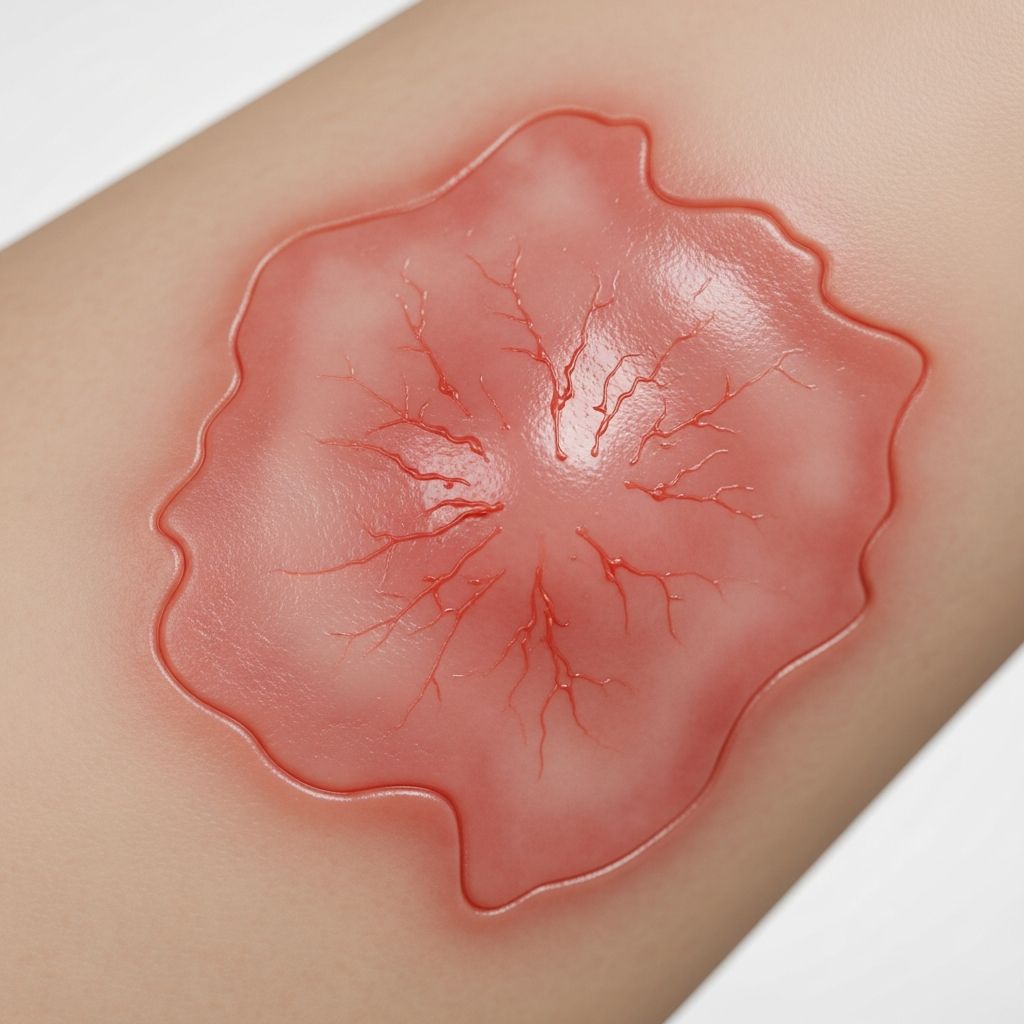
Cellulitis is a common bacterial skin infection that affects the lower dermis and subcutaneous tissue layers of the skin. It presents as a localized area of red, painful, and swollen skin, often accompanied by systemic symptoms such as fever and malaise. If left untreated, cellulitis can become life-threatening, making early recognition and treatment essential.
Understanding Cellulitis Demographics
Cellulitis can affect individuals across all age groups and demographics. However, certain populations are at higher risk, including older adults, young children, and those with compromised immune systems. The infection can develop in anyone with a break in the skin barrier, making it one of the most common bacterial skin infections encountered in clinical practice.
Causes of Cellulitis
Cellulitis develops when bacteria enter the skin through breaks in the skin barrier. Common causes include:
- Scratching skin with dirty fingernails carrying bacteria
- Cuts, abrasions, or puncture wounds
- Insect bites or stings
- Surgical wounds or recent surgical procedures
- Existing skin conditions that increase itching, such as eczema or athlete’s foot
- Animal bites
- Intravenous drug use sites
The most common causative bacteria are those normally present on the skin surface. Once bacteria enter the deeper layers of skin, they trigger an inflammatory response, causing redness and swelling that can spread rapidly over hours to days. It is important to note that cellulitis cannot be caught from another person, as it affects only the deeper skin layers and is not transmitted through contact.
Clinical Features and Symptoms
The clinical presentation of cellulitis is characterized by several distinctive features affecting the infected area:
- Localized redness: The affected skin appears distinctly red and inflamed
- Pain and tenderness: The area is painful or tender to touch
- Swelling: The skin becomes noticeably swollen
- Warmth: The affected area feels hot to the touch
- Systemic symptoms: Fever, rigors (shaking chills), and malaise may occur
In severe cases, the infection may progress to include bullae (blisters), ulceration, and tissue necrosis. Although cellulitis may occur on any part of the body, it most frequently affects the face, hands, and lower legs. The affected area typically grows larger and can spread quite rapidly, sometimes within hours to a few days. In severe presentations, blisters may form, and the infection can spread across larger body areas.
Associated Conditions
Cellulitis may be associated with lymphangitis and lymphadenitis, which involve bacterial spread within lymph vessels and local lymph glands. When these conditions coexist, a characteristic red line may track from the infection site to nearby tender, swollen lymph glands. This finding, known as lymphangitis, indicates that the infection is spreading through the lymphatic system and requires prompt treatment.
Diagnosis of Cellulitis
Cellulitis is primarily diagnosed through clinical examination and patient history. A healthcare provider will assess the affected area for characteristic signs including redness, warmth, swelling, and pain. The diagnosis is typically clinical and does not routinely require laboratory confirmation, though blood cultures may be taken in severe cases or hospitalized patients.
Related Stories



A helpful diagnostic technique involves marking the edge of the red area with a marker pen. Patients should not wash off this marking, as it allows healthcare providers to monitor whether the infection is improving by comparing the current border to the marked line on follow-up visits.
Differential Diagnoses
Several conditions may resemble cellulitis and must be distinguished to ensure appropriate treatment:
- Contact dermatitis: Results from allergic reactions, often to plants, and presents asymmetrically with surface blistering; patients are systemically well without fever
- Gravitational dermatitis: Related to venous insufficiency rather than infection
- Vasculitis: An inflammatory condition of blood vessels that may mimic cellulitis
- Thrombophlebitis: Vein inflammation resulting in a tender red or purple subcutaneous ‘cord’ with swelling
- Deep venous thrombosis: Presents with pain and swelling without redness or blistering, and positive Homan’s sign
- Necrotizing fasciitis: A life-threatening condition presenting with severe pain, swelling, fever, rapid progression, severe systemic toxicity, skin crepitus, and ecchymosis
When differential diagnoses are uncertain, it is considered safe to prescribe antibiotics for cellulitis while also providing topical steroids for a few days, particularly when allergic contact dermatitis is suspected.
Complications of Cellulitis
Without appropriate treatment, cellulitis can progress to serious complications. These include spread of infection through lymphatic vessels, development of abscesses, sepsis, and in severe cases, life-threatening systemic infection. Severe cellulitis may result in tissue necrosis and permanent scarring, particularly when involving the face or other cosmetically sensitive areas.
Treatment Approaches
Mild Cellulitis Management
For mild cellulitis affecting a small area of skin without signs of systemic illness or extensive infection, oral antibiotics administered at home represent the standard approach. Treatment typically includes:
- Oral antibiotic therapy for a minimum of 5–10 days
- In some cases, antibiotics continued until all signs of infection have cleared, sometimes for several months
- Oral flucloxacillin as first-line treatment for mild to moderate cellulitis
- Symptom monitoring, with expected improvement beginning after the first 48 hours
Most people achieve full recovery after 7–10 days of appropriate antibiotic therapy. It is essential to complete the full course of antibiotics even when symptoms improve, as infection may remain under the skin that is not visible.
Moderate to Severe Cellulitis Management
More severe cellulitis with systemic symptoms requires hospitalization and intensive treatment. Management includes:
- Intravenous antibiotics for immediate bacterial control
- Fluid support and hydration
- Oxygen therapy when needed
- Rest and elevation of the affected limb
- Monitoring and adjustment of antibiotic therapy based on culture and susceptibility reports
The choice of antibiotics depends on local protocols based on prevalent organisms and their resistance patterns. Community-based intravenous antibiotic treatment programs are sometimes available for patients with moderate cellulitis who have not responded to oral flucloxacillin.
Adjunctive Antibiotic Strategies
In some cases, oral probenecid is added to maintain therapeutic antibiotic levels in the bloodstream. Probenecid works by prolonging the time antibiotics remain in the system, making them more effective. However, probenecid is prohibited by the World Anti-Doping Agency and should not be prescribed to elite athletes.
Treatment may be switched from intravenous to oral antibiotics once fever has settled, cellulitis has regressed, and inflammatory markers such as C-reactive protein (CRP) are reducing.
Treatment Considerations and Follow-up
Patients should contact their healthcare provider if they do not begin to feel better 2–3 days after starting antibiotics. Symptoms may worsen slightly during the first 48 hours of treatment before improvement begins. After successful treatment, the skin may flake or peel off as it heals, which can be itchy.
If cellulitis involves the area near the eye, referral to an eye specialist (ophthalmologist) may be necessary. Similarly, patients may be seen by a skin specialist (dermatologist) for persistent or recurrent cases.
Prevention of Cellulitis
Several preventive measures can reduce the risk of developing cellulitis:
- Keep skin clean and well-moisturized, as dry skin causes cracks that increase cellulitis risk
- Clean cuts or wounds promptly with soap and water
- Prevent cuts and scrapes by wearing protective clothing and footwear
- Keep fingernails short and avoid scratching the skin
- Treat breaks in skin caused by conditions such as athlete’s foot or eczema
- Address tinea pedis (athlete’s foot) actively, as fissured toe clefts predispose to recurrence
- Maintain proper wound care and tetanus immunization status, particularly after cuts or bites
Recurrent Cellulitis Management
Cellulitis and erysipelas may recur in the same site. For patients with persistent recurrence, prolonged courses of penicillin are sometimes prescribed prophylactically. Additionally, prophylactic compression stockings may help manage persistent lymphedema that predisposes to recurrent infection.
Special Considerations
Cellulitis in Children
Children with cellulitis may present similarly to adults but require careful monitoring. Parents should seek medical help straight away if the affected area is near the eye, if the child develops flu-like symptoms, or if the child is very young.
Immunocompromised Patients
Patients with weakened immune systems require prompt medical attention and may need more aggressive treatment. Early intervention is particularly important in this population to prevent serious complications.
Frequently Asked Questions
Q: Can cellulitis be contagious?
A: No, cellulitis cannot be caught from another person. It affects only the deeper layers of skin and is not transmitted through contact with an infected person.
Q: How long does cellulitis treatment typically take?
A: Most people achieve full recovery within 7–10 days of appropriate antibiotic treatment. Symptoms should begin improving after 48 hours of starting antibiotics.
Q: What should I do if my cellulitis is not improving after starting antibiotics?
A: Contact your healthcare provider if you do not feel better 2–3 days after starting antibiotics. They may need to adjust your treatment or refer you to hospital care.
Q: Is it safe to stop taking antibiotics once I feel better?
A: No, it is important to complete the full course of antibiotics even when symptoms improve, as there may be infection under the skin that is not visible. Stopping early may allow the infection to return.
Q: When should I seek emergency medical care for cellulitis?
A: Seek immediate medical help if cellulitis is near your eye, if you develop flu-like symptoms, if you have a weakened immune system, or if you are very young or elderly. These situations may indicate more serious infection requiring hospitalization.
References
- Cellulitis: Symptoms, Causes, Treatment and more — DermNet. Accessed January 2026. https://dermnetnz.org/topics/cellulitis
- Cellulitis – Bacterial skin infections — DermNet. Accessed January 2026. https://dermnetnz.org/cme/bacterial-infections/cellulitis
- Cellulitis — NHS. Accessed January 2026. https://www.nhs.uk/conditions/cellulitis/
- Cellulitis | Pokenga kiri — Healthify. Accessed January 2026. https://healthify.nz/health-a-z/c/cellulitis
- Cellulitis: skin deep and spreading across New Zealand — Best Practice Journal (BPJ) 68. June 2015. https://bpac.org.nz/bpj/2015/june/cellulitis.aspx
- Cellulitis in children and teenagers — Raising Children Australia. Accessed January 2026. https://raisingchildren.net.au/guides/a-z-health-reference/cellulitis
Similar Articles








Read full bio of Sneha Tete