Cellulitis Symptoms: Early Warning Signs And Serious Indicators
Recognize the early warning signs of cellulitis, a serious bacterial skin infection, and learn when to seek urgent medical care.
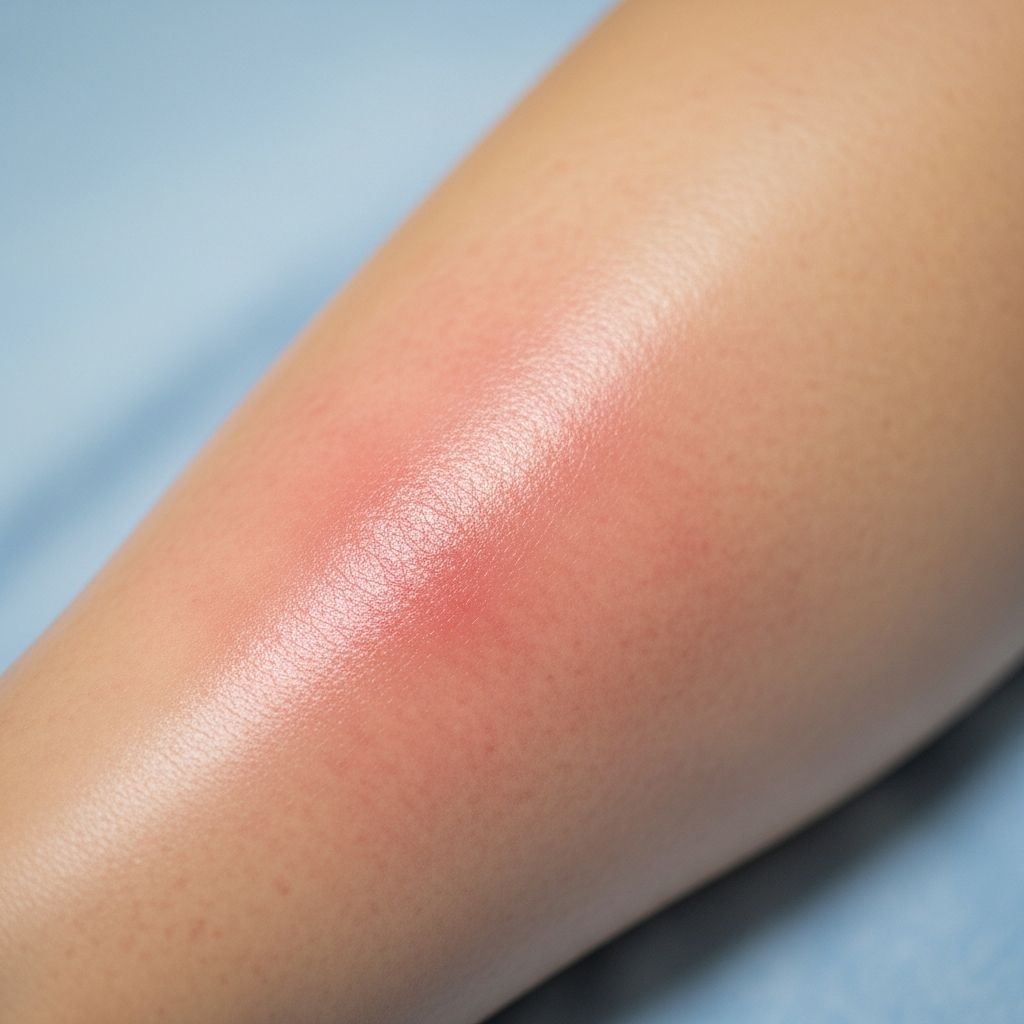
Cellulitis is a common but potentially serious bacterial skin infection that affects the deeper layers of the skin and underlying tissues. It typically presents as a rapidly spreading area of redness, swelling, warmth, and pain, often on the lower legs but possible anywhere on the body. Prompt recognition of symptoms is crucial, as untreated cellulitis can lead to complications like bloodstream infections or tissue damage.
What Is Cellulitis?
Cellulitis (pronounced sel-u-LIE-tis) occurs when bacteria, most commonly streptococci or staphylococci, enter through a crack or break in the skin. This triggers an inflammatory response in the dermis and subcutaneous fat, leading to localized and sometimes systemic symptoms. Unlike superficial infections, cellulitis involves deeper tissues, distinguishing it from conditions like erysipelas, which has sharper borders. In the United States, it accounts for over 14 million cases annually, with significant healthcare costs and hospitalizations. The infection spreads quickly if not treated, emphasizing the need for early intervention with antibiotics.
Cellulitis Symptoms
Symptoms of cellulitis usually develop suddenly and worsen rapidly within the first 24 hours. The affected skin becomes red, inflamed, swollen, warm, and tender, often expanding outward. Early signs may mimic milder issues, but progression signals urgency.
- Redness or inflammation: A poorly defined patch of red, violet, or brown skin that enlarges over time, sometimes with an orange-peel texture or dimpling.
- Swelling (edema): Tight, glossy, stretched skin due to fluid buildup.
- Pain or tenderness: Increasing discomfort, sometimes severe and out of proportion to visible changes.
- Warmth: The area feels hot to the touch compared to surrounding skin.
- Skin changes: Blisters, spots, sores, or ulcers leaking clear, yellow, or pus-like fluid.
Systemic symptoms indicate more severe involvement and require immediate attention.
- Fever with chills and sweating: Often accompanied by fatigue or muscle aches.
- Nausea, vomiting, or malaise: General unwell feeling with joint stiffness from swelling.
- Enlarged lymph nodes: Near the affected area.
Early Signs of Cellulitis
Recognizing early cellulitis can prevent progression. Initial symptoms are often subtle: itchy or painful skin, small red patches, mild swelling, or warmth following minor trauma like a cut or insect bite. These may appear on legs, arms, face, or trunk. Draw a line around the red area with a marker to track spread—if it advances beyond the line, seek care promptly. Unlike rashes from allergies, cellulitis worsens quickly and feels warm. High-risk early indicators include rapid growth in 24 hours or accompanying fever.
Symptoms of Severe Cellulitis
Severe cellulitis demands emergency evaluation. Watch for escalating signs signaling deeper spread or systemic effects.
- Worsening or spreading redness, especially encircling a limb.
- High fever unresponsive to treatment, chills, weakness, or dizziness.
- Discolored lines (lymphangitis) radiating from the rash.
- Abscess (pus pocket), numbness, blackened skin, or blisters.
- Pain disproportionate to exam findings, rapid breathing, confusion, or low blood pressure—hallmarks of sepsis.
Locations like the face, eyes, or neck heighten risks, potentially causing vision loss, airway obstruction, or brain involvement.
Cellulitis Causes and Risk Factors
Bacteria enter via skin breaks from cuts, ulcers, surgical wounds, burns, dry/cracked skin, or athlete’s foot. Pre-existing conditions amplify vulnerability.
Related Stories



- Chronic illnesses: Diabetes, obesity, poor circulation, lymphedema, or weakened immunity.
- Lifestyle factors: Smoking, IV drug use.
- Skin conditions: Eczema, psoriasis prompting scratching.
- Recent events: Surgery, piercings, tattoos, or animal bites.
Lower extremities are most common due to gravity-related swelling.
How Cellulitis Is Diagnosed
Diagnosis relies on clinical exam: history of skin breach, erythema, warmth, swelling, tenderness (at least two cardinal signs). Blood tests check for elevated white cells or infection markers; imaging like ultrasound rules out abscess or clots. Cultures from wounds guide antibiotics if possible, though often empiric therapy starts immediately. Differentials include deep vein thrombosis (unilateral leg pain without fever) or necrotizing fasciitis (crepitus, severe pain).
Cellulitis Treatment
Antibiotics are first-line, targeting streptococci/staphylococci. Oral for mild cases (e.g., cephalexin); IV for severe. Improvement expected in 48-72 hours: fading redness, less pain/fever. Full course (7-14 days) prevents relapse. Elevate affected limb, use pain relievers, warm compresses. Hospitalization for complications, drainage of abscesses, or hyperbaric oxygen in resistant cases.
| Symptom | Mild Cellulitis | Severe Cellulitis |
| Symptom | Mild | Severe |
|---|---|---|
| Redness/Swelling | Localized, slow spread | Rapid, circumferential |
| Pain | Tender | Out of proportion |
| Fever | Low-grade | High, persistent |
| Systemic | Mild fatigue | Sepsis signs (confusion) |
Complications of Cellulitis
Untreated, bacteria can invade blood (bacteremia), causing sepsis: fast heart rate, confusion, organ failure. Rare but deadly: necrotizing fasciitis (tissue death requiring surgery). Recurrent cellulitis risks chronic swelling.
Prevention of Cellulitis
Protect skin: moisturize, treat athlete’s foot, manage diabetes/weight. Clean wounds promptly, watch for infection signs. Compression stockings for lymphedema.
When to See a Doctor for Cellulitis
Seek care for any suspected cellulitis, urgently if fever, spreading rash, or severe pain. ER for systemic symptoms or high-risk sites.
How to Tell if Cellulitis Is Healing
Antibiotics work if redness halts (check marker line), pain eases, fever resolves in 2-3 days. Persistent worsening needs re-evaluation.
Frequently Asked Questions (FAQs)
What does cellulitis look like?
A red, swollen, warm, tender patch expanding rapidly, possibly with blisters or fever.
Is cellulitis contagious?
No, but bacteria can spread via open wounds; practice hygiene.
How long does cellulitis last?
With antibiotics, 7-14 days; full recovery varies.
Can cellulitis be fatal?
Rarely, if leading to sepsis; early treatment prevents this.
What happens if cellulitis is left untreated?
It spreads, risking abscess, sepsis, or tissue necrosis.
References
- Cellulitis: MedlinePlus Medical Encyclopedia — MedlinePlus (NIH). 2023. https://medlineplus.gov/ency/article/000855.htm
- Cellulitis – symptoms, treatment and causes — healthdirect.gov.au. 2024. https://www.healthdirect.gov.au/cellulitis
- When to Worry About Cellulitis: 5 Signs (With Images) — GoodRx. 2024. https://www.goodrx.com/conditions/skin-infection/er-for-cellulitis
- Cellulitis – Symptoms & causes — Mayo Clinic. 2023-10-20. https://www.mayoclinic.org/diseases-conditions/cellulitis/symptoms-causes/syc-20370762
- Cellulitis – StatPearls — NCBI Bookshelf (NIH). 2023-08-08. https://www.ncbi.nlm.nih.gov/books/NBK549770/
Similar Articles








Read full bio of medha deb