Cellulitis: Complete Guide To Symptoms, Treatment, & Prevention
Comprehensive guide to cellulitis: causes, symptoms, diagnosis, treatment, and prevention of this common bacterial skin infection.
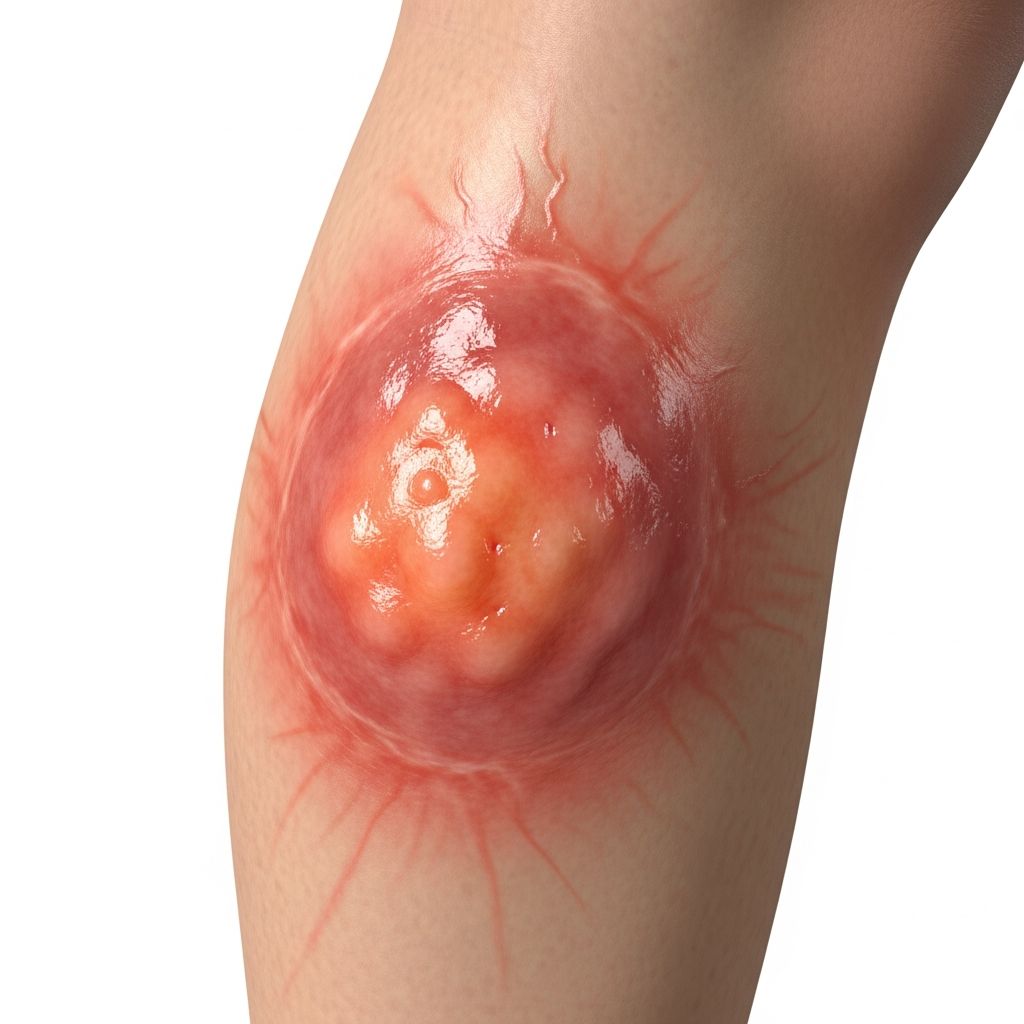
Cellulitis is an acute bacterial infection involving the deeper layers of the skin and subcutaneous tissue, characterised by spreading erythema, oedema, and warmth.
Introduction
Cellulitis is a common bacterial skin infection of the lower dermis and subcutaneous tissue. It results in a localised area of red, painful, swollen skin, and may be accompanied by systemic symptoms such as fever and malaise. If untreated, it can lead to serious complications including abscess formation, bacteraemia, and necrotising fasciitis.
The infection typically enters through a breach in the skin barrier, such as cuts, abrasions, or chronic skin conditions. It most commonly affects the lower legs but can occur on any body part, including the face and arms.
Demographics
Cellulitis affects people of all ages, but certain groups are at higher risk. Older adults, young children, and individuals with weakened immune systems, diabetes, obesity, or peripheral vascular disease experience higher incidence rates.
In New Zealand, cellulitis contributes significantly to hospital admissions, particularly among those with recurrent episodes or comorbidities like tinea pedis and eczema. Adults and children with uncomplicated cases are often managed in primary care, while severe cases require hospitalisation.
Who gets cellulitis?
Anyone can develop cellulitis following a skin injury or breach, but risk factors increase susceptibility:
- Pre-existing skin conditions: eczema, psoriasis, athlete’s foot (tinea pedis), or dry/cracked skin.
- Skin trauma: cuts, abrasions, burns, insect bites, surgical wounds, or IV sites.
- Systemic conditions: diabetes, obesity, lymphedema, peripheral artery disease, or immunosuppression (e.g., HIV, chemotherapy).
- Recurrent episodes, especially in lower limbs.
- Children and elderly due to thinner skin or reduced mobility.
Causes
Cellulitis is primarily caused by beta-haemolytic streptococci, such as Streptococcus pyogenes (Group A), and less commonly Staphylococcus aureus, including methicillin-resistant strains (MRSA).
Other organisms include Group B, C, and G streptococci, Pasteurella multocida (from animal bites), Vibrio vulnificus (in saltwater exposure), and gram-negative bacilli in immunocompromised patients. Entry occurs via minor skin disruptions, often undetectable.
Common triggers include scratching itchy skin (e.g., from eczema), dirty fingernails carrying bacteria, or fungal infections like athlete’s foot leading to cracks.
Clinical features
Early cellulitis presents with localised pain, tenderness, erythema (redness), heat, and swelling in the affected area. The redness spreads rapidly, often over hours to days, and is typically unilateral.
Skin signs progress to:
- Diffuse erythema with poorly defined margins (distinguishing from erysipelas, which has sharp borders).
- Oedema causing pitting or non-pitting swelling.
- Tenderness to touch and increased warmth.
- Bullae (blisters), vesicles, or pustules in moderate cases.
- Orange/purple skin pseudovesicles or necrosis in severe infections.
Systemic symptoms include fever, chills (rigors), malaise, and lymphangitis (red streaks tracking to lymph nodes) with regional lymphadenopathy. Severe cases show hypotension, confusion, or bullae with necrosis.
Lower leg cellulitis
The lower leg is the most frequent site due to dependent oedema, venous insufficiency, and trauma. Erythema ascends proximally, with marked swelling and pain. Patients may report recent tinea pedis or minor trauma.
Related Stories



Periorbital and facial cellulitis
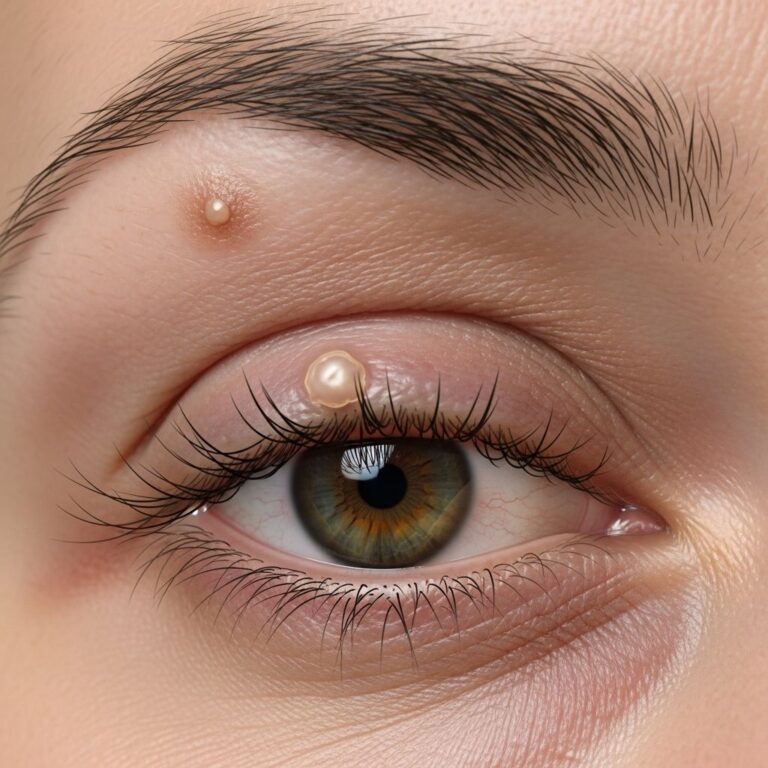
Facial cellulitis, especially periorbital, is common in children from sinusitis or insect bites. Adults may develop it post-dental procedures or sinus infections. Features include eyelid swelling, proptosis, and chemosis; urgent ophthalmology referral is needed if vision is threatened.
Complications
Untreated cellulitis can lead to:
- Abscess formation: Local pus collection requiring drainage.
- Lymphoedema: Chronic swelling from lymphatic damage, increasing recurrence risk.
- Bacteraemia/sepsis: Systemic spread causing shock.
- Necrotising fasciitis: Rapidly progressive, tissue-necrotising infection with high mortality; look for crepitus, bullae, and severe pain.
- Guillain-Barré syndrome or glomerulonephritis (post-streptococcal).
Recurrence occurs in 30% of cases, particularly with risk factors like lymphedema.
Diagnosis
Diagnosis is clinical, based on history and examination showing spreading erythema, warmth, swelling, and systemic signs. No routine blood tests are needed for uncomplicated cases, but consider:
Investigations for severe/recurrent cellulitis:
| Test | Purpose |
|---|---|
| Full blood count (FBC) | Leucocytosis indicates infection severity. |
| C-reactive protein (CRP) | Monitors response (falling CRP guides switch to oral antibiotics). |
| Blood cultures | If systemic symptoms or immunocompromised. |
| Skin swab/culture | From bullae or ulcers; low yield. |
| Ultrasound/MRI | For abscess or deep extension. |
Differential diagnoses
Key differentials include:
- Erysipelas: Superficial, sharp-bordered erythema with more swelling; same treatment.
- Deep vein thrombosis (DVT): Calf pain, no fever, positive Homan’s sign.
- Contact dermatitis: Itchy, bilateral, history of exposure.
- Boils/carbuncles: Focal pus, not spreading.
- Necrotising fasciitis: Severe pain, crepitus, systemic toxicity.
- Osteomyelitis: Bone pain, chronic course.
Treat empirically if doubt exists; adding topical steroid is safe short-term.
Treatment
Treatment depends on severity:
Mild cellulitis
Oral antibiotics: flucloxacillin 500mg QID for 5-7 days (adults). Children: 12.5mg/kg QID. Elevate limb, analgesia, rest.
Moderate cellulitis
Oral flucloxacillin + probenecid (to prolong levels). Alternatives: cefalexin if penicillin-allergic.
Severe cellulitis
IV antibiotics (e.g., cefazolin or flucloxacillin), fluids, hospitalisation. Switch to oral when afebrile, CRP falling, and skin improving (usually 48-72 hours).
For MRSA suspicion or animal bites, add vancomycin or adjust per cultures. Duration: 7-14 days; complete course even if improved.
Management
Supportive care:
- Elevate affected limb to reduce swelling.
- Analgesia (paracetamol/NSAIDs).
- Immobilise if needed.
- Check tetanus status for wounds.
Recurrent cellulitis: Prophylactic low-dose penicillin V 250mg BD for 6-12 months.
Monitor for non-response (worsening after 48 hours): reassess for abscess, resistance, or alternative diagnosis.
Prevention
Prevent recurrence by:
- Maintaining skin integrity: moisturise daily, treat eczema/tinea promptly.
- Cleaning wounds with soap/water, covering with dressings.
- Short nails, gloves for gardening, protective footwear.
- Compression stockings for venous insufficiency.
- Daily foot checks for diabetics.
Frequently Asked Questions (FAQs)
What does cellulitis look like?
Red, hot, swollen, tender skin that spreads quickly, often with fever. Blisters may form.
How long does cellulitis take to heal?
With antibiotics, improvement in 1-3 days; full resolution in 7-14 days. Complete the course.
Is cellulitis contagious?
No, as it affects deeper skin layers, not spread person-to-person.
When to seek urgent care?
If near eye, facial, spreading rapidly, fever, chills, confusion, or no improvement on antibiotics.
Can cellulitis recur?
Yes, up to 30%; prophylaxis may be needed for frequent cases.
References
- Cellulitis | Healthify — Healthify NZ. 2023. https://healthify.nz/health-a-z/c/cellulitis
- Cellulitis: skin deep and spreading across New Zealand — bpac.org.nz. 2015-06-01. https://bpac.org.nz/bpj/2015/june/cellulitis.aspx
- Cellulitis – Bacterial skin infections — DermNet NZ. 2024. https://dermnetnz.org/cme/bacterial-infections/cellulitis
- Cellulitis: Symptoms, Causes, Treatment and more — DermNet NZ. 2024. https://dermnetnz.org/topics/cellulitis
- Cellulitis – StatPearls — NCBI Bookshelf, NIH. 2023-08-08. https://www.ncbi.nlm.nih.gov/books/NBK549770/
Similar Articles








Read full bio of medha deb