Central Retinal Vein Occlusion: Causes, Symptoms, and Treatment
Complete guide to understanding CRVO and protecting your vision
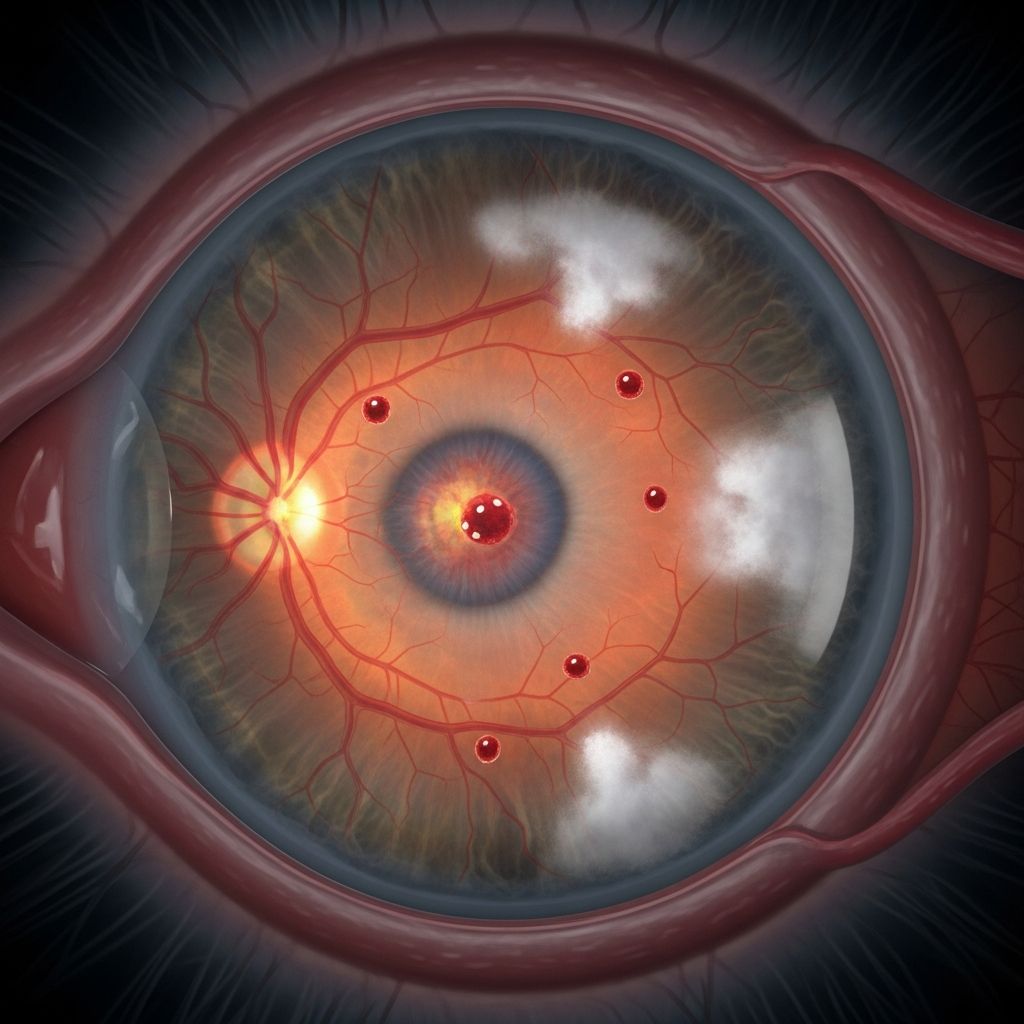
The retina, a light-sensitive tissue lining the back of the eye, depends on a complex network of blood vessels to deliver oxygen and remove metabolic waste. When the primary vein responsible for draining blood from the retina becomes blocked, a serious condition known as central retinal vein occlusion (CRVO) develops. This vascular emergency can result in sudden, painless vision loss and requires prompt medical evaluation to prevent permanent damage to eyesight.
What Happens Inside Your Eye: The Anatomy of Retinal Circulation
The central retinal vein is the main drainage vessel that carries deoxygenated blood away from the retina. This vessel travels alongside the central retinal artery, sharing a common connective tissue sheath as it exits the eye through the optic nerve. When blood flow through this critical vein becomes obstructed, blood and fluid accumulate within the retinal tissue, triggering a cascade of damaging effects.
Understanding the underlying mechanism helps explain why CRVO causes such significant vision problems. The blockage increases pressure within the retinal circulation, reduces oxygen delivery to retinal cells, and triggers the release of inflammatory substances. These changes lead to swelling, bleeding, and progressive damage to the light-sensitive photoreceptor cells that enable vision.
Understanding the Root Causes Behind Retinal Vein Blockage
Central retinal vein occlusion typically results from thrombosis—the formation of a blood clot that obstructs the vein. However, the condition can develop through multiple pathophysiological pathways:
- Arterial compression: The central retinal artery and vein share a common anatomical pathway. When the artery hardens through atherosclerosis, it can compress the adjacent vein, restricting blood flow
- Venous stasis: Reduced blood flow velocity within the vein increases the likelihood of clot formation
- Endothelial damage: Injury to the inner lining of the blood vessel exposes underlying structures that trigger clot formation
- Hypercoagulability: Conditions that increase blood clotting tendency create a higher risk environment for thrombosis
- Elevated intraocular pressure: Glaucoma or other conditions that increase pressure within the eye can compromise venous outflow, promoting blood stasis
Identifying Your Risk Factors for Developing CRVO
While the exact cause of CRVO remains unclear in many cases, certain health conditions and demographic factors significantly increase susceptibility. Most patients develop the condition in only one eye, though careful monitoring of the unaffected eye remains important.
Age-related risk: CRVO becomes increasingly common after age 50, making it a leading cause of vision loss in older populations. The aging process brings natural changes in blood vessel elasticity and increases the prevalence of underlying vascular disease.
Systemic vascular diseases: Conditions that damage blood vessels throughout the body substantially elevate CRVO risk:
- High blood pressure (hypertension)
- High cholesterol levels
- Diabetes mellitus
- Atherosclerosis (hardening of the arteries)
Related Stories



Blood disorders and inflammatory conditions: Problems affecting blood clotting mechanisms increase the propensity for vein occlusion. These include hypercoagulable states, thrombophilia, and systemic inflammatory conditions.
Behavioral and lifestyle factors: Smoking substantially elevates CRVO risk by damaging blood vessel linings and promoting atherosclerotic changes. Sedentary lifestyle and obesity compound cardiovascular risk.
Ocular conditions: Glaucoma, characterized by elevated intraocular pressure, ranks among the most significant eye-specific risk factors. Some eye surgeries and conditions affecting the optic nerve also increase susceptibility.
Recognizing Symptoms: How CRVO Affects Your Vision
Central retinal vein occlusion produces a spectrum of visual symptoms depending on the occlusion severity and whether it is ischemic or non-ischemic. Many patients describe symptom onset as sudden and painless, distinguishing it from other serious eye conditions that may cause discomfort.
Common visual complaints include:
- Blurred or distorted vision in the affected eye
- Sudden vision loss ranging from mild to severe
- Dark spots, floaters, or floating lines in the visual field
- Reduced color vision perception
- Peripheral vision loss or blind spots
Asymptomatic presentations: Mild CRVO may produce no noticeable symptoms initially. Some patients experience transient visual obscurations—temporary dimming or blurring episodes that come and go. These patients often discover the condition incidentally during routine eye examinations.
Severe complications with pain: When CRVO triggers secondary complications such as neovascular glaucoma, patients may develop eye pain, redness, and significant irritation. These symptoms require urgent intervention to prevent permanent vision loss and eye damage.
Distinguishing Between Ischemic and Non-Ischemic CRVO
Ophthalmologists classify central retinal vein occlusions into two categories based on the extent of retinal tissue oxygen deprivation:
Non-ischemic CRVO: This form involves less extensive tissue damage and generally carries a better visual prognosis. Fundoscopic examination reveals tortuosity and mild dilation of retinal veins with hemorrhages visible in various quadrants. Patients with non-ischemic CRVO retain relatively better visual function and have greater potential for spontaneous improvement.
Ischemic CRVO: This more severe form develops when substantial portions of the retina experience oxygen deprivation. These patients demonstrate significantly reduced vision with diminished potential for recovery. Examination findings include marked retinal swelling, prominent venous dilation, and extensive hemorrhage throughout all four quadrants of the retina. Most importantly, ischemic CRVO frequently triggers the development of new abnormal blood vessels, increasing the risk of serious complications.
The Diagnostic Process: How Eye Specialists Identify CRVO
Prompt and accurate diagnosis forms the foundation for effective CRVO management. During a comprehensive eye examination, your eye care provider performs several key assessments:
Medical history and symptom evaluation: Discussing when vision changes began, how rapidly they progressed, and whether the eye pain or discomfort accompanies the visual symptoms helps establish the clinical picture.
Visual acuity testing: Standard vision charts measure how clearly you can see. CRVO typically causes measurable reductions in visual acuity, though some patients maintain relatively better vision in mild cases.
Fundoscopic examination: Your ophthalmologist uses a specialized magnifying instrument to examine the retina directly. The characteristic appearance of CRVO has been described as a “blood and thunder” appearance due to the extensive retinal hemorrhages. Additional findings may include cotton wool spots, optic disc swelling, and damage to the retinal nerve fiber layer.
Pupillary assessment: An afferent pupillary defect—abnormal pupil response—may be present in the affected eye.
Advanced imaging studies: Optical coherence tomography (OCT) provides detailed cross-sectional images of retinal structure, allowing measurement of macular swelling and assessment of photoreceptor integrity. Fluorescein angiography reveals the vascular circulation patterns and identifies areas of retinal ischemia.
Serious Complications That Demand Prompt Treatment
Central retinal vein occlusion initiates a pathological cascade that can lead to sight-threatening complications if left untreated:
Macular edema: Swelling of the macula—the central retina responsible for detailed vision—stands as the most common complication causing vision loss. This edema develops from fluid accumulation triggered by inflammatory mediators and vascular endothelial growth factor (VEGF) released in response to retinal hypoxia.
Neovascular glaucoma: Retinal ischemia stimulates the growth of abnormal new blood vessels, a process called neovascularization. When these fragile vessels develop on the iris and in the eye’s drainage angle, they obstruct normal fluid outflow, causing rapid intraocular pressure elevation. This secondary glaucoma represents a serious threat requiring aggressive management.
Vitreous hemorrhage: New blood vessels in the retina are fragile and prone to bleeding into the vitreous gel that fills the eye’s interior. This hemorrhage can suddenly obscure vision and may require surgical intervention.
Retinal atrophy: Chronic hypoxia and inflammation lead to progressive death of retinal tissue, resulting in permanent visual field loss.
Treatment Approaches for Vision Preservation
While no treatment can reverse the vascular blockage itself, several evidence-based approaches target the secondary complications and inflammatory cascade to preserve remaining vision:
Anti-VEGF therapy: Intravitreal injections of medications that inhibit vascular endothelial growth factor effectively reduce macular edema and improve visual outcomes. These agents suppress the abnormal inflammatory and neovascular response triggered by retinal ischemia. Multiple injections over time often provide sustained benefit.
Corticosteroid medications: Both systemic and intravitreal steroid therapy address the inflammatory component of CRVO. Corticosteroids reduce swelling, decrease VEGF production, and modulate immune responses contributing to tissue damage.
Anticoagulation therapy: Blood thinning medications may be considered in selected cases, particularly when underlying thrombophilia or hypercoagulable conditions are identified. However, the role of anticoagulation in CRVO management remains controversial, and treatment decisions must be individualized.
Supportive care and monitoring: Regular ophthalmologic follow-up enables early detection of complications like neovascular glaucoma. Managing underlying systemic conditions—particularly hypertension, diabetes, and hypercholesterolemia—helps prevent progression and reduces the risk of recurrence in the fellow eye.
Frequently Asked Questions About Central Retinal Vein Occlusion
Q: Can CRVO occur in both eyes at once?
A: Most patients develop CRVO in only one eye. However, careful monitoring of the unaffected eye is essential, as these patients remain at risk for future occlusion.
Q: Is central retinal vein occlusion painful?
A: Vision loss from the initial CRVO is typically painless. Pain suggests the development of secondary complications such as neovascular glaucoma, which requires urgent treatment.
Q: Will my vision improve after a CRVO?
A: Visual prognosis depends on whether the occlusion is ischemic or non-ischemic. Non-ischemic CRVO carries better potential for improvement, while ischemic CRVO generally causes more permanent damage. Prompt treatment may help stabilize vision and prevent further loss.
Q: What should I do if I suspect CRVO?
A: Seek immediate evaluation from an eye care professional. Timely diagnosis and treatment initiation provide the best opportunity to preserve vision and prevent serious complications.
Lifestyle Modifications and Prevention Strategies
While you cannot eliminate CRVO risk entirely, managing modifiable risk factors substantially reduces susceptibility:
- Maintain optimal blood pressure control through medication adherence and lifestyle modifications
- Manage diabetes through appropriate diet, exercise, and medication compliance
- Maintain healthy cholesterol levels through diet and medication when necessary
- Avoid smoking, which significantly damages blood vessel function
- Engage in regular physical activity to support cardiovascular health
- Maintain a healthy weight to reduce systemic vascular stress
- Schedule regular eye examinations, particularly if you have risk factors
References
- Understanding Central Retinal Vein Occlusion: Causes and Risk Factors — Gulf Coast Retina Center. Accessed February 2026. https://www.gulfcoastretinacenter.com/blog/understanding-central-retinal-vein-occlusion-causes-and-risk-factors.html
- Central Retinal Vein Occlusion – Patients — American Society of Retinal Specialists (ASRS). https://www.asrs.org/patients/retinal-diseases/22/central-retinal-vein-occlusion
- Central Retinal Vein Occlusion — StatPearls, National Center for Biotechnology Information (NCBI), National Institutes of Health. https://www.ncbi.nlm.nih.gov/books/NBK525985/
- Understanding Retinal Vein Occlusion: Causes, Symptoms, and Treatment — Retina Associates of Western New York. https://retinaassociatesofwny.com/retinal-vein-occlusion/
- Retinal Vein Occlusion Causes, Symptoms, and Treatments — University of Pittsburgh Medical Center (UPMC). https://www.upmc.com/services/eye/conditions/retinal-vein-occlusion
- Retinal Vein & Artery Occlusion — Retina Associates Kansas City. https://www.kcretina.com/retinal-health/vein-occlusions-artery-occlusions
Similar Articles








Read full bio of medha deb