Central Serous Retinopathy: 5 Treatments For Chronic Cases
Discover the causes, symptoms, and latest treatments for central serous retinopathy, a common vision condition affecting adults.
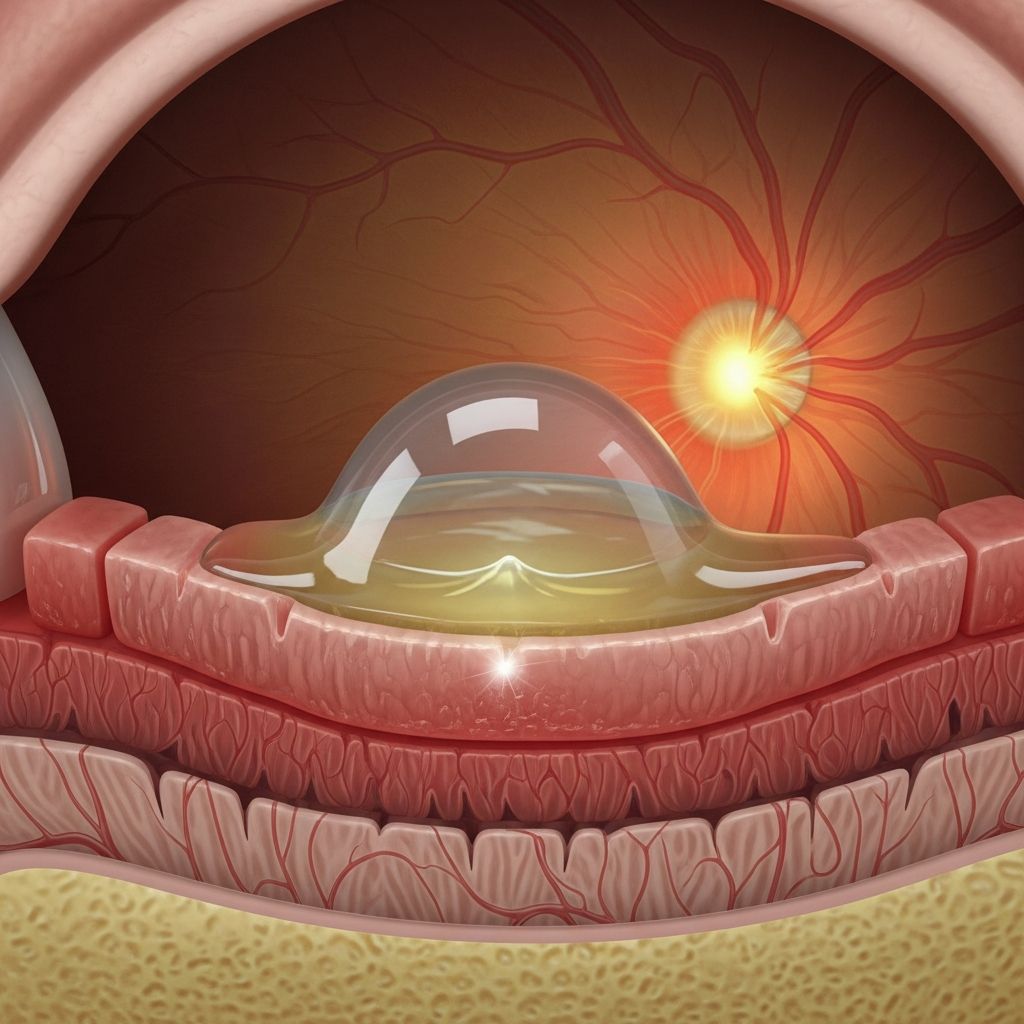
Central serous retinopathy (CSR), also known as central serous chorioretinopathy, involves the buildup of fluid under the retina, particularly in the macula, leading to temporary vision disturbances. This condition primarily affects adults aged 20 to 60, with a higher incidence in men, and often resolves spontaneously but can recur or become chronic.
Understanding the Anatomy Involved
The retina, a thin layer at the back of the eye, converts light into neural signals for vision. The macula, its central part, provides sharp, detailed sight. In CSR, fluid leaks from choroidal blood vessels into the subretinal space, causing the neurosensory retina to detach from the retinal pigment epithelium (RPE). This pachychoroid disease features choroidal thickening and vascular hyperpermeability, disrupting normal retinal function.
Recognizing the Signs and Symptoms
CSR symptoms typically develop suddenly and affect central vision in one eye, though both can be involved. Common indicators include:
- Blurry or distorted central vision, making reading or recognizing faces difficult.
- A dark or gray blind spot in the center of the visual field.
- Wavy or bent straight lines, similar to metamorphopsia seen in other macular issues.
- Dulled color perception or washed-out hues.
- Occasional flashes of light or positive scotomas.
Many individuals notice these changes gradually, prompting them to seek eye care. Vision loss is often mild, with best-corrected visual acuity (BCVA) around 20/30 to 20/50, but chronic cases can worsen outcomes.
Risk Factors and Triggers
While the exact cause remains unclear, CSR is multifactorial, involving choroidal dysfunction and vascular engorgement. Key risk factors are:
- Stress: High cortisol levels from psychological stress promote inflammation and fluid leakage.
- Corticosteroid use: Oral, topical, inhaled, or injected steroids interact with mineralocorticoid receptors, increasing choroidal permeability.
- Type A personality: Ambitious, competitive traits correlate with higher incidence.
- Other associations: Hypertension, Helicobacter pylori infection, obstructive sleep apnea, and pregnancy in rare cases.
Inflammation may play a role, with elevated systemic markers and platelet activation contributing to choroidal ischemia.
How CSR Progresses: Acute vs. Chronic Forms
| Aspect | Acute CSR | Chronic CSR |
|---|---|---|
| Duration | <4-6 months | >4-6 months persistent SRF |
| Fluid Persistence | Self-resolves in 2-6 months | Recurrent or ongoing detachment |
| Visual Impact | Mild, recovers fully | RPE/photoreceptor atrophy, permanent loss |
| Recurrence Risk | ~25-50% | High, may mimic wet AMD |
Acute CSR often heals without intervention, restoring normal vision. Chronic forms lead to progressive damage, including RPE mottling and photoreceptor loss.
Diagnostic Approaches
Diagnosis starts with a comprehensive dilated exam revealing a serous detachment with a shimmering reflex. Advanced imaging confirms findings:
Related Stories



- Optical Coherence Tomography (OCT): Shows subretinal fluid (SRF) and retinal thickening; monitors treatment response.
- Fluorescein Angiography (FA): Identifies single or multiple leakage points, often inkblot or smokestack pattern.
- Indocyanine Green Angiography (ICGA): Reveals choroidal hyperpermeability and congestion, key to pathogenesis.
These tools differentiate CSR from conditions like age-related macular degeneration or polypoidal choroidal vasculopathy.
Management Strategies for Acute Cases
For acute CSR, observation is standard, as 80-90% resolve within 3-6 months. Lifestyle modifications enhance recovery:
- Reduce stress through meditation, exercise, or therapy.
- Discontinue corticosteroids if possible, consulting physicians.
- Avoid stimulants like caffeine and nicotine.
Regular OCT follow-ups track fluid resolution.
Treatment Options for Persistent or Chronic CSR
Intervention is reserved for chronic cases (>6 months), frequent recurrences, or vision-threatening features. Options include:
- Photodynamic Therapy (PDT): Half-dose or reduced-fluence verteporfin PDT targets choroidal vessels, reducing hyperpermeability. Studies show 67% SRF resolution vs. 29% sham, with BCVA gains.
- Micropulse Laser: Non-thermal subthreshold treatment preserves RPE, effective for juxtafoveal leaks.
- Mineralocorticoid Antagonists: Oral spironolactone or eplerenone may aid resolution by blocking steroid effects.
- Aspirin: Anti-inflammatory, promotes RPE/choroid health in select cases.
- Anti-VEGF Injections: Rare, for secondary choroidal neovascularization.
Thermal laser is outdated due to RPE scarring risks.
Potential Complications and Long-Term Outlook
Untreated chronic CSR risks permanent vision impairment from RPE atrophy and photoreceptor damage. Recurrences occur in 25-50%, sometimes evolving into chronic disease requiring lifelong monitoring. Early intervention prevents progression to neovascular complications resembling wet AMD. Prognosis is excellent for acute cases, with most regaining baseline vision.
Lifestyle Tips for Prevention and Coping
Minimize risks by managing stress, avoiding unnecessary steroids, and scheduling annual eye exams. Coping strategies include:
- Low-vision aids for reading during episodes.
- Support groups for emotional relief.
- Dark sunglasses for photophobia.
Prompt specialist referral ensures optimal outcomes.
Frequently Asked Questions (FAQs)
Is central serous retinopathy permanent?
Most cases resolve fully without lasting damage, but chronic forms can cause irreversible changes if untreated.
Can stress really cause CSR?
Yes, stress-induced cortisol elevates leakage risk; stress reduction aids recovery.
How long does recovery take?
Acute episodes clear in 2-6 months; chronic cases need treatment for resolution.
Should I stop steroid medications?
Consult your doctor before changes, as abrupt cessation can be harmful.
Does CSR affect both eyes?
Usually unilateral, but 20-40% develop bilateral involvement over time.
When to Seek Immediate Care
Contact a retina specialist if central vision blurs suddenly, lines distort, or blind spots appear. Early detection preserves sight.
References
- Central Serous Retinopathy Care — Retina Colorado. Accessed 2026. https://www.retinacolorado.com/retinal-care/central-serous-retinopathy
- Central serous chorioretinopathy: Treatment — PMC (NCBI). 2023-01-16. https://pmc.ncbi.nlm.nih.gov/articles/PMC9843567/
- When to Treat and Not to Treat Patients With Central Serous Retinopathy — Retina Today. 2010-04-01. https://retinatoday.com/articles/2010-apr/when-to-treat-and-not-to-treat-patients-with-central-serous-retinopathy
- Central Serous Retinopathy (CSR) — Southern Eye Centers. Accessed 2026. https://southerneyecenter.com/services/retina/central-serous-retinopathy/
- Central Serous Retinopathy: What It Is, Symptoms & Treatment — Cleveland Clinic. Accessed 2026. https://my.clevelandclinic.org/health/diseases/24335-central-serous-retinopathy
Similar Articles








Read full bio of medha deb