Cephalexin: 5 Key Uses, Dosage, Side Effects And Safety
Discover how cephalexin combats infections, its proper use, potential side effects, and key precautions for safe treatment.

Cephalexin, also known as cefalexin, is a widely prescribed antibiotic from the cephalosporin class, effective against various bacterial infections affecting the skin, respiratory tract, urinary system, bones, and joints. It works by disrupting bacterial cell wall formation, leading to the elimination of harmful bacteria without impacting viral infections like colds or flu.
Understanding Cephalexin’s Role in Infection Treatment
This medication targets susceptible bacteria by binding to proteins essential for cell wall synthesis, causing the microbes to weaken and burst. Healthcare providers commonly recommend it for uncomplicated cases due to its oral administration convenience and favorable safety profile in adults and children.
Key infections responsive to cephalexin include:
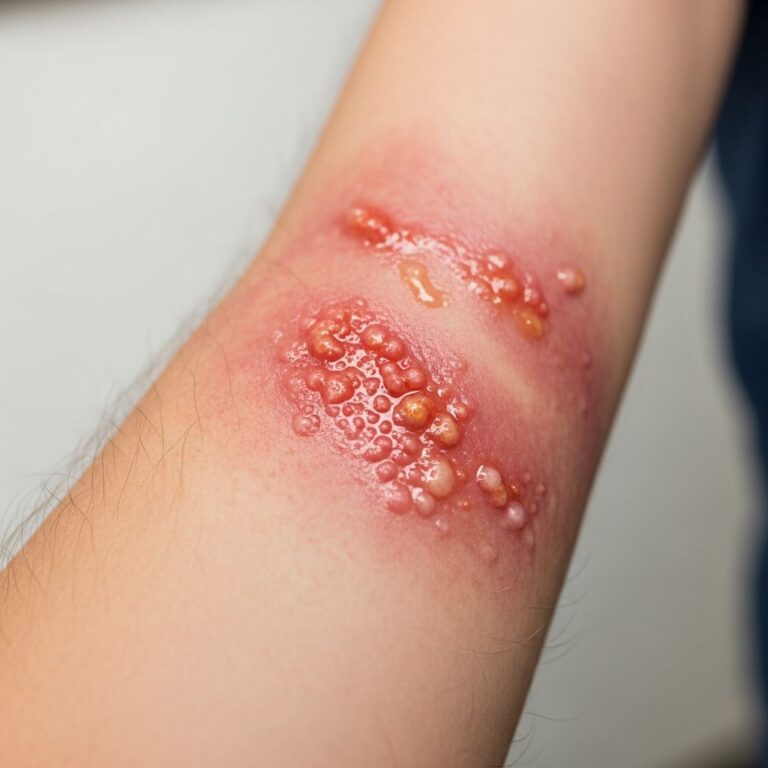
- Skin and soft tissue infections, such as cellulitis or abscesses caused by streptococci or staphylococci.
- Urinary tract infections (UTIs), particularly those from E. coli or other gram-positive organisms.
- Respiratory infections like streptococcal pharyngitis (strep throat).
- Bone infections (osteomyelitis) in select cases.
- Ear infections (otitis media) in pediatric patients.
Unlike broad-spectrum antibiotics, cephalexin focuses on gram-positive bacteria, reducing the risk of disrupting beneficial gut flora compared to wider-acting options.
Available Forms and Standard Dosage Recommendations
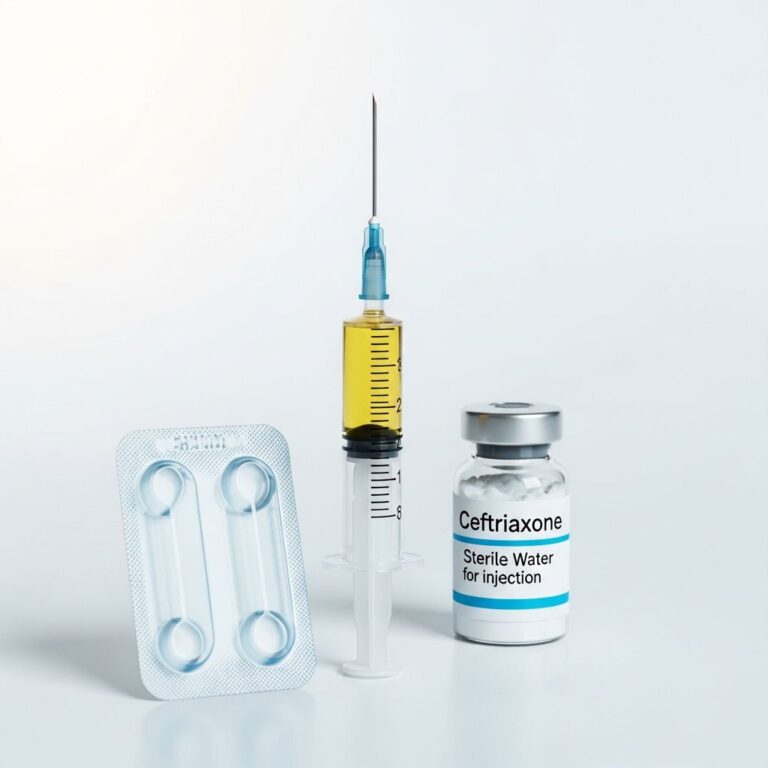
Cephalexin comes in capsules (250 mg or 500 mg), tablets, and oral suspensions for easier pediatric use. Dosage varies by infection site, severity, patient age, weight, and kidney function.
| Patient Group | Typical Dosage | Frequency | Duration |
|---|---|---|---|
| Adults (skin/UTI) | 250-500 mg | Every 6 hours | 7-14 days |
| Adults (severe) | 1-4 g/day | Divided doses | As prescribed |
| Children (>1 year) | 25-50 mg/kg/day | Divided every 6-12 hours | 7-14 days |
| Strep throat | 250 mg | Every 6 hours | 10 days |
Always complete the full course to prevent resistance, even if symptoms resolve early. Adjustments are necessary for renal impairment; consult a doctor for precise calculations.
Proper Administration for Optimal Effectiveness
Take cephalexin with or without food, though consuming it with a meal can minimize stomach upset. Shake liquid suspensions well before measuring with a provided device, not household spoons. Store capsules at room temperature and refrigerate suspensions, discarding after 14 days.
Spacing doses evenly (e.g., every 6 hours) maintains steady blood levels. Missing a dose? Take it promptly unless near the next one; do not double up. Hydration supports kidney function during treatment.
Frequently Reported Side Effects
Most users tolerate cephalexin well, but gastrointestinal issues dominate mild reactions. Common effects, affecting up to 10% of patients, resolve as the body adjusts.
- Nausea and vomiting: Often mitigated by food intake.
- Diarrhea: Loose stools from gut flora changes; probiotics may help post-treatment.
- Abdominal discomfort: Including heartburn or cramps.
- Headache or dizziness: Typically transient.
- Fatigue or weakness: Rest usually suffices.
Genital or oral thrush (candidiasis) arises from yeast overgrowth, presenting as itching, discharge, or white patches; antifungal treatments address this.
Related Stories



Serious Adverse Reactions Requiring Immediate Attention
Rare but critical effects demand prompt medical intervention to avoid complications. Allergic responses occur in <1% but can escalate rapidly.
Allergic signs:
- Rash, hives, or itching.
- Swelling of face, lips, tongue, or throat (angioedema).
- Difficulty breathing, wheezing, or throat tightness—anaphylaxis risk.
Gastrointestinal warnings: Watery or bloody diarrhea, cramps, or fever signal Clostridioides difficile colitis, even months post-treatment. Stop the drug and seek care.
Other severe issues: Yellowing skin/eyes (jaundice), dark urine, severe skin blistering/peeling (e.g., Stevens-Johnson syndrome), confusion, seizures, or unexplained bruising.
Patients with penicillin allergy history face higher cross-reactivity risk (5-10%); allergy testing or alternatives may be advised.
Precautions and Contraindications for Safe Use
Avoid cephalexin if hypersensitive to cephalosporins or have severe penicillin reactions. Inform your doctor of:
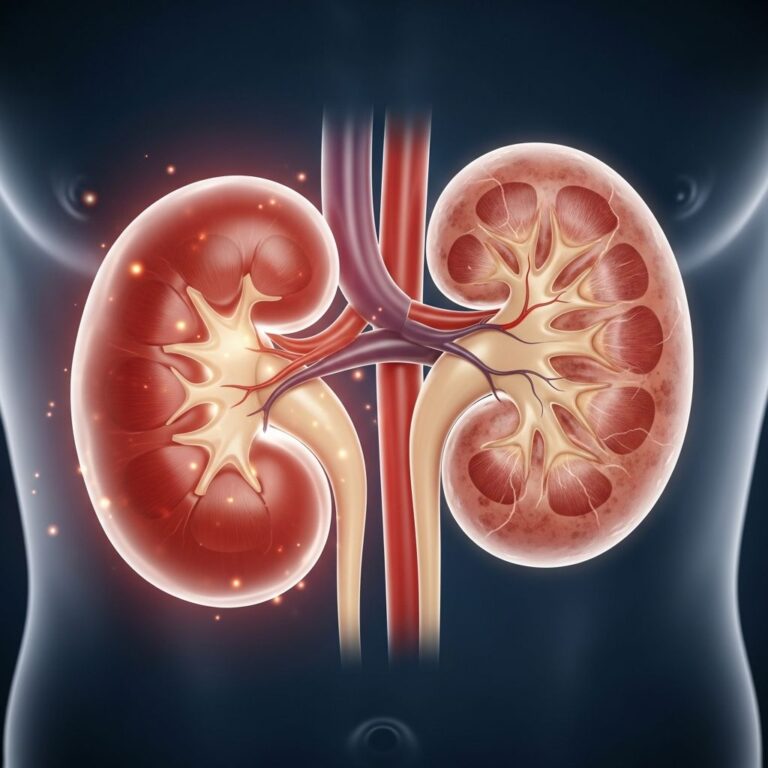
- Kidney/liver disease for dose tweaks.
- Pregnancy/breastfeeding—Category B, generally safe but discuss risks.
- History of colitis or gastrointestinal disorders.
- Diabetes (for liquid forms with sugar).
Drug interactions include metformin (increased lactic acidosis risk), warfarin (enhanced bleeding), and probiotics (reduced efficacy). Avoid zinc supplements concurrently.
Special Considerations for Vulnerable Populations
Pregnancy and lactation: Passes minimally into breast milk; monitor infant for diarrhea or thrush. Used when benefits outweigh risks.
Pediatrics: Weight-based dosing ensures safety; watch for behavioral changes or hearing issues in young children.
Elderly: Renal decline necessitates monitoring; prolonged use heightens C. diff risk.
Renal impairment: Reduce dose by 50% if creatinine clearance <30 mL/min.
Overdose Management and Missed Doses
Overdose symptoms mimic side effects: nausea, vomiting, diarrhea, or seizures. Seek emergency help; activated charcoal or dialysis may be employed.
For missed doses, administer ASAP unless within 2 hours of next—then skip and resume schedule.
Storage Guidelines and Disposal
Keep at controlled room temperature (68-77°F), away from moisture/heat. Refrigerate suspensions; discard unused after 14 days or post-expiration. Do not flush; use drug take-back programs.
Monitoring Treatment Progress
Improvement typically occurs within 48-72 hours. If no better or worsening (e.g., fever persists, symptoms intensify), contact your provider—may indicate resistance or alternative pathogen.
Follow-up cultures confirm eradication in complicated cases like UTIs or osteomyelitis.
Frequently Asked Questions (FAQs)
Can cephalexin treat viral infections?
No, it only combats bacteria. Use for flu or colds is ineffective and promotes resistance.
Is alcohol safe with cephalexin?
Moderate use unlikely to interact, but excess may worsen side effects like dizziness. Limit intake.
How long until cephalexin works?
Symptoms often ease in 2-3 days; complete the course regardless.
Does cephalexin cause yeast infections?
Yes, by altering vaginal flora; symptoms include itching/discharge. Yogurt or antifungals help.
What if I develop diarrhea during treatment?
Mild cases are common; severe/bloody requires stopping and medical evaluation for C. diff.
Can children take cephalexin?
Yes, liquid form suits kids; dose by weight.
Promoting Antibiotic Stewardship
Overuse fosters resistance, complicating future treatments. Use only as prescribed, never share, and report non-improvement promptly. Probiotics post-course restore gut balance.
(Word count: 1678)
References
- Cephalexin: MedlinePlus Drug Information — MedlinePlus (U.S. National Library of Medicine). 2023-10-01. https://medlineplus.gov/druginfo/meds/a682733.html
- Cefalexin (Cephalexin) – Healthdirect — Healthdirect Australia (Government). 2024-05-15. https://www.healthdirect.gov.au/cephalexin
- Cephalexin (oral route) – Mayo Clinic — Mayo Clinic. 2024-02-01. https://www.mayoclinic.org/drugs-supplements/cephalexin-oral-route/description/drg-20073325
- Cephalexin by Pro Doc Factsheet — Rexall (Health Canada aligned). 2023-11-20. https://www.rexall.ca/article/drug/view/id/2644
- CEPHALEXIN antibiotic education video — NHS/Doctor O’Donovan (YouTube, educational). 2023-08-10. https://www.youtube.com/watch?v=NQ7Pm9ECl8g
- Side effects of cefalexin – NHS — NHS UK (Government). 2024-01-15. https://www.nhs.uk/medicines/cefalexin/side-effects-of-cefalexin/
- Cephalexin Antibiotic: Cleveland Clinic — Cleveland Clinic. 2024-03-05. https://my.clevelandclinic.org/health/drugs/20055-cephalexin-capsules-or-tablets
Similar Articles








Read full bio of medha deb