Cerebral Aneurysm: Understanding Risks, Symptoms, and Treatment
Complete guide to cerebral aneurysms: causes, symptoms, diagnosis, and modern treatment options.
Understanding Cerebral Aneurysms
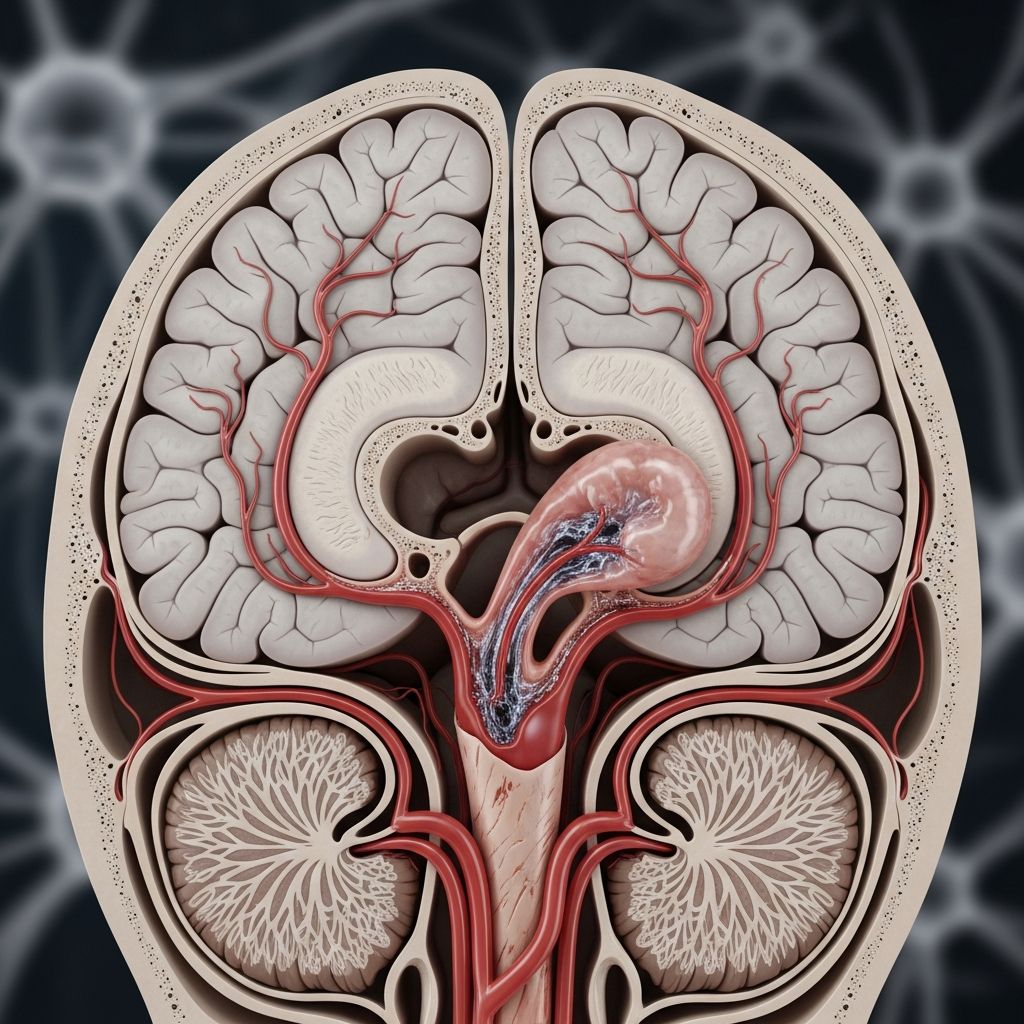
A cerebral aneurysm, also known as an intracranial aneurysm, is a weak spot in the wall of a blood vessel in the brain that balloons outward and fills with blood. This condition affects approximately 3-5% of the general population, though many people remain unaware they have an aneurysm throughout their lives. Understanding this serious medical condition is crucial for recognizing potential warning signs and seeking appropriate medical care.
The brain relies on a complex network of blood vessels to deliver oxygen and nutrients. When the arterial wall weakens, blood pressure can cause the vessel to bulge, creating a small sac-like structure. While some aneurysms remain stable and asymptomatic, others can rupture suddenly, leading to life-threatening bleeding in the brain known as subarachnoid hemorrhage (SAH).
Types of Cerebral Aneurysms
Cerebral aneurysms are classified into several types based on their shape and location within the brain’s vascular system.
Saccular Aneurysms
Saccular aneurysms are the most common type, representing approximately 90% of all intracranial aneurysms. These berry-shaped aneurysms typically develop at arterial bifurcations, where blood vessels split into branches. The most frequent locations include the middle cerebral artery, anterior communicating artery, and posterior communicating artery.
Fusiform Aneurysms
Fusiform aneurysms involve widening of an entire arterial segment rather than forming a distinct sac. These typically develop in larger vessels and are often associated with atherosclerotic disease or arterial dissection. They represent approximately 5-10% of all cerebral aneurysms.
Infectious Aneurysms
Also called mycotic aneurysms, these can develop from bacterial infections, particularly bacterial endocarditis. Though less common, they require specific antibiotic treatment and careful monitoring.
Risk Factors and Causes
Multiple factors contribute to the development and rupture of cerebral aneurysms. Understanding these risk factors can help identify individuals at higher risk and guide preventive measures.
Non-Modifiable Risk Factors
Age and family history significantly influence aneurysm risk. The incidence of unruptured intracranial aneurysms increases with age, with peak detection occurring between 40-65 years. Individuals with a family history of cerebral aneurysm have substantially elevated risk, particularly if first-degree relatives experienced aneurysmal subarachnoid hemorrhage. Additionally, certain genetic conditions such as polycystic kidney disease, Marfan syndrome, Ehlers-Danlos syndrome, and neurofibromatosis type 1 are associated with increased aneurysm formation.
Modifiable Risk Factors
Cigarette smoking represents one of the most significant modifiable risk factors for aneurysm formation and rupture. Smokers demonstrate increased aneurysm prevalence and higher rupture rates compared to non-smokers. Chronic hypertension damages arterial walls and substantially increases rupture risk. Excessive alcohol consumption, particularly binge drinking, contributes to aneurysm development. Cocaine and amphetamine use can trigger vasospasm and aneurysmal rupture. Oral contraceptive use and hormone replacement therapy may modestly increase risk, particularly in women with other predisposing factors.
Symptoms and Warning Signs
Unruptured aneurysms often produce no symptoms, which is why they are frequently discovered incidentally during imaging performed for other reasons. However, larger unruptured aneurysms occasionally cause symptoms by pressing on nearby brain structures.
Related Stories



Symptoms of Unruptured Aneurysms
When an unruptured aneurysm causes symptoms, they may include eye pain, visual disturbances, facial numbness, weakness, or paralysis on one side of the body if the aneurysm compresses nearby nerves or brain tissue. Some patients report headaches, though research indicates most headaches in aneurysm patients are not directly attributable to the aneurysm itself.
Symptoms of Ruptured Aneurysms
A ruptured cerebral aneurysm produces acute, severe symptoms requiring immediate emergency attention. The most characteristic symptom is a sudden, severe thunderclap headache, often described as the worst headache of a person’s life, occurring suddenly and without warning. Additional symptoms include neck stiffness, nausea and vomiting, photophobia (sensitivity to light), loss of consciousness, seizures, confusion, and focal neurological deficits such as weakness or numbness. Any person experiencing these symptoms should immediately call emergency services.
Diagnosis and Evaluation
Accurate diagnosis is essential for determining appropriate management strategies. Multiple imaging modalities and clinical assessments help identify and characterize cerebral aneurysms.
Imaging Techniques
Computed Tomography Angiography (CTA) is often the first-line imaging modality for suspected aneurysms, particularly in acute settings when rapid diagnosis is critical. CTA can detect aneurysms with high sensitivity and provides excellent spatial resolution for surgical planning. Magnetic Resonance Angiography (MRA) offers an alternative imaging approach, particularly useful for follow-up studies in patients with known aneurysms, as it does not involve radiation exposure. Digital Subtraction Angiography (DSA) remains the gold standard for aneurysm visualization and is often used when treatment decisions require maximum anatomical detail or when planning endovascular intervention.
Clinical Assessment
For patients with subarachnoid hemorrhage, careful neurological examination helps determine the severity of brain injury and guides management decisions. The Hunt and Hess scale classifies patients based on clinical presentation, ranging from asymptomatic to deeply comatose, and helps predict outcomes. The Fisher scale evaluates the extent of subarachnoid blood on imaging, which correlates with vasospasm risk.
Management of Unruptured Aneurysms
Deciding whether to treat an unruptured aneurysm requires careful consideration of individual factors. The decision involves weighing the natural history rupture risk against procedural risks.
Observation Strategy
Many unruptured aneurysms remain stable without treatment, particularly small aneurysms in favorable locations. Conservative management with periodic imaging surveillance allows monitoring of aneurysm growth and morphologic changes that might indicate increased rupture risk. The International Study of Unruptured Intracranial Aneurysms (ISUIA) provided crucial data demonstrating that small aneurysms (<7 mm) in patients without prior subarachnoid hemorrhage carry low rupture rates. Aneurysmal growth may increase rupture risk, making intermittent imaging studies essential for those managed conservatively.
Treatment Indications
Treatment is generally recommended for aneurysms larger than 7 millimeters, particularly those with irregular morphology or rapid growth. Patients with unruptured aneurysms causing mass effects, such as cranial nerve palsies, typically benefit from early treatment. Additionally, patients with prior subarachnoid hemorrhage from a different aneurysm carry elevated rupture risk and often warrant preventive treatment of coexistent unruptured aneurysms.
Modern Treatment Approaches
Contemporary management of cerebral aneurysms employs advanced neurovascular techniques, with treatment choice depending on aneurysm characteristics, patient factors, and institutional expertise.
Endovascular Coiling
Endovascular coil embolization represents a minimally invasive approach where interventional neuroradiologists navigate a catheter through blood vessels to the aneurysm site. Detachable platinum coils are deployed into the aneurysm sac, promoting thrombosis and preventing rupture. This technique offers advantages including reduced invasiveness compared to surgery, shorter hospital stays, and lower morbidity in many cases. However, aneurysms treated with coiling demonstrate recanalization rates requiring long-term follow-up imaging.
Flow Diversion
Flow diverters are specialized stents that alter blood flow patterns within aneurysms, promoting thrombosis over time. These devices work particularly well for larger aneurysms and those with wide necks that are difficult to treat with traditional coiling. Flow diverters have evolved considerably, with newer technologies offering improved safety profiles and efficacy.
Surgical Clipping
Microsurgical clip placement remains an important treatment option, particularly for aneurysms with specific morphologies or locations. During this procedure, neurosurgeons access the aneurysm through a small craniotomy and place a titanium clip across the aneurysm neck, excluding it from circulation. Surgical clipping offers the advantage of definitive aneurysm obliteration in a single procedure, though it involves more invasiveness than endovascular approaches.
Hybrid Techniques
Modern neurovascular practice increasingly combines endovascular and surgical techniques. Intraoperative angiography helps confirm successful aneurysm obliteration, while neuromonitoring ensures protection of eloquent brain areas during surgical dissection.
Management of Ruptured Aneurysms
Subarachnoid hemorrhage from ruptured aneurysms represents a medical emergency requiring immediate intervention and intensive care support. Early aneurysm repair, whether through endovascular or surgical means, prevents rebleeding, which carries mortality rates exceeding 50%. Contemporary protocols emphasize early diagnosis and rapid aneurysm treatment, ideally within the first 24 hours.
Critical Care Considerations
Patients with subarachnoid hemorrhage require close monitoring in intensive care units for management of complications including rebleeding, vasospasm, hydrocephalus, and seizures. Vasospasm, delayed cerebral ischemia occurring days after hemorrhage, represents a major cause of morbidity and mortality. Prevention strategies include maintaining adequate hemodynamic status, administering nimodipine to improve outcomes, and using transluminal angioplasty when severe vasospasm develops.
Follow-Up and Long-Term Management
After aneurysm treatment, appropriate follow-up imaging is essential to confirm successful obliteration and detect recurrence.
Imaging Surveillance
CTA and MRA are useful for detection and follow-up of unruptured intracranial aneurysms. MRA serves as a reasonable alternative for follow-up of treated aneurysms, with DSA reserved for cases where treatment decisions require maximum anatomical precision. With residual aneurysms after coiling, long-term follow-up is indicated because late hemorrhages and aneurysm recurrences can occur, with annual hemorrhage rates in large and giant aneurysms reaching 1.9%.
Risk Factor Management
Patients with cerebral aneurysms benefit from aggressive modification of modifiable risk factors. Smoking cessation is paramount, as continued smoking substantially increases recurrent aneurysm formation risk. Blood pressure control reduces hemodynamic stress on residual or untreated aneurysms. Limiting alcohol consumption and avoiding illicit substances like cocaine are essential precautions.
Complications and Outcomes
While modern treatment approaches have substantially improved outcomes, cerebral aneurysm management carries inherent risks. Procedural complications may include vessel perforation, thromboembolism, or aneurysm rupture during intervention. Long-term outcomes depend on aneurysm characteristics, treatment method, and patient factors. The prognosis for unruptured aneurysms managed conservatively is generally favorable, with most remaining stable. Patients with treated aneurysms typically achieve excellent long-term outcomes when complications are avoided. Ruptured aneurysms carry significantly higher morbidity and mortality, though early intervention and intensive care have substantially improved survival rates over recent decades.
Frequently Asked Questions
Q: How common are cerebral aneurysms?
A: Cerebral aneurysms affect approximately 3-5% of the general population. However, the vast majority remain unruptured and asymptomatic throughout a person’s lifetime.
Q: What is the risk of an unruptured aneurysm rupturing?
A: The rupture risk varies significantly based on aneurysm size, location, morphology, and patient factors. Small aneurysms (<7 mm) in patients without prior subarachnoid hemorrhage carry low annual rupture rates of approximately 0.1%, while larger aneurysms carry substantially higher risk.
Q: Can lifestyle changes reduce aneurysm rupture risk?
A: Yes, avoiding smoking, managing blood pressure, limiting alcohol consumption, and avoiding illicit drugs can significantly reduce rupture risk. These modifications should be emphasized for all patients with known aneurysms.
Q: How often should unruptured aneurysms be monitored with imaging?
A: Follow-up imaging intervals depend on aneurysm size and morphology. Small, stable aneurysms may require imaging every 1-2 years, while larger or irregular aneurysms warrant more frequent monitoring. Your neurologist can recommend an appropriate surveillance schedule.
Q: Is aneurysm treatment always necessary?
A: Not all aneurysms require treatment. Small, stable aneurysms in favorable locations are often managed conservatively with periodic imaging. Treatment decisions depend on aneurysm characteristics, patient age and health status, and individual risk factors.
Q: What are the risks of aneurysm treatment?
A: Both endovascular and surgical treatment carry procedural risks including vessel injury, thromboembolism, and aneurysm rupture during the procedure. However, for appropriate candidates, treatment benefits typically outweigh these risks.
References
- Guidelines for the Management of Patients With Unruptured Intracranial Aneurysms — American Heart Association/American Stroke Association. 2023. https://www.ahajournals.org/doi/10.1161/str.0000000000000070
- Cerebral Aneurysm Treatment: Modern Neurovascular Techniques — Jiang B, Paff M, Colby GP, et al. Stroke and Vascular Neurology. 2016. https://pubmed.ncbi.nlm.nih.gov/28959469/
- Biology of Intracranial Aneurysms: Role of Inflammation — Johns Hopkins University School of Medicine. https://pure.johnshopkins.edu/en/publications/biology-of-intracranial-aneurysms-role-of-inflammation/
- Cerebral Aneurysms: Mechanisms of Injury and Critical Care Interventions — Johns Hopkins University. https://pure.johnshopkins.edu/en/publications/cerebral-aneurysms-mechanisms-of-injury-and-critical-care-interve-3
Similar Articles








Read full bio of Sneha Tete