Cerebral Venous Sinus Thrombosis: Causes, Symptoms & Treatment
Understanding CVST: A comprehensive guide to brain blood clots, symptoms, diagnosis, and treatment options.
Cerebral Venous Sinus Thrombosis: Understanding a Rare Brain Condition
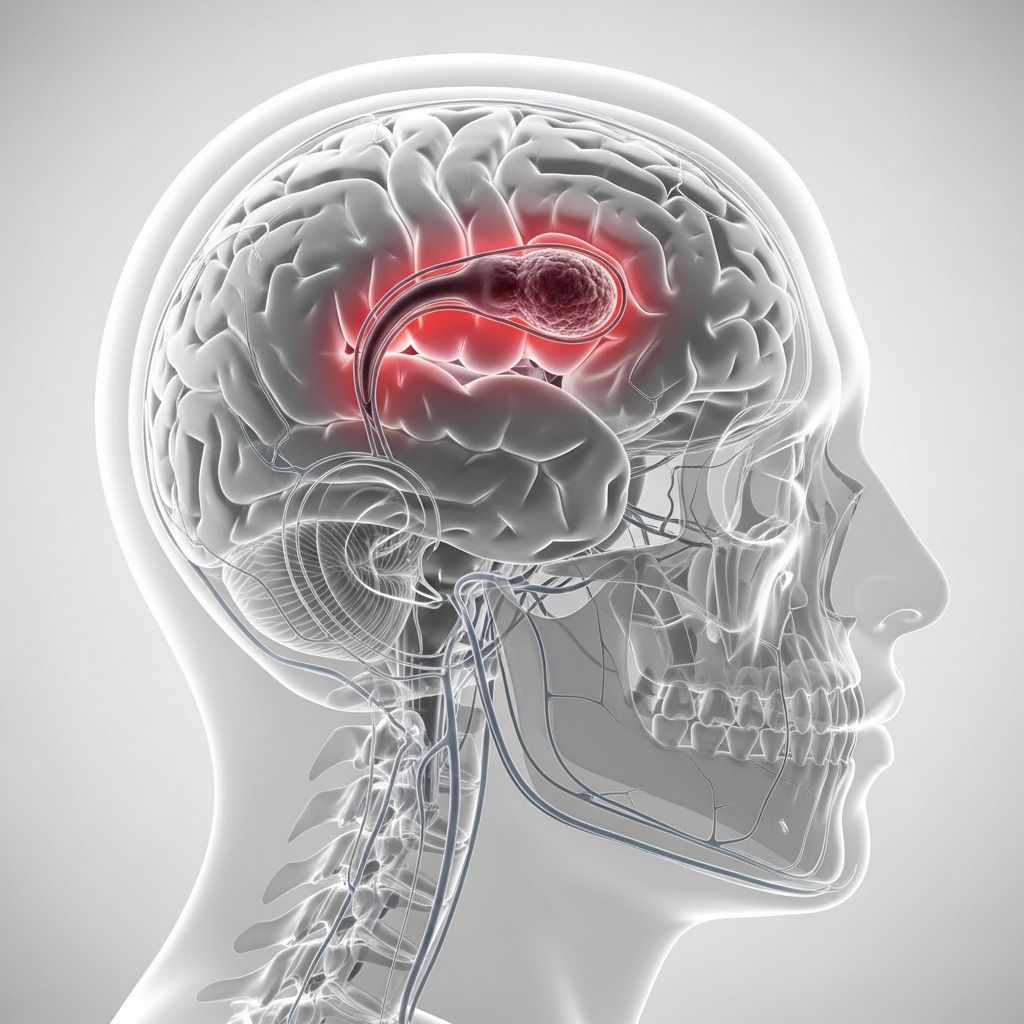
Cerebral venous sinus thrombosis (CVST), also known as cerebral sinovenous thrombosis, is a rare but serious condition in which a blood clot forms in the venous sinuses of the brain. This condition prevents blood from draining properly out of the brain, which can lead to increased intracranial pressure, cerebral edema (brain swelling), and potential hemorrhage into surrounding brain tissues. Unlike arterial strokes, which are more common, CVST represents a distinct cerebrovascular disorder that often affects younger individuals and requires immediate medical intervention to prevent life-threatening complications.
What is Cerebral Venous Sinus Thrombosis?
CVST occurs when blood coagulates within the dural venous sinuses or cerebral veins, creating an obstruction that disrupts normal blood drainage from the brain. The superior sagittal sinus is affected in approximately 62% of cases, while the transverse sinuses are involved in about 45% of cases. In roughly one-third of cases, more than one sinus is affected, and 30-40% of patients have both sinuses and cortical veins involved.
The condition operates through two main mechanisms that often occur simultaneously. First, thrombosis of cerebral veins can cause localized brain swelling and venous infarction, where brain tissue dies due to lack of blood supply. Second, thrombosis of the major sinuses can cause intracranial hypertension, meaning increased pressure within the skull. This combination makes CVST particularly dangerous, as it can result in hemorrhagic infarction in 10-50% of cases.
Risk Factors and Causes
CVST can be classified into two categories: septic and aseptic forms. Several factors increase the risk of developing cerebral venous sinus thrombosis:
Common Risk Factors Include:
– Oral contraceptive pills (OCPs), particularly in young women- Recent vaccinations, including rare complications from adenovirus-vector COVID-19 vaccines- Infections of the brain or surrounding tissues- Head or neck trauma- Cancer and malignancy- Hypercoagulable states and blood clotting disorders- Inflammatory conditions such as inflammatory bowel disease- Recent surgery or prolonged immobilization- Dehydration and severe illness
A rare syndrome of immune-mediated thrombosis and thrombocytopenia with CVST has been reported following adenovirus-vector COVID-19 vaccination. Healthcare providers should maintain a high index of suspicion for CVST in young women using oral contraceptives and should inquire about recent vaccinations and illnesses during clinical assessment.
Symptoms and Clinical Presentation
CVST presents with highly variable clinical manifestations, making diagnosis challenging. The condition often begins insidiously and can progress rapidly. Symptoms depend on the location and extent of the thrombosis and may develop over days to weeks.
Primary Symptoms:
Headache is the most common presenting symptom, occurring in 70-90% of cases. The headache may be generalized or localized and can progressively worsen.
Symptoms of Increased Intracranial Pressure include nausea, vomiting, and vision problems. Patients may experience blurred or double vision, papilledema (swelling of the optic nerve), and progressive vision loss.
Focal Neurological Deficits can include hemiparesis (weakness on one side of the body), hemisensory deficits (altered sensation), aphasia (difficulty with speech), and limb weakness. When deep cerebral veins are involved, patients may experience dysfunction of the diencephalon, manifesting as decreased consciousness or altered mental status.
Related Stories



Seizures are common complications, occurring in a significant proportion of patients. These seizures may be focal or generalized and can be the first sign of CVST.
Altered Consciousness and Cognitive Changes may occur, ranging from mild confusion to significant impairment of consciousness. Some patients may present with agitation or behavioral changes.
Diagnosis of Cerebral Venous Sinus Thrombosis
Early and accurate diagnosis is critical because CVST is time-sensitive. A study found that the median time between symptom onset and death is 13 days, and only 5 days between diagnosis and death, highlighting the urgency of prompt identification and treatment.
Diagnostic Approach:
Clinical Evaluation: In the emergency room, physicians obtain a detailed medical history, perform a thorough physical examination, and assess neurological function. Healthcare providers ask specific questions about symptom onset, progression, and associated risk factors.
Neuroimaging is Essential: Urgent neuroimaging is necessary for diagnosis. The recommended imaging studies include:
- Brain MRI with magnetic resonance venography (MRV), which shows absence of flow in venous sinuses
- Brain CT with CT venography (CTV)
- Non-contrast CT (NCCT) of the head may show hyperdense acute thrombus in affected sinuses and associated hemorrhage
MRV demonstrates generalized lack of flow-related enhancement throughout the affected venous system, including jugular veins, transverse sinuses, sigmoid sinuses, straight sinuses, and intracerebral veins. Advanced imaging may reveal diffuse cerebral edema with absence of cortical sulci, cerebrospinal fluid spaces, and basal cisterns.
Laboratory Studies: While no specific laboratory test confirms CVST, blood cultures may be performed to rule out infection, and urinalysis may be obtained as part of the diagnostic workup.
Treatment Options
Treatment of CVST aims to resolve the thrombosis, prevent complications, and manage increased intracranial pressure. The approach depends on the severity and cause of the thrombosis.
Medical Management:
Anticoagulation Therapy: The mainstay of treatment is anticoagulation, typically initiated with heparin infusion even in the presence of intracranial hemorrhage (unless vaccine-induced thrombotic thrombocytopenia or VITT is present). Patients are then transitioned to oral anticoagulants. Recent studies comparing direct oral anticoagulants (DOACs) versus warfarin have shown similar clinical and radiographic outcomes with favorable safety profiles.
Duration of Treatment: For provoked cases (those with identifiable triggers), anticoagulation typically continues for 3-6 months. However, approximately 12% of patients experience recurrent events, and up to 14% develop a different form of deep vein thrombosis.
Supportive Care: Treatment includes adequate hydration, management of increased intracranial pressure through osmotic therapy (such as 3% saline), and monitoring brain pressure to prevent dangerous pressure buildup. Some patients may benefit from both vasogenic and cytotoxic edema management and possibly corticosteroids.
Anti-seizure Medications: Antiepileptic drugs (AEDs) are administered to patients who have experienced seizures to prevent recurrence.
Infection Management: Antibiotics are prescribed if infection is identified as the underlying cause of thrombosis.
Interventional and Surgical Options:
When medical management is insufficient, various angiographic and endovascular treatments may be necessary. In severe cases with extensive venous occlusion and severe elevated intracranial pressure, interventional neuroradiologists may place external ventricular drains to relieve intracranial pressure. Surgical removal of the clot may be considered in select cases, though this is less commonly performed than medical management.
Prognosis and Outcomes
The prognosis for CVST varies depending on the extent of disease, timeliness of treatment initiation, and underlying cause. Early treatment initiation significantly improves outcomes.
Long-term Outcomes:
According to the International Study on Cerebral Vein and Dural Sinus Thrombosis, a major prospective study, approximately 79% of patients achieve complete recovery at median follow-up of 16 months. However, the overall death rate is 8.3%, with a 5.1% dependency rate (defined as modified Rankin Scale score greater than 2, indicating significant disability).
General outcomes statistics show that 57-86% of patients achieve complete functional recovery, though 5.5-18% of patients have mortality. Approximately 3-15% of patients die in the acute phase of the disorder. Approximately 5% of patients die during acute phase due to transtentorial herniation from multiple hemorrhagic lesions, focal mass effect, and diffuse edema.
The overall risk of recurrence of any thrombotic event after CVST is around 6.5%. Prognosis is generally favorable when treatment is started early, highlighting the importance of prompt recognition and intervention.
Complications of CVST
Without prompt treatment, CVST can lead to serious complications. The most common acute complications are venous infarction and subarachnoid hemorrhage, both resulting from increased venous pressure that leads to rupture of dilated venous structures. Another less common but serious complication is pulmonary embolism, which may occur through dislodgement of thrombosis from the sagittal sinus.
Severe complications include transtentorial herniation, cerebellar tonsillar herniation, and diffuse cerebral edema with effacement of basal cisterns. These life-threatening complications can develop rapidly and require urgent intervention.
Key Clinical Pearls
Healthcare providers should maintain a high index of suspicion for CVST in specific populations. Young women on oral contraceptive pills presenting with progressive headache warrant investigation for CVST. Any patient with acute neurological deterioration, particularly those with seizures, focal neurological deficits, or altered consciousness, should be evaluated for this condition.
Recent vaccinations, illnesses, or head trauma should be explored in the patient history. CVST often causes insidious headache followed by signs of increased intracranial pressure or focal deficits. Starting treatment early with heparin, even if intracranial hemorrhage is present (except in cases of VITT), offers the best prognosis.
Frequently Asked Questions
Q: How common is cerebral venous sinus thrombosis?
A: CVST is a rare condition, and while no population studies have reported definitive incidence rates, it represents a small percentage of cerebrovascular events. It more commonly affects younger individuals compared to arterial strokes, which typically occur in older populations.
Q: Can CVST be fatal?
A: Yes, CVST can be fatal if not treated promptly. Approximately 3-15% of patients die in the acute phase of the disorder. However, with early diagnosis and appropriate treatment, approximately 79% of patients achieve complete recovery.
Q: What should I do if I suspect CVST symptoms?
A: Seek immediate emergency medical attention. CVST is a medical emergency requiring urgent imaging and treatment. Call emergency services or go to the nearest emergency department if you experience sudden severe headache, vision changes, weakness, seizures, or altered consciousness.
Q: Is CVST preventable?
A: While not all cases are preventable, risk reduction involves managing modifiable risk factors. Young women should discuss risks and benefits of oral contraceptives with their healthcare provider. Maintaining proper hydration, treating infections promptly, and following vaccination guidelines are important preventive measures.
Q: What is the difference between CVST and arterial stroke?
A: CVST involves blood clots in brain veins and sinuses, causing impaired drainage and increased pressure. Arterial stroke involves blocked blood vessels supplying brain tissue. They have different risk factors, presentations, and treatments. Anticoagulation is the primary treatment for CVST, whereas arterial stroke typically requires antiplatelet agents or thrombolytics.
Q: How long does recovery from CVST take?
A: Recovery varies by individual case severity. The International Study on Cerebral Vein and Dural Sinus Thrombosis reported a median follow-up of 16 months for patients achieving complete recovery. Some patients recover more quickly, while others may require longer periods of rehabilitation and treatment.
References
- Cerebral Venous Thromboses in a Patient With No Reported Risk Factors — National Institutes of Health, National Center for Biotechnology Information. 2023-03-15. https://pmc.ncbi.nlm.nih.gov/articles/PMC10078132/
- Cerebral Venous Sinus Thrombosis — Stroke Foundation InformMe. 2025. https://informme.org.au/resources/cerebral-venous-sinus-thrombosis
- Cerebral Venous Sinus Thrombosis: What to Know — WebMD. 2024. https://www.webmd.com/brain/what-is-cvst
- Cerebral Venous Sinus Thrombosis and Relevant Hypercoagulable States — American Stroke Association. 2024. https://www.stroke.org/en/about-stroke/types-of-stroke/hemorrhagic-stroke/cerebral-venous-sinus-thrombosis
- Venous Cerebral Dural Sinus Thromboses — Johns Hopkins Guides. 2024. https://www.hopkinsguides.com/hopkins/view/Johns_Hopkins_ABX_Guide/540584/all/Venous_Cerebral_Dural_Sinus_Thromboses
- Cerebral Venous Thrombosis — American Academy of Neurology, Neurology Clinical Practice. 2023. https://www.neurology.org/doi/10.1212/CPJ.0000000000000670
Similar Articles








Read full bio of medha deb