CSF Leak: Symptoms, Types & Treatment Guide
Complete guide to CSF leaks: causes, symptoms, diagnosis, and effective treatment options.
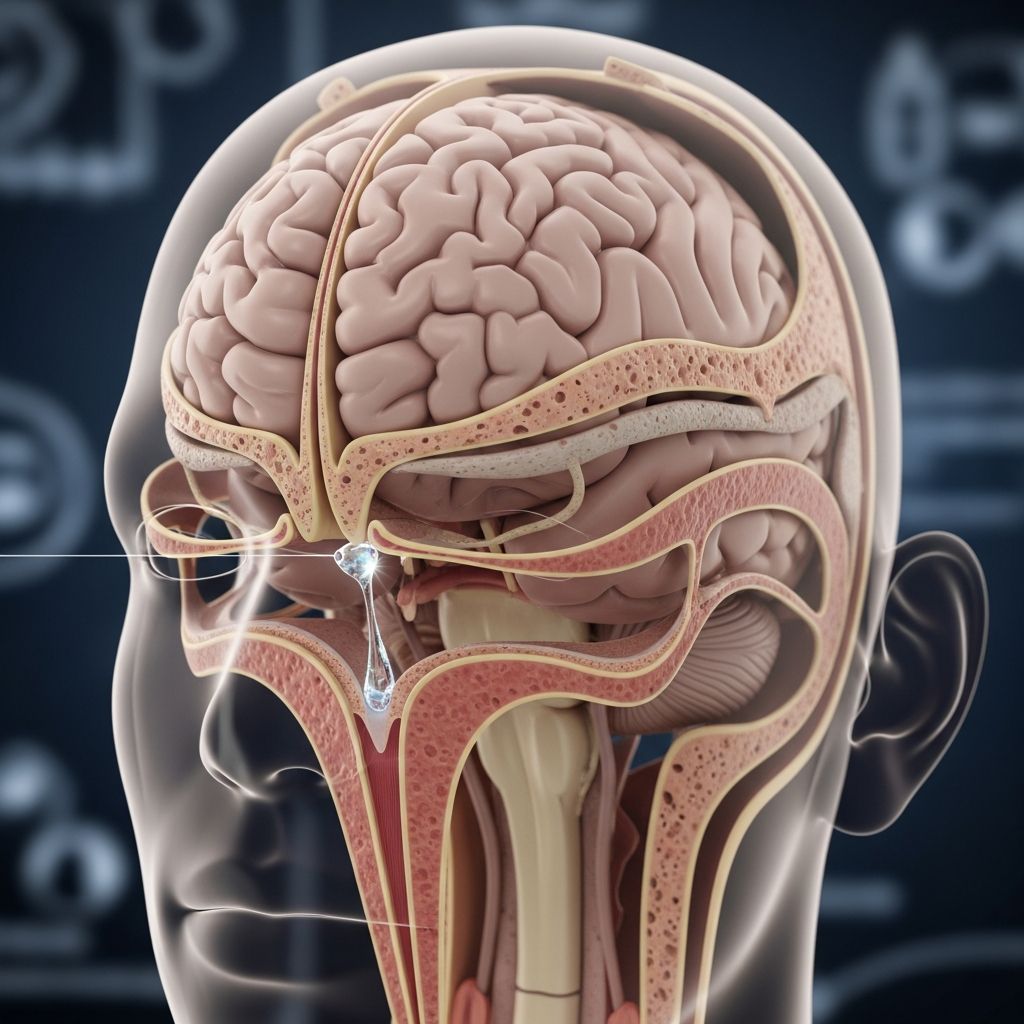
Understanding Cerebrospinal Fluid (CSF) Leaks
A cerebrospinal fluid (CSF) leak occurs when fluid surrounding your brain and spinal cord escapes from its proper location due to a tear or hole in the dura mater, which is the outermost layer of the protective membrane called the meninges that surrounds your central nervous system. This fluid plays a critical role in cushioning and protecting both your brain and spinal cord from injury. When CSF leaks occur, fluid loss can become dangerous, potentially leading to brain injuries, infections, and in severe cases, life-threatening complications.
CSF is essential for maintaining the proper pressure and protection of your central nervous system. The fluid circulates around your brain and spinal cord, providing a protective buffer against physical trauma and helping to maintain intracranial pressure. When a leak develops, this protective system is compromised, and the body loses this vital fluid. Understanding the nature of CSF leaks is crucial for recognizing symptoms and seeking appropriate medical care.
Types of Cerebrospinal Fluid Leaks
CSF leaks are classified into two primary categories based on their location:
- Cranial CSF Leaks: These occur near the brain and can cause headaches, nasal drainage, and fluid leaking from the nose or ears. Cranial leaks are often associated with fluid drainage that appears similar to a runny nose but without mucus production.
- Spinal CSF Leaks: These develop near the spinal cord and typically cause headaches, neck stiffness, and back pain. Spinal leaks may result in discomfort along the spine and upper back regions.
The location of the leak significantly influences the symptoms patients experience and the treatment approach healthcare providers may recommend. Understanding which type of leak you have is essential for proper diagnosis and management.
Recognizing CSF Leak Symptoms
CSF leak symptoms vary based on the leak’s location and severity. In some cases, small leaks may produce no noticeable symptoms, and people might mistake the signs for other conditions. It is important to contact a healthcare provider if anything seems unusual, as CSF leaks can become serious.
Cranial CSF Leak Symptoms
Common symptoms associated with leaks near the brain include:
- Positional headaches that worsen when sitting or standing upright and improve when lying down
- Drainage from the nose that appears clear and watery without mucus
- Drainage from the ears
- A salty or metallic taste in the mouth
- Neck stiffness or pain
- Sensitivity to light or sound
- Nausea and vomiting
Spinal CSF Leak Symptoms
Common symptoms of leaks near the spinal cord include:
- Headaches that worsen when upright and improve when lying flat
- Neck stiffness or rigidity
- Back pain
- Tingling or numbness in the limbs
- Hearing changes or tinnitus
- Visual disturbances
- Difficulty with balance or coordination
What Causes CSF Leaks?
Most cerebrospinal fluid leaks occur following some form of injury to the head, spine, or surrounding areas. Understanding the causes can help individuals take preventive measures and recognize when medical attention is necessary.
Injury-Related Causes
Common injuries that may lead to CSF leaks include:
- Head trauma from accidents or falls
- Spinal cord injuries
- Facial or skull fractures
- Penetrating injuries to the head or spine
- Motor vehicle accidents
- Sports-related injuries
Related Stories



Medical Procedure-Related Causes
Some leaks may develop following medical procedures such as:
- Lumbar puncture (spinal tap)
- Epidural injections
- Spinal surgery
- Brain surgery
- Endoscopic skull base surgery
Spontaneous CSF Leaks
In fewer cases, CSF leaks may occur without any apparent injury. These spontaneous leaks are sometimes linked to health conditions present from birth that affect the membrane holding CSF in place. Spontaneous leaks are more common in women between the ages of 33 and 52. These leaks may be associated with idiopathic intracranial hypertension (IIH) or other underlying conditions affecting cerebrospinal fluid pressure and dynamics.
Risk Factors for CSF Leaks
While anyone can develop a CSF leak, particularly after a recent injury, certain factors may increase your risk:
- Previous head or spinal cord injury
- Connective tissue disorders that weaken the dura mater
- Ehlers-Danlos syndrome
- Marfan syndrome
- Osteoporosis or bone density issues
- History of repeated epidural injections
- Polycystic kidney disease
- Arachnoiditis or other inflammatory conditions
Women between ages 33 and 52 face a higher incidence of spontaneous CSF leaks compared to other populations. Understanding your personal risk factors can help you take appropriate precautions and remain vigilant about unusual symptoms.
Potential Complications of CSF Leaks
While some CSF leaks resolve with conservative treatment, severe leaks can become life-threatening. When you lose excessive amounts of fluid, your brain can sag or shift within your skull, increasing the risk of injury and potentially leading to permanent brain damage. This serious complication requires immediate medical intervention.
CSF leaks significantly increase the risk of serious infections, particularly meningitis, which is a dangerous infection of the protective layers surrounding your brain and spinal cord. Meningitis is a medical emergency requiring immediate treatment and hospitalization. Additional complications may include pneumocephalus (air in the cranial cavity), subdural hematoma, and recurrent infections. The severity of complications often depends on the size of the leak, how quickly it is treated, and whether underlying conditions contribute to the leak.
Diagnosis of CSF Leaks
Healthcare providers diagnose cerebrospinal fluid leaks through a combination of physical examination and clinical history assessment. During your visit, your doctor will gather information about your symptoms, ask about recent injuries or medical procedures, and perform a thorough neurological examination.
Diagnostic Testing
Several diagnostic tests can confirm a CSF leak diagnosis:
- Thin-Slice Computed Tomography (CT): Provides detailed imaging to identify skull base defects and potential leak sites
- Magnetic Resonance Imaging (MRI): Uses CISS (Constructive Interference in Steady State) or FLAIR sequences to visualize fluid leakage
- Cisternography: Involves injecting contrast dye to track fluid movement and pinpoint leak locations
- Beta-2 Transferrin Testing: A blood or fluid test that identifies CSF proteins, confirming the presence of cerebrospinal fluid
- Digital Subtraction Myelography (DSM) or Digital Subtraction Angiography (DSA): Special diagnostic tests required in complex cases to precisely locate the leak
A CSF leak cannot be self-diagnosed or self-treated. If you suspect you have this condition, you must consult a healthcare provider as soon as possible for proper evaluation and management.
Treatment Options for CSF Leaks
Treatment approaches vary depending on the leak’s location, severity, and underlying cause. Most CSF leaks improve with rest or surgical intervention, though some may recur even after successful treatment.
Conservative Treatment
Many CSF leaks, particularly small ones, respond well to conservative management strategies including:
- Bed rest to reduce intracranial pressure
- Keeping your head elevated while sleeping
- Increasing fluid and caffeine intake
- Avoiding strenuous activities and heavy lifting
- Avoiding Valsalva maneuvers such as straining during bowel movements
- Refraining from sneezing or coughing when possible
Your provider may recommend avoiding pressure triggers by staying away from dust, allergens, and high-pollen areas, especially if you know you are sensitive to these environmental factors. This conservative approach allows your body to naturally repair small tears in the dura mater.
Minimally Invasive Procedures
When conservative treatment fails or the leak is more severe, minimally invasive procedures may be necessary:
- Epidural Blood Patch: A procedure where your own blood is injected into the epidural space to create a seal over the leak site. This is particularly effective for spinal leaks and can provide rapid symptom relief.
- Fibrin Glue Injection: A bioadhesive substance injected to seal the leak
- Catheter Placement: Temporary catheter insertion to help manage fluid pressure
Surgical Treatment
Surgical repair becomes necessary for larger leaks or when other treatments fail. Surgical options include:
- Endoscopic repair with nasoseptal flaps
- Direct surgical closure of the defect
- Dural patching procedures
- Skull base reconstruction
Research shows that intraoperative use of pedicled nasoseptal flaps significantly improves outcomes and reduces the risk of postoperative complications. Successful repair of CSF leaks during surgery leads to patient outcomes comparable to those who never experienced leakage, with reduced rates of infection, pneumocephalus, and hospital readmission.
When to Seek Emergency Care
If you have a cranial CSF leak and experience sudden symptoms, visit the emergency room immediately:
- Severe, sudden onset headache
- High fever with neck stiffness
- Confusion or altered mental status
- Loss of consciousness
- Severe facial pain or swelling
- Visual changes or eye pain
- Hearing loss or severe ear pain
The following sudden symptoms of spinal CSF leaks may also require emergency medical attention:
- Severe back pain
- Sudden paralysis or severe weakness
- Loss of bladder or bowel control
- Severe leg weakness or numbness
- Difficulty breathing
- High fever with stiffness
Prevention and Risk Reduction
While cerebrospinal fluid leaks are unpredictable and cannot always be prevented, you can reduce your risk of injury-related causes. Wearing protective gear is the best prevention strategy. Head, neck, back, and facial trauma may all lead to leaks, so use personal protective and safety equipment at work and during daily activities when applicable. This includes wearing helmets during cycling or motorsports, using proper form during exercise, and following workplace safety protocols.
Frequently Asked Questions
Q: What exactly is cerebrospinal fluid and why is it important?
A: Cerebrospinal fluid is a clear, colorless liquid that surrounds your brain and spinal cord. It cushions these vital structures from physical impact, maintains proper intracranial pressure, removes waste products, and delivers nutrients. CSF is produced continuously and reabsorbed regularly to maintain balance.
Q: Can a CSF leak heal on its own?
A: Many small CSF leaks can heal on their own with conservative treatment like bed rest and avoiding activities that increase intracranial pressure. However, larger leaks or those that do not respond to conservative treatment may require surgical intervention.
Q: How long does CSF leak recovery take?
A: Recovery time varies depending on the severity of the leak and treatment method used. Conservative treatment may take several weeks to months, while surgical recovery typically takes 2-6 weeks with gradual return to normal activities.
Q: Can a CSF leak recur after treatment?
A: Yes, CSF leaks can recur even after successful treatment and healing. This is why it is important to follow your healthcare provider’s recommendations and report any new or worsening symptoms immediately.
Q: What is meningitis and why is it associated with CSF leaks?
A: Meningitis is a serious infection of the membranes surrounding your brain and spinal cord. CSF leaks increase infection risk because the fluid acts as a protective barrier; when compromised, bacteria or viruses can more easily reach these sensitive tissues. Meningitis is a medical emergency requiring hospitalization and antibiotics.
Q: How do doctors determine the location of a CSF leak?
A: Doctors use imaging tests like CT scans and MRI to visualize the leak location. Advanced tests such as cisternography with contrast dye or beta-2 transferrin testing help pinpoint exact leak sites, allowing for targeted treatment.
Conclusion
Cerebrospinal fluid leaks are serious conditions that require prompt professional medical attention. Whether caused by injury, medical procedures, or occurring spontaneously, these leaks can lead to significant discomfort and potentially life-threatening complications if left untreated. Fortunately, healthcare providers have multiple effective treatment options available, ranging from conservative management to advanced surgical techniques. If you suspect you have a CSF leak based on symptoms like positional headaches, clear nasal drainage, or neck stiffness, contact your healthcare provider immediately. Your care team will guide you toward the right approach so your body can recover and you can return to feeling better. With proper diagnosis and treatment, most people recover well from CSF leaks and resume their normal activities.
References
- Cerebrospinal Fluid (CSF) Leak: Symptoms, Types & Treatment — Cleveland Clinic. 2024. https://my.clevelandclinic.org/health/diseases/16854-cerebrospinal-fluid-csf-leak
- Successful repair of intraoperative cerebrospinal fluid leaks during endoscopic skull base surgery — Wiley Online Library (International Forum of Allergy & Rhinology). 2016. https://doi.org/10.1002/alr.21845
- Successful treatment of spontaneous cerebrospinal fluid leak with site-directed epidural blood patches — Pain Medicine Journal. 2003. https://pubmed.ncbi.nlm.nih.gov/14750917/
- Spontaneous Cerebrospinal Fluid Rhinorrhea: Consensus Statements on Diagnosis, Investigation, and Management — PubMed Central. 2020. https://pubmed.ncbi.nlm.nih.gov/33099888/
- Cerebrospinal Fluid (CSF): What It Is & Function — Cleveland Clinic. 2024. https://my.clevelandclinic.org/health/body/csf-cerebrospinal-fluid
Similar Articles








Read full bio of Sneha Tete