Cervical Biopsy: Purpose, Procedure, and Recovery
Complete guide to cervical biopsy: Types, procedures, preparation, and what to expect.
Understanding Cervical Biopsy: A Complete Guide
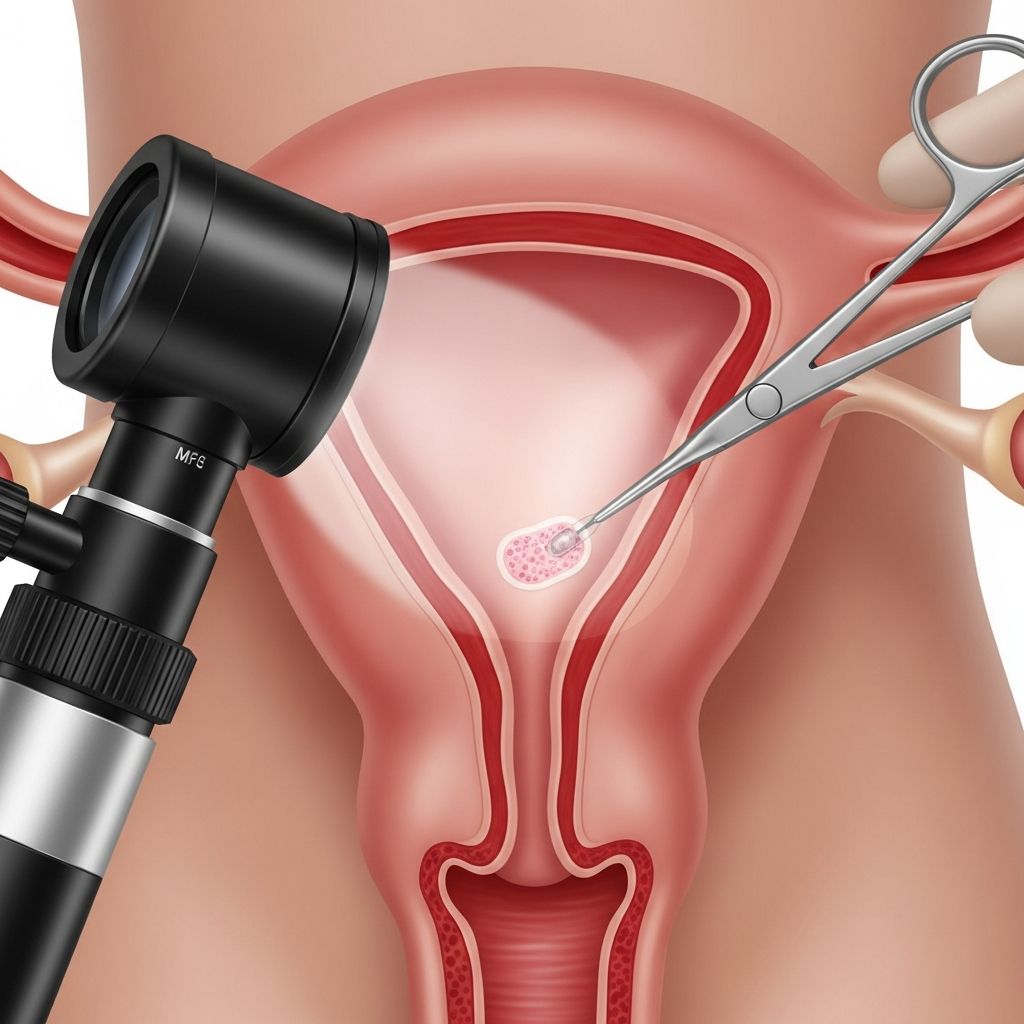
A cervical biopsy is a medical procedure in which a small sample of tissue is removed from the cervix and examined under a microscope to detect abnormalities, precancerous changes, or cervical cancer. This diagnostic procedure is typically performed when a Pap smear or other screening test reveals abnormal cervical cells. By obtaining a tissue sample directly from the cervix, healthcare providers can make an accurate diagnosis and determine the appropriate course of treatment.
The cervix, which is the lower part of the uterus that connects to the vagina, contains two distinct regions: the endocervix (the inner portion) and the exocervix (the outer portion). Cancer cells most often develop in the transformation zone, which is the area between these two regions. Understanding this anatomy is essential for appreciating why biopsies are necessary and how they help detect cervical abnormalities early.
Why Your Doctor May Recommend a Cervical Biopsy
Cervical biopsies are recommended when screening tests suggest the presence of abnormal cells or concerning tissue changes. The primary reasons your healthcare provider may recommend this procedure include:
- Abnormal Pap smear results indicating possible precancerous or cancerous changes
- Suspicious findings during a colposcopy examination
- Detection of abnormal blood vessels or tissue patterns
- Suspected cervical cancer or precancerous conditions
- Presence of genital warts or HPV-related changes
- Follow-up evaluation of previously diagnosed cervical abnormalities
- Assessment of persistent cervical bleeding or discharge
Types of Cervical Biopsies
Healthcare providers may perform several different types of cervical biopsies depending on the clinical situation, the location of abnormal tissue, and the extent of tissue needed for diagnosis. Each type has specific advantages and is chosen based on the individual patient’s needs.
Colposcopic Biopsy
A colposcopic biopsy is performed during a colposcopy examination, which uses a specialized magnifying instrument called a colposcope to visualize the cervix and vagina more clearly. During this procedure, the doctor applies a vinegar or iodine solution to the cervix to highlight abnormal areas. Once an area of concern is identified, the physician uses specialized biopsy forceps to remove a small sample of tissue from the cervical surface. This type of biopsy is particularly useful for evaluating specific abnormal areas and can usually be completed in the office setting.
Endocervical Curettage
Also known as endocervical scraping, this procedure involves inserting a small, thin instrument called a curette (which resembles a narrow spoon) or a brush into the endocervical canal. The doctor gently scrapes the walls of the cervical canal to obtain tissue samples. This type of biopsy is particularly important when the transformation zone is not visible during colposcopy or when abnormalities are suspected within the endocervical canal. The tissue obtained provides valuable information about conditions within the internal cervical canal.
Cone Biopsy
Also known as conization, a cone biopsy removes a cone-shaped piece of tissue from the cervix. The cone includes tissue from both the endocervix (forming the point of the cone) and the exocervix (forming the base), and importantly, it typically includes the transformation zone where cervical cancer most often develops. This biopsy type serves a dual purpose: it provides tissue for diagnosis and can simultaneously remove precancerous tissue or early-stage cancer, serving both diagnostic and therapeutic functions.
Related Stories



Cone biopsies can be performed using three different techniques: loop electrosurgical excision procedure (LEEP), also called large loop excision of the transformation zone (LLETZ); cold knife cone biopsy using a surgical scalpel; or laser excision. Each method has specific advantages depending on the clinical situation.
Punch Biopsy
A punch biopsy uses a small specialized instrument called punch biopsy forceps, which is hollow with a sharp, circular tip. The doctor may apply a dye to highlight areas of concern on the cervix before performing the biopsy. The instrument is rotated to penetrate approximately 4 millimeters into the tissue, and the sample is then removed within the hollow instrument. This quick, office-based procedure efficiently collects a tissue sample for laboratory examination.
How to Prepare for Your Cervical Biopsy
Proper preparation for a cervical biopsy helps ensure optimal results and patient comfort. Healthcare providers typically recommend the following preparation steps:
- Schedule the procedure during the first half of your menstrual cycle, ideally after your period ends but before ovulation
- Avoid vaginal intercourse for 24 to 48 hours before the procedure
- Do not use tampons, douches, or vaginal medications for 24 to 48 hours before the biopsy
- Avoid using vaginal creams or spermicides for several days before the procedure
- Empty your bladder completely before the procedure begins
- Wear comfortable, easily removable clothing
- Arrange for someone to drive you home if sedation will be used
- Inform your doctor of all medications and supplements you are taking
- Discuss any allergies, particularly to iodine or anesthetics
What to Expect During the Procedure
Understanding what happens during a cervical biopsy can help reduce anxiety and prepare you mentally for the experience. The procedure typically takes 15 to 20 minutes, though the exact duration depends on the type of biopsy being performed and whether multiple samples are needed.
Colposcopic Biopsy Procedure
During a colposcopic biopsy, you will be positioned similarly to a routine gynecological examination, lying back in a chair with padded leg supports. A speculum is inserted into the vagina and gently opened to expose your cervix. The colposcope is then positioned to view the cervix; importantly, the colposcope does not enter the vagina but rather remains outside to provide a magnified view. Your healthcare provider may apply a vinegar solution or iodine solution to highlight abnormal areas, which may cause a mild tingling or burning sensation. Once an area of concern is identified, the doctor uses specialized forceps to remove a small tissue sample. You may feel a pinch or brief stinging sensation, and some mild cramping may occur. A small amount of bleeding or discharge is normal following this procedure.
Endocervical Curettage Procedure
For an endocervical curettage, after the speculum is inserted and the cervix is visualized, a thin curette or brush is gently inserted into the endocervical canal. The doctor carefully scrapes the walls of the canal to collect tissue samples. This procedure may cause light cramping and minimal bleeding. The sensation is typically less intense than a punch or colposcopic biopsy since the instrument is smaller and the procedure is gentler.
Cone Biopsy Procedure
Cone biopsies require more specialized techniques and may be performed in a hospital operating room or surgical center. The procedure begins with colposcopic visualization to guide the instruments to the appropriate area. Three methods can be used:
LEEP (Loop Electrosurgical Excision Procedure): A heated wire loop acts as a knife to remove the cone-shaped tissue sample. This procedure can often be performed in the office under local anesthesia, making it a convenient outpatient option.
Cold Knife Cone Biopsy: This hospital-based procedure uses a surgical scalpel to remove the tissue sample, similar to traditional surgical procedures. Stronger anesthesia, such as general anesthesia that puts you to sleep or spinal/epidural anesthesia, is typically used for this procedure.
Laser Cone Biopsy: The surgeon uses laser energy to remove the cone-shaped tissue. This method offers precision and may result in less bleeding compared to other techniques.
Punch Biopsy Procedure
For a punch biopsy, the doctor may apply a dye to highlight areas of concern on the cervix. The punch biopsy forceps, which resembles a hollow pen with a sharp circular tip, is then positioned on the area to be biopsied. The doctor rotates the instrument left and right, allowing it to penetrate approximately 4 millimeters into the tissue. The instrument is then removed with the tissue sample contained within it. A local anesthetic may be used to minimize discomfort during this quick office-based procedure.
Pain Management and Anesthesia
The level of anesthesia used depends on the type of cervical biopsy being performed. For office-based procedures like colposcopic biopsies and punch biopsies, local anesthesia is often used to minimize discomfort. This may be administered through an intravenous line or by mouth. For cone biopsies performed in a hospital setting, more robust anesthesia options including general anesthesia, spinal anesthesia, or epidural anesthesia may be used, which will require a recovery period before you can leave the facility.
Some discomfort during the procedure is normal. The application of vinegar or iodine solutions may cause mild burning or stinging sensations. During the tissue removal, you may experience a pinch or brief sharp sensation followed by mild cramping. Your healthcare provider can adjust anesthesia levels or take other measures to enhance your comfort if you experience significant discomfort.
Recovery and Aftercare
Most cervical biopsies are outpatient procedures with minimal recovery time. However, understanding what to expect after your procedure is important for optimal healing and early detection of any complications.
Immediate Post-Procedure Care
After your cervical biopsy, you may experience a small amount of bleeding or vaginal discharge, which is completely normal. If a solution was used to reduce bleeding during the procedure, you might notice a dark-colored vaginal discharge for a day or two. This discoloration is caused by the solution and is not concerning.
Mild discomfort such as light cramping, minimal bleeding, or slight soreness is expected. Over-the-counter pain relievers such as ibuprofen or acetaminophen can help manage mild pain and cramping. Most symptoms resolve within a few days.
Activity Restrictions
Following your cervical biopsy, observe these restrictions for several days:
- Avoid vaginal intercourse for at least 3 to 7 days, depending on your doctor’s recommendations
- Do not use tampons for at least 3 to 7 days
- Avoid douches and vaginal medications unless specifically prescribed
- Avoid strenuous exercise and heavy lifting for 24 to 48 hours
- Limit activities that might cause increased blood flow to the pelvic area
When to Contact Your Healthcare Provider
While minor discomfort and discharge are normal, contact your healthcare provider immediately if you experience any of the following:
- Extremely heavy vaginal bleeding that soaks through multiple pads in an hour
- Fever or chills following the procedure, which could indicate infection
- Severe pain in your lower abdomen or pelvis that does not improve with over-the-counter pain medication
- Symptoms that worsen instead of improve after a few days
- Severe cramping that persists or worsens
- Any signs of infection such as unusual vaginal odor or discharge
Understanding Your Biopsy Results
Cervical biopsy results typically take one to two weeks to become available. Results are reported as:
Normal/Benign: No abnormalities detected; no further treatment needed at this time, though regular screening continues.
Benign with inflammation: Non-cancerous changes related to inflammation; typically requires monitoring and possible treatment of underlying infection.
CIN (Cervical Intraepithelial Neoplasia): Precancerous changes graded as CIN 1, CIN 2, or CIN 3 based on severity; treatment options depend on the grade and may involve removal of the abnormal tissue.
Cervical cancer: Malignant cells are present; additional testing and treatment planning will be necessary.
Your healthcare provider will discuss your specific results and recommend appropriate next steps based on the findings.
Frequently Asked Questions About Cervical Biopsies
Q: Is a cervical biopsy painful?
A: Discomfort during a cervical biopsy is generally minimal. Most patients report feeling a pinch or brief stinging sensation when tissue is removed. Local anesthesia is used for most office-based procedures to minimize pain. Mild cramping may occur during and after the procedure, but this typically resolves quickly.
Q: How long does a cervical biopsy take?
A: Most cervical biopsies are completed within 15 to 20 minutes. The exact time varies depending on the type of biopsy and whether multiple samples are needed.
Q: Can a cervical biopsy cause infertility?
A: No, a cervical biopsy does not cause infertility. Even cone biopsies, which remove a larger tissue sample, do not typically affect fertility. However, extensive cervical scarring from multiple procedures could theoretically impact fertility, though this is rare.
Q: When can I return to normal activities after a cervical biopsy?
A: Most patients can return to light activities immediately after the procedure. However, avoid vaginal intercourse, tampons, and strenuous exercise for 3 to 7 days. Your healthcare provider will provide specific guidelines based on the type of biopsy performed.
Q: What should I do if I experience heavy bleeding after the procedure?
A: Some light bleeding or spotting is normal for a few days after a cervical biopsy. However, if you experience extremely heavy bleeding that soaks through multiple pads within an hour, contact your healthcare provider immediately, as this could indicate a complication requiring medical attention.
Q: How accurate is a cervical biopsy for detecting cervical cancer?
A: Cervical biopsy is highly accurate when tissue samples are obtained from appropriate areas. When abnormal areas are properly visualized and sampled, the biopsy results are generally reliable for detecting cervical cancer and precancerous changes.
References
- Cervical Biopsy: Types, Aftercare and Results — Cancer Center. Accessed December 2025. https://www.cancercenter.com/cancer-types/cervical-cancer/diagnosis-and-detection/cervical-biopsy
- How Does a Colposcopy Work? — Avant Gynecology. August 11, 2021. https://www.avantgynecology.com/cervical-health/how-does-a-colposcopy-work
- Cervical Cancer Screening — Johns Hopkins University. Accessed December 2025. https://pure.johnshopkins.edu/en/publications/cervical-cancer-screening-3/
- Human Papillomavirus (HPV) and Cervical Cancer — National Institutes of Health. Accessed December 2025. https://www.cancer.gov/types/cervical
- Colposcopy as a Clinical Diagnostic Method — American College of Obstetricians and Gynecologists. 2024. https://www.acog.org
Similar Articles








Read full bio of Sneha Tete