Cervical Cancer Symptoms: 7 Warning Signs To Spot Early
Recognize the early and advanced signs of cervical cancer to seek timely medical care and improve outcomes.
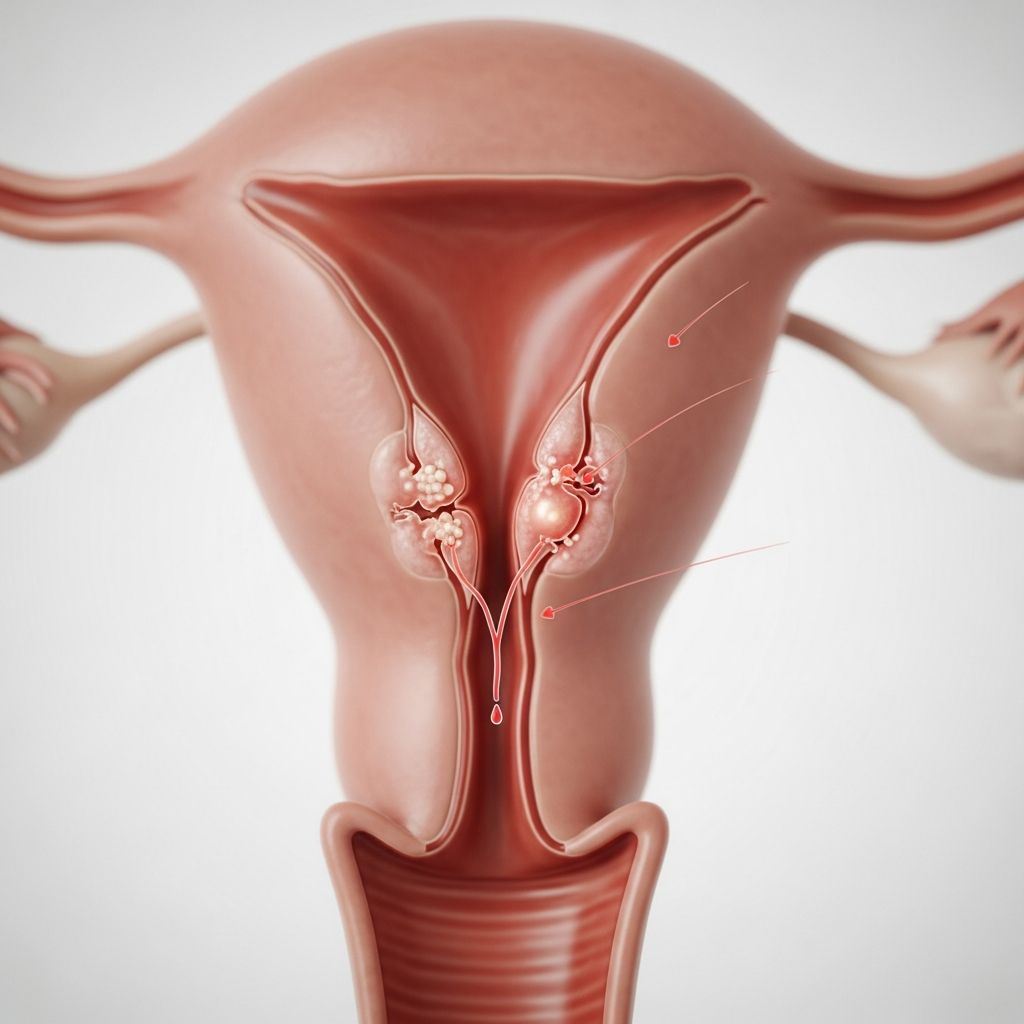
Cervical cancer often develops without early symptoms, but recognizing warning signs like abnormal vaginal bleeding and unusual discharge can lead to earlier diagnosis and treatment. Regular screenings are essential for prevention.
What Is Cervical Cancer?
Cervical cancer forms in the cells of the cervix, the lower part of the uterus connecting to the vagina. It begins when healthy cells undergo DNA changes, causing uncontrolled growth into tumors. Most cases are linked to persistent human papillomavirus (HPV) infection, a common sexually transmitted virus.
The cervix has two main cell types: squamous cells on the outer surface and glandular cells lining the canal. Cancers typically start at their boundary. Squamous cell carcinoma is the most common type, followed by adenocarcinoma.
Advancements in Pap tests and HPV vaccines have reduced cervical cancer deaths by over 50% in recent decades, making it one of the most preventable cancers.
Early Symptoms of Cervical Cancer
Early-stage cervical cancer frequently produces no noticeable symptoms, which is why routine screening is critical. When symptoms appear, they often mimic less serious conditions, delaying diagnosis.
- Abnormal vaginal bleeding: This is the most common early sign, including bleeding after sex, between periods, heavier or longer periods, or post-menopause bleeding.
- Unusual vaginal discharge: Watery, bloody, or foul-smelling discharge may occur as tumor cells break down.
- Pelvic pain or pain during intercourse: Discomfort in the pelvis or dyspareunia (painful sex) can signal early tumor growth.
These symptoms warrant immediate medical evaluation, as they can also stem from infections, fibroids, or other issues. Only a healthcare provider can confirm through exams like Pap smears or colposcopy.
Symptoms of Advanced Cervical Cancer
As cancer spreads beyond the cervix to nearby tissues or distant sites, symptoms intensify and become more diverse. Advanced stages may involve the bladder, rectum, bones, or lymph nodes.
- Urinary or bowel issues: Painful urination, blood in urine, difficult bowel movements, or rectal bleeding.
- Persistent pain: Dull backache, abdominal pain, or leg pain from nerve compression and swelling.
- Swelling: Leg edema due to blocked lymph vessels.
- Fatigue and systemic effects: Extreme tiredness, unexplained weight loss, loss of appetite.
Women may also experience anemia from chronic bleeding, leading to dizziness or weakness. Ignoring these can worsen prognosis, as early intervention improves survival rates.
Risk Factors for Cervical Cancer
Understanding risks helps prioritize screening. Primary cause is high-risk HPV strains, contracted via sexual contact. The immune system clears most infections, but persistent ones lead to precancerous changes.
| Risk Factor | Description |
|---|---|
| HPV Infection | Over 90% of cases; preventable with vaccination. |
| Multiple Sexual Partners | Increases HPV exposure risk. |
| Smoking | Weakens immunity, promotes cell changes. |
| Weakened Immune System | E.g., HIV, organ transplant patients. |
| Early Sexual Activity | Higher lifetime HPV risk. |
| Long-term Birth Control Use | Over 5 years may slightly elevate risk. |
Related Stories



Family history and prior cervical abnormalities also factor in. HPV vaccination (e.g., Gardasil) for ages 9-45 prevents most cases.
How Cervical Cancer Is Diagnosed
Diagnosis starts with screening: Pap test (every 3-5 years) detects abnormal cells; HPV test identifies high-risk strains. Abnormal results prompt colposcopy, biopsy, or endocervical curettage.
Staging uses imaging (CT, MRI, PET) and exams to assess spread. Early detection via screening catches 90% of cases precancerous, curable with procedures like LEEP or cone biopsy.
Treatment Options for Cervical Cancer
Treatment depends on stage, size, and patient health. Options include:
- Surgery: Hysterectomy or trachelectomy for early stages.
- Radiation: Often combined with chemotherapy for locally advanced disease.
- Chemotherapy: Drugs like cisplatin for spread.
- Targeted/Immunotherapy: For advanced cases.
- Palliative care: Manages pain and symptoms in late stages.
Survival rates exceed 90% for localized cancer but drop to 18% if distant spread occurs. Multidisciplinary care improves outcomes.
Prevention and Screening Guidelines
Prevention focuses on HPV vaccination (ages 9-26 ideally, up to 45), safe sex, and no smoking. Screening: Ages 21-29 Pap every 3 years; 30-65 Pap + HPV every 5 years or Pap every 3. Post-65 if adequate prior screening.
WHO aims to eliminate cervical cancer via 90-70-90 targets: 90% vaccinated girls, 70% screened by 35/45, 90% treated.
Frequently Asked Questions (FAQs)
Does cervical cancer always cause symptoms?
No, early stages are often asymptomatic, emphasizing regular Pap/HPV screening.
Can cervical cancer be prevented?
Yes, HPV vaccination prevents most cases; combined with screening, it’s highly preventable.
What does cervical cancer discharge look like?
Watery, bloody, pale, brown, or foul-smelling.
Is cervical cancer hereditary?
Not directly, but shared risks like HPV exposure can run in families. Genetic factors are rare.
How fast does cervical cancer progress?
From HPV to invasive cancer takes 10-20 years, allowing screening intervention.
When to See a Doctor
Consult a provider for any abnormal bleeding, persistent discharge, pelvic pain, or post-coital discomfort. Prompt evaluation prevents progression.
References
- Cervical Cancer Symptoms — National Cancer Institute. 2023. https://www.cancer.gov/types/cervical/symptoms
- Recognize the Risks and Signs of Cervical Cancer — Northern Nevada Health. 2023. https://northernnevadahealth.com/recognize-the-risks-and-signs-of-cervical-cancer/
- Don’t Ignore These Cervical Cancer Warning Signs — UnityPoint Health. 2023-01-31. https://www.unitypoint.org/news-and-articles/dont-ignore-these-cervical-cancer-warning-signs
- Cervical Cancer – Symptoms and Causes — Mayo Clinic. 2023-11-03. https://www.mayoclinic.org/diseases-conditions/cervical-cancer/symptoms-causes/syc-20352501
- Cervical Cancer — World Health Organization. 2024-02-01. https://www.who.int/news-room/fact-sheets/detail/cervical-cancer
Similar Articles








Read full bio of medha deb