Cervical Cap: Contraceptive, How To Use & Effectiveness
Complete guide to cervical caps: effectiveness, usage, benefits, and important health considerations.
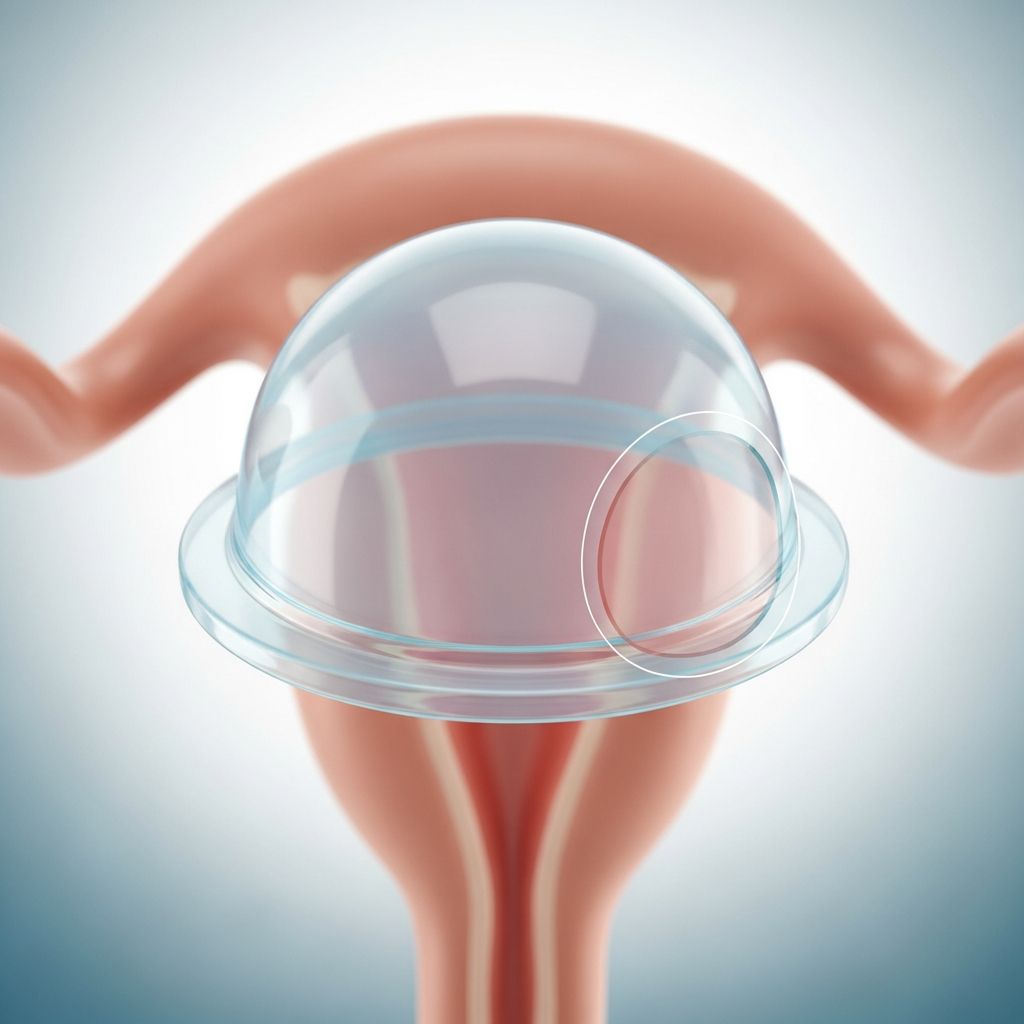
Understanding the Cervical Cap
A cervical cap is a small, reusable birth control device designed to create a physical barrier that prevents sperm from entering your cervix and uterus. Made from silicone or rubber, this hormone-free contraceptive method has been used for decades and remains a viable option for individuals seeking non-hormonal pregnancy prevention. The cervical cap works by covering your cervix during sexual intercourse, blocking the pathway that sperm would normally take to fertilize an egg.
Many people describe the cervical cap as resembling a sailor’s hat, featuring a wide, upturned brim with a dome or bowl-shaped center. It includes a strap across the dome to help with removal after use. The only cervical cap currently approved for use in the United States is sold under the brand name FemCap®. Unlike over-the-counter contraceptives, cervical caps require a prescription from a healthcare provider who will fit you with the appropriate size.
How Cervical Caps Work
The cervical cap functions as a physical barrier method of contraception. When properly inserted before sexual intercourse, it covers your cervix completely, creating a seal through natural suction that keeps it in place against your cervical opening. This barrier prevents sperm from passing through the cervix into the uterus where fertilization could occur.
For maximum effectiveness, spermicide should always be used in conjunction with your cervical cap. The spermicide—available in cream, gel, or foam formulations—is applied to the cap to provide additional protection by killing any sperm that might escape around the cap’s edges. This combination approach significantly increases the contraceptive effectiveness of the device.
Sizing and Fitting Your Cervical Cap
Cervical caps come in three different sizes: small, medium, and large. Proper sizing is crucial for effectiveness and comfort. Your healthcare provider will perform an examination to determine which size is appropriate for your cervix. A poor fit can substantially reduce the cap’s effectiveness and increase your risk of unintended pregnancy, making professional fitting essential.
Certain life changes require refitting your cervical cap. These include having a baby, undergoing pelvic surgery, experiencing significant weight changes (20 pounds or more), or having an abortion. Your healthcare provider will help you understand whether you need a different size based on these changes.
Effectiveness Rates
The effectiveness of a cervical cap depends on several factors, including whether you’ve had a vaginal delivery and how consistently you use it correctly. For people who have never given birth vaginally, cervical caps are approximately 80% to 90% effective with perfect use. However, typical use (accounting for inconsistent or incorrect application) results in effectiveness rates closer to 86%.
If you have experienced a vaginal delivery, the effectiveness decreases to approximately 60% to 74% with perfect use. This reduction occurs because your vagina and cervix stretch during childbirth, affecting how snugly the cap fits over your cervix. Typical use effectiveness for people who have given birth drops to approximately 71%.
Related Stories



These effectiveness rates mean that with typical use, approximately 20 out of every 100 people will become pregnant during the first year of use. For comparison, cervical caps are less effective than other contraceptive options like hormonal patches, contraceptive rings, birth control pills, and intrauterine devices (IUDs).
How to Insert and Use Your Cervical Cap
Proper insertion technique is essential for your cervical cap to provide adequate contraceptive protection. Before each use, inspect your cap for holes or damage that might compromise its barrier function. If your cap shows any signs of damage, do not use it.
The cervical cap can be inserted anytime from 15 minutes to 40 hours before sexual intercourse. This flexibility allows you to insert it at your convenience, though many people prefer to insert it shortly before anticipated sexual activity. You may need to practice several times to master the insertion technique—your healthcare provider can guide you through the process and answer any questions.
After sexual intercourse, leave your cervical cap in place for at least six hours before removing it. However, do not leave it in longer than 48 hours total. If you have repeated sexual intercourse within the 48-hour window, add more spermicide each time before having sex. This continuous protection without reinsertion is one advantage cervical caps offer over some other barrier methods.
Benefits of Using a Cervical Cap
Cervical caps offer several important advantages for individuals seeking contraception:
- Reusable and relatively inexpensive, lasting up to two years with proper care
- Small and portable, easy to carry discreetly in a purse or travel bag
- Requires less spermicide compared to diaphragms
- Completely hormone-free, making it suitable for individuals who cannot or prefer not to use hormonal contraception
- Rarely interferes with sexual experience or sensation
- Allows for repeated intercourse within a 48-hour period without reinsertion, provided spermicide is reapplied
- Immediately reversible with no effects on fertility—you can become pregnant as soon as you stop using the cap
Disadvantages and Limitations
While cervical caps offer benefits, they also have several important limitations to consider:
- Requires consistent and correct use for each sexual encounter to maintain effectiveness
- Spermicide can be messy and may feel uncomfortable for some users
- Requires a prescription and professional fitting from a healthcare provider
- May contribute to urinary tract infections in some users
- Provides no protection against sexually transmitted infections (STIs)
- May cause cervical changes, including cervicitis in some cases
- Requires regular cleaning and proper storage to maintain functionality
- May need resizing following pregnancy, abortion, pelvic surgery, or significant weight changes
- Can occasionally get stuck on the cervix, requiring professional removal by your healthcare provider
- Less effective than other modern contraceptive options like hormonal methods or IUDs
Side Effects and Health Risks
Most users tolerate cervical caps well, but some may experience side effects. The most common side effect is vaginal irritation, which may result from the silicone material or the spermicide used with the cap. Some individuals report an increase in bladder infections or urinary tract infections when using cervical caps regularly.
A more serious but rare concern is toxic shock syndrome (TSS), which can occur if the cap is left in place for too long or if it’s worn during menstruation. To minimize this risk, always remove your cervical cap within 48 hours of insertion and never wear it during your period.
The cervical cap may also cause cervical changes in some users, including cervicitis (inflammation of the cervix). If you experience persistent vaginal irritation, abnormal discharge, or other concerning symptoms, contact your healthcare provider.
Who Should Not Use a Cervical Cap
Certain medical conditions and situations make cervical caps an inappropriate choice for contraception. You should not use a cervical cap if you have:
- An abnormally shaped cervix
- A history of pelvic inflammatory disease (PID)
- Abnormal pap smear results
- Severe cervicitis (inflammation of the cervix)
Additionally, you should not use a cervical cap if you are unable to be properly fitted with an appropriate size, if you’re allergic to silicone or spermicide components, or if you have difficulty inserting or removing the device.
Cost Considerations
The total cost of using a cervical cap includes several components. Healthcare provider office visits to obtain a prescription typically range from $50 to $200. The cervical cap itself costs between $15 and $50 dollars. Spermicidal jellies, foams, or creams range from $7 to $18 dollars per package. Since a cervical cap can last up to two years with proper care, the annual cost is relatively modest compared to monthly costs of some other contraceptive methods.
Most health insurance plans cover birth control devices, though you’ll need to verify coverage specifics with your insurance provider and obtain a prescription from your healthcare provider to access insurance benefits.
When You Need to Replace Your Cervical Cap
Your cervical cap may need replacement or refitting under several circumstances. Your healthcare provider will recommend refitting after:
- Giving birth
- Having an abortion
- Undergoing pelvic surgery
- Experiencing weight changes of 20 pounds or more
Regular replacement of spermicide is also necessary—never reuse spermicide, and ensure you have an adequate supply on hand. Additionally, inspect your cap regularly for damage, and replace it if holes or deterioration develop.
Reversibility and Fertility
One significant advantage of cervical caps is their complete reversibility. The cap has no effects on either male or female reproductive function. You can become pregnant immediately after discontinuing use, with no waiting period required. This makes cervical caps an ideal option for individuals who may want to become pregnant in the future but prefer a temporary contraceptive method now.
Important Warning Signs
Contact your healthcare provider immediately if you experience any of the following symptoms while using a cervical cap:
- Severe abdominal pain or cramping
- Fever
- Diarrhea or vomiting
- A general rash
- Fainting or dizziness
- Persistent vaginal irritation or abnormal discharge
- Signs of urinary tract infection
Additionally, contact your provider if you’re unable to remove the cervical cap or if it becomes stuck on your cervix, though this is a rare occurrence.
Comparison with Other Barrier Methods
| Characteristic | Cervical Cap | Diaphragm | IUD | Hormonal Pills |
|---|---|---|---|---|
| Hormone-free | Yes | Yes | Varies | No |
| Effectiveness (perfect use) | 80-90% | 88% | 99% | 91% |
| Requires prescription | Yes | Yes | Yes | Yes |
| STI protection | No | No | No | No |
| Duration of use | Up to 2 years | Up to 2 years | 10-12 years | Monthly |
| Immediate reversibility | Yes | Yes | Yes | Yes |
Frequently Asked Questions
Q: How long can I leave my cervical cap in place?
A: You must leave your cervical cap in place for at least six hours after your last sexual intercourse, but never longer than 48 hours total. Leaving it in longer increases your risk of toxic shock syndrome.
Q: Can I use my cervical cap during my menstrual period?
A: No, you should not wear your cervical cap during menstruation as this increases your risk of toxic shock syndrome, a rare but serious condition.
Q: What should I do if my cervical cap gets stuck?
A: While rare, if your cervical cap becomes stuck, contact your healthcare provider for safe removal. Do not attempt to force removal yourself.
Q: Is a cervical cap effective immediately upon insertion?
A: Yes, when properly inserted with spermicide, a cervical cap is effective immediately. It can be inserted anytime from 15 minutes to 40 hours before sexual intercourse.
Q: Can I have repeated intercourse with the same cap insertion?
A: Yes, you can have repeated intercourse within a 48-hour period without reinserting the cap, but you must add fresh spermicide each time before having sex.
Q: How do I clean and store my cervical cap?
A: Clean your cervical cap with mild soap and warm water after each use, dry it completely, and store it in a cool, dry place away from direct sunlight. Proper care helps your cap last up to two years.
Q: Will using a cervical cap affect my ability to become pregnant later?
A: No, cervical caps have no effects on reproductive function. You can become pregnant immediately after stopping use, with no waiting period required.
References
- Cervical Cap — American Pregnancy Association. 2024. https://americanpregnancy.org/unplanned-pregnancy/birth-control-pills-patches-and-devices/cervical-cap/
- Cervical Cap: Contraceptive, How To Use & Effectiveness — Cleveland Clinic. 2024. https://my.clevelandclinic.org/health/articles/17979-cervical-cap
- Barrier and Other Pericoital Contraceptives — Merck Manuals Professional. 2024. https://www.merckmanuals.com/professional/gynecology-and-obstetrics/family-planning/barrier-and-other-pericoital-contraceptives
- Nonhormonal Birth Control: All the Options — Flo Health. 2024. https://flo.health/menstrual-cycle/sex/birth-control/non-hormonal-birth-control
- Update on Current Contraceptive Options: A Case-Based Discussion — Cleveland Clinic Journal of Medicine. 2023. https://www.ccjm.org/content/90/3/181
Similar Articles








Read full bio of medha deb