Cervical Cerclage: Purpose, Procedure, Risks & Results
Comprehensive guide to cervical cerclage: prevention of premature birth through surgical intervention.
Understanding Cervical Cerclage: A Complete Overview
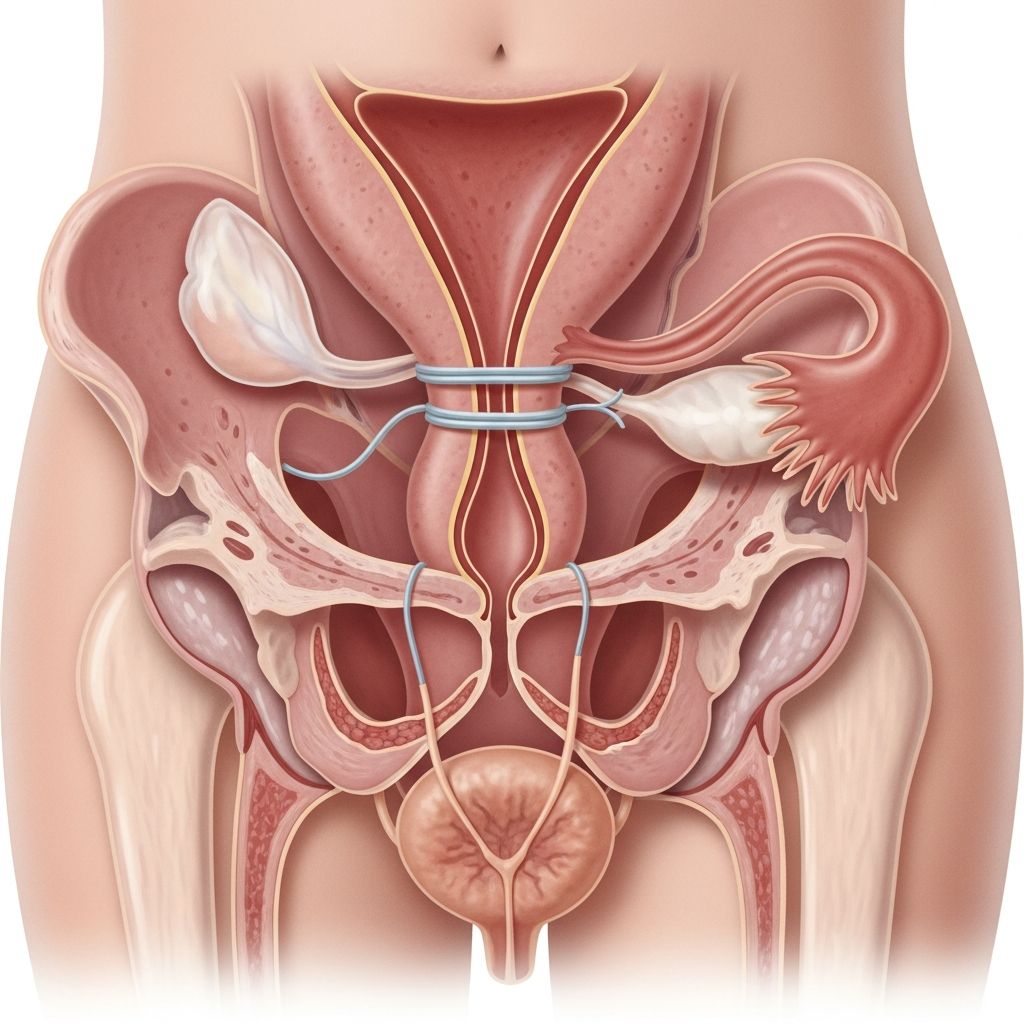
Cervical cerclage is a surgical procedure designed to prevent premature birth and miscarriage in pregnancies complicated by cervical insufficiency, commonly referred to as an incompetent or weakened cervix. During this procedure, your healthcare provider places one or several sutures (stitches) in the opening of your cervix to keep it safely closed during pregnancy. This intervention is particularly important for women whose cervices cannot naturally remain closed during pregnancy, creating a risk of early labor or pregnancy loss.
The procedure has become a cornerstone of maternal medicine, offering hope to women who have experienced previous pregnancy losses or who are at high risk for preterm labor. Understanding the purpose, procedure, risks, and expected outcomes can help expectant mothers make informed decisions about their pregnancy care with their healthcare provider.
What Is Cervical Cerclage?
Cervical cerclage, also known as a cervical stitch, is a minimally invasive surgical intervention performed to strengthen and support a weakened cervix during pregnancy. The cervix is a funnel-shaped tissue that normally remains closed throughout pregnancy and opens during labor to allow the baby to pass through the vagina into the birth canal. When the cervix is weakened or incompetent, it may begin to dilate prematurely, potentially leading to miscarriage or premature birth.
By placing sutures around the cervix, the procedure mechanically closes the cervical opening and provides structural support to prevent early dilation. This allows the pregnancy to progress to full term or until the appropriate time for delivery. The sutures are typically removed around 37 weeks of pregnancy or earlier if labor begins, allowing for vaginal delivery if desired and medically appropriate.
When Is Cervical Cerclage Recommended?
Healthcare providers recommend cervical cerclage for specific situations where the benefits clearly outweigh the potential risks. Your provider may recommend this procedure if:
- You have a history of preterm birth or second-trimester miscarriage due to cervical insufficiency
- Ultrasound imaging reveals a shortened cervix during your current pregnancy
- You have a history of cervical procedures or trauma that may have weakened your cervix
- You are experiencing symptoms of cervical insufficiency, such as unusual vaginal discharge or pressure sensations
- You have been diagnosed with an incompetent cervix in a previous pregnancy
It is important to discuss with your healthcare provider any past pregnancies, miscarriages, and procedures you have had. This information helps your provider determine whether cervical cerclage is appropriate for your specific situation.
Timing of the Procedure
The timing of cervical cerclage placement is crucial for its effectiveness. If your doctor recommends a cervical stitch because you have had problems with a previous pregnancy, it should ideally be done between 12 to 14 weeks into your pregnancy, before your cervix begins to thin out. Performing the procedure at this optimal window allows for the best chance of successful pregnancy continuation.
In some cases, if cervical insufficiency is detected later in pregnancy and your cervix is already starting to shorten, the procedure is called an emergent cerclage. If performed after 14 weeks, you have a greater chance of needing another cerclage in future pregnancies. Generally, the procedure can be performed up to 24 weeks of pregnancy. Past this date, a cervical stitch could cause the amniotic sac to rupture and trigger premature delivery, making it contraindicated.
Related Stories



Pre-Procedure Preparation and Evaluation
Before undergoing cervical cerclage, thorough preparation and evaluation are essential. Your healthcare provider will review your complete health history, including any past complications from pregnancies or surgeries you may have had on your cervix. This conversation is an important opportunity to discuss your medical background in detail.
Your provider will examine your cervix prior to the procedure by placing a speculum inside your vagina so they can visualize your cervix clearly, similar to a routine Pap smear examination. They may also perform a transvaginal ultrasound to assess cervical length and confirm the diagnosis of cervical insufficiency.
Your healthcare provider will likely ask you to abstain from sexual intercourse for a week prior to your procedure to minimize any risk of infection or complications. Additionally, it is normal to feel nervous or have questions before undergoing this procedure. This is an excellent time to ask your healthcare provider any questions or discuss any concerns you may have about the procedure and recovery process.
Types of Cervical Cerclage Procedures
There are two main types of cervical cerclage procedures, each with specific applications depending on your individual circumstances:
Transvaginal Cerclage
This is the most common method of placing a cervical cerclage. During a transvaginal cerclage, your doctor uses a tool called a speculum to hold your vagina open in order to reach the cervix. They then stitch the cervix closed using specialized surgical techniques. This approach is minimally invasive, performed through the vaginal canal, and typically done in an office or outpatient surgical setting. Most women are able to return home the same day following this procedure.
Transabdominal Cerclage
You might need a transabdominal cerclage if you had a transvaginal cervical stitch before and it did not work, or if your cervix is too short for a vaginal approach. During this procedure, your doctor makes a small cut in your abdomen. They may need to pull your uterus up to reach your cervix and close it with sutures. This approach requires a slightly longer recovery period but may be necessary in specific clinical situations.
What to Expect During the Procedure
Cervical cerclage is an outpatient procedure typically performed by your healthcare provider in their office or a hospital setting. The procedure generally takes only a few minutes to complete. During the procedure, you will receive local anesthesia to minimize discomfort, and your healthcare provider will carefully place sutures around the cervical opening to maintain its closure throughout your pregnancy.
It is normal to feel some cramping and light bleeding or spotting for a few days after the procedure. These are expected postoperative symptoms that typically resolve within a week. Most women can return to normal activities such as work or school the next day, though this should be individualized based on how you feel.
Postoperative Care and Recovery
Proper postoperative care is essential for optimal healing and pregnancy outcomes. You should plan to rest on the day of your procedure and avoid attending school or work if possible. Your healthcare provider will want you to allow plenty of time for your stitches to heal—approximately 10 days—before you engage in any strenuous exercise or sexual intercourse.
During your recovery period, follow these important guidelines:
- Avoid sexual intercourse for at least 10 days after the procedure
- Refrain from strenuous physical activity and heavy lifting
- Wear comfortable, loose-fitting clothing to minimize pressure on the surgical site
- Take prescribed medications as directed by your healthcare provider
- Keep all follow-up appointments for monitoring and assessment
- Report any unusual symptoms or concerns to your healthcare provider immediately
It is important to follow your healthcare provider’s aftercare instructions carefully and keep any follow-up appointments so they can monitor your pregnancy and ensure proper healing of the cerclage.
Risks and Potential Complications
Like any medical procedure, cervical cerclage carries certain risks that you should discuss thoroughly with your healthcare provider. Your healthcare provider will only recommend a cerclage procedure if the benefits outweigh the risks. Potential complications may include:
- Infection at the surgical site or in the uterus
- Vaginal bleeding or spotting beyond the expected postoperative period
- Allergic reactions to anesthesia or suture materials
- Cervical trauma or injury during suture placement
- Uterine contractions or cramping
- Preterm rupture of membranes
- In rare cases, failure of the procedure to prevent preterm labor
Your healthcare provider will assess your individual risk factors and medical history to determine whether cervical cerclage is the right choice for your pregnancy. Open communication with your healthcare team is essential for managing any concerns that may arise.
Cerclage Removal and Delivery
Your cerclage will stay in place until your pregnancy reaches full term, typically around the 37th week of pregnancy. When it comes time to remove your cerclage, you will follow many of the same steps as when you had your cerclage placed. Your healthcare provider will remove your cerclage in their office where the removal procedure should only take a few minutes.
If you have had a transvaginal cerclage placed, your doctor will take out the cervical stitches before you give birth, usually around 37 weeks of pregnancy. They will do it sooner if you go into labor before this time. If you have a transabdominal cerclage, you will have to deliver by cesarean section, as vaginal delivery would not be safe with the sutures in place.
Your cerclage can be removed sooner if your water breaks or you go into labor, as leaving sutures in place during active labor could complicate delivery and cause additional complications.
When to Contact Your Healthcare Provider
Call your healthcare provider right away if you experience any of the following symptoms or conditions:
- Severe abdominal or pelvic pain
- Heavy vaginal bleeding or soaking through pads
- Signs of infection, including fever above 100.4°F (38°C)
- Foul-smelling vaginal discharge
- Leakage of clear fluid from the vagina, suggesting rupture of membranes
- Regular uterine contractions or cramping
- Difficulty urinating or painful urination
- Persistent nausea or vomiting
- Any other symptoms that concern you
Prompt reporting of these symptoms allows your healthcare provider to address any complications quickly and protect both your health and your pregnancy.
Success Rates and Outcomes
Cervical cerclage is successful in nearly 90% of cases, offering substantial hope for women with cervical insufficiency. However, it is important to understand that outcomes can vary based on individual circumstances, the timing of the procedure, and the severity of cervical insufficiency.
Success generally means that the pregnancy continues to at least 37 weeks, reducing the risk of complications associated with prematurity. Many babies born to mothers who had cerclage procedures have excellent outcomes with minimal health complications.
People diagnosed with short or incompetent cervix in one pregnancy can have this condition in subsequent pregnancies. Therefore, it is important to discuss with your healthcare provider how to plan for healthy pregnancies in the future and whether cerclage may be recommended again if you become pregnant again.
Frequently Asked Questions
Q: Is cervical cerclage painful?
A: The procedure is performed under local anesthesia, so you should not experience significant pain during the procedure. Some women report mild discomfort or cramping, but this is generally well-tolerated. Postoperative discomfort is usually mild and manageable with over-the-counter pain relief if needed.
Q: Can I have a vaginal delivery after cervical cerclage?
A: Yes, if you have a transvaginal cerclage, the sutures will be removed around 37 weeks of pregnancy, allowing you to proceed with vaginal delivery if medically appropriate. However, if you have a transabdominal cerclage, vaginal delivery is not possible, and you will need to deliver by cesarean section.
Q: How long does the cerclage procedure take?
A: The procedure typically takes only a few minutes to complete. Most women are able to go home the same day as an outpatient.
Q: Will I need another cerclage in future pregnancies?
A: If you had a weakened cervix in one pregnancy, there is an increased likelihood that you may experience similar issues in future pregnancies. Your healthcare provider can discuss preventive strategies, which may include cerclage placement, progesterone supplementation, or more frequent cervical monitoring with ultrasound.
Q: What happens if my water breaks before the cerclage is removed?
A: If your water breaks before your planned cerclage removal, contact your healthcare provider immediately. The cerclage will need to be removed promptly to prevent infection and complications, and delivery will be managed based on how far along you are in your pregnancy.
Making the Decision: Discussing Options with Your Healthcare Provider
If you have been diagnosed with cervical insufficiency or are at high risk for preterm labor, it is natural to feel frightened or have questions about your pregnancy management options. While it might seem scary to consider cerclage treatment, this procedure is a well-established and effective intervention that has helped countless women carry their pregnancies to term safely.
Talk openly with your healthcare provider about how to plan for a healthy pregnancy. Ask them any questions you have and talk through your concerns. Your healthcare team is there to support you and provide evidence-based recommendations tailored to your individual circumstances. By working collaboratively with your providers, you can make informed decisions that optimize the chances for a healthy pregnancy and positive birth outcome.
References
- Cervical Cerclage: Purpose, Procedure, Risks & Results — Cleveland Clinic. 2024. https://my.clevelandclinic.org/health/treatments/17970-cervical-cerclage
- Cervical Cerclage To Prevent Premature Delivery — WebMD. 2024. https://www.webmd.com/baby/pregnancy-cervical-cerclage
- Incompetent Cervix: Causes, Symptoms & Treatments — Cleveland Clinic. 2024. https://my.clevelandclinic.org/health/diseases/17912-incompetent-cervix
Similar Articles








Read full bio of medha deb