Cervical Dysplasia (CIN): Causes, Symptoms & Treatment
Understanding cervical intraepithelial neoplasia: prevention, detection, and comprehensive treatment options.
Understanding Cervical Dysplasia (CIN)
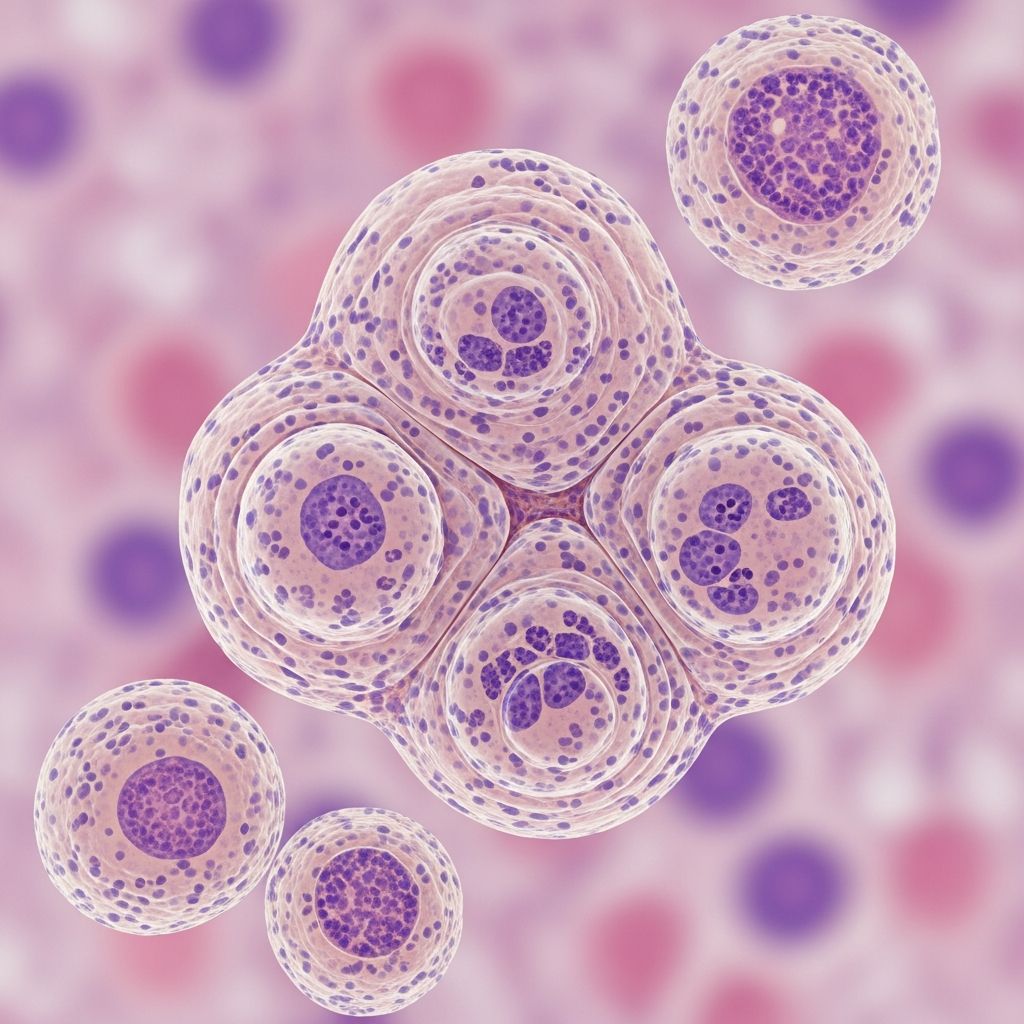
Cervical dysplasia is a precancerous condition that develops when abnormal cells grow on the surface of the cervix. Also known as cervical intraepithelial neoplasia (CIN), this condition represents a critical stage in cervical health where early detection and intervention can prevent the development of cervical cancer. The term “intraepithelial” refers to the location of these abnormal cells on the epithelium, the surface layer of the cervix, while “neoplasia” describes the abnormal growth of new cells. Understanding this condition is essential for women’s health, as approximately 100,000 women receive treatment for cervical dysplasia each year in the United States.
What Causes Cervical Dysplasia?
The primary cause of cervical dysplasia is infection with the human papillomavirus (HPV). HPV is an extremely common virus that infects at least 75% of women at some point during their adult lives. While the immune system typically clears HPV infections naturally, persistent infection with certain high-risk strains can lead to the development of abnormal cells on the cervix.
Among the numerous HPV strains, HPV-16 and HPV-18 are the most likely to cause cervical intraepithelial neoplasia and increase the risk of cervical cancer. However, it is important to note that not all women infected with HPV will develop CIN or cervical cancer. The progression from HPV infection to cervical dysplasia depends on various factors, including immune system strength, persistence of the infection, and individual susceptibility.
Beyond HPV infection, several other risk factors can increase the likelihood of developing cervical dysplasia:
- Smoking and tobacco use
- Weakened immune system or immunosuppression
- History of sexually transmitted infections
- Multiple sexual partners or early sexual activity
- Prolonged use of hormonal contraceptives
- Poor nutritional status
- History of abnormal Pap smears
Classification and Severity of CIN
Healthcare providers classify cervical intraepithelial neoplasia based on the extent of abnormal tissue visible under microscopic examination. This classification system helps determine the appropriate treatment approach and the likelihood of progression to cervical cancer.
CIN 1 (Low-Grade Dysplasia)
CIN 1 represents the mildest form of cervical dysplasia, where abnormal cells occupy the lower third of the epithelial tissue. Importantly, CIN 1 rarely becomes cancer and often resolves on its own without treatment. Studies show that only about 1% of CIN 1 cases eventually progress to cervical cancer, and many women’s immune systems successfully eliminate the abnormal cells naturally.
CIN 2 (Intermediate-Grade Dysplasia)
CIN 2 involves abnormal cells extending through approximately one-half to two-thirds of the epithelial tissue thickness. This classification represents moderate dysplasia and is more likely to require treatment compared to CIN 1 to prevent potential progression to cancer.
CIN 3 (High-Grade Dysplasia)
CIN 3 represents the most severe form of cervical intraepithelial neoplasia, with abnormal cells extending through more than two-thirds of the epithelial tissue, sometimes affecting the full thickness. CIN 3 carries a significantly higher risk of progression to cancer if left untreated and requires prompt medical intervention.
Symptoms and Detection
One of the most important characteristics of cervical dysplasia is that it typically produces no noticeable symptoms in the early stages. Most women with CIN do not experience any warning signs or physical manifestations of the condition. This absence of symptoms underscores the critical importance of regular cervical cancer screening through Pap smears, which remain the most effective method for detecting abnormal cells before they progress to cancer.
Related Stories



The routine Pap smear is the primary screening tool for detecting cervical dysplasia. During this simple office procedure, a healthcare provider gently collects cells from the surface of the cervix using a small brush or spatula. These cells are then examined under a microscope to identify any abnormalities. When abnormal cells are detected during a Pap smear, further diagnostic testing becomes necessary.
Diagnostic Procedures
Pap Smear Screening
The Pap smear remains the gold standard for cervical cancer screening and the primary method for detecting cervical dysplasia. This relatively simple, quick, and cost-effective procedure can identify precancerous changes years before they develop into cervical cancer, allowing for timely intervention.
Colposcopy
When abnormal cells are detected during a Pap smear, healthcare providers typically perform a colposcopy to examine the cervix more closely. During this procedure, a specialized magnifying instrument called a colposcope is used to visualize the cervix and surrounding areas in greater detail. This magnification allows the provider to identify specific areas of concern that may require further evaluation.
Biopsy
During colposcopy, if suspicious areas are identified, a biopsy may be performed. This involves removing a small tissue sample from the abnormal area for laboratory analysis. The biopsy tissue is examined under a microscope by a pathologist to determine the exact classification of any dysplasia present, which is essential for guiding appropriate treatment decisions.
Treatment Options for Cervical Dysplasia
Treatment recommendations for cervical dysplasia depend on several important factors, including the classification of CIN, the patient’s age, general health status, and fertility considerations. Healthcare providers carefully weigh these factors when determining the most appropriate treatment approach for each individual patient.
CIN 1 Management
CIN 1 is often not treated, as the condition frequently resolves itself and very rarely leads to cancer. Instead of immediate treatment, patients with CIN 1 may be asked to attend more regular Pap smears to allow their healthcare provider to monitor for any progression of abnormal cells. This watchful waiting approach is appropriate because the majority of CIN 1 cases clear naturally through immune system response.
If treatment is deemed necessary for CIN 1, several options are available:
- Laser ablation to destroy abnormal cells
- Cryotherapy (freezing the cells)
- Thermal cautery (heat-based cell destruction)
CIN 2 and CIN 3 Treatment
CIN 2 and CIN 3 require removal of the abnormal cells to prevent progression to cancer. These higher-grade dysplasias have a significantly higher potential to develop into cervical cancer if left untreated. Several procedures are available for removing abnormal cervical tissue:
- Loop Electrosurgical Excision Procedure (LEEP): Uses a thin wire loop with electrical current to remove abnormal tissue
- Cold Knife Conization: Involves using a scalpel to remove a cone-shaped section of cervical tissue
- Laser Conization: Uses laser energy to precisely remove abnormal tissue
- Hysterectomy: Surgical removal of the uterus, considered only in specific circumstances
These excisional procedures serve the dual purpose of removing the abnormal cells and providing tissue samples that can be examined to confirm the diagnosis and ensure complete removal of the dysplastic tissue.
Treatment Success and Recovery
Treatment for cervical dysplasia is usually successful, with approximately 90% of cases being cured through these procedures. The chance of recurrence following appropriate treatment is relatively low. Additionally, progression to cervical cancer is rare and typically takes many years to develop if it occurs. This extended timeline means that even if recurrence happens, regular monitoring allows for detection and treatment before cancer develops.
Follow-Up and Surveillance
Following treatment for cervical dysplasia, careful follow-up monitoring is essential to ensure that abnormal cells do not return and to detect any progression to cancer at the earliest possible stage. Healthcare providers typically recommend Pap smears every three to six months for one to two years following treatment. After this initial intensive monitoring period, patients can usually resume yearly Pap smears as part of routine cervical cancer screening.
Some healthcare providers may recommend extended surveillance based on individual risk factors and the original classification of dysplasia. This personalized approach ensures that each patient receives appropriate monitoring based on their specific clinical situation.
Impact on Fertility and Pregnancy
Women diagnosed with cervical dysplasia often have concerns about how the condition and its treatment might affect their ability to become pregnant or maintain a pregnancy. It is important to note that procedures used to treat cervical dysplasia can impact fertility in some cases. However, many women are able to conceive and have successful pregnancies following treatment.
If a woman is pregnant or planning to become pregnant, it is crucial to discuss these concerns with her healthcare provider. The provider can explain how the specific treatment options might affect fertility and pregnancy plans, allowing for informed decision-making that balances the need for treatment with reproductive goals.
Prevention Strategies
While cervical dysplasia is primarily caused by HPV infection, several strategies can help prevent or reduce the risk of developing this condition:
- HPV Vaccination: The HPV vaccine is highly effective at preventing infection with high-risk HPV strains (HPV-16 and HPV-18). Vaccination is most effective when given before sexual activity begins but can provide benefits to older women as well.
- Regular Screening: Routine Pap smears allow for early detection of abnormal cells before they progress to cancer.
- Smoking Cessation: Quitting smoking reduces the risk of HPV-related cervical dysplasia.
- Safe Sexual Practices: Using barrier contraception like condoms can reduce HPV transmission risk.
- Limiting Sexual Partners: Reducing the number of sexual partners decreases exposure to HPV.
Prognosis and Outlook
The prognosis for cervical dysplasia is generally favorable, particularly when the condition is detected early through screening and appropriately managed. Most people with CIN do not develop cervical cancer, and even when progression occurs, it typically takes many years, providing ample opportunity for detection and treatment. The development of effective screening methods and treatment options has dramatically reduced cervical cancer incidence and mortality in countries with robust screening programs.
Frequently Asked Questions
Q: Can cervical dysplasia go away on its own?
A: Yes, especially CIN 1. Many cases of low-grade dysplasia resolve spontaneously as the immune system clears the HPV infection. This is why CIN 1 is often monitored rather than immediately treated. However, higher grades of dysplasia (CIN 2 and CIN 3) typically require treatment to prevent progression to cervical cancer.
Q: Does cervical dysplasia always lead to cervical cancer?
A: No. Most people with cervical dysplasia do not develop cervical cancer. When progression does occur, it typically takes many years. Regular screening and appropriate treatment significantly reduce the risk of developing cervical cancer.
Q: How often should I have Pap smears if I have cervical dysplasia?
A: Following treatment for cervical dysplasia, healthcare providers typically recommend Pap smears every three to six months for one to two years. After this intensive monitoring period, you can usually resume yearly screening.
Q: Will treatment for cervical dysplasia affect my ability to have children?
A: Some procedures used to treat cervical dysplasia may potentially affect fertility. It is important to discuss your reproductive goals with your healthcare provider before treatment so you can make an informed decision about the best approach for your situation.
Q: What causes cervical dysplasia?
A: Cervical dysplasia is primarily caused by persistent infection with high-risk strains of human papillomavirus (HPV), particularly HPV-16 and HPV-18. Other risk factors include smoking, weakened immune system, and history of sexually transmitted infections.
Q: How is cervical dysplasia diagnosed?
A: Cervical dysplasia is typically detected through a routine Pap smear. If abnormal cells are found, a colposcopy (magnified examination of the cervix) and possibly a biopsy are performed to confirm the diagnosis and determine the severity of the dysplasia.
References
- Cervical Intraepithelial Neoplasia (CIN) – Cleveland Clinic Abu Dhabi — Cleveland Clinic Abu Dhabi. Accessed December 2025. https://www.clevelandclinicabudhabi.ae/en/health-hub/health-resource/diseases-and-conditions/cervical-intraepithelial-neoplasia-cin
- Center for Prevention of Cervical Cancer — Cleveland Clinic. Accessed December 2025. https://my.clevelandclinic.org/departments/obgyn-womens-health/depts/cervical-cancer-prevention-center
- Cervical Dysplasia (CIN): Causes, Symptoms & Treatment — Cleveland Clinic. Accessed December 2025. https://my.clevelandclinic.org/health/diseases/15678-cervical-intraepithelial-neoplasia-cin
- Redefining management of abnormal cervical cancer screening — Cleveland Clinic Journal of Medicine. 2019. https://www.ccjm.org/content/88/10/556
- Cone Biopsy (Conization): Procedure, Recovery & Results — Cleveland Clinic. Accessed December 2025. https://my.clevelandclinic.org/health/diagnostics/23381-cone-biopsy
- Cervical cancer screening in high-risk patients: Clinical challenges — Cleveland Clinic Journal of Medicine. 2022. https://www.ccjm.org/content/91/11/693
Similar Articles








Read full bio of medha deb