Cervical Ectropion: 3 Stages, Symptoms, And Treatments
Understand cervical ectropion: a common, benign condition affecting many women, with details on symptoms, progression, diagnosis, and management options.
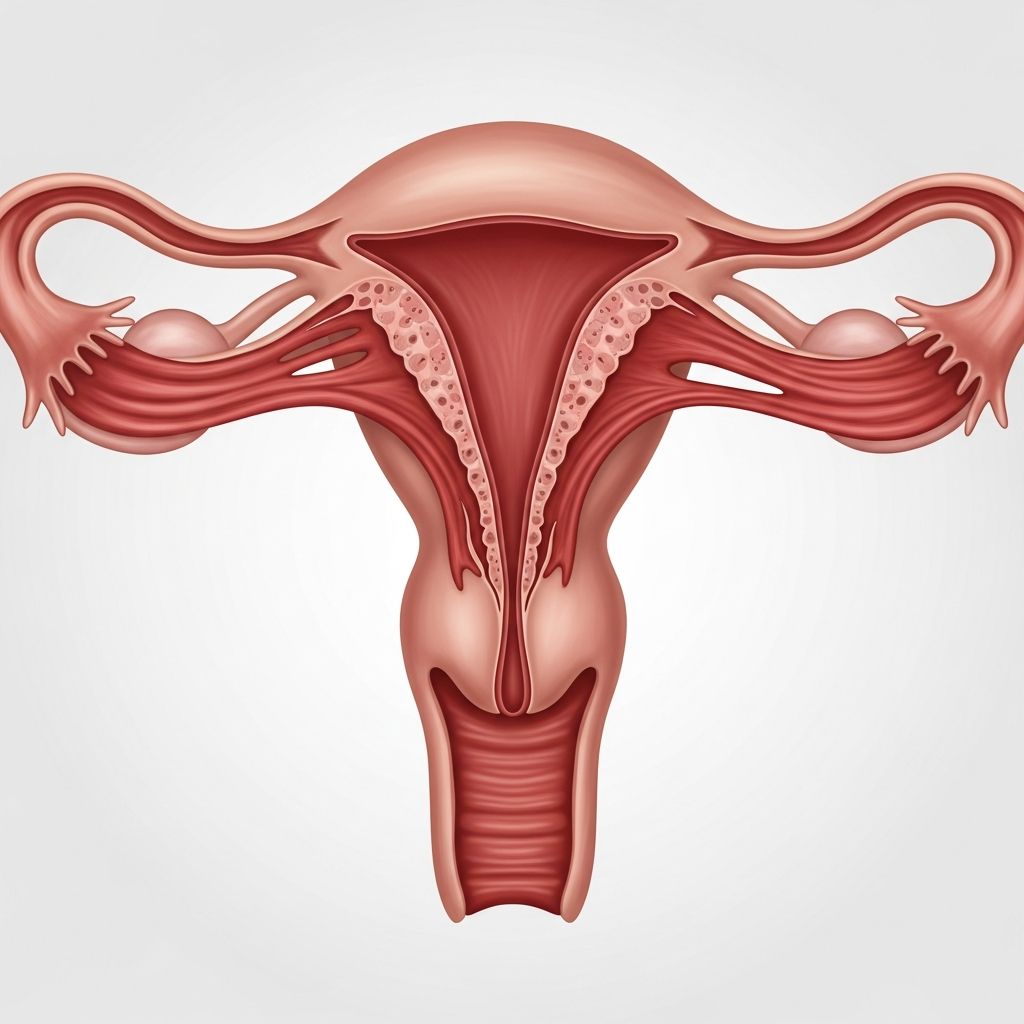
Cervical ectropion occurs when the soft, glandular cells that normally line the inside of the cervical canal extend to the outer surface of the cervix. This creates a red, inflamed appearance and can lead to various symptoms, though many women remain asymptomatic. It is a benign condition prevalent among women of reproductive age, particularly those who are sexually active, pregnant, or using hormonal contraceptives.
Understanding the Anatomy Involved
The cervix serves as the lower part of the uterus connecting to the vagina. It features two main cell types: squamous cells on the exterior, which are tough and protective, and columnar glandular cells inside the canal, which produce mucus. In cervical ectropion, these glandular cells migrate outward to the transformation zone, where the two cell types meet. This exposure makes the area more fragile and prone to irritation from vaginal acidity or friction.
The condition, sometimes misnamed cervical erosion, does not involve actual tissue loss but rather an eversion or displacement of inner cells. It appears reddish on examination due to visible blood vessels beneath the thin epithelium.
Who Is Most at Risk?
Cervical ectropion affects up to 80% of sexually active adolescents and many women during their childbearing years. Key risk factors include:
- High estrogen levels from pregnancy, puberty, or oral contraceptives, which promote glandular cell growth.
- Recent childbirth, as hormonal shifts and cervical trauma contribute.
- Teenage girls and young women due to ongoing cervical maturation.
It is congenital in some newborns but typically resolves post-puberty. Unlike cancer precursors, it carries no malignant potential.
Recognizing Symptoms Across Progression Stages
Symptoms vary by severity, often correlating with the extent of glandular cell exposure. Many cases are silent, discovered incidentally during pelvic exams.
Early-Stage Manifestations (Mild Ectropion)
In initial phases, affecting around 30% of the cervical surface, changes are subtle. Common signs include:
- Increased vaginal discharge, often clear or mucoid, sometimes tinged yellow or with bubbles.
- Mild itching or irritation in the vulvovaginal area without significant disruption.
These mimic ovulation or minor infections, prompting few to seek care early.
Moderate Involvement
When ectropion covers 50-70% of the cervix, symptoms intensify:
- Postcoital spotting or bleeding from fragile vessels.
- Pain or soreness during intercourse (dyspareunia).
- Abnormal discharge with odor, indicating secondary infection.
- Lower abdominal discomfort resembling cramps.
At this point, cervicitis may develop if bacteria colonize the exposed area.
Advanced Presentation
Severe ectropion, exceeding 70% coverage, brings pronounced issues:
- Heavy, foul-smelling discharge.
- Intermenstrual or postcoital bleeding.
- Pelvic pain, backache, or urinary symptoms like dysuria.
- Fatigue, libido decline, or cycle irregularities from chronic inflammation.
Untreated progression risks complications like recurrent infections, though infertility links are rare and indirect.
Diagnosis: Confirming the Condition
Healthcare providers diagnose via speculum exam, revealing a red, velvety ring around the cervical os. Colposcopy magnifies for detail, distinguishing from polyps, infections, or neoplasia. Pap smears rule out dysplasia; biopsies are seldom needed as ectropion is benign.
Related Stories



To differentiate:
| Feature | Cervical Ectropion | Cervical Cancer (Early) |
|---|---|---|
| Appearance | Smooth red patch | Ulcerated, irregular |
| Symptoms | Discharge, spotting | Persistent bleeding, pain |
| Pap Smear | Normal | Abnormal cells |
| Risk | Benign | Malignant potential |
This table highlights why professional evaluation is crucial.
Management Strategies: From Observation to Intervention
Asymptomatic cases require no action, often self-resolving post-pregnancy or hormonal adjustment. Symptomatic relief starts conservatively:
- Acidify vagina with gels to reduce irritation.
- Treat infections with antibiotics if present.
- Hormonal contraceptive pause if implicated.
For persistent symptoms, outpatient procedures destroy excess tissue:
- Cryotherapy: Freezes cells with liquid nitrogen probe; effective, minimal scarring.
- Electrocautery: Burns tissue via heat; quick but risks stenosis.
- Laser ablation: Precise vaporization; ideal for larger areas.
Post-procedure, expect discharge and cramping for days; avoid intercourse for 4 weeks. Complications like cervical narrowing are uncommon (<5%).
Impact on Fertility, Pregnancy, and Daily Life
Cervical ectropion poses no fertility threat directly, though untreated infections might indirectly affect tubes. In pregnancy, it causes third-trimester spotting but harms neither fetus nor mother. Daily impacts are minimal unless symptomatic; hygiene and condom use mitigate irritation.
Prevention and Lifestyle Tips
While not fully preventable, reduce risks by:
- Maintaining vaginal health via probiotics and avoiding douching.
- Regular gynecologic screenings for early detection.
- Discussing contraceptive options with providers.
- Practicing safe sex to prevent infections.
Frequently Asked Questions (FAQs)
Is cervical ectropion cancerous?
No, it is a normal variant without precancerous risk. Its red look prompts confusion, but exams confirm benignity.
Will it go away on its own?
Yes, often after hormonal stabilization, like post-partum.
Can I have sex with it?
Yes, but use lubrication; abstain if bleeding occurs and consult a doctor.
How is treatment chosen?
Based on symptoms, stage, and patient factors; start conservative.
Does it affect Pap tests?
May cause inflammation but not false positives for cancer.
References
- 3 Stages of Cervical Ectropion — Vinmec. 2023. https://www.vinmec.com/eng/blog/3-levels-of-cervical-ectropion-en
- Cervical ectropion: Symptoms, treatment, and causes — Medical News Today. 2023-10-12. https://www.medicalnewstoday.com/articles/320298
- What Are the Signs of Cervical Ectropion and When Should It Be Treated — CarePlus Vietnam. 2024-08-27. https://careplusvn.com/en/what-are-the-signs-of-cervical-ectropion-and-when-should-it-be-treated
- What Is Cervical Ectropion? — WebMD. 2024. https://www.webmd.com/cancer/cervical-cancer/cervical-ectropion
- Cervical Ectropion — StatPearls, NCBI Bookshelf. 2023-07-17. https://www.ncbi.nlm.nih.gov/books/NBK560709/
- Cervical Ectropion: Causes, Symptoms & Treatment — Cleveland Clinic. 2023-05-26. https://my.clevelandclinic.org/health/diseases/23053-cervical-ectropion
Similar Articles








Read full bio of Sneha Tete