Cervical Lymphadenopathy: Causes, Symptoms & Treatment
Complete guide to understanding swollen lymph nodes in the neck and when to seek care.
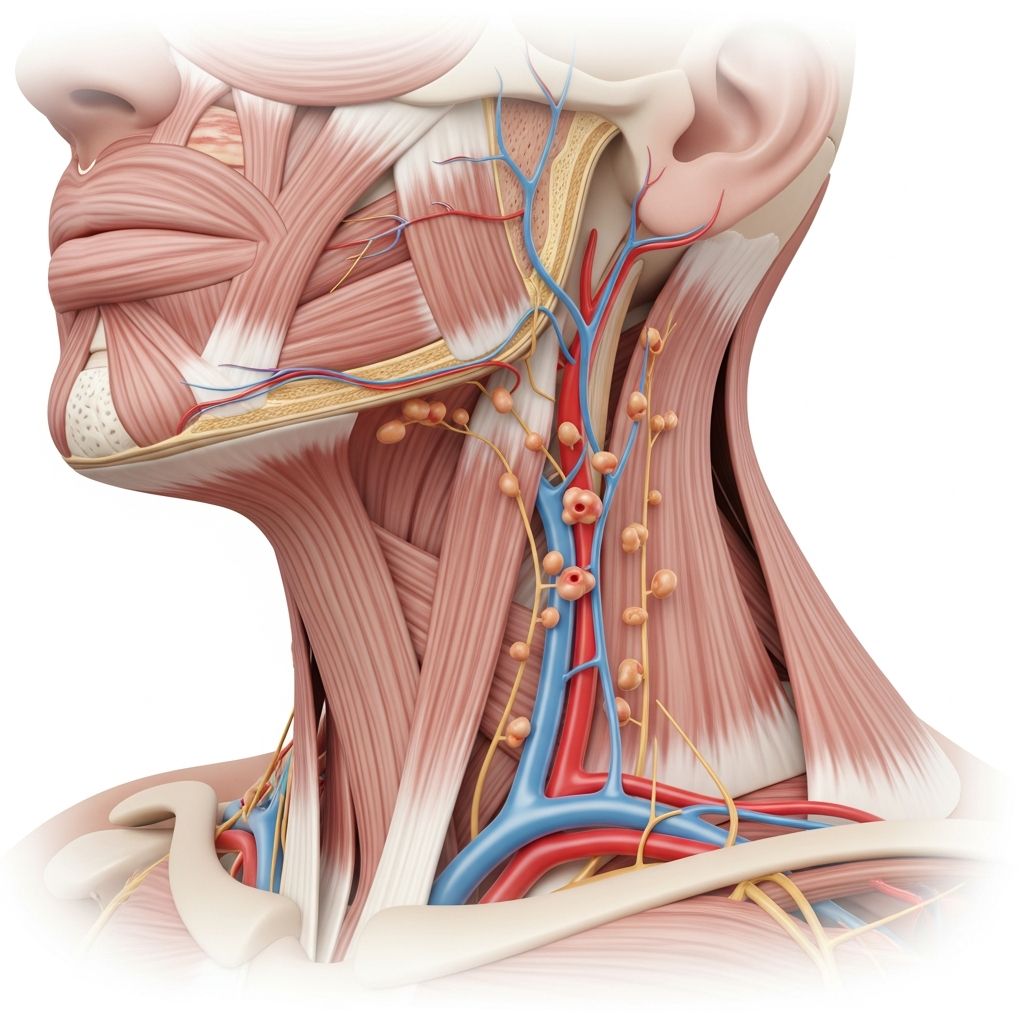
Understanding Cervical Lymphadenopathy: Swollen Lymph Nodes in the Neck
Your body contains hundreds of lymph nodes distributed throughout the lymphatic system, serving as vital checkpoints in your immune defense network. When these lymph nodes become enlarged beyond their normal size, healthcare providers refer to this condition as lymphadenopathy or adenopathy, commonly known as swollen lymph nodes. Cervical lymphadenopathy specifically refers to swollen lymph nodes located in the neck region. This condition can affect individuals of all ages, from young children to adults, and while the swelling is typically temporary and harmless, it warrants proper medical evaluation to rule out serious underlying conditions.
What Are Lymph Nodes and Why Do They Swell?
Lymph nodes function as your body’s security checkpoints, filtering and screening lymphatic fluid to ensure that harmful substances, pathogens, and abnormal cells don’t re-enter your bloodstream. When your body detects an infection, inflammation, or other health threat, the lymph nodes in the affected area become enlarged as they work harder to fight off the invading pathogens. This enlargement is typically a sign that your immune system is actively responding to an infection or health challenge.
In most cases, swollen lymph nodes in your neck signal that your body is combating a minor infection, such as a common cold or strep throat. Viral infections represent the most common cause of cervical lymphadenopathy in children, though adults can also develop this condition. However, understanding that multiple serious conditions can cause cervical lymphadenopathy emphasizes the importance of seeking professional medical evaluation when you notice persistent or concerning neck swelling.
Common Causes of Cervical Lymphadenopathy
Infectious Causes
The majority of cervical lymphadenopathy cases result from infections affecting the head, neck, or upper respiratory system. Upper respiratory infections, including the common cold, represent the most frequent culprits. Other infectious causes include:
- Strep throat and other bacterial throat infections
- Mononucleosis (Epstein-Barr virus)
- Influenza and other viral infections
- Chickenpox
- Measles
- Tuberculosis and nontuberculous mycobacteria (causing a condition known as scrofula)
- Dental infections and periodontal disease
- Ear infections
- Sinus infections
- HIV infection
Cancerous Conditions
While less common than infectious causes, malignant conditions can produce cervical lymphadenopathy. Cancers that may cause swollen neck lymph nodes include lymphoma, leukemia, and various head and neck cancers. Metastatic cancers that have spread from other parts of the body may also present with enlarged cervical lymph nodes. The presence of cancerous lymph nodes often represents disease staging or progression, making professional evaluation essential when lymphadenopathy persists without an obvious infectious cause.
Autoimmune and Inflammatory Disorders
Various systemic conditions affecting the immune system can trigger cervical lymphadenopathy. These include rheumatoid arthritis, lupus, and other connective tissue disorders. Additionally, conditions like sarcoidosis, which causes abnormal granuloma formation throughout the body, may present with enlarged lymph nodes.
Medication-Related Causes
Certain medications can cause lymph node enlargement as a side effect. Anticonvulsants, antibiotics, and some immunosuppressive medications have been associated with drug-induced lymphadenopathy. If you notice swollen lymph nodes after starting a new medication, inform your healthcare provider, as the lymphadenopathy may resolve after discontinuing the offending agent.
Other Medical Conditions
Beyond infections and malignancies, numerous other conditions can produce cervical lymphadenopathy. These include thyroid disorders, hypersensitivity reactions, and conditions affecting lymph node drainage and function. The diversity of potential causes underscores why medical evaluation is important for persistent or unusual lymph node enlargement.
Related Stories



Recognizing Symptoms of Cervical Lymphadenopathy
While enlarged lymph nodes themselves represent the primary symptom of cervical lymphadenopathy, associated symptoms depend on the underlying cause. Common accompanying symptoms include:
- Fever and chills
- Sore throat or difficulty swallowing
- Headache
- General malaise or fatigue
- Body aches and muscle pain
- Rash
- Cough or congestion
- Night sweats (particularly concerning when present)
- Unintentional weight loss
- Tenderness or pain in the affected lymph nodes
The location, size, and consistency of swollen lymph nodes can provide important diagnostic clues. Nodes that are soft, mobile, and tender typically suggest a benign inflammatory or infectious process. Conversely, hard, fixed, or rapidly enlarging lymph nodes warrant more thorough investigation to exclude malignancy.
Diagnostic Evaluation
Physical Examination
Your healthcare provider begins the diagnostic process with a thorough physical examination. During this evaluation, the provider will carefully palpate the lymph nodes in your neck, assessing their size, consistency, tenderness, and mobility. The provider will also examine other body areas for additional swollen lymph nodes, which might suggest a systemic condition rather than a localized problem. A comprehensive review of your medical history, family history, and recent symptoms provides essential context for interpreting physical findings.
Laboratory and Imaging Tests
If clinical examination suggests a more serious condition, your provider may order additional diagnostic tests, which may include:
- Complete blood count to assess white blood cell levels and identify abnormalities
- Blood cultures when bacterial infection is suspected
- Throat cultures for suspected strep throat or other bacterial pharyngitis
- Viral serology testing for specific viral infections
- CT scan of the neck to visualize lymph node size, number, and characteristics
- Ultrasound imaging for initial assessment and guidance for potential biopsy
- Fine needle aspiration biopsy when malignancy cannot be excluded
- Tissue biopsy for definitive diagnosis in suspicious cases
- Imaging studies such as PET-CT for staging when cancer is suspected
Your healthcare provider will explain the necessity and procedures for each recommended test, ensuring you understand what to expect and why the information is relevant to your specific case.
Treatment Options for Cervical Lymphadenopathy
Conservative Management
In many cases, particularly when cervical lymphadenopathy results from viral infections, conservative management proves effective. This approach includes adequate rest, maintaining proper hydration, and allowing the immune system time to resolve the infection naturally. As the underlying infection resolves, the lymph node enlargement typically diminishes without intervention.
Symptomatic Relief
For discomfort associated with swollen lymph nodes, over-the-counter pain relievers and anti-inflammatory medications can provide relief. Applying a warm compress to the affected neck area helps reduce pain and discomfort. These measures address symptoms while your body fights the underlying infection.
Antibiotic Therapy
When bacterial infection causes cervical lymphadenopathy, such as in strep throat, appropriate antibiotic therapy is essential. Your healthcare provider will select antibiotics based on the specific bacterial pathogen and local resistance patterns. Completing the full course of antibiotics is crucial to eradicate the infection and prevent complications.
Treatment of Underlying Conditions
More serious conditions causing cervical lymphadenopathy require targeted treatment. For malignancies, treatment may involve chemotherapy, radiation therapy, immunotherapy, or surgical intervention. Autoimmune conditions may require immunosuppressive therapy or disease-modifying agents. In some cases, surgical removal of affected lymph nodes (lymphadenectomy) may be necessary for diagnostic purposes or as part of cancer treatment.
Prevention Strategies
While you cannot always prevent swollen lymph nodes, certain preventive measures can reduce your risk of infections that lead to cervical lymphadenopathy. These include:
- Practicing good hand hygiene, especially during illness seasons
- Maintaining a nutritious diet rich in fruits, vegetables, and immune-supporting nutrients
- Getting regular physical exercise and maintaining a healthy lifestyle
- Staying hydrated by drinking adequate water throughout the day
- Getting sufficient sleep to support immune function
- Avoiding close contact with individuals who have active infections
- Maintaining good oral hygiene to prevent dental infections
- Receiving recommended vaccinations
When to Seek Medical Attention
While swollen lymph nodes are usually benign, certain situations warrant prompt medical evaluation. Contact your healthcare provider if you experience:
- Lymph node enlargement lasting more than two weeks without improvement
- Rapidly enlarging lymph nodes
- Hard, fixed lymph nodes that don’t move under your fingers
- Lymph node enlargement accompanied by fever, night sweats, or unintentional weight loss
- Difficulty breathing or swallowing
- Lymphadenopathy involving multiple body areas
- Severe pain associated with lymph node swelling
- Recent exposure to tuberculosis or other serious infections
Frequently Asked Questions
Q: Is cervical lymphadenopathy always serious?
A: No. Most cases of cervical lymphadenopathy result from minor, self-limiting infections like the common cold or strep throat. However, persistent or unusual lymph node enlargement requires professional evaluation to identify the underlying cause and rule out serious conditions.
Q: How long does it take for swollen lymph nodes to resolve?
A: The timeline depends on the underlying cause. Viral infections typically cause lymphadenopathy that resolves within one to three weeks as your immune system controls the infection. Bacterial infections may persist longer without appropriate antibiotic treatment.
Q: Can I treat swollen lymph nodes at home?
A: For minor swelling associated with viral infections, home care measures like rest, hydration, warm compresses, and over-the-counter pain relievers can provide comfort while your body fights the infection. However, if symptoms persist or worsen, seek medical evaluation.
Q: Should I be worried if I have a single enlarged lymph node?
A: A single enlarged lymph node, particularly if it’s tender and associated with localized infection, is usually less concerning than multiple or persistent lymphadenopathy. However, if it remains enlarged for more than two weeks or exhibits concerning characteristics, have it evaluated by your healthcare provider.
Q: Can medications cause lymph node swelling?
A: Yes. Certain medications, including anticonvulsants, antibiotics, and some immunosuppressive drugs, can cause drug-induced lymphadenopathy. If you notice swollen lymph nodes after starting a new medication, discuss this with your healthcare provider.
Q: What does it mean if my lymph nodes are hard and immobile?
A: Hard, fixed lymph nodes that don’t move under your fingers may indicate malignancy or serious infection and warrant thorough investigation. Benign lymphadenopathy typically presents with soft, mobile, tender nodes. Seek immediate medical evaluation for this finding.
The Importance of Professional Evaluation
While most cases of cervical lymphadenopathy resolve without serious complications, professional medical evaluation provides important reassurance and diagnostic clarity. Your healthcare provider has the expertise to distinguish between benign and concerning causes of lymph node enlargement. Learning that your swollen lymph nodes result from a minor, self-limiting condition can provide significant peace of mind. Conversely, identifying a serious underlying condition allows for prompt diagnosis and treatment initiation, which often improves outcomes substantially.
If you notice swollen lymph nodes in your neck or anywhere else on your body, contacting your healthcare provider represents a wise decision. They can discuss your specific symptoms, perform a thorough examination, and recommend appropriate diagnostic testing or treatment as needed. Remember that your healthcare provider serves as your advocate, available to listen to your concerns, answer your questions, and refer you to specialists when necessary. Taking a proactive approach to unexplained lymph node enlargement ensures that you receive timely and appropriate care.
References
- Swollen Lymph Nodes in the Neck (Cervical Lymphadenopathy) — Cleveland Clinic. 2025. https://my.clevelandclinic.org/health/symptoms/25248-cervical-lymphadenopathy
- Lymph Nodes: Locations & Function — Cleveland Clinic. 2025. https://my.clevelandclinic.org/health/body/23131-lymph-nodes
- Scrofula: Causes, Symptoms, Diagnosis & Treatment — Cleveland Clinic. 2025. https://my.clevelandclinic.org/health/diseases/25156-scrofula
- Lymphatic System: Function, Conditions & Disorders — Cleveland Clinic. 2025. https://my.clevelandclinic.org/health/body/21199-lymphatic-system
- Head and Neck Cancers: Symptoms & Treatment — Cleveland Clinic. 2025. https://my.clevelandclinic.org/health/diseases/14458-head-and-neck-cancer
- Swollen Lymph Nodes – Symptoms and Causes — Mayo Clinic. 2024. https://www.mayoclinic.org/diseases-conditions/swollen-lymph-nodes/symptoms-causes/syc-20353902
Similar Articles








Read full bio of Sneha Tete