Cervical Mucus: Chart, Stages, Tracking & Fertility
Understanding cervical mucus changes throughout your menstrual cycle and tracking fertility.
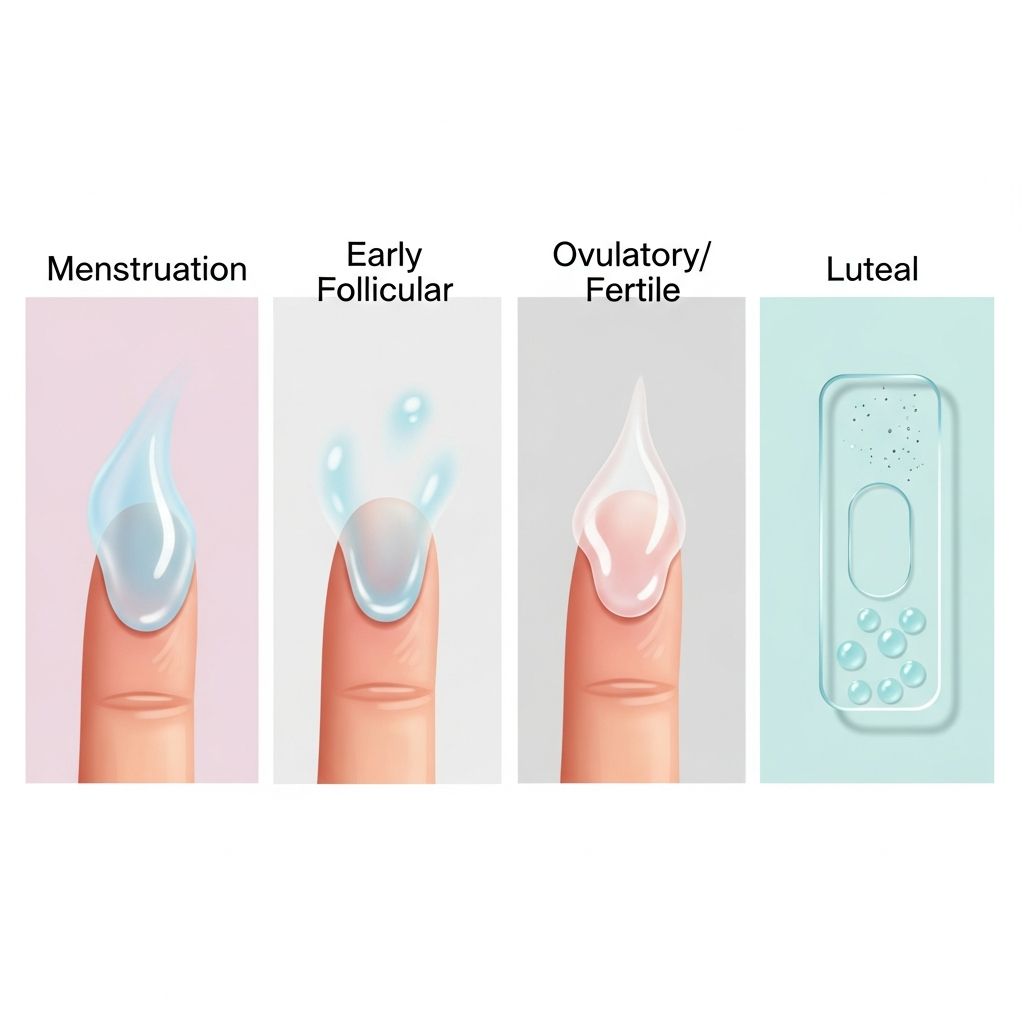
Understanding Cervical Mucus: Your Body’s Fertility Indicator
Cervical mucus is a fluid your cervix produces throughout your menstrual cycle, and it plays a crucial role in reproductive health. This natural discharge changes significantly during different phases of your cycle, serving as a reliable indicator of your fertility status. Understanding these changes can help you identify when you’re most likely to conceive and support your reproductive planning goals.
The primary function of cervical mucus is to facilitate sperm transportation into the uterus and fallopian tubes during your fertile window. Additionally, it provides a protective barrier after ovulation to prevent bacteria and other substances from entering the uterus. The appearance, consistency, and volume of cervical mucus change dramatically throughout your cycle, responding to shifting hormone levels in your body.
What Causes Cervical Mucus Changes Throughout Your Cycle
Cervical mucus changes occur due to hormonal fluctuations during your menstrual cycle. Your estrogen level begins low and gradually climbs to its peak at ovulation, then drops again. This hormonal rhythm directly controls the characteristics of your cervical mucus, transforming it from thick and impenetrable to thin and stretchy.
Before ovulation, rising estrogen levels signal your cervix to produce the fertile, egg-white mucus that makes it easy for sperm to swim toward the egg. This is your body’s natural way of supporting conception during your most fertile days. After ovulation, estrogen levels drop while progesterone levels rise. This hormonal shift causes your cervical mucus to thicken and dry up, creating a barrier that helps protect a fertilized egg if conception occurs.
The Cervical Mucus Cycle: A Complete Chart
If you have a 28-day menstrual cycle, your cervical mucus will generally follow this pattern throughout the month:
| Cycle Days | Cervical Mucus Characteristics |
|---|---|
| Days 1-4 | After your period ends, discharge becomes dry or tacky. Usually white or yellow-tinged. |
| Days 4-6 | Sticky and slightly damp, white in color. |
| Days 7-9 | Creamy, yogurt-like consistency. Wet and cloudy appearance. |
| Days 10-14 | Stretchy and resembles raw egg whites. Slippery and very wet. Most fertile phase. |
| Days 15-28 | Dry or almost dry until menstruation begins. |
The fertile cervical mucus stage lasts approximately three to four days, typically occurring around days 10 to 14 of a 28-day cycle. This is your peak fertility window when conception is most likely to occur.
Recognizing Fertile Cervical Mucus
At your most fertile time, your cervical mucus becomes distinctly slippery or slimy, with a clear or translucent appearance similar to raw egg whites. This stretchy quality is essential because it allows sperm to travel more easily through the cervix toward the egg. When you’re not in your fertile window, the mucus becomes thick or pasty, creating a hostile environment for sperm.
Cervical mucus can range in color from white to off-white or clear, depending on your cycle stage and individual factors. Generally, cervical mucus is odorless. The consistency and appearance are more important indicators of fertility than color alone.
Related Stories



To check if your mucus exhibits the stretchy quality, place a small amount between your thumb and forefinger and gently pull them apart. Fertile mucus will stretch without breaking, sometimes extending a quarter to half-inch or more. This stretchability is called spinnbarkeit and is a hallmark sign of your fertile window.
Non-Fertile Cervical Mucus Patterns
During the non-fertile phases of your cycle, cervical mucus takes on very different characteristics. In the early follicular phase, mucus is typically dry or tacky, providing minimal support for sperm survival. As progesterone dominates after ovulation, mucus becomes increasingly thick, sticky, and scant. Some women describe it as appearing in small sticky clumps in their underwear.
This thickening occurs because progesterone, released by the ovaries after ovulation, causes the cervical mucus to thicken significantly. This is nature’s way of sealing off the uterus and protecting any developing pregnancy. The thick mucus creates a barrier that inhibits sperm survival and passage, which makes sense biologically since once ovulation has occurred, conception can only happen if the egg has already been fertilized.
How to Check Your Cervical Mucus
You can check your cervical mucus in several practical ways:
Wiping method: When using the bathroom, wipe from front to back with toilet paper or a tissue and observe the discharge on the paper.
Direct observation: Insert a clean finger into your vagina and collect a small sample of mucus from near the cervix, then observe its characteristics.
Underwear observation: Throughout the day, notice the appearance and consistency of discharge in your underwear, noting how it feels and looks.
The best time to check cervical mucus is typically in the morning before bathing, or after bathroom visits during the day. Keep track of your observations in a fertility chart to identify patterns over multiple cycles. Most people can recognize the progression from sticky to creamy to egg-white consistency with practice.
Using Cervical Mucus Tracking for Fertility Planning
Many people find that charting their cervical mucus helps identify when they’re most likely to conceive. By tracking these changes over time, you can predict your fertile window and time intercourse accordingly. This method, combined with other fertility awareness techniques, provides valuable information about your reproductive cycle.
To effectively track cervical mucus, maintain a detailed record noting the day of your cycle, the appearance and consistency of your mucus, and any other fertility signs you observe. After tracking for two to three cycles, patterns should emerge that help you predict your peak fertility days. Remember that cycle lengths can vary, so tracking multiple cycles provides more accurate information than relying on a single month.
When Cervical Mucus Indicates Potential Problems
While most cervical mucus changes are normal and healthy, certain patterns or characteristics may indicate underlying health issues. If you check your cervical mucus and don’t observe the typical slippery, fertile mucus during the expected time, it could signal ovulatory problems, infection, or other health conditions.
Signs of abnormal cervical mucus include discharge that is foul-smelling, has a cheese-like texture, or remains impenetrable to sperm around ovulation time. Some infections can cause abnormal mucus patterns, and certain medications or health conditions may also affect mucus production and consistency.
Abnormal mucus rarely impairs fertility significantly, except in cases of chronic cervicitis (inflammation of the cervix) or cervical stenosis (narrowing of the cervical canal due to prior treatment). However, any persistent abnormalities warrant professional evaluation.
Diagnosis of Cervical Mucus Problems
Your healthcare provider will diagnose cervical mucus problems by performing a pelvic examination and discussing your health history and any medications you take. During this examination, they’ll assess your cervix for signs of infection, scarring, or other conditions that could impact vaginal discharge.
If cervicitis is suspected because of cervical exudate (purulent or mucopurulent discharge) or cervical friability, your provider may perform a cervical swab to test for gonorrhea and chlamydial infection. Complete cervical stenosis is diagnosed if a 1 to 2-millimeter diameter probe cannot be passed into the uterine cavity.
Treatment and Management Options
Treatment for abnormal cervical mucus depends on the underlying cause. If cervicitis is present, antibiotics may be prescribed. For cervical stenosis, cervical dilation may be necessary. In some cases, intrauterine insemination or in vitro fertilization may be recommended, though the effectiveness of these treatments specifically for abnormal mucus is still being studied.
Importantly, there is no reliable evidence that using medications to thin mucus, such as guaifenesin, improves fertility. Before taking any supplements or medications for cervical mucus production, consult with your healthcare provider to discuss any concerns and rule out underlying problems.
Natural Ways to Support Healthy Cervical Mucus
To naturally increase your cervical mucus production, try drinking more water and eating more fruits and vegetables. Staying well-hydrated supports overall bodily functions, including mucus production. A diet rich in hydrating foods and nutrients provides your body with the building blocks necessary for healthy cervical mucus.
Avoid smoking and excessive caffeine consumption, as these can dehydrate your body and potentially affect mucus production. Manage stress through regular exercise, meditation, or other stress-reduction techniques, as chronic stress can impact hormonal balance and cervical mucus changes.
Cervical Mucus Versus Other Vaginal Discharge
It’s important to distinguish between cervical mucus and other types of vaginal discharge. Normal vaginal discharge can come from various sources and may differ from cervical mucus in appearance and consistency. Cervical mucus specifically refers to the mucus produced by your cervix in response to hormonal changes throughout your cycle.
When examining your cervical mucus, focus on what you observe at the cervix or just inside the vagina, rather than all vaginal secretions. This helps you track the specific hormonal markers that indicate your fertility status.
The Role of Cervical Mucus in Pregnancy
After conception occurs, cervical mucus continues to play an important protective role. If you become pregnant, your body produces a specialized collection of mucus called the mucus plug, which forms in the cervical canal in early pregnancy. This plug prevents bacteria or infection from entering your uterus and reaching the fetus, providing crucial protection during pregnancy.
As your cervix prepares for labor, you’ll eventually lose the mucus plug, which is a normal and common symptom in late pregnancy. This occurs as your cervix begins to dilate and efface in preparation for labor and delivery. The mucus plug can regenerate in your cervix, so it’s possible to lose parts of it and then lose more later as your body continues creating discharge and mucus during pregnancy.
Frequently Asked Questions About Cervical Mucus
Q: What does fertile cervical mucus look like?
A: Fertile cervical mucus resembles raw egg whites—it’s clear, slippery, wet, and stretches between your fingers without breaking. This consistency typically occurs around days 10 to 14 of a 28-day cycle.
Q: How long does the fertile cervical mucus phase last?
A: The fertile cervical mucus phase typically lasts about three to four days around ovulation. This is your peak fertility window.
Q: Can cervical mucus alone predict ovulation?
A: Cervical mucus is a reliable indicator of fertility when tracked consistently over multiple cycles, but combining it with other fertility awareness methods provides more accurate predictions.
Q: Does cervical mucus change during pregnancy?
A: Yes, cervical mucus patterns change significantly during pregnancy. Your body produces increased mucus and forms a protective mucus plug at the cervical opening.
Q: What should I do if my cervical mucus smells bad?
A: Foul-smelling cervical mucus may indicate an infection. Contact your healthcare provider for evaluation and appropriate treatment.
Q: Can medications affect cervical mucus production?
A: Yes, certain medications can affect cervical mucus production and consistency. Discuss your medications with your healthcare provider if you notice significant changes.
Q: Is it normal to have no cervical mucus?
A: Some variation is normal, but consistent absence of cervical mucus changes throughout your cycle may indicate hormonal issues and warrants professional evaluation.
References
- Cervical Mucus: Chart, Stages, Tracking & Fertility — Cleveland Clinic. 2024. https://my.clevelandclinic.org/health/body/21957-cervical-mucus
- Abnormal Cervical Mucus — Merck Manuals Professional Edition. 2024. https://www.merckmanuals.com/professional/gynecology-and-obstetrics/infertility-and-recurrent-pregnancy-loss/abnormal-cervical-mucus
- Mucus Plug: What It Means & What It Looks Like — Cleveland Clinic. 2024. https://my.clevelandclinic.org/health/symptoms/21606-mucus-plug
- Vaginal Discharge: Causes, Colors, What’s Normal & Treatment — Cleveland Clinic. 2024. https://my.clevelandclinic.org/health/symptoms/4719-vaginal-discharge
- Cervix: Anatomy, Function, Changes & Conditions — Cleveland Clinic. 2024. https://my.clevelandclinic.org/health/body/23279-cervix
Similar Articles








Read full bio of medha deb