Cervical Polyps: Symptoms, Diagnosis, And Treatment Guide
Discover causes, symptoms, diagnosis, and treatments for cervical polyps to empower your reproductive health decisions.
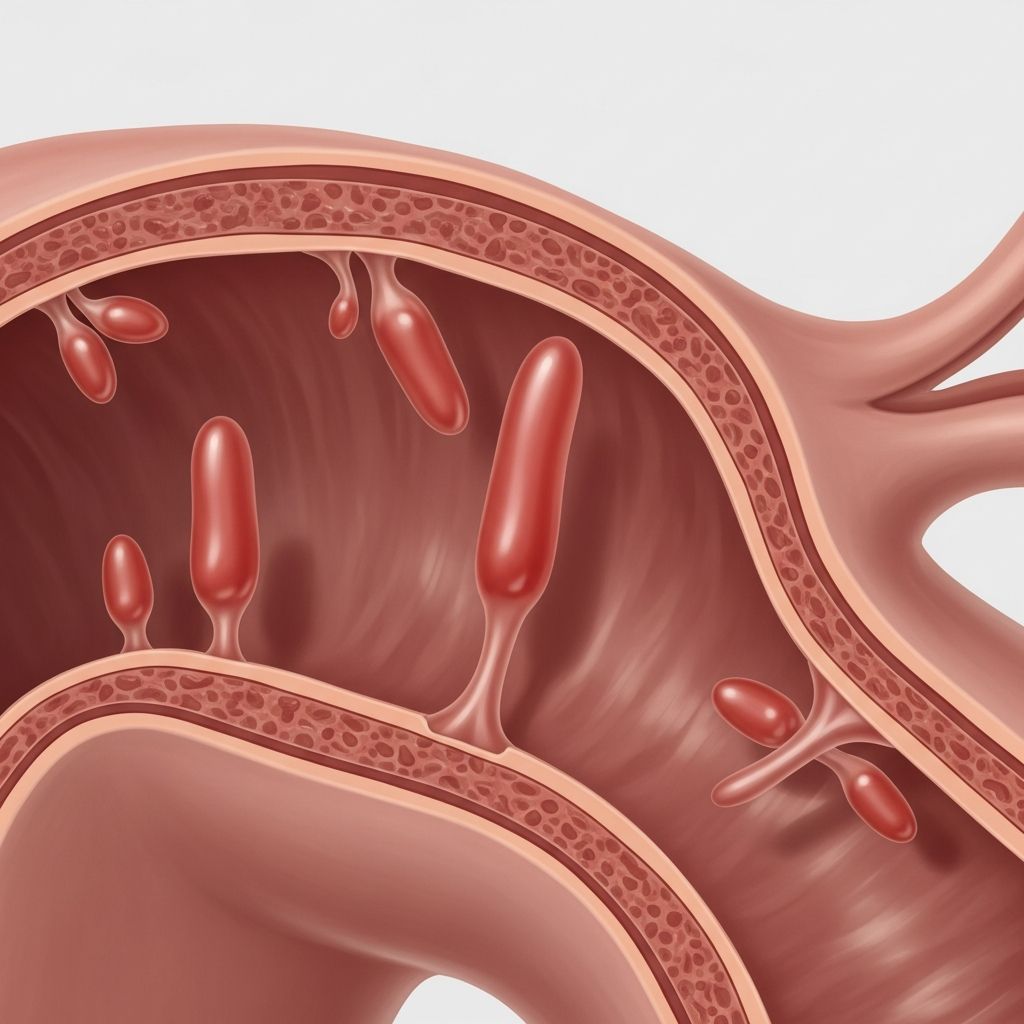
Cervical polyps are benign growths that develop on the cervix, the narrow passage connecting the uterus to the vagina. These soft, finger-like projections are typically harmless but can lead to irregular bleeding in some cases.
Understanding Cervical Polyps: Anatomy and Characteristics
The cervix serves as a gateway for menstrual blood and sperm, lined with glandular tissue prone to forming polyps. These growths arise from the endocervical canal or outer cervical surface, measuring from millimeters to several centimeters. They often appear reddish-purple due to rich blood supply, with a thin or broad stalk attaching them to the cervical wall.
Endocervical polyps, originating inside the canal, dominate in premenopausal women, while ectocervical types favor postmenopausal individuals. Though usually solitary, multiples can occur, and they rarely affect prepubertal girls.
Prevalence and Risk Factors
Cervical polyps affect up to 5% of women, peaking in those aged 40-50 with multiple pregnancies. Elevated estrogen levels during reproductive years or pregnancy promote their formation.
- Key risk factors: Multiparity (more than one childbirth), chronic cervical inflammation, infections like bacterial vaginosis, and hormonal imbalances.
- Postmenopausal recurrence is less common but possible if estrogen persists.
Lifestyle factors such as smoking may indirectly contribute via inflammation, though direct causation remains unproven.
Recognizing Symptoms of Cervical Polyps
Two-thirds of cases are asymptomatic, discovered incidentally during routine exams. When present, symptoms stem from the polyp’s fragility and vascularity.
| Symptom | Description | Frequency |
|---|---|---|
| Postcoital bleeding | Bleeding after intercourse | Common |
| Heavy menses | Excessive menstrual flow | Frequent |
| Intermenstrual spotting | Bleeding between periods | Common |
| Postmenopausal bleeding | Bleeding after menopause | Concerning |
| Vaginal discharge | Possibly foul-smelling if infected | Occasional |
These signs mimic other conditions like fibroids or cancer, necessitating prompt evaluation. Large polyps may prolapse into the vagina, causing discomfort.
Causes and Development Mechanisms
Exact etiology is multifactorial. Chronic irritation from infections or inflammation triggers hyperplastic growth in cervical glands. Estrogen hypersensitivity leads to stromal proliferation and angiogenesis.
- Inflammation: Local immune responses cause tissue overgrowth.
- Hormonal: Estrogen stimulates endometrial-like changes.
- Vascular: Blocked cervical vessels contribute.
Histologically, polyps feature edematous stroma with dilated vessels and metaplastic epithelium, confirming benign nature post-removal.
How Cervical Polyps Are Diagnosed
Diagnosis begins with speculum exam during Pap smear or pelvic check, visualizing the polyp as a protruding mass. Colposcopy magnifies suspicious areas.
- Visual inspection: Reddish, smooth lesions at the os.
- Biopsy: Tissue sampling rules out malignancy (risk <1%).
- Imaging: Ultrasound assesses endometrial involvement if needed.
- Cytology: Pap test screens for dysplasia.
Postmenopausal or symptomatic polyps warrant thorough histology due to rare cancerous transformation.
Treatment Options for Cervical Polyps
Asymptomatic small polyps may be monitored, but symptomatic or large ones require removal (polypectomy). Outpatient procedures minimize risks.
- Twist-and-pull: Manual avulsion with forceps, ideal for pedunculated types.
- Hysteroscopy: Camera-guided resection for intracavitary growths.
- LLETZ/electrocautery: Ablation for sessile polyps.
Post-procedure, send specimens for pathology. Recurrence affects 10-20%, often managed conservatively. Antibiotics treat associated infections.
Potential Complications and Malignancy Risk
Related Stories



Benign in 99% of cases, but 0.1-0.2% harbor malignancy, higher in postmenopausal women. Complications include torsion, infection, or infertility from obstruction. Pregnancy risks involve bleeding or preterm labor if prolapsed.
Monitor high-risk patients with repeat exams. No routine surveillance for low-risk cases post-removal.
Prevention Strategies and Lifestyle Tips
Preventive measures target modifiable risks:
- Regular Pap smears for early detection.
- Prompt treatment of cervicitis or STIs.
- Hormonal balance via contraception if estrogen-driven.
- Avoid douching to prevent irritation.
Maintain pelvic health through annual gyn exams, especially post-40 or multiparous.
When to Consult a Healthcare Provider
Seek immediate care for unexplained bleeding, especially post-menopause or post-sex. Routine screenings catch silent polyps.
Frequently Asked Questions (FAQs)
Are cervical polyps cancerous?
Most are benign, but rare malignancy (under 1%) requires biopsy confirmation.
Do cervical polyps affect fertility?
Rarely, if blocking the canal; removal typically resolves issues.
Can cervical polyps grow during pregnancy?
Yes, due to estrogen surge; monitor to avoid complications.
How soon after removal can I resume sex?
Usually 1-2 weeks, per provider guidance.
Will cervical polyps recur?
Possible in 10-20%; follow-up exams advised.
References
- Cervical Polyps: Causes, Symptoms, and Treatment — WebMD. 2023. https://www.webmd.com/women/cervical-polyps
- Cervical Polyps — Main Line Health. 2024-01-15. https://www.mainlinehealth.org/conditions-and-treatments/conditions/cervical-polyps
- What is a cervical polyp and how do you get one? — Medical News Today. 2023-05-10. https://www.medicalnewstoday.com/articles/322437
- Cervical Polyps — NCBI StatPearls. 2024-07-01. https://www.ncbi.nlm.nih.gov/books/NBK562185/
- Cervical Polyps — MyHealth Alberta. 2023. https://myhealth.alberta.ca/Health/pages/conditions.aspx?hwid=tw9654spec
Similar Articles








Read full bio of Sneha Tete