Cervical Spondylosis: Causes, Symptoms & Treatment
Comprehensive guide to understanding cervical spondylosis, its symptoms, causes, and effective treatment options.
Understanding Cervical Spondylosis
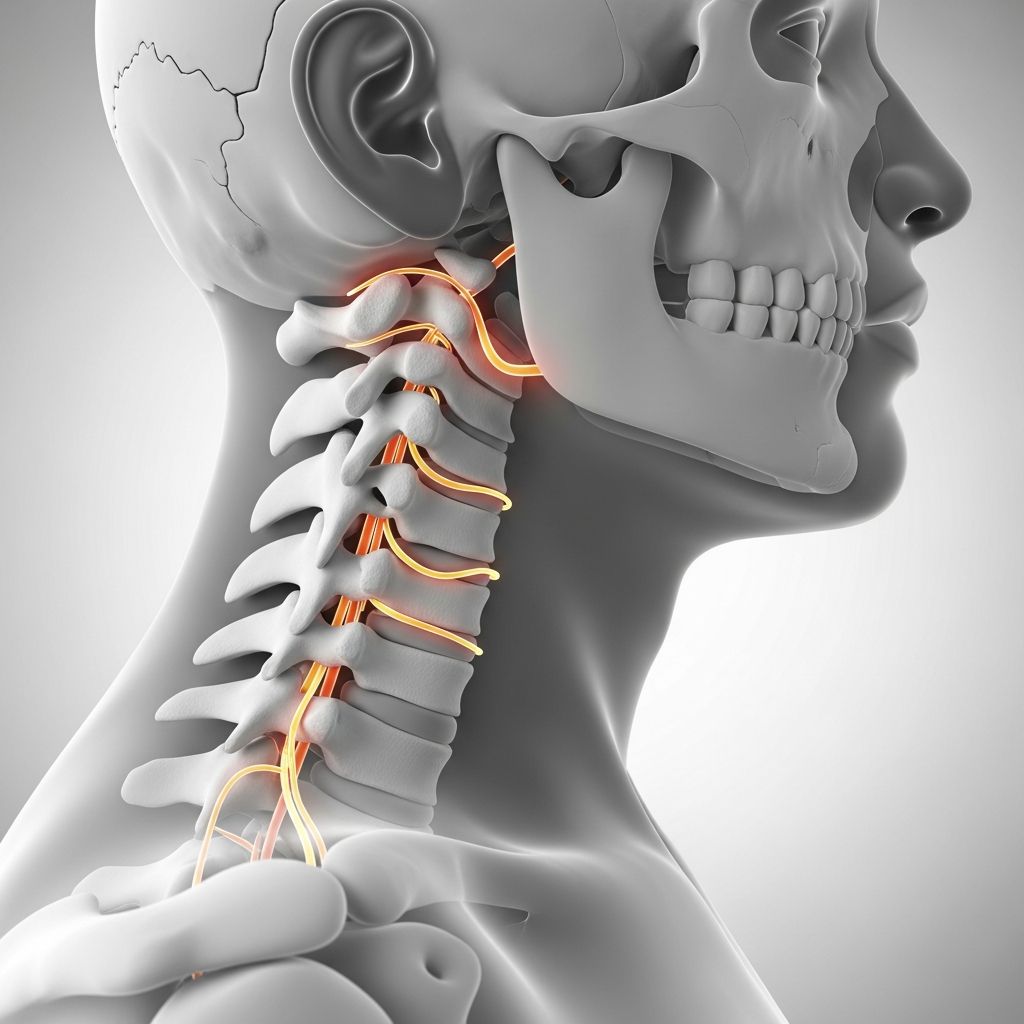
Cervical spondylosis, commonly referred to as arthritis of the neck, is a degenerative condition affecting the cervical spine. This age-related condition involves the breakdown of intervertebral discs and the formation of bone spurs in the neck region. The cervical spine consists of seven vertebrae that support the head and allow for neck movement, and cervical spondylosis occurs when the structures within this region deteriorate over time.
This condition is increasingly prevalent as people age, with most individuals experiencing some degree of cervical spondylosis by their later years. However, not everyone with this condition experiences symptoms. When symptoms do occur, they can range from mild neck discomfort to severe pain and neurological complications. Understanding this condition is essential for early detection and appropriate management.
What Causes Cervical Spondylosis?
Cervical spondylosis develops through a multifactorial degenerative cascade that primarily involves age-related changes in the spine. The dominant driver of this condition is the natural degeneration of intervertebral discs and cervical spinal elements over time.
Primary Causes and Risk Factors
The development of cervical spondylosis involves several interconnected mechanisms. Age-related loss of proteoglycans in the intervertebral discs causes dehydration of the nucleus pulposus, leading to decreased disc height. This reduction in disc height shifts load transmission toward the facet joints and uncovertebral joints, initiating osteophyte (bone spur) formation and ligamentous infolding.
Degenerative changes progress through the following process:
– Dehydration and shrinkage of spinal discs- Development of bone spurs as a compensatory mechanism- Stiffening of spinal ligaments with age- Narrowing of the spinal canal and nerve root passageways- Potential compression of the spinal cord and nerve roots
Genetic factors also play a significant role in predisposing individuals to cervical spondylosis. Some people inherit a greater susceptibility to degenerative disc disease, while others may experience accelerated degeneration due to biomechanical or lifestyle factors.
Recognizing Symptoms of Cervical Spondylosis
The symptoms of cervical spondylosis vary considerably depending on the severity of the degenerative changes and whether neural structures are being compressed. Understanding these symptoms is crucial for recognizing when medical attention is needed.
Common Symptoms
The most prevalent symptoms include:
– Neck pain and stiffness- A clicking, popping, or grinding sound in the neck- Muscle spasms in the neck region- Shoulder and upper back pain- Headaches, particularly at the base of the skull
Neurological Symptoms
When cervical spondylosis causes compression of nerve roots, patients may experience cervical radiculopathy, characterized by:
– Pain radiating down the arm- Numbness or tingling in the arms, hands, fingers, or feet- Weakness in the arms or hands- Loss of coordination and difficulty walking
In more severe cases, compression of the spinal cord itself (cervical myelopathy) can cause additional symptoms including bowel or bladder dysfunction and progressive neurological decline. These serious symptoms require immediate medical evaluation.
Related Stories



Diagnosis of Cervical Spondylosis
Proper diagnosis of cervical spondylosis involves a comprehensive assessment combining clinical evaluation with appropriate imaging studies. Healthcare providers use a focused history and neurological examination to stratify disease severity and determine the urgency of intervention.
Diagnostic Methods
Diagnosis typically begins with a detailed history and physical examination, including assessment of neck mobility, strength testing, and neurological evaluation. Imaging studies confirm the diagnosis and evaluate the extent of degenerative changes:
– X-rays: Initial imaging to identify bone spurs and assess disc space narrowing- CT scans: Provide detailed visualization of bone structures- MRI: Superior for evaluating soft tissue, disc herniation, and spinal cord compression- Electromyography (EMG): May be used to confirm nerve root compression
Imaging findings are correlated with clinical symptoms to establish the diagnosis and determine the appropriate treatment strategy.
Conservative Treatment Options
In most cases, cervical spondylosis responds well to conservative treatment that includes medication and physical therapy. The mainstay of nonsurgical treatment is a 4- to 6-week course of physical therapy incorporating isometric and resistance exercises to strengthen the neck and supporting musculature.
Physical Therapy and Rehabilitation
Physical therapy represents a cornerstone of conservative management. Therapeutic exercises guided by a physical therapist include:
– Postural chin tucks to improve neck alignment- Side and rotational neck stretches for enhanced mobility- Strength training for upper back and shoulder muscles to reduce neck strain- Isometric exercises to strengthen cervical muscles without movement- Resistance exercises for progressive strengthening
These exercises help stabilize the spine, reduce inflammation, and alleviate symptoms by improving biomechanical support of the cervical structures.
Pharmacological Management
Several medication classes help manage cervical spondylosis symptoms:
– Nonsteroidal anti-inflammatory drugs (NSAIDs): Medications like ibuprofen and naproxen reduce pain and inflammation. Both over-the-counter and prescription-strength versions are available.- Corticosteroids: Short courses of oral prednisone can ease pain, and steroid injections may help when pain is severe.- Muscle relaxants: Medications such as cyclobenzaprine help relieve muscle spasms in the neck.- Anti-seizure medicines: Certain epilepsy medications can dull nerve pain associated with cervical spondylosis.- Antidepressants: Specific antidepressant medications can help ease chronic neck pain.
Conservative treatments rarely cause significant side effects, making them the preferred initial approach for managing cervical spondylosis symptoms.
Advanced Non-Surgical Interventions
When conservative treatments provide insufficient pain relief, several minimally invasive interventional procedures may be considered before resorting to surgery.
Cervical Epidural Steroid Injections
For patients with significant neck pain, cervical epidural steroid injections deliver anti-inflammatory medication directly to the affected area. These injections are increasingly being used to diagnose and treat cervical radiculopathy. If an epidural injection provides short-term pain relief, it confirms the location of pain source, helping guide further treatment decisions.
Radiofrequency Ablation
Radiofrequency ablation is a minimally invasive procedure that uses heat to damage nerves supplying the affected facet joints, providing pain relief that typically lasts several months. During the diagnostic phase, the nerve is first blocked with local anesthetic. If pain is relieved, the provider may proceed with radiofrequency ablation to provide more permanent pain reduction. However, if the nerve regenerates, pain may return.
Surgical Treatment Considerations
Surgery is reserved for cases where conservative and interventional treatments fail to provide adequate symptom relief or when serious neurological complications are present. Surgical intervention is generally recommended when there is radiographic evidence of spinal cord compression to prevent progressive deterioration.
Indications for Surgery
Surgery is considered under specific circumstances:
– A nerve is being pinched by a slipped disc or bone (cervical radiculopathy)- There is significant compression of the spinal cord (cervical myelopathy)- Progressive neurological symptoms including loss of balance, impaired fine motor skills, or changes in bowel and bladder function- Failure of conservative treatments to relieve symptoms over an adequate trial period
Surgical Procedures
Several surgical approaches address cervical spondylosis, ranging from minimally invasive to more extensive procedures:
– Removal of bone spurs: Surgical elimination of osteophytes compressing neural structures- Placement of spacers: Insertion of artificial devices to recreate space lost by disc wear, allowing nerve decompression- Removal of thickened soft tissues: Elimination of hypertrophied ligaments pressing on nerves- Spinal fusion surgery: More extensive procedure that removes damaged disc material and fuses adjacent vertebrae to stabilize the spine
While surgery is not always a cure, it may stop symptoms from worsening and prevent further neurological deterioration in appropriate candidates.
Long-Term Management and Prognosis
Cervical spondylosis is a chronic condition with no cure, but there are numerous ways to treat it so symptoms do not significantly affect quality of life. Most people with cervical spondylosis have some long-term symptoms, though most improve with non-surgical treatment and do not require surgery.
Self-Care Strategies
Individuals can support neck health through:
– Maintaining proper posture during daily activities- Taking regular breaks from prolonged neck positions- Using ergonomic furniture and equipment- Applying heat or ice to reduce discomfort- Performing prescribed stretching and strengthening exercises- Maintaining a healthy weight to reduce spinal stress- Avoiding repetitive neck movements when possible
When to Seek Medical Attention
Contact a healthcare provider if you experience neck pain or stiffness that doesn’t resolve after a few days. Additionally, seek immediate medical attention for sudden onset of numbness or weakness, or loss of bladder or bowel control, as these may indicate spinal cord compression requiring urgent evaluation.
FAQ: Cervical Spondylosis
What is the difference between cervical spondylosis and cervical radiculopathy?
Cervical spondylosis refers to the degenerative changes in the cervical spine, while cervical radiculopathy is a symptom that occurs when these degenerative changes compress nerve roots, causing pain, numbness, or weakness radiating down the arm.
Can cervical spondylosis be prevented?
While age-related degeneration cannot be completely prevented, maintaining proper posture, staying physically active, avoiding excessive neck strain, and managing lifestyle factors may help slow progression and reduce symptom severity.
How long does it take for conservative treatment to work?
It typically takes a few weeks for conservative treatment to show improvement, though pain and stiffness can sometimes return over time.
Is surgery always necessary for cervical spondylosis?
No, most people with cervical spondylosis respond well to conservative treatment and do not require surgery. Surgery is typically reserved for cases with severe neurological symptoms or failed conservative management.
What are the risks of cervical spondylosis surgery?
While specific surgical risks vary by procedure type, conservative treatments rarely cause side effects, whereas surgeries like fusion, steroid injections, or radiofrequency ablation carry different potential complications that healthcare providers will discuss.
References
- Cervical Spondylosis: What It Is, Symptoms & Treatment — Cleveland Clinic. 2025. https://my.clevelandclinic.org/health/diseases/17685-cervical-spondylosis
- Cervical Spondylosis — NCBI Bookshelf (National Center for Biotechnology Information). 2024. https://www.ncbi.nlm.nih.gov/books/NBK551557/
- Lumbar and Cervical Spondylosis: Symptoms & Treatments — Hospital for Special Surgery (HSS). 2025. https://www.hss.edu/health-library/conditions-and-treatments/spondylosis
- Cervical Spondylosis: Diagnosis & Treatment — Mayo Clinic. 2024. https://www.mayoclinic.org/diseases-conditions/cervical-spondylosis/diagnosis-treatment/drc-20370792
- Cervical Spondylosis: Symptoms & Causes — Mayo Clinic. 2024. https://www.mayoclinic.org/diseases-conditions/cervical-spondylosis/symptoms-causes/syc-20370787
- Cervical Spondylosis (Arthritis of the Neck) — American Academy of Orthopaedic Surgeons (AAOS). 2025. https://orthoinfo.aaos.org/en/diseases–conditions/cervical-spondylosis-arthritis-of-the-neck/
- Cervical Spondylosis — National Health Service (NHS). 2024. https://www.nhs.uk/conditions/cervical-spondylosis/
Similar Articles








Read full bio of Sneha Tete