Cervicitis: Causes, Symptoms, Diagnosis & Treatment
Complete guide to cervicitis: understanding inflammation of the cervix and effective treatment options.
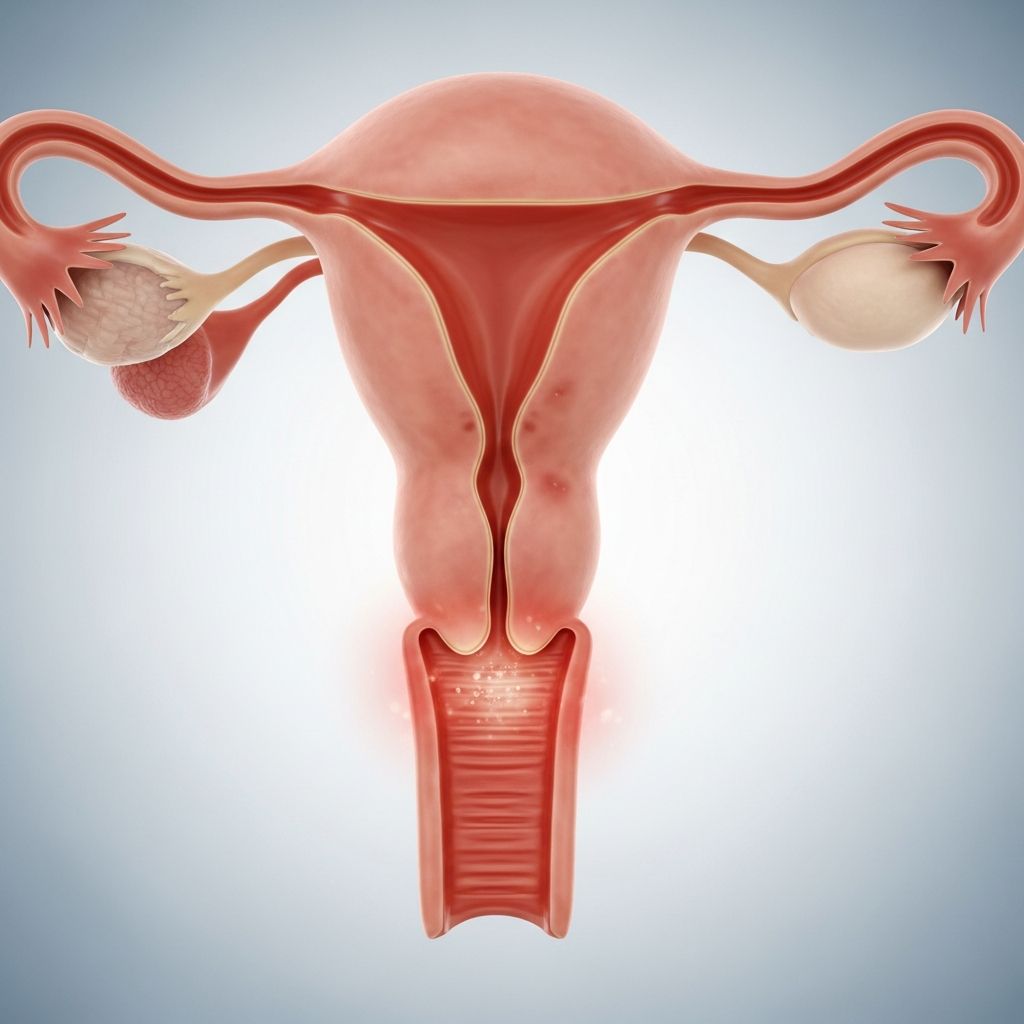
Understanding Cervicitis: A Comprehensive Guide
Cervicitis is an infection of the endocervix, the inner lining of the cervix, resulting in inflammation that can lead to various uncomfortable symptoms and complications if left untreated. This condition is characterized by mucopurulent cervical discharge, tissue swelling (edema), redness (erythema), bleeding, and friability of the cervix and endocervical canal. While cervicitis is a common gynecological condition, many cases remain undiagnosed because patients may be asymptomatic or present with subtle clinical signs that are easily overlooked.
What Causes Cervicitis?
Cervicitis can be caused by various pathogens, with sexually transmitted infections (STIs) being the most common culprits. The primary causative organisms include:
- Chlamydia trachomatis (CT) – One of the most frequent causes of cervicitis, particularly in adolescents and young adults
- Neisseria gonorrhoeae (NG) – The bacteria responsible for gonorrhea, another leading cause of cervicitis
- Trichomonas vaginalis (TV) – A parasitic organism that commonly causes cervical inflammation
- Herpes simplex virus (HSV) – Can cause cervicitis with associated lesions
- Mycoplasma genitalium – An increasingly suspected pathogen in cervicitis cases
Notably, in many cervicitis cases, no organism is identified, suggesting that other factors or yet-unknown pathogens may contribute to the condition. This underscores the importance of comprehensive evaluation and treatment even when specific organisms cannot be isolated.
Risk Factors and Epidemiology
Cervicitis predominantly affects adolescents and young adults, coinciding with peak rates of sexually transmitted infections in this population. The true incidence of cervicitis remains unknown because many patients experience no symptoms, and clinical signs can be variable and difficult to interpret. This means that the actual prevalence of cervicitis is likely much higher than reported cases suggest.
Because cervicitis is frequently associated with other STIs, screening for related conditions is essential. Patients diagnosed with cervicitis should be evaluated for the presence of:
- Syphilis
- Hepatitis B
- Human immunodeficiency virus (HIV)
- Bacterial vaginosis
Recognizing the Symptoms
The symptoms of cervicitis can vary significantly from person to person. Some individuals experience no symptoms at all, while others may notice one or more of the following:
- Vaginal discharge (often yellow in appearance)
- Pain during intercourse (dyspareunia)
- Intermittent vaginal bleeding or spotting between periods
- Dysuria (pain or burning during urination)
- General pelvic discomfort
The asymptomatic nature of many cervicitis cases highlights why regular gynecological screening is important, particularly for sexually active individuals with multiple partners or those whose partners have been diagnosed with STIs.
Diagnostic Approach to Cervicitis
Proper diagnosis of cervicitis involves a systematic clinical evaluation combining history, physical examination, and laboratory testing.
Physical Examination Findings
A comprehensive pelvic examination is crucial for diagnosing cervicitis. Healthcare providers will assess for several key findings:
- Abdominal Examination: The absence of abdominal tenderness on palpation suggests that the infection is limited to the cervix and has not spread to the upper genital tract
- Vaginal Examination: Assessment for signs of vaginal or external lesions consistent with herpes simplex virus infection
- Cervical Discharge: Presence of mucopurulent discharge from the cervical opening (os) or yellow exudative discharge present on a cotton-tipped swab from the endocervical canal is clinical evidence of cervical infection
- Cervical Friability: Easily induced bleeding from the cervical canal, which should not be confused with normal cervical ectopy (a benign area of columnar epithelium that appears as a discrete, nonfriable, reddish circle around the cervical opening)
- Absence of Upper Genital Tract Involvement: No cervical motion tenderness or adnexal masses indicates that pathology has not extended beyond the cervix
Related Stories



Laboratory Testing
Laboratory tests are essential for identifying the causative organism and guiding treatment decisions. Common diagnostic methods include:
- Nucleic acid amplification tests (NAATs) for Chlamydia trachomatis and Neisseria gonorrhoeae
- Vaginal wet mount examination for Trichomonas vaginalis
- Viral culture or PCR for herpes simplex virus
- Gram stain or culture for bacterial identification
Treatment Options for Cervicitis
Treatment of cervicitis depends on the identified or suspected causative organism. Patients meeting the criteria for cervicitis diagnosis should receive presumptive therapy for the most common pathogens while awaiting laboratory confirmation.
Treatment by Organism
Chlamydia trachomatis Infection
For Chlamydia trachomatis cervicitis, treatment options include:
- Azithromycin: 1 g orally as a single dose (for patients weighing ≥45 kg)
- Doxycycline: 100 mg orally twice daily for 7 days
- Erythromycin: For patients weighing less than 45 kg, 50 mg/kg/24 hours divided every 6 hours for 7 days; for patients 45 kg or more, 500 mg (base) or 800 mg (ethylsuccinate) orally four times daily for 7 days
Neisseria gonorrhoeae Infection
Gonorrhea treatment has evolved due to increasing antibiotic resistance. Current recommendations include:
- Ceftriaxone: For patients weighing 45 kg or less, 50 mg/kg (maximum 125 mg) intramuscularly as a single dose; for patients weighing more than 45 kg, 250 mg intramuscularly as a single dose
- Combined with: Azithromycin 20 mg/kg (maximum 1 g) orally as a single dose OR Doxycycline 100 mg orally twice daily for 7 days
Oral cefixime is no longer recommended as first-line therapy due to resistance concerns. If cefixime must be used because ceftriaxone is unavailable, a test of cure is necessary.
Herpes Simplex Virus Infection
For HSV-related cervicitis, antiviral medications are effective:
- Acyclovir: 400 mg orally three times daily for 7 to 10 days, OR 200 mg orally five times daily for 7 to 10 days until resolution
- Famciclovir: 250 mg orally three times daily for 7 to 10 days until resolution
- Valacyclovir: 1 g orally twice daily for 7 to 10 days until resolution
Follow-Up Care and Prevention
Proper follow-up care is essential to ensure successful treatment and prevent complications.
Expected Outcomes
The recommended treatment regimens for cervicitis have excellent cure rates. Patients should experience resolution of symptoms within 3 to 5 days after starting appropriate therapy. However, several important guidelines should be followed:
- Patients should abstain from intercourse until 7 days after both partners have been treated to prevent reinfection
- Routine follow-up cultures are not necessary unless the patient remains symptomatic or is pregnant
- Nucleic acid amplification tests performed less than 6 weeks following treatment may yield false-positive results because of persistence of dead organisms
- Detection of an STI at follow-up is most likely the result of reexposure and reinfection rather than treatment failure
Partner Notification and Treatment
An important aspect of cervicitis management is ensuring that sexual partners are also evaluated and treated. This prevents the cycle of reinfection and protects both individuals’ reproductive health. Partners should be notified and encouraged to seek testing and treatment regardless of symptom status.
Differentiating Cervicitis from Other Conditions
It is crucial to distinguish cervicitis from pelvic inflammatory disease (PID), another serious gynecological condition. Patients with cervicitis have inflammation and infection limited to the cervix only and do not have evidence of peritoneal inflammation on physical examination. Specifically, patients with true cervicitis will demonstrate:
- No cervical motion tenderness
- No adnexal tenderness
- No fever or systemic signs of upper tract infection
If these findings are present, the patient may have pelvic inflammatory disease rather than uncomplicated cervicitis, which requires different treatment protocols including broader-spectrum antibiotics.
Complications and When to Seek Care
While cervicitis, when treated promptly and appropriately, generally has an excellent prognosis, untreated cases can lead to complications including:
- Ascension of infection to the upper genital tract, resulting in pelvic inflammatory disease
- Chronic pelvic pain
- Infertility issues
- Ectopic pregnancy
- Transmission to sexual partners
- In pregnant women, potential risks to the fetus
Individuals should seek medical evaluation if they experience vaginal discharge, pelvic pain, pain during intercourse, or abnormal bleeding, particularly if they have had recent unprotected sexual contact or have been notified of a partner’s STI diagnosis.
Frequently Asked Questions
Q: Is cervicitis the same as pelvic inflammatory disease?
A: No. Cervicitis is inflammation limited to the cervix, while pelvic inflammatory disease involves infection of the upper genital tract including the uterus, fallopian tubes, and ovaries. Cervicitis does not present with cervical motion tenderness or adnexal findings.
Q: Can cervicitis go away on its own?
A: Cervicitis caused by bacteria or viruses requires antibiotic or antiviral treatment and should not be left untreated. Without appropriate therapy, the infection can persist and potentially spread to the upper genital tract.
Q: How long does cervicitis treatment take?
A: Most patients experience symptom resolution within 3 to 5 days of starting appropriate treatment. However, the full course of antibiotics or antivirals should be completed as prescribed, typically lasting 7 to 10 days depending on the organism and medication used.
Q: Can cervicitis affect fertility?
A: Untreated cervicitis can ascend to involve the upper genital tract, potentially causing scarring and affecting fertility. Prompt diagnosis and treatment significantly reduce this risk.
Q: How can cervicitis be prevented?
A: Prevention strategies include using barrier contraception (condoms), limiting number of sexual partners, ensuring regular STI screening, and maintaining open communication with partners about sexual health status.
Q: Do I need to notify my sexual partners?
A: Yes. Sexual partners should be notified and tested for STIs, as they may be asymptomatic carriers. Both partners should be treated to prevent reinfection.
References
- Cervicitis — 5-Minute Pediatric Consult, Unbound Medicine. 2024. https://peds.unboundmedicine.com/pedscentral/view/5-Minute-Pediatric-Consult/617215/all/Cervicitis
- Cervicitis — Johns Hopkins ABX Guide, Johns Hopkins University. Updated December 7, 2024. https://www.hopkinsguides.com/hopkins/view/Johns_Hopkins_ABX_Guide/540112/all/Cervicitis
- Gynecologic Infections — Johns Hopkins ABX Guide, Johns Hopkins University. https://www.hopkinsguides.com/hopkins/index/Johns_Hopkins_ABX_Guide/Diagnosis/Gynecologic
- Chlamydia trachomatis Infections in Adolescents and Young Adults — Centers for Disease Control and Prevention (CDC). https://www.cdc.gov/std/chlamydia/default.htm
- Gonorrhea – CDC Treatment Guidelines — Centers for Disease Control and Prevention (CDC). https://www.cdc.gov/std/gonorrhea/default.htm
- Genital Herpes – Antiviral Treatment — National Institute of Allergy and Infectious Diseases (NIAID), National Institutes of Health. https://www.niaid.nih.gov/diseases-conditions/herpes-simplex-virus
Similar Articles








Read full bio of medha deb