Cervicogenic Headache: Causes, Symptoms & Treatment
Understanding cervicogenic headaches: Learn about causes, symptoms, and effective treatment options.
What Is a Cervicogenic Headache?
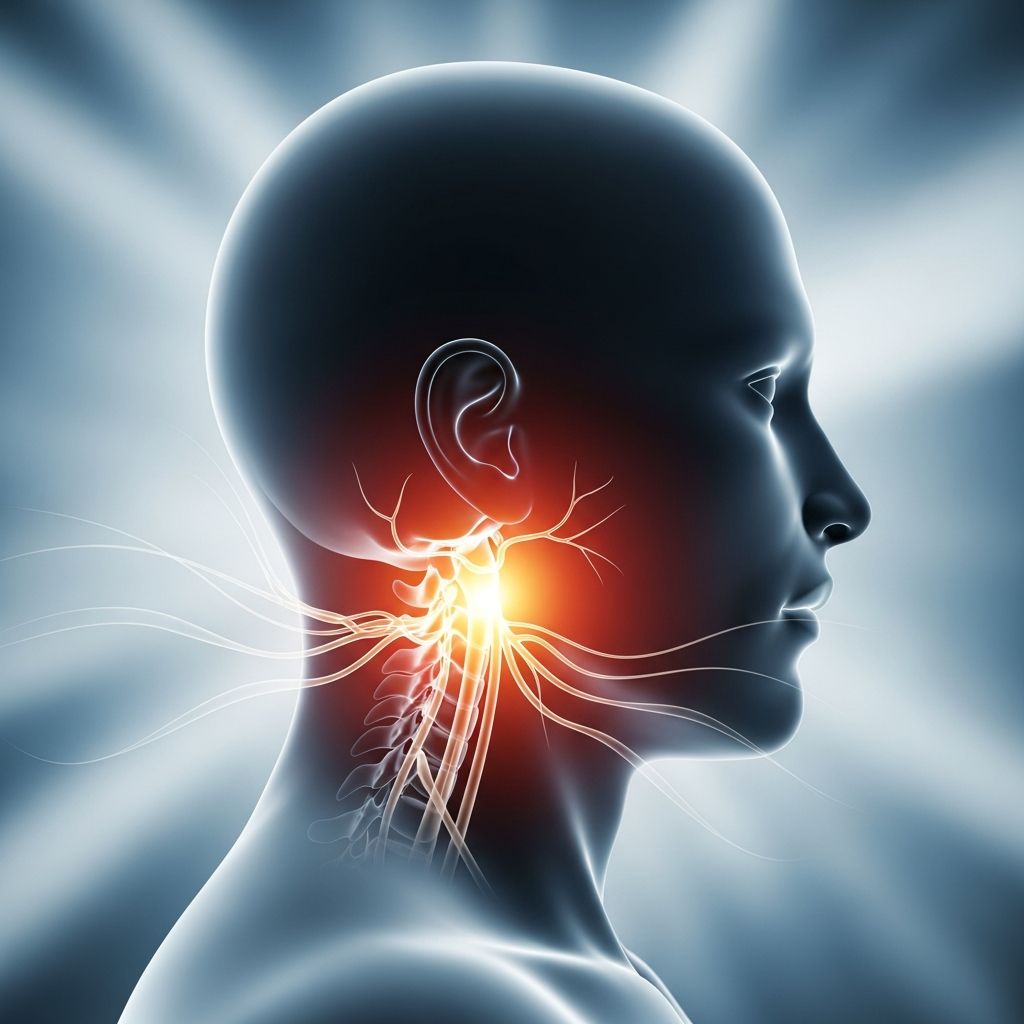
A cervicogenic headache is head pain that originates in your neck rather than in your head itself. This type of headache represents referred pain, which occurs when you feel pain in one area of your body that actually originates from a different location. With cervicogenic headaches, the pain you experience in your head stems from issues affecting the bony structures or soft tissues in your cervical spine (neck region). Unlike primary headaches that originate directly in the brain, cervicogenic headaches are secondary headaches, meaning they develop as a result of an underlying physical condition or injury.
While headaches are generally common, cervicogenic headaches are relatively uncommon, affecting between 0.4% and 4% of people who experience headaches worldwide. These headaches can develop at any age, though studies indicate that symptoms typically begin after age 30. However, many individuals don’t seek medical care for these headaches until their late 40s, often after years of managing the pain independently.
Common Causes of Cervicogenic Headaches
An injury or condition affecting your cervical spine can trigger cervicogenic headaches. Any issue that impacts the pain-sensitive areas of your cervical spine may result in referred head pain. Several conditions are commonly associated with the development of cervicogenic headaches:
- Arthritis of the cervical spine, which causes inflammation and degeneration of the joints
- Slipped or herniated disks in the neck that compress nerves or surrounding tissues
- Whiplash injuries from motor vehicle accidents or trauma, which commonly precede symptom onset
- Neck strain from poor posture, repetitive motions, or muscle tension
- Cervical spondylosis, a degenerative condition affecting the cervical spine
- Broken bones or fractures in the neck region
- Muscle tension or tightness in the neck and upper shoulder region
- Nerve compression from various spinal abnormalities
Recognizing the Symptoms
Cervicogenic headaches present with distinctive symptoms that help differentiate them from other headache types. Understanding these symptoms is essential for accurate diagnosis and appropriate treatment planning.
Primary Symptoms
The hallmark symptoms of cervicogenic headaches include:
- One-sided head pain that remains fixed on the same side
- Pain originating in the neck region and radiating upward
- Pain spreading to the forehead, temples, or orbital region
- Mild to moderate pain intensity, typically non-throbbing in nature
- Reduced neck mobility and flexibility
- Neck stiffness that limits movement
Associated Features
Patients may experience additional symptoms that accompany the primary headache pain:
- Nausea and vomiting in some cases
- Photophobia (sensitivity to light)
- Phonophobia (sensitivity to sound)
- Dizziness or vertigo
- Blurred vision in the affected eye
- Periocular edema (swelling around the eye)
- Facial flushing on the affected side
- Autonomic nervous system symptoms
It’s important to note that you may or may not experience neck pain simultaneously with your head pain. The duration of pain episodes can vary from a single day to several weeks, and the frequency of headaches is often unpredictable.
Diagnosis and Evaluation
Diagnosing cervicogenic headaches can be challenging due to the nature of referred pain and the similarity of symptoms to other headache types. Your healthcare provider will employ multiple diagnostic approaches to confirm a diagnosis and rule out other conditions.
Clinical Assessment
During your appointment, your healthcare provider will conduct a thorough physical examination and review your detailed symptom history. They will assess your neck mobility, evaluate your posture, and perform specific maneuvers to reproduce or alleviate your symptoms. A comprehensive history of any previous injuries, particularly whiplash trauma, is important for establishing the connection between your neck and your headaches.
Related Stories



Diagnostic Testing
Imaging tests play a crucial role in identifying underlying cervical spine issues. Your provider may recommend:
- X-rays to visualize bone structures and alignment
- CT scans (computed tomography) for detailed cross-sectional images
- MRI (magnetic resonance imaging) to assess soft tissue structures, including disks, ligaments, and nerve compression
These imaging studies help identify injuries, degenerative changes, disk herniation, or other structural abnormalities affecting your cervical spine that may be causing your headaches.
Differential Diagnosis
Cervicogenic headaches can be confused with other headache types due to overlapping symptoms. Understanding the differences is essential for appropriate treatment:
| Headache Type | Key Differences from Cervicogenic |
|---|---|
| Migraines | Typically start in the frontotemporal area; often shift from side to side during episodes; accompanied by light sensitivity, sound sensitivity, nausea, or vomiting; usually described as throbbing |
| Tension-Type Headaches | Usually bilateral (both sides); lack mechanical triggers; described as dull or pressing; no response to anesthetic blockades |
| Cluster Headaches | Unilateral with prominent pain in orbital and temporal regions; accompanied by conjunctival injection and lacrimation; do not respond to anesthetic blockades |
Treatment Options
Treatment for cervicogenic headaches varies depending on the underlying cause and severity of your symptoms. Your healthcare provider will typically recommend starting with conservative approaches before considering more invasive options.
Conservative Management
Most patients benefit from non-surgical treatment approaches as first-line therapy:
Physical Therapy is a cornerstone of cervicogenic headache treatment. A physical therapist will design a personalized program aimed at increasing cervical spine mobility, strengthening weak muscles, and improving posture. Studies have shown that physical therapy interventions significantly reduce headache frequency and intensity. Exercises targeting cervical spine mobility provide particular benefit for patients whose headaches are triggered or relieved by specific movements.
Medications may provide symptom relief for some patients. While acetaminophen and NSAIDs (nonsteroidal anti-inflammatory drugs) may offer temporary relief, clinical evidence supporting their efficacy is limited. Your provider may recommend specific medications tailored to your symptoms and underlying condition. Morphine is generally not indicated for cervicogenic headaches due to marginal effectiveness.
Transcutaneous Electrical Nerve Stimulation (TENS) Therapy represents an additional conservative option. TENS therapy uses low-voltage electrical currents to relieve pain by blocking or altering pain perception. A randomized trial demonstrated significant improvement in the treatment group after three months compared to placebo, making it a viable option for patients seeking non-pharmacological pain management.
Interventional and Advanced Treatments
For patients who experience minimal relief from conservative management, several interventional options may be considered depending on the specific etiology of your headaches:
- Local Anesthetic Injections to provide temporary pain relief
- Epidural Steroid Injections to reduce inflammation around nerve roots
- Radiofrequency Treatment to ablate pain-transmitting nerves
- Botulinum Toxin Injections to relax muscles contributing to pain
- Vascular Decompression of C2 in specific anatomical situations
- Surgical Procedures such as dorsal cervical laminotomy or laminoplasty for severe cases
Botulinum toxin type A works by inhibiting acetylcholine release at the neuromuscular junction, leading to muscle relaxation. Case reports have documented substantial pain reduction with botulinum toxin A injections for cervicogenic headaches, with improvements noted on visual analog pain scales.
Relief following injection-based treatments may be temporary, potentially requiring repeat procedures to maintain pain control. Your provider will determine the most appropriate treatment sequence based on your individual circumstances.
Factors Associated with Improved Outcomes
Research has identified several factors that correlate with reduced pain burden and improved functioning in cervicogenic headache patients. These include increased age, symptom relief or provocation with specific movements, and gainful employment status. Patients whose headaches respond to movement-based interventions typically experience decreased headache frequency and intensity. Additionally, maintaining employment has been shown to specifically reduce headache frequency, suggesting that functional activity and purposeful engagement may contribute to symptom improvement.
Living with Cervicogenic Headaches
While cervicogenic headaches can significantly interfere with daily activities and quality of life, they are manageable with appropriate treatment. Relief timelines vary depending on your chosen treatment approach. Some patients experience immediate relief following medication injections, while others benefit gradually from physical therapy and conservative measures over weeks to months.
It’s important to seek medical attention if you experience a headache after an injury, if your headache persists or worsens despite self-care efforts, or if your symptoms significantly impact your ability to function. Early intervention and accurate diagnosis can lead to more effective treatment outcomes and improved quality of life.
Frequently Asked Questions
Is a cervicogenic headache the same as a migraine?
No, cervicogenic headaches are distinctly different from migraines. While both can present with one-sided head pain, migraines are typically accompanied by additional symptoms such as light sensitivity, sound sensitivity, nausea, or vomiting. Cervicogenic headaches originate from neck problems and lack these characteristic migraine features. Additionally, migraines often shift from side to side during episodes, whereas cervicogenic headaches remain on one side.
How long does it take to recover from a cervicogenic headache?
Recovery timelines vary depending on the underlying cause and treatment approach. Some patients experience relief quickly with targeted injections, while others benefit gradually from physical therapy over several weeks or months. Your healthcare provider can give you a more specific timeline based on your individual condition and treatment plan.
Can cervicogenic headaches be prevented?
While not all cervicogenic headaches can be prevented, maintaining good posture, avoiding repetitive neck strain, performing regular neck-strengthening exercises, and addressing neck injuries promptly may help reduce your risk of developing these headaches.
Is surgery necessary for cervicogenic headaches?
Surgery is typically considered a last-resort treatment option. Most patients benefit from conservative management, including physical therapy, medications, and other non-surgical interventions. Your provider will try various treatment options before recommending surgery.
What should I ask my healthcare provider about cervicogenic headaches?
Consider asking your provider about the underlying cause of your headaches, which treatment options are most appropriate for your situation, what timeline you can expect for improvement, whether physical therapy is recommended, and what warning signs should prompt immediate medical attention.
References
- Cervicogenic Headache: What It Is, Symptoms & Treatment — Cleveland Clinic. 2024. https://my.clevelandclinic.org/health/diseases/cervicogenic-headache
- Diagnosing and Treating Cervicogenic Headache: A Problem-Based Learning Discussion — American Society of Regional Anesthesia and Pain Medicine (ASRA). November 2024. https://asra.com/news-publications/asra-updates/blog-landing/legacy-b-blog-posts/2024/11/11/diagnosing-and-treating-cervicogenic-headache-a-problem-based-learning-discussion
- Cervicogenic Headache: How to Recognize and Treat — PubMed/National Library of Medicine. 2024. https://pubmed.ncbi.nlm.nih.gov/38388233/
Similar Articles








Read full bio of Sneha Tete