Cervix: Anatomy, Function, Changes & Conditions
Complete guide to cervix anatomy, functions, and health conditions affecting reproductive health.
Understanding Your Cervix: A Complete Health Guide
Your cervix is a small yet remarkably important organ that plays a vital role in your reproductive health. Often referred to as the “neck of the uterus,” this muscular, tunnel-like structure connects your uterus to your vagina and serves multiple critical functions throughout your life. Understanding your cervix, how it works, and what conditions might affect it is essential for maintaining optimal reproductive health.
What Is Your Cervix?
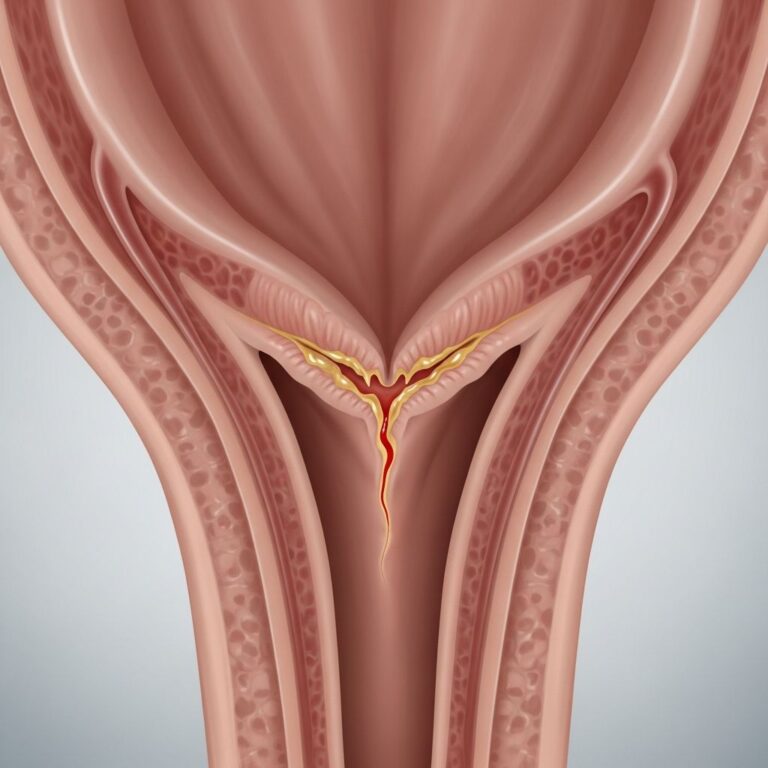
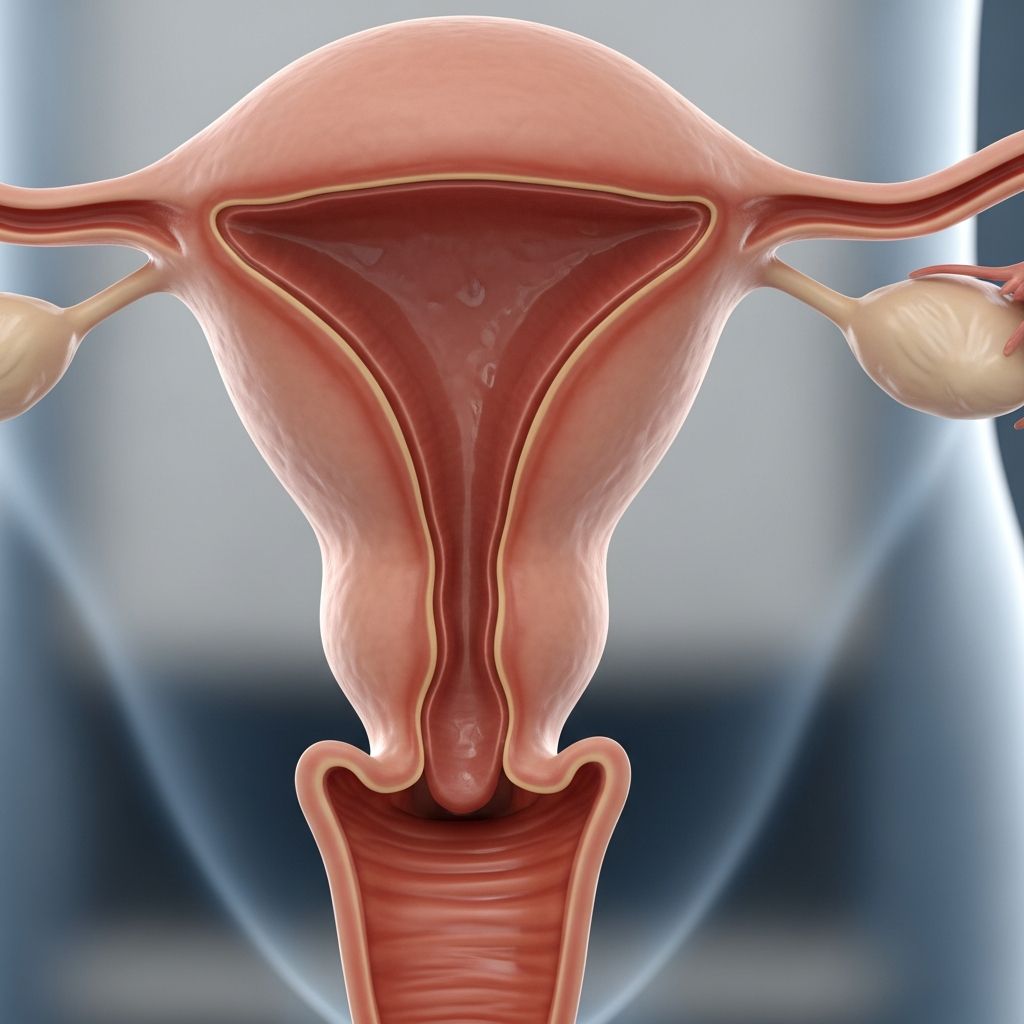
The cervix is a fibromuscular organ that forms the lower portion of your uterus. It functions as a vital passageway, allowing fluids to move between your uterus and vagina. The word “cervix” originates from the Latin term meaning “neck,” which perfectly describes its role as a connecting structure. Your cervix is shaped roughly like a cylinder or tube, wider in the middle and narrowing at both ends where it opens into your uterus at the top and your vagina at the bottom.
Typically measuring approximately 4 centimeters in length and 3 centimeters in diameter, your cervix is located inside your pelvic cavity, anywhere from 3 to 6 inches inside your vaginal canal. It begins at the base of your uterus and extends downward onto the top part of your vagina, where it bulges into the uppermost part of the vaginal canal—a region called the ectocervix.
Key Functions of Your Cervix
Your cervix serves several essential functions that make it integral to your reproductive health and overall well-being:
Fluid Transport and Passage: Your cervix acts as a sophisticated gatekeeper, regulating the flow of fluids between your uterus and vagina. The endocervical canal, which runs the length of your cervix, transports sperm into the uterine cavity, allows blood to escape from your uterus during menstruation, and supplies protective mucus to your female reproductive tract.
Childbirth Preparation: During pregnancy and labor, your cervix undergoes remarkable changes. It thickens and becomes plugged with mucus to protect the developing baby from infections. When you go into labor, your cervix dilates and effaces (thins out) to allow your baby to pass through the vagina during birth.
Protective Barrier: Your cervix acts as a protective barrier, safeguarding your uterus from infections and external pathogens. The thick mucus plug that forms during pregnancy provides additional protection for your developing baby.
Reproductive Support: The cervical mucus produced by your cervix changes throughout your menstrual cycle, facilitating sperm transport during your fertile window and supporting conception.
Cervix Anatomy and Structure
Understanding the anatomical components of your cervix helps clarify how this organ functions and why certain areas are more prone to cell changes.
The Endocervix: The upper portion of your cervix contains the endocervical canal, which is lined with glandular epithelium (specialized tissue). This lining produces the cervical mucus that changes throughout your menstrual cycle. Cells within this tissue layer secrete fluids and project tiny, hairlike structures called cilia that help move sperm through the canal.
Related Stories



The Ectocervix: The lower portion of your cervix, called the ectocervix, is the part that projects into your vagina. This area is lined with squamous epithelium, a different type of tissue than the endocervix.
The Transformation Zone: The transformation zone (TZ) is the area where the endocervical canal overlaps with the ectocervix, where glandular epithelium meets squamous epithelium. This region is significant because it’s where cell changes most commonly occur. The transformation zone is the most common site for abnormal cells to grow, indicating conditions like cervical dysplasia or cervical cancer.
The Cervical Os: The cervical opening into the vagina is called the external os, while the opening of the endocervical canal into the uterine cavity is the internal os.
How Your Cervix Changes Throughout Your Life
Your cervix is not a static organ. It undergoes significant changes throughout different life stages and reproductive events.
During Puberty and Early Reproductive Years: As you reach puberty, your cervix grows and develops as part of your overall reproductive system maturation. The squamocolumnar junction—where squamous epithelium meets glandular epithelium—is dynamic and moves during early adolescence. This movement continues and becomes more pronounced during your first pregnancy.
During Pregnancy: During pregnancy, your cervix undergoes dramatic changes. It becomes softer and more flexible, allowing it to prepare for labor. The mucus inside the endocervical canal becomes very thick and acts as a protective plug that helps seal off the rest of your uterus from infection.
After Childbirth: If you’ve given birth vaginally, your cervix may appear larger than before pregnancy. The cervix of a parous woman (one who has given birth) is considerably larger than that of a nulliparous woman (one who has not given birth).
During Menopause and After: As you approach and pass through menopause, your cervix undergoes additional changes. The cervix of a woman of reproductive age is considerably larger than that of a postmenopausal woman. From the perimenopausal period onward, the atrophic cervix shrinks, and the transformation zone moves toward the external os.
Common Cervical Conditions
Your cervix is vulnerable to various conditions that require monitoring and appropriate medical care.
HPV Infection and Cervical Cancer: Your cervix is particularly vulnerable to human papillomavirus (HPV) infections. Some strains of HPV can cause cell changes that may lead to cervical cancer if left untreated. The transformation zone is where these cancerous cells typically develop.
Cervical Dysplasia: Cervical dysplasia refers to abnormal cell growth in the cervix, often detected through Pap smears. This condition ranges from mild to severe and requires monitoring and treatment to prevent progression to cancer.
Cervicitis: This is inflammation of the cervix, often caused by infections such as sexually transmitted infections (STIs), bacterial vaginosis, or yeast infections.
Cervical Polyps: These are small, benign growths on the cervix that may cause abnormal bleeding or discharge.
Cervical Fibroids: Less common than uterine fibroids, cervical fibroids are benign tumors that develop in cervical tissue.
Preventive Care and Screening
Protecting your cervical health is crucial for preventing serious conditions like cervical cancer. Several effective preventive measures are available:
HPV Vaccination: Getting vaccinated for HPV can help prevent infections with the strains of the virus most likely to cause cervical cancer. Vaccination is most effective when given before you become sexually active, though it can benefit people at various ages.
Regular Pap Smears: Pap smears are screening tests that can detect abnormal cells in your cervix before they become cancerous. Regular screening is one of the most effective ways to prevent cervical cancer. The frequency of your screening depends on your age and individual risk factors.
HPV Testing: HPV testing can detect the presence of high-risk HPV strains, providing additional information about your cervical cancer risk.
Safe Sexual Practices: Using barrier methods like condoms during sexual activity can reduce your risk of contracting HPV and other sexually transmitted infections.
Smoking Cessation: If you smoke, quitting can reduce your cervical cancer risk, as smoking impairs your immune system’s ability to fight HPV infections.
Blood Supply and Nerve Connections
Your cervix has an intricate network of blood vessels and nerves that support its functions. The arterial supply of the cervix is derived from the internal iliac arteries through the cervical and vaginal branches of the uterine arteries. These cervical branches descend in the lateral aspects of the cervix at the 3 o’clock and 9 o’clock positions. The veins run parallel to the arteries and drain into the hypogastric venous plexus.
The nerve supply to the cervix comes from the hypogastric plexus. Interestingly, the endocervix has extensive sensory nerve endings, while there are very few in the ectocervix. This anatomical difference is clinically significant: procedures such as biopsy, thermal coagulation, and cryotherapy are relatively well tolerated in most women, although local anesthesia can effectively prevent any discomfort from these procedures.
Cervical Mucus and Fertility
Your cervix produces cervical mucus that plays a crucial role in fertility. The composition and consistency of this mucus change throughout your menstrual cycle in response to fluctuating hormone levels. During ovulation—when your ovaries release an egg—the mucous secretions are plentiful and watery, creating an optimal environment for sperm to survive and travel through the cervix. Before and after ovulation, the secretions are thick and relatively scant, creating a more hostile environment for sperm. Understanding these changes can help if you’re trying to conceive or using natural family planning methods.
Frequently Asked Questions About Your Cervix
Q: Why is the cervix considered such an important part of the reproductive system?
A: Your cervix is essential because it serves as the gateway between your uterus and vagina. It protects your uterus from infections, produces mucus that aids in conception, and undergoes dramatic changes to allow for childbirth. Additionally, it’s a critical site for cancer screening through Pap smears.
Q: What does a normal cervix look like during a pelvic exam?
A: A healthy cervix typically appears pink and smooth with a small opening called the os. The appearance may vary slightly depending on your age, whether you’ve had children, and where you are in your menstrual cycle. Your healthcare provider can determine if your cervix appears normal during your exam.
Q: How often should I have cervical cancer screening?
A: Screening recommendations vary based on your age and medical history. Generally, women should begin cervical cancer screening at age 21 and continue with regular Pap smears every three years or HPV testing every five years, depending on the screening method used. Your healthcare provider can recommend the schedule that’s right for you.
Q: Can cervical conditions affect my ability to become pregnant?
A: Most cervical conditions don’t affect fertility. However, severe cervical scarring from procedures or infections might reduce cervical mucus production, potentially affecting sperm transport. If you have concerns about cervical health and fertility, discuss them with your healthcare provider.
Q: What should I do if I have abnormal cervical cells?
A: If your Pap smear shows abnormal cells, your healthcare provider may recommend follow-up testing, such as HPV testing or colposcopy, to better understand the changes. Most abnormal findings are not cancer, and many resolve on their own. Your provider will guide you through appropriate next steps based on the severity of the changes.
Q: Is cervical pain normal?
A: The ectocervix has very few nerve endings, so cervical pain is not typical. If you’re experiencing pain in the cervical area, it’s important to see your healthcare provider for evaluation, as it could indicate an underlying condition like cervicitis or other pelvic issues.
Taking Care of Your Cervical Health
Maintaining good cervical health requires a combination of preventive measures and regular medical care. Stay up-to-date with your cervical cancer screenings, consider HPV vaccination if you’re in the recommended age group, and practice safe sexual habits. If you experience any concerning symptoms such as unusual vaginal discharge, abnormal bleeding, or pelvic pain, contact your healthcare provider promptly. By understanding your cervix and taking proactive steps to protect it, you’re investing in your long-term reproductive health and overall well-being.
References
- Anatomy of the uterine cervix and the transformation zone — National Center for Biotechnology Information (NCBI). 2024. https://www.ncbi.nlm.nih.gov/books/NBK568392/
- Cervix: Anatomy, Function, Changes & Conditions — Cleveland Clinic. 2024. https://my.clevelandclinic.org/health/body/23279-cervix
- Cervix — Britannica. 2024. https://www.britannica.com/science/cervix
- Cervical Mucus: Chart, Stages, Tracking & Fertility — Cleveland Clinic. 2024. https://my.clevelandclinic.org/health/body/21957-cervical-mucus
Similar Articles








Read full bio of Sneha Tete