Cesarean Section: Purpose, Procedure, and Recovery
Comprehensive guide to cesarean delivery: indications, procedure steps, and postoperative care.
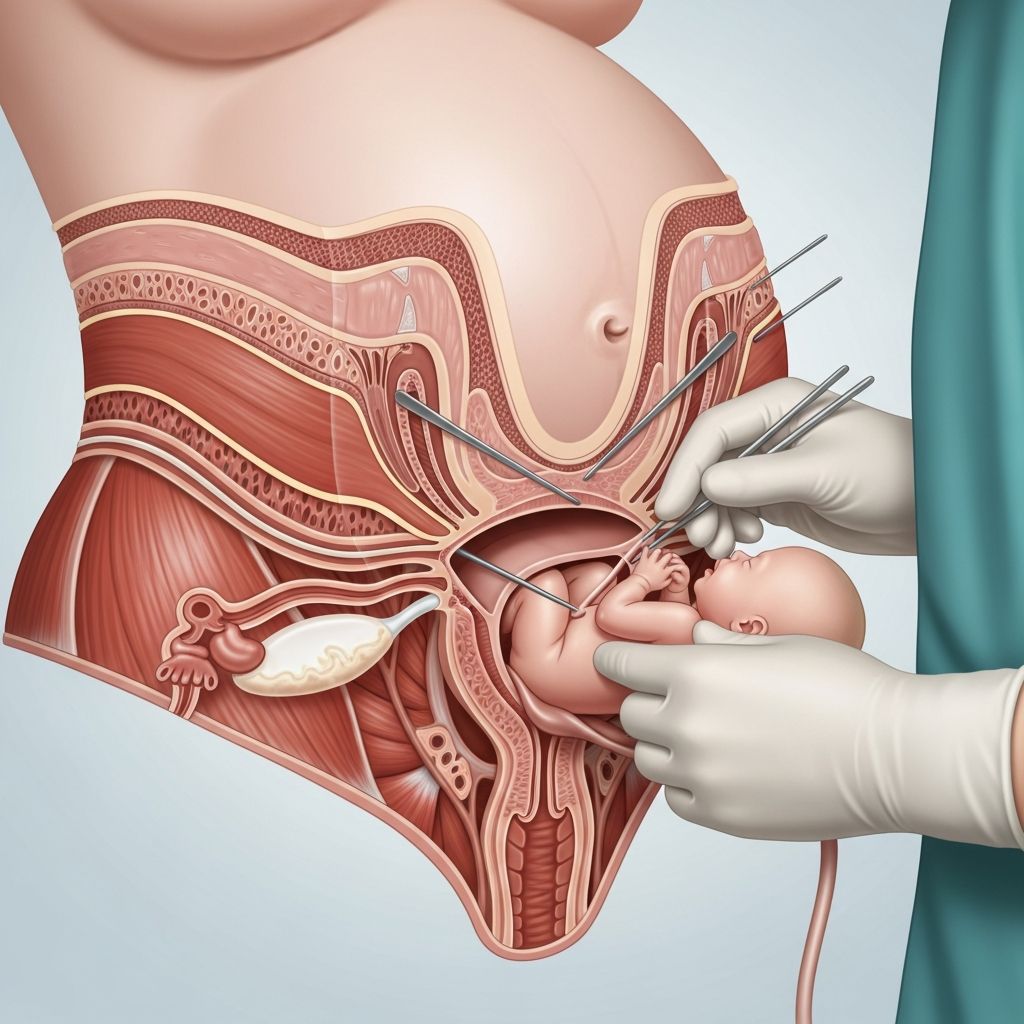
Understanding Cesarean Section
A cesarean section, commonly known as a C-section, is a surgical procedure in which a baby is delivered through an incision made in the mother’s abdomen and uterus. This major abdominal surgery has become one of the most commonly performed surgical procedures worldwide and represents a crucial intervention when vaginal delivery poses risks to either mother or baby. Modern cesarean delivery has significantly improved maternal and neonatal outcomes, particularly in cases where complications arise during pregnancy or labor.
When Cesarean Section is Recommended
Cesarean delivery may be planned in advance (elective) or performed emergently during labor. Healthcare providers recommend cesarean section in various clinical situations to ensure the safety of both mother and baby. Understanding these indications helps expectant parents make informed decisions about their delivery options.
Planned Cesarean Indications
Several conditions warrant planning a cesarean delivery before labor begins. These include placenta previa, where the placenta covers the cervical opening and prevents vaginal delivery; placental abruption, involving premature placental separation; and persistent transverse lie, where the baby remains positioned horizontally rather than head-down. Additionally, a previous cesarean delivery often necessitates a planned repeat cesarean, as does a diagnosis of breech presentation (baby positioned buttocks or feet first). Maternal health conditions such as gestational diabetes, preeclampsia, or infections like herpes simplex virus may also warrant planned cesarean delivery.
Emergency Cesarean Indications
Emergency cesarean sections become necessary when complications develop during labor that compromise maternal or fetal well-being. These include umbilical cord prolapse, where the cord slips into the vagina ahead of the baby; placental abruption discovered during labor; severe fetal distress indicating the baby is not receiving adequate oxygen; failed labor progression despite appropriate contractions; and uterine rupture. Recognizing these emergency situations promptly allows physicians to perform life-saving interventions.
Preparing for Cesarean Section
Proper preparation is essential for a successful surgical experience. Whether your cesarean is planned or emergent, understanding what to expect helps reduce anxiety and promotes optimal outcomes.
Pre-Operative Assessment
Before scheduled cesarean delivery, your healthcare provider will conduct a comprehensive evaluation including blood work, blood pressure monitoring, and a physical examination. You will receive instructions regarding fasting, typically no food or drink after midnight the night before surgery. Inform your medical team about all medications you take, as some may require adjustment. Discuss any allergies, previous anesthesia reactions, or medical conditions that might affect your surgery.
Day of Surgery Preparations
On surgery day, you will be admitted to the hospital and moved to a pre-operative area where final preparations occur. An intravenous line will be established to deliver fluids and medications. An anesthesiologist will meet with you to discuss anesthesia options, typically regional anesthesia (spinal or epidural) for cesarean delivery, which allows you to remain awake during birth while numbing the lower body. Your abdomen will be cleaned with antiseptic solution, and you may receive pre-operative medications to help you relax.
Related Stories



The Cesarean Procedure
Understanding the surgical steps helps expectant parents feel more prepared and informed about what occurs during cesarean delivery. The procedure typically takes 30 to 60 minutes from incision to closure, though preparation and recovery add to total operating room time.
Anesthesia Administration
Once you are positioned on the operating table, anesthesia is administered. Most cesarean deliveries use regional anesthesia, such as spinal or epidural blocks, which numb everything from your waist down while keeping you awake and alert. General anesthesia, which renders you unconscious, is reserved for emergency situations or cases where regional anesthesia is contraindicated. The anesthesia team continuously monitors your vital signs throughout the procedure.
Surgical Incisions
The surgeon makes two incisions: one through the skin and fascia of the abdomen, and a second through the uterine muscle. Most modern cesarean deliveries use a low transverse incision (bikini cut), which runs horizontally across the lower abdomen just above the pubic bone. This approach reduces bleeding, decreases pain, and provides better cosmetic results compared to classical vertical incisions. The incision is typically 4-6 inches long, creating adequate space to safely deliver the baby.
Baby Delivery
After opening the amniotic sac, the surgeon carefully removes the baby, typically within minutes of the initial incision. The umbilical cord is clamped and cut, and the baby is handed to pediatric staff for initial assessment and care. Most infants cry immediately, establishing breathing and normal circulation. The newborn is dried, wrapped, and evaluated using the Apgar score system before being brought to you for initial bonding.
Placenta Removal and Closure
After baby delivery, the surgeon removes the placenta and thoroughly inspects the uterus and surrounding organs for any complications. The uterine incision is closed with absorbable sutures that dissolve over time, eliminating the need for suture removal. The abdominal layers are then closed, typically with absorbable sutures, staples, or skin adhesive, depending on surgeon preference and hospital protocol. The entire closure process takes 10-15 minutes.
Risks and Complications
Like any surgical procedure, cesarean section carries potential risks that should be understood before undergoing the operation. Overall, cesarean delivery is very safe when performed by experienced professionals in adequate healthcare settings, but complications can occur. Being informed about possible risks allows you to recognize warning signs and seek prompt medical attention if needed.
Common Complications
Post-operative infection ranks among the most frequent complications following cesarean delivery, occurring in approximately 5-15% of cases depending on risk factors. Infections may involve the incision site, uterine lining (endometritis), or urinary tract. Excessive bleeding (postpartum hemorrhage) can occur, sometimes requiring blood transfusion or additional intervention. Blood clots may form in leg veins (deep vein thrombosis) or lungs (pulmonary embolism), a serious but preventable complication. Anesthesia-related reactions, though rare, can include nausea, vomiting, or allergic responses.
Surgical and Maternal Risks
Direct surgical complications include bowel or bladder injury, though these occur rarely (less than 1% of cases). Excessive bleeding from uterine incision sites may require additional treatment. Maternal mortality associated with cesarean delivery remains rare in developed healthcare systems but increases significantly in resource-limited settings. Anesthesia complications, though uncommon, can include aspiration or respiratory issues.
Neonatal Considerations
Babies born via cesarean section experience slightly higher rates of respiratory complications in the immediate postpartum period, particularly transient tachypnea of the newborn (rapid breathing). These conditions typically resolve within 24-72 hours with supportive care. Some studies suggest increased risk of childhood asthma and obesity in children delivered by cesarean section, though these associations require further investigation and may be influenced by other factors.
Future Pregnancy Considerations
Cesarean delivery affects subsequent pregnancies. Women with previous cesarean section face increased risks of placenta previa, placenta accreta spectrum disorders, and placental abruption in future pregnancies. The risk of placenta accreta increases significantly with multiple prior cesarean deliveries, escalating from approximately 0.24% after one cesarean to 2.33% after four previous procedures. Uterine rupture represents a rare but serious complication during vaginal birth after cesarean (VBAC), occurring in approximately 1 in 200 women attempting vaginal delivery following prior cesarean delivery.
Benefits of Cesarean Section
When appropriately indicated, cesarean section offers significant benefits for both mother and baby. The procedure has revolutionized obstetric care and saved countless lives by providing a surgical alternative when vaginal delivery poses unacceptable risks.
Fetal and Neonatal Benefits
Cesarean delivery substantially reduces perinatal mortality rates, particularly in cases of severe fetal compromise, breech presentation, or placental complications. The procedure prevents birth trauma in certain presentations and positions that would be dangerous during vaginal delivery. For breech presentations, planned cesarean delivery reduces adverse neonatal outcomes and offers a safe alternative to vaginal breech birth. The procedure eliminates risks of birth asphyxia in situations where oxygen supply is compromised.
Maternal Benefits
Cesarean delivery eliminates risks associated with prolonged labor and emergency vaginal delivery, including severe perineal trauma. The procedure reduces rates of urinary incontinence and pelvic organ prolapse compared to vaginal delivery, benefits that may extend throughout a woman’s lifetime. For women with certain medical conditions, cesarean delivery provides a safer delivery option than the physiologic stresses of labor.
Recovery After Cesarean Section
Recovery from cesarean delivery extends beyond the immediate postoperative period and involves both physical healing and emotional adjustment to motherhood following major surgery.
Hospital Stay
Most women remain hospitalized for 2-3 days following uncomplicated cesarean delivery. During this time, vital signs are monitored regularly, pain management continues, and you begin ambulating and caring for your newborn. Staff assess wound healing and check for signs of infection or complications. Before discharge, you receive detailed instructions regarding home care, activity restrictions, and warning signs requiring immediate medical attention.
Immediate Postoperative Period
In the recovery room immediately after surgery, you will be monitored closely as anesthesia wears off. Pain management through prescribed medications or epidural catheters helps you remain comfortable while beginning to move and care for your baby. You may feel drowsy, cold, or experience nausea as anesthesia effects diminish. Most women can hold and begin breastfeeding their baby within hours of surgery.
Weeks One Through Six
Recovery continues at home with gradual increase in activity. Pain typically decreases significantly by one week post-op, though complete healing of the incision takes weeks. Light activity such as walking is encouraged, but heavy lifting and strenuous exercise should be avoided for at least 6 weeks. Watch for fever, excessive bleeding, wound drainage, or severe pain, as these warrant immediate medical evaluation. Most women resume normal activities by 6-8 weeks post-op.
Incision Care
Keep your incision clean and dry while it heals. If you have staples or sutures, these typically are removed 7-10 days post-op. Avoid submerging the incision in water until completely healed. Report any signs of infection including increased redness, warmth, swelling, pus, or foul-smelling drainage. Scar tissue gradually improves over months, with final appearance developing over 1-2 years.
Pain Management and Medications
Pain after cesarean delivery is expected but manageable with prescribed medications. Take pain relievers as directed, rather than waiting until pain is severe. Over-the-counter acetaminophen or ibuprofen may be suitable after initial recovery, but follow your physician’s recommendations. Some women experience phantom sensations or numbness around the incision as nerves heal—this typically resolves with time.
Activity and Restrictions
Gradually increase activity as tolerated. Walking is excellent exercise during recovery. Avoid lifting anything heavier than your baby, strenuous exercise, heavy household work, and driving while taking pain medications. Sexual intercourse typically can resume after 6 weeks once bleeding has stopped and incision has healed, though discuss specific timing with your healthcare provider.
Emotional Recovery
Recovery involves emotional adjustment as well as physical healing. Some women experience disappointment regarding unplanned cesarean delivery, while others feel relief that their baby was delivered safely. Postpartum depression or anxiety affects some women and requires professional support. Connect with your healthcare provider about any concerning mood changes or emotional struggles.
Vaginal Birth After Cesarean (VBAC)
Many women who have had one or more cesarean deliveries wonder whether vaginal birth after cesarean is possible. Trial of labor after cesarean (TOLAC) may be an option for select candidates with appropriate medical support and hospital resources available for emergency cesarean delivery if needed. Discuss your individual circumstances, including number of prior cesareans, reason for previous surgery, and any new pregnancy complications with your healthcare provider to determine candidacy.
Frequently Asked Questions
Q: Can I breastfeed after a cesarean section?
A: Yes, absolutely. Most women can begin breastfeeding within hours of cesarean delivery. Pain management medications are typically safe for breastfeeding. Position your baby carefully to avoid pressure on your incision.
Q: How long does cesarean section surgery take?
A: The surgical procedure typically takes 30-60 minutes from incision to closure, depending on complexity and individual factors. Total operating room time, including preparation, may extend to 1-2 hours.
Q: Will I have a scar after cesarean delivery?
A: Yes, you will have a surgical scar where the incision was made. Most modern cesarean incisions are made low and horizontally (bikini cut), making them less visible. Scars fade significantly over months to years.
Q: When can I return to normal activities after cesarean section?
A: Most women can resume light activities within 2-3 weeks and normal activities by 6-8 weeks post-op. Strenuous exercise typically should wait until 8-12 weeks. Follow your surgeon’s specific recommendations.
Q: Does having a cesarean section mean all future babies must be born by cesarean?
A: No. Vaginal birth after cesarean (VBAC) may be possible for some women, though it depends on the reason for the prior cesarean and individual circumstances. Discuss options with your healthcare provider.
Q: What is the difference between planned and emergency cesarean section?
A: Planned (elective) cesarean is scheduled in advance for known indications. Emergency cesarean is performed urgently during labor when complications develop that threaten maternal or fetal well-being. Recovery is similar, though emergency circumstances may affect timing and preparation.
When to Contact Your Healthcare Provider
Seek immediate medical attention if you experience fever above 100.4°F, excessive vaginal bleeding soaking more than one pad per hour, signs of infection at the incision site including redness, warmth, swelling or pus, severe abdominal pain beyond expected post-surgical discomfort, shortness of breath, chest pain, severe leg pain or swelling, or any other symptoms concerning you. Don’t hesitate to contact your healthcare team with questions or concerns during recovery.
References
- The Decision for Cesarean Birth — Johns Hopkins University, Journal for Nurse Practitioners. October 2005. https://pure.johnshopkins.edu/en/publications/the-decision-for-cesarean-birth-4
- Examining the Role and Relevance of Critical Analysis and Comparison of Cesarean Section Rates in a Changing World — Johns Hopkins University School of Nursing. July 2025. https://nursing.jhu.edu/wp-content/uploads/2025/07/Examining-the-role-and-relevance-of-the-critical-analysis-and-comparison-of-cesarean-section-rates-in-a-changing-world.pdf
- Risk and Reputation: Obstetricians, Cesareans, and Consent — National Center for Biotechnology Information. https://pmc.ncbi.nlm.nih.gov/articles/PMC5892390/
- American College of Obstetricians and Gynecologists (ACOG) Guidelines on Cesarean Delivery — ACOG. https://www.acog.org
- Cesarean Section: An American History of Risk, Technology, and Consequence — Jacqueline H. Wolf. University of Chicago Press. https://www.journals.uchicago.edu/doi/10.1086/709114
Similar Articles








Read full bio of Sneha Tete