C-Section (Cesarean Section): Procedure, Risks & Recovery
Complete guide to C-section delivery: understanding the procedure, risks, benefits, and recovery timeline.
Understanding Cesarean Birth (C-Section)
A C-section, also called a cesarean section or cesarean delivery, is a surgical procedure in which your baby is delivered through incisions made in your abdomen and uterus. This procedure is performed when a vaginal delivery cannot be done safely or when the health of you or your baby is at risk. According to the U.S. Centers for Disease Control and Prevention (CDC), C-sections account for approximately 30% of all deliveries in the United States, with about 1.2 million cesarean deliveries occurring each year. While vaginal births are generally preferred, there are situations where a C-section becomes the safest option for both mother and baby.
A C-section can be either planned in advance or performed as an emergency procedure. Planned cesareans give your medical team time to prepare and discuss the procedure with you, while emergency C-sections happen quickly when complications arise during labor. Understanding the differences between these two types, as well as when they’re necessary, can help you feel more prepared if you’re facing a cesarean delivery.
When a C-Section Is Necessary
Your healthcare provider may recommend a C-section for various medical reasons. These reasons can be identified before labor begins, allowing for a planned procedure, or they may emerge during labor, necessitating an emergency cesarean birth.
Planned C-Section Indications
A planned C-section is scheduled when specific conditions exist that make vaginal delivery unsafe or impossible. Common reasons for a planned cesarean include:
- Placenta previa, where the placenta covers part or all of the cervix
- Breech presentation, where the baby is positioned bottom-first instead of head-first
- Transverse lie, where the baby is positioned horizontally across the uterus
- Multiple pregnancies that cannot be safely delivered vaginally
- Maternal health conditions such as preeclampsia or gestational diabetes
- Previous C-section deliveries (though vaginal birth after cesarean is possible in many cases)
- Placental abruption or other placental abnormalities
- Uterine abnormalities or fibroids blocking the birth canal
Emergency C-Section Indications
Sometimes complications arise during labor that require an immediate C-section to protect your health or your baby’s wellbeing. Emergency C-sections may be necessary if:
- Your baby’s heart rate drops to an unsafe level, indicating fetal distress
- The umbilical cord prolapses or becomes compressed
- Labor fails to progress, a condition called arrest of dilation
- Uterine rupture occurs during labor
- Severe maternal bleeding develops
- Placental abruption occurs during labor
- Cord prolapse or other emergencies threaten the baby’s safety
The C-Section Procedure Explained
Understanding what happens during a C-section can help reduce anxiety and prepare you for the experience. The procedure involves several steps, from preparation through delivery and closure.
Preparation and Anesthesia
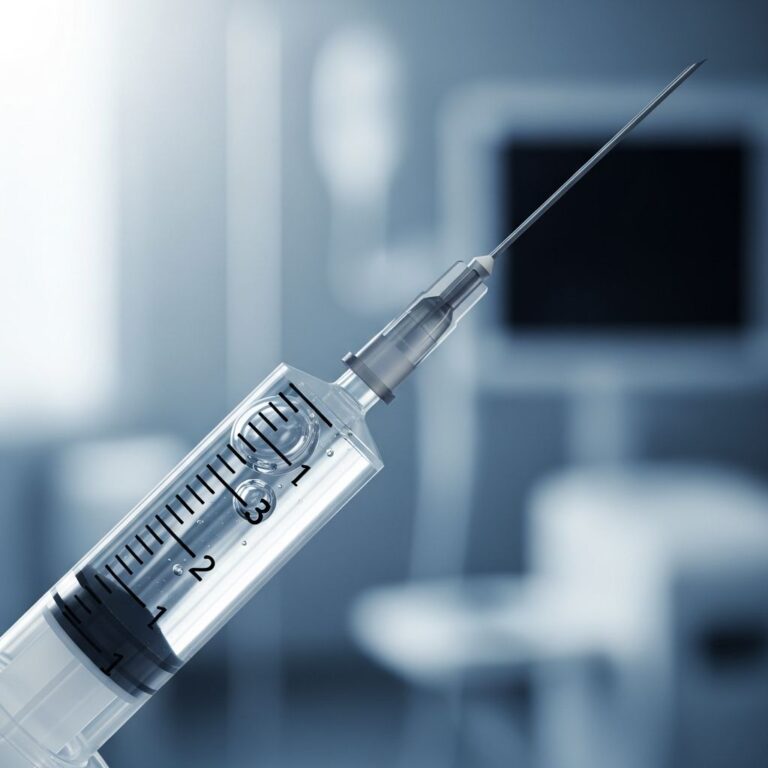
The first step in any C-section procedure is preparing you for anesthesia. For planned C-sections, most healthcare providers use an epidural or spinal anesthesia, which allows you to remain awake during the delivery while your lower body is numbed. This approach enables you to see and hold your baby immediately after birth. In emergency situations or when an epidural is not feasible, you may receive general anesthesia, which allows you to sleep through the procedure.
Once anesthesia is administered, your abdomen will be cleaned with an antiseptic solution to reduce the risk of infection. You may have an oxygen mask placed over your mouth and nose to increase oxygen delivery to your baby. A sterile drape is then placed around the incision site and over your legs and chest, and your healthcare providers raise a sterile curtain or drape between your head and your lower body, creating a sterile field for the surgery.
Related Stories



The Surgical Incisions
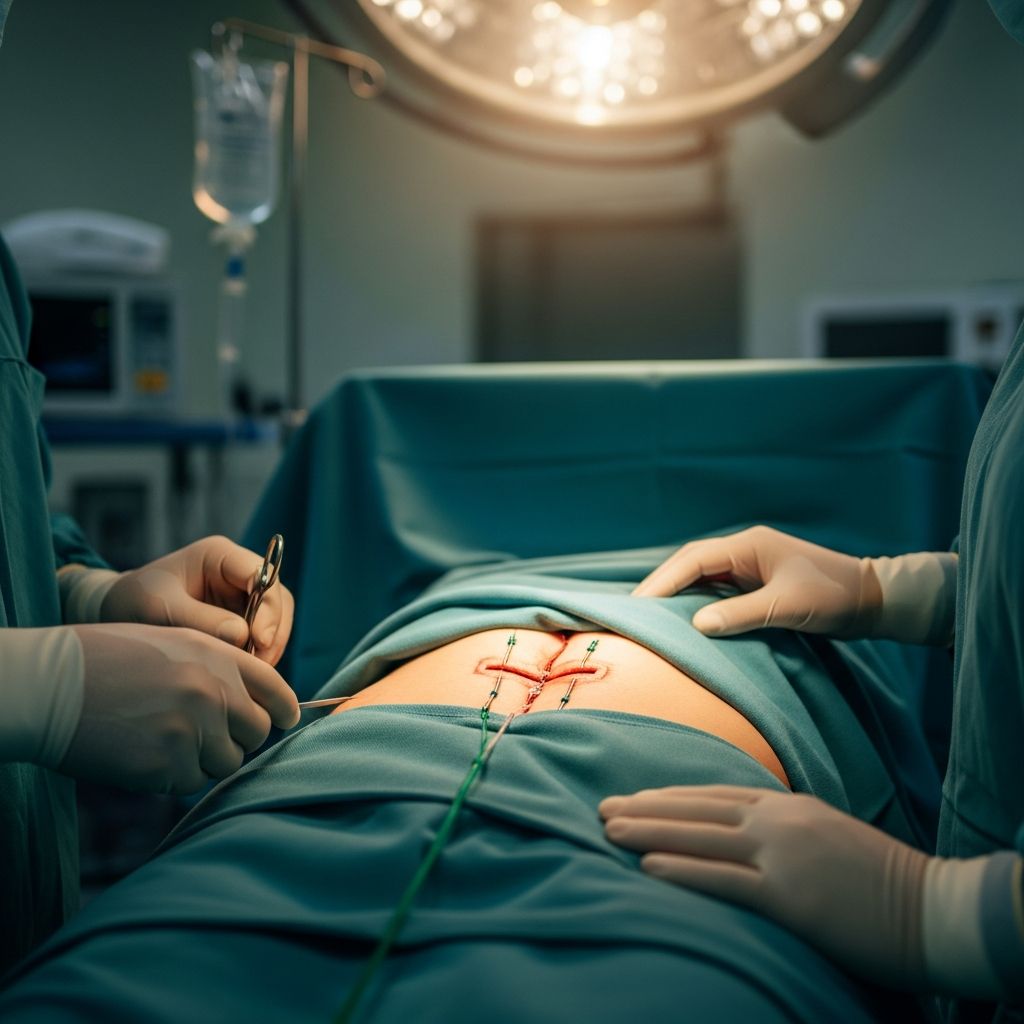
Your obstetrician will make two incisions during a C-section: one through your skin and abdominal wall, and another through your uterus. The first incision through your skin and abdominal muscles can be either vertical (from the umbilicus downward) or transverse (horizontal, often called a “bikini incision” because it can be hidden by most swimwear). Horizontal incisions are more common because they typically result in less pain and a stronger scar.
Next, your provider makes a 3- to 4-inch incision into the uterine wall. This incision can also be transverse or vertical, depending on various factors including the position of the placenta and your baby’s presentation. After these incisions are made, your obstetrician carefully removes your baby through the openings.
Baby Delivery and Closure
Once your baby is delivered, the umbilical cord is promptly cut. Your healthcare provider then removes the placenta from your uterus. After delivery, your doctor closes the incisions in your uterus and abdomen with stitches and, in some cases, staples. The stitches used to close your uterus typically dissolve on their own over several weeks, while abdominal staples are usually removed at the hospital approximately one week after delivery.
Procedure Duration and Timeline
The length of a C-section varies depending on whether it’s planned or emergency and on individual circumstances. A typical planned C-section takes approximately 45 minutes from start to finish. This timeline includes all preparation, the delivery itself, and closure of the incisions. During a planned procedure, the actual delivery of your baby takes only about 10 to 15 minutes.
In contrast, an emergency C-section moves much more quickly. Your baby may be delivered in as little as a few minutes, sometimes within 15 minutes of the surgical team’s arrival. This rapid delivery is necessary when your baby or your health is in immediate danger, such as when your baby’s heart rate drops dangerously or when other life-threatening complications occur.
Sensation During C-Section
If you’re awake during your C-section with proper anesthesia, you should not feel any pain. However, many people report feeling a sensation of tugging or pulling when their baby is being removed from their abdomen. This is completely normal and occurs because your abdominal muscles are being moved (not cut) to access the uterus. Some people also experience slight pressure sensations during the procedure. Your anesthesia team monitors you throughout the surgery and can adjust medication if you experience any discomfort.
Risks and Complications of C-Section
Like any surgical procedure, a C-section carries certain risks. While serious complications are relatively uncommon, it’s important to understand the potential risks to make an informed decision about your delivery options.
Maternal Risks
C-sections carry more risk than vaginal delivery. Potential maternal complications include:
- Infection at the incision site or in the uterus
- Excessive blood loss or hemorrhage
- Blood clots (deep vein thrombosis)
- Reactions to anesthesia
- Damage to surrounding organs such as the bladder or bowel
- Longer recovery period compared to vaginal birth
- Potential for higher risk of postpartum depression
- Increased risk of complications in future pregnancies
Infant Risks
Babies born via C-section face certain risks that differ from those of vaginal birth. One significant concern is respiratory issues. During a vaginal birth, the compression of the baby’s chest through the birth canal helps expel fluid from their lungs, preparing them to breathe oxygen after birth. Babies born via C-section miss this natural process and may have extra fluid in their lungs at birth, leading to temporary respiratory issues. These problems are usually minor and resolve with minimal intervention.
Other potential infant risks include temporary low blood sugar levels, lower Apgar scores immediately after birth, and slight increases in certain breathing problems in the immediate postpartum period.
Benefits of C-Section Delivery
While C-sections carry risks, they also offer significant benefits, particularly when vaginal delivery is unsafe or impossible. The primary benefit of a C-section is that it provides a safer delivery option when specific medical conditions exist. For example, when your baby is breech or you have placenta previa, a C-section is the safer option compared to attempting vaginal delivery. Similarly, when your baby’s heart rate drops to dangerous levels during labor, an emergency C-section is safer than allowing the situation to deteriorate.
C-sections can prevent injury and even death for those with high-risk pregnancies and their babies. They allow for controlled timing of delivery when medically necessary and eliminate the unpredictability and physical strain of prolonged labor in cases where vaginal birth would be dangerous.
C-Section Recovery Timeline
Recovery from a C-section is longer than recovery from a vaginal birth. It takes approximately six weeks for your body to recover from cesarean delivery, though each person’s timeline may vary based on their overall health, the circumstances of the surgery, and individual factors.
Immediate Recovery
Immediately after your C-section, if you were awake during the procedure, you’ll be able to see and hold your baby shortly after birth. You’ll be moved to a recovery area where medical staff monitor your vital signs and ensure you’re stable. You’ll likely experience some grogginess if you received any sedation, and you may feel pain at the incision site despite pain medication.
First Few Days
Your abdomen will be sore for several days or weeks following the procedure. Pain management is an important part of your recovery. Your healthcare provider may prescribe stronger pain medication to help manage discomfort. You’ll be encouraged to get up and walk as soon as possible, usually within the first day, as movement helps prevent blood clots and promotes healing. Most people stay in the hospital for two to three days after a C-section.
Weeks Following Surgery
During the first six weeks of recovery, you should avoid heavy lifting, strenuous exercise, and sexual intercourse. Your incision requires time to heal properly. You’ll notice gradual improvement in your energy levels and a decrease in pain as weeks pass. By six weeks, most people have recovered sufficiently to resume normal activities, though individual timelines vary.
Vaginal Birth After Cesarean (VBAC)
If you’ve had a previous C-section, you may wonder whether vaginal birth is possible in future pregnancies. Vaginal birth after cesarean (VBAC), sometimes called a trial of labor after cesarean (TOLAC), is when you give birth vaginally after a previous C-section delivery. Research shows that up to 75% of people who had one C-section successfully had a vaginal birth in their next pregnancy. However, the success rate drops to about 50% if you’ve had two or more prior C-section deliveries.
While VBAC is often possible and successful, it does carry certain risks, including the possibility of uterine rupture, though this is relatively rare. Your healthcare provider is the best resource for discussing whether VBAC is appropriate for your specific situation and medical history.
Frequently Asked Questions
Q: What’s the difference between a planned and emergency C-section?
A: A planned C-section is scheduled in advance when medical conditions make vaginal delivery unsafe. An emergency C-section is performed quickly during labor when complications arise that threaten the health of you or your baby. Emergency procedures may use general anesthesia and occur within minutes.
Q: Will I be awake during my C-section?
A: In most planned C-sections, you’ll receive epidural or spinal anesthesia, allowing you to remain awake and alert. This enables you to see your baby immediately after birth. In emergency situations, general anesthesia may be used, which means you’ll sleep through the procedure.
Q: How long does a C-section take?
A: A typical planned C-section takes approximately 45 minutes total. The actual delivery of your baby takes only 10 to 15 minutes. Emergency C-sections move much faster, with delivery occurring within minutes.
Q: Will I feel pain during the C-section?
A: With proper anesthesia, you should not feel pain. You may experience sensations of tugging or pressure as your baby is delivered, but these should not be painful.
Q: How long is recovery from a C-section?
A: Full recovery typically takes about six weeks, though timelines vary. You may experience soreness for several days or weeks and should avoid heavy lifting and strenuous activity during this period.
Q: Can I have a vaginal birth after a C-section?
A: Yes, many people successfully have vaginal births after C-sections. Up to 75% of those with one prior C-section achieve successful VBAC, though success rates are lower with multiple previous cesareans. Discuss your specific situation with your healthcare provider.
References
- C-Section (Cesarean Section): Procedure, Risks & Recovery — Cleveland Clinic. 2024. https://my.clevelandclinic.org/health/treatments/7246-cesarean-birth-c-section
- Types Of Delivery: Childbirth Options, Differences & Benefits — Cleveland Clinic. 2024. https://my.clevelandclinic.org/health/articles/9675-pregnancy-types-of-delivery
- Vaginal Birth After Cesarean (VBAC): Facts, Safety & Risks — Cleveland Clinic. 2024. https://my.clevelandclinic.org/health/articles/21687-vaginal-birth-after-cesarean-vbac
- C-Section vs. Natural Birth: What Expectant Moms Need to Know — Cleveland Clinic Health. 2024. https://health.clevelandclinic.org/why-you-should-carefully-weigh-c-section-against-a-vaginal-birth
- C-Section Recovery Timeline and Aftercare — Cleveland Clinic Health. 2024. https://health.clevelandclinic.org/c-section-recovery
- Reducing inpatient opioid consumption after caesarean delivery — National Institutes of Health. 2024. https://pmc.ncbi.nlm.nih.gov/articles/PMC11086205/
- Isthmocele (Cesarean Scar Defect): Infertility, Pain & Repair — Cleveland Clinic. 2024. https://my.clevelandclinic.org/health/diseases/23351-cesarean-scar-defect
Similar Articles








Read full bio of Sneha Tete