Cetomacrogol Cream: A Comprehensive Guide to Skin Moisturisation
Understanding emollient therapy for dry and sensitive skin conditions
Introduction to Emollient Therapy
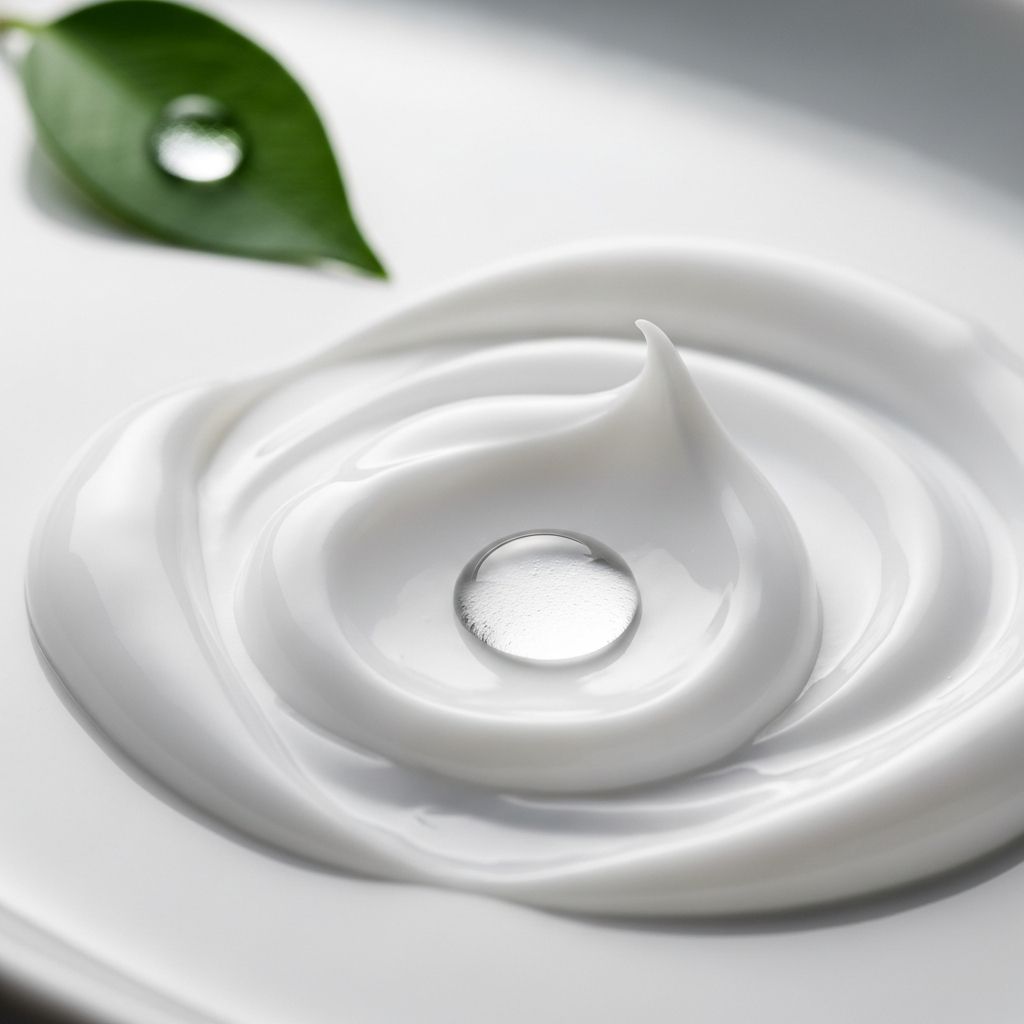
Skin conditions characterised by dryness, irritation, and compromised barrier function affect millions of people worldwide. Among the most effective non-pharmaceutical interventions for managing these conditions is emollient therapy—a cornerstone of dermatological care that focuses on restoring moisture and protecting the skin’s natural defences. Cetomacrogol cream represents one of the most widely recognised and clinically validated emollient formulations, offering a gentle yet effective approach to maintaining skin health without relying on medicinal ingredients.
Unlike topical corticosteroids or other prescription medications, emollient creams like cetomacrogol function through mechanical means, creating a protective barrier that prevents moisture evaporation and allows the skin to repair itself naturally. This distinction makes emollients particularly valuable for long-term skin management and maintenance therapy.
Understanding Cetomacrogol: Composition and Mechanism
Cetomacrogol cream belongs to a class of skincare products known as non-ionic emollients. The formulation combines several active components that work synergistically to achieve hydration and barrier repair. The primary constituent, cetomacrogol itself, functions as an emulsifying agent—a substance that allows oil and water to blend together effectively, creating a smooth, uniform cream texture that spreads easily across the skin.
The mechanism of action centres on three primary functions. First, occlusion prevents transepidermal water loss by forming a protective film on the skin surface. Second, humectant action draws moisture from deeper skin layers and the environment, helping to saturate the outer epidermal layers. Third, barrier restoration supports the skin’s natural repair processes by reducing further irritation and allowing compromised skin structures to recover over time.
Most commercial formulations contain paraffin-based ingredients that provide sustained occlusive protection, while emulsifying wax ensures even distribution and stable binding of water molecules to keratin within the stratum corneum. The absence of common irritants—including fragrances, sodium lauryl sulphate, parabens, and lanolin—makes the formulation suitable for reactive and hypersensitive skin types.
Primary Applications in Dermatological Care
Cetomacrogol cream addresses several specific skin conditions where moisture deficiency and barrier dysfunction are central concerns. The following represent its most common clinical applications:
- Atopic dermatitis (eczema): Particularly effective for managing the chronic phase between acute flare-ups, helping to prevent symptom recurrence through consistent hydration and barrier support
- Contact dermatitis: Provides relief and protection for skin exposed to irritating substances, including harsh detergents, industrial chemicals, or environmental allergens
- Psoriasis: Useful as an adjunctive therapy to reduce scaling and discomfort, particularly during periods of disease remission
- Age-related xerosis: Addresses physiological changes in skin hydration capacity that occur with advancing age
- Seasonal dryness: Effective for preventing winter-related skin deterioration caused by low humidity and harsh weather exposure
Safety Profile and Suitability Across Populations
One of the most significant advantages of cetomacrogol cream is its exceptional safety profile across diverse patient populations. Unlike medicated creams, which may carry risks of skin atrophy, systemic absorption, or side effects limiting their duration of use, emollients like cetomacrogol can be applied multiple times daily for extended periods without adverse consequences.
The formulation is suitable for use on infants and young children, where caution with stronger treatments is essential. Paediatric applications often include management of nappy rash prevention and early eczema intervention, with healthcare providers recommending regular application before symptoms become severe. Similarly, elderly populations benefit from the cream’s effectiveness in addressing age-associated skin changes without introducing additional medication burdens or drug interactions.
Related Stories



Pregnant and breastfeeding individuals can use cetomacrogol safely without concerns regarding systemic absorption or foetal or infant exposure. The minimal ingredient list and absence of pharmaceutical actives eliminate the need for dose calculations or administration timing considerations that accompany medicated preparations.
Functional Characteristics and Practical Benefits
Beyond its primary moisturising function, cetomacrogol cream offers several practical attributes that enhance its usability in daily skincare routines:
| Characteristic | Clinical Benefit |
|---|---|
| Non-greasy texture | Comfortable for daytime use, compatible with makeup, clothing, and physical activity without leaving residue |
| Rapid absorption | Allows prompt skin feel normalisation, improving patient compliance and satisfaction |
| Odourless formulation | Suitable for facial application and individuals sensitive to fragrance exposure |
| Colour-free composition | Eliminates risk of staining clothing or leaving visible marks on skin |
| Compatibility with other treatments | Can be layered beneath topical medications without reducing their efficacy or creating adverse interactions |
The cream’s versatility extends to its application methods. Users may apply it directly to dry areas, massage it gently into affected regions, or use it as a soap substitute during cleansing rituals to avoid further moisture depletion. This flexibility allows individuals to integrate it seamlessly into existing routines without disruption.
Integration with Comprehensive Skin Management Strategies
Dermatological best practice increasingly emphasises layered treatment approaches that combine multiple therapeutic strategies. Cetomacrogol cream functions effectively as a foundational component in such regimens. When individuals require topical corticosteroids for acute flare-ups, cetomacrogol serves as the underlying maintenance product that extends remission periods and reduces reliance on medicated preparations.
In wet-wrap therapy protocols—an evidence-based technique for severe eczema—cetomacrogol cream provides the initial hydrating layer before occlusion with damp bandages. The combination amplifies moisture penetration and allows sustained therapeutic exposure. Similarly, following dermatological procedures such as laser treatments, chemical peels, or retinoid therapy, cetomacrogol offers gentle barrier support during the recovery phase when skin is particularly vulnerable to irritation and moisture loss.
Healthcare providers often recommend cetomacrogol as the first-line emollient in step-wise treatment algorithms because its safety profile permits unrestricted use while clinical evidence supports its effectiveness. This approach delays escalation to medicated treatments and reduces associated risks, particularly in paediatric populations where long-term corticosteroid exposure raises specific concerns.
Application Techniques and Usage Recommendations
Optimal benefits from cetomacrogol cream depend on proper application methodology. The cream should be applied to clean, damp skin whenever possible, as moisture on the skin surface enhances the formulation’s humectant function. Users should dispense a quantity appropriate to the affected area size—typically a pea-sized amount for facial regions and larger portions for trunk or extremity application.
Rather than vigorous rubbing, gentle patting and smooth gliding motions allow even distribution without causing additional irritation or friction. For individuals with severe dryness, applying the cream to slightly damp skin immediately after bathing or showering captures surface moisture within the emollient layer, maximising hydration efficacy.
Frequency of application should align with skin condition severity. Many individuals benefit from twice-daily application—morning and evening—though some may require additional midday applications during periods of acute stress, environmental exposure, or seasonal transition. Unlike medicated treatments with specific dosing intervals, cetomacrogol carries no restriction on application frequency, allowing users to adjust timing based on skin response.
Considerations for Special Circumstances
Individuals with specific occupational or environmental exposures may find cetomacrogol particularly valuable. Healthcare workers, cleaners, and others frequently exposed to irritating substances can apply the cream preventatively before potential contact. Similarly, those in arid climates or heated indoor environments during winter months benefit from increased application frequency to counteract environmental moisture loss.
The cream’s compatibility with other skincare components makes it suitable for use alongside sun protection products, though applying cetomacrogol first and allowing brief absorption before sunscreen application optimises both products’ performance. Users with acne-prone skin need not avoid cetomacrogol provided they select formulations explicitly labelled as non-comedogenic, which most commercial preparations are.
Long-Term Outcomes and Disease Prevention
Consistent emollient use represents preventative dermatology—a strategy focused on reducing disease recurrence and severity rather than treating acute episodes. Research indicates that individuals who maintain regular cetomacrogol application experience extended intervals between eczema or dermatitis flare-ups, reduced symptom intensity when flares occur, and decreased requirements for stronger medications over extended periods.
The cream’s role in breaking the itch-scratch cycle deserves particular emphasis. By reducing skin tightness and irritation, emollients diminish the urge to scratch, thereby preventing secondary skin damage that perpetuates inflammation and delays healing. This mechanism proves particularly important in paediatric populations, where scratching behaviour is difficult to control through behavioural means alone.
Frequently Asked Questions
Can cetomacrogol cream be used on the face?
Yes, cetomacrogol cream is safe for facial application despite the face being more sensitive than other body regions. Its non-greasy formulation and fragrance-free composition make it suitable for facial use without causing comedones or worsening acne. Individuals concerned about any irritation should perform a small test application on an inconspicuous area first.
How long does it take for improvements to become visible?
Initial symptom relief, particularly reduction in itching and skin tightness, may occur within hours to days of beginning regular application. However, visible improvements in skin texture, reduction of scaling, and normalisation of appearance typically require consistent application for 2-4 weeks as the skin barrier gradually repairs.
Is cetomacrogol cream appropriate for use during medicated treatment phases?
Absolutely. Cetomacrogol cream does not interfere with topical medications and is frequently recommended to be used alongside prescription treatments. Applying cetomacrogol as a maintenance product between medicated cream applications or as an underlying layer supports overall skin recovery without reducing medication efficacy.
What distinguishes cetomacrogol from other commercial moisturisers?
Cetomacrogol cream’s pharmaceutical-grade formulation, clinical validation, and deliberate exclusion of common irritants differentiate it from cosmetic moisturisers. It is specifically engineered for therapeutic purposes rather than cosmetic enhancement, with ingredient selection based on clinical evidence rather than sensory appeal or marketing trends.
Conclusion
Cetomacrogol cream represents an evidence-based, accessible approach to managing chronic skin conditions characterised by dryness and barrier dysfunction. Its efficacy, safety profile, and compatibility with diverse patient populations and treatment regimens establish it as a foundational component of dermatological care. By understanding its mechanism of action, appropriate applications, and integration within comprehensive skin management strategies, individuals and healthcare providers can optimise its benefits for long-term skin health maintenance.
References
- Emollients for Eczema Management — National Institute for Health and Care Excellence (NICE). 2023. https://www.nice.org.uk
- Cetomacrogol Cream Information — Medicines and Healthcare products Regulatory Agency (MHRA). https://www.mhra.gov.uk
- Non-Ionic Emollients in Dermatological Practice — British Association of Dermatologists. 2024. https://www.bad.org.uk
- Barrier Repair Therapy for Atopic Dermatitis — American Academy of Dermatology. 2023. https://www.aad.org
- Emollient Therapy: Evidence and Clinical Application — PubMed Central, National Library of Medicine. 2024. https://www.ncbi.nlm.nih.gov/pmc
Similar Articles








Read full bio of Sneha Tete