CGM Technology and Ocular Health Management
How continuous glucose monitors help prevent diabetic eye disease and preserve vision.
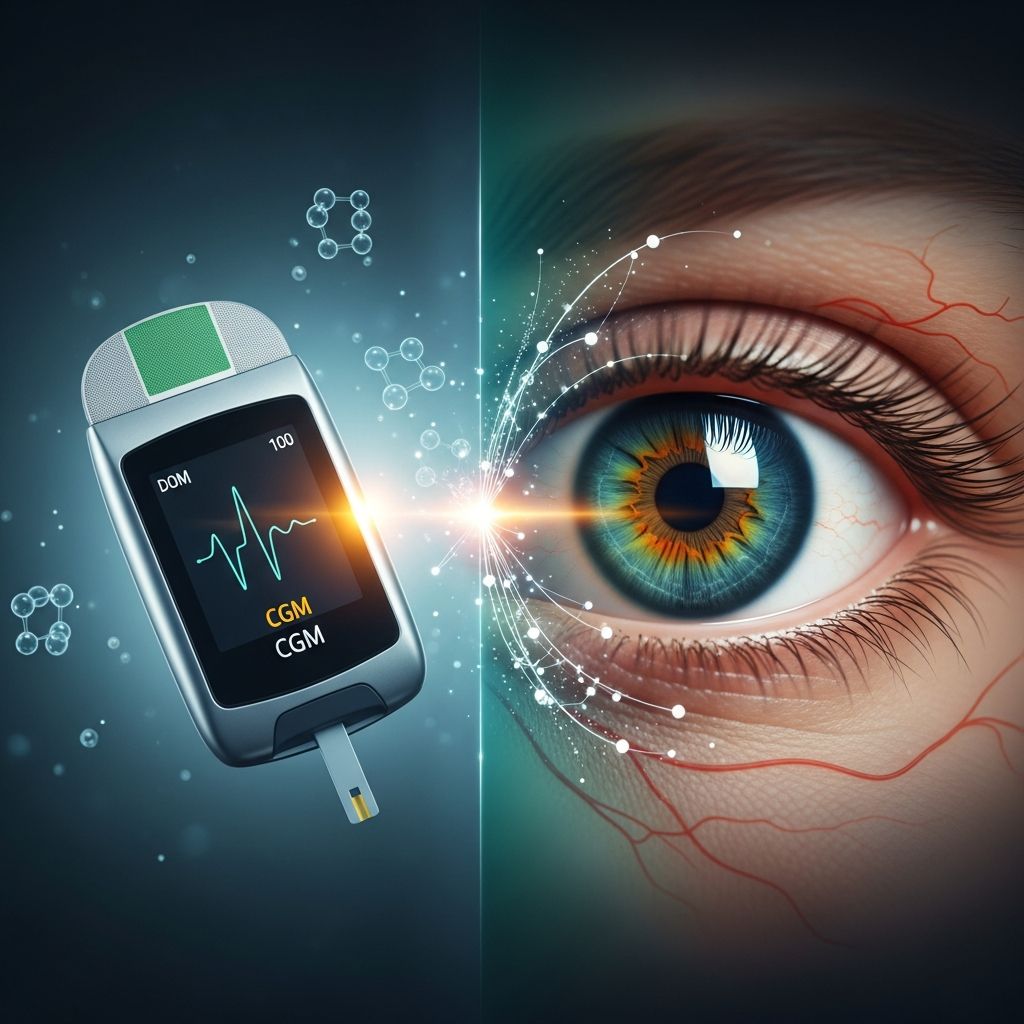
Diabetes affects millions of people worldwide, and one of its most serious complications is damage to the eyes. Diabetic retinopathy, diabetic macular edema, and other vision-threatening conditions develop when high blood sugar levels damage the blood vessels in the retina over time. However, emerging technology offers new hope for preventing these complications before they start. Continuous glucose monitoring (CGM) devices represent a significant advancement in diabetes management that can help individuals maintain healthier blood sugar levels and, in turn, protect their eyesight.
Understanding the Connection Between Blood Sugar Control and Eye Health
The eyes are particularly vulnerable to the effects of uncontrolled diabetes. When blood glucose levels remain elevated for extended periods, the excess sugar can damage the delicate blood vessels that nourish the retina—the light-sensitive tissue at the back of the eye responsible for vision. This damage develops gradually and often without noticeable symptoms in its early stages, making prevention through tight glucose control essential.
Poor glycemic control increases the risk of diabetic retinopathy, a condition affecting up to one-third of people with diabetes. Additionally, fluctuating blood sugar levels contribute to other eye conditions, including cataracts and glaucoma. The relationship between sustained high blood glucose and eye damage is well-established in medical literature, underscoring the critical importance of maintaining stable glucose levels throughout the day and night.
What Are Continuous Glucose Monitors and How Do They Work?
A continuous glucose monitor is a small, wearable sensor device that tracks blood sugar levels in real time. Rather than requiring finger pricks multiple times daily, CGM systems measure glucose levels from the fluid beneath the skin every few minutes and transmit readings directly to a smartphone or compatible receiver. This constant stream of data provides users with immediate feedback about their glucose trends, allowing them to see whether their blood sugar is rising, falling, or remaining stable.
Modern CGM systems offer several features that enhance diabetes management:
- Real-time glucose readings accessible on mobile devices
- Programmable alerts that notify users when glucose levels are too high or too low
- Remote data sharing capabilities that allow healthcare providers to monitor patients remotely
- Cloud-based data storage for long-term trend analysis and pattern recognition
- Integration with insulin pumps and artificial pancreas systems for automated insulin delivery
By providing comprehensive glucose data, these devices empower patients to make immediate adjustments to their diet, medication, and activity levels, resulting in significantly improved glucose control compared to traditional finger-stick monitoring alone.
The Evidence: How CGM Improves Blood Sugar Control
Research demonstrates that CGM use in people with diabetes is associated with clinically meaningful improvements in glycemic control, particularly as measured by A1c levels—a standard indicator of average blood glucose over three months. These improvements translate directly into reduced risk of long-term diabetes complications, including eye disease. Studies show that users who adopt CGM technology experience better overall glucose management because they receive immediate feedback on how their food choices, stress levels, physical activity, and medication timing affect their blood sugar.
The continuous nature of monitoring reduces the likelihood of undetected high or low blood glucose episodes that might otherwise damage blood vessel health over time. By maintaining more consistent glucose levels throughout the day, individuals with diabetes can significantly slow or prevent the progression of diabetic retinopathy and other microvascular complications that threaten vision.
Related Stories



CGM Data and Predicting Ocular Complications
Recent research has unveiled an exciting frontier in diabetes care: CGM data can now help predict eye damage before it becomes clinically apparent. Researchers at the University of Virginia Center for Diabetes Technology discovered that continuous glucose monitor data can predict nerve, eye, and kidney damage from type 1 diabetes. This breakthrough suggests that healthcare providers could potentially use patterns in CGM data to identify patients at highest risk for diabetic retinopathy, allowing for earlier intervention and more aggressive prevention strategies.
This predictive capability transforms CGM from a reactive tool—helping patients respond to blood sugar changes—into a proactive one that identifies risk before vision-threatening damage occurs. By analyzing trends and variability in glucose readings, doctors can better understand which patients need intensified treatment efforts and more frequent eye screening to catch any early signs of retinal changes.
Managing Skin Health While Using CGM Devices
While CGM technology offers substantial benefits for eye health and overall diabetes management, users must be aware of potential skin-related side effects at the sensor application site. A systematic review of cutaneous complications found that the most common skin reactions were wear-related erythema (redness), itching, and induration (thickening). The overall incidence rate of reported cutaneous complications was approximately one event per eight weeks of sensor wear-time, with most complications being minor skin irritations.
Recent studies indicate that approximately one in four CGM users report some form of skin reaction, though only about 3% discontinue device use due to these reactions. Certain populations face higher risks, including individuals with sensitive skin, a history of eczema, or other skin barrier conditions. Additionally, people who use both CGM and insulin pumps report higher rates of irritation compared to those using pumps alone.
Strategies to Minimize Skin Irritation
Several practical approaches can reduce the likelihood and severity of skin reactions:
- Rotate sensor placement sites regularly to avoid wearing devices on the same skin area consecutively
- Allow skin to recover for several days between sensor placements on the same body location
- Use protective barriers such as adhesive overlays or specialized patches designed for sensitive skin
- Choose sensor placement sites that experience less stretching and movement during daily activities
- Avoid applying sensors immediately after swimming or bathing; allow skin to dry completely first
- Consider hypoallergenic tape products if you have known adhesive sensitivities
- Consult with dermatologists if reactions persist, as they may recommend specific products or application techniques
It’s important to note that despite these potential skin issues, most users experience less pain and discomfort with CGM than with traditional capillary blood glucose testing involving multiple daily finger pricks.
Vision-Threatening Complications Prevented by Better Glucose Control
Understanding the specific eye conditions that CGM helps prevent provides important motivation for consistent device use. Diabetic retinopathy represents the leading cause of vision loss in working-age adults, developing when high blood sugar damages the blood vessels in the retina. Early-stage retinopathy often produces no symptoms, making regular screening combined with tight glucose control essential for prevention.
Diabetic macular edema, swelling in the macula (the central part of the retina responsible for detailed vision), develops when damaged blood vessels leak fluid into the eye. This condition can cause blurred vision and significant vision loss if left untreated. By maintaining stable glucose levels with CGM, individuals reduce inflammation and vascular stress that leads to macular edema.
Additionally, people with diabetes face increased risk for cataracts at younger ages than those without diabetes. Sustained high blood glucose accelerates cataract formation by changing the composition of the eye lens. Glaucoma risk also increases in diabetic individuals due to elevated eye pressure damaging the optic nerve. Consistent glucose management through CGM use addresses the underlying metabolic dysfunction driving all these conditions.
Integration of CGM Data with Comprehensive Eye Care
While CGM devices support better glucose control, they work most effectively as part of a comprehensive diabetes and eye care strategy. Individuals using CGM should continue receiving regular dilated eye exams from eye care professionals to detect any early signs of retinopathy or other eye changes. The combination of improved glucose management through CGM and regular professional eye screening provides the most robust protection against vision loss.
Healthcare providers can use detailed CGM data during eye exams to correlate glucose patterns with any observed retinal changes, helping to identify which aspects of glucose management need improvement. This integrated approach personalizes care and allows eye specialists to track how well overall diabetes management is preventing ocular complications.
Technological Advancements and Future Directions
CGM technology continues to evolve rapidly. Manufacturers are developing sensors with improved accuracy, longer wear-time before replacement, and better integration with smartphone applications and automated insulin delivery systems. Future innovations promise to reduce skin irritation through improved adhesive formulations and sensor designs.
As technology advances, the predictive capabilities of CGM data will likely expand, potentially enabling even earlier identification of patients at risk for eye complications. Artificial intelligence and machine learning algorithms may eventually analyze glucose patterns to provide personalized recommendations for preventing specific diabetes complications, including diabetic eye disease.
Frequently Asked Questions
How often do I need to replace my CGM sensor?
Most CGM sensors are designed to wear for 7 to 14 days, depending on the manufacturer and specific device model. After this period, the sensor’s accuracy may decline and it should be replaced with a fresh sensor.
Can CGM devices prevent diabetic retinopathy completely?
While CGM devices significantly improve glucose control and reduce the risk of diabetic eye disease, they work best as part of a comprehensive diabetes management plan that includes regular eye exams, appropriate medications, healthy lifestyle choices, and healthcare provider guidance.
What should I do if I develop skin irritation from my CGM?
If you experience skin reactions, try rotating to a different body site, using adhesive overlays, allowing your skin time to recover between sensors, and consulting with your healthcare provider or dermatologist about specialized products designed for sensitive skin.
Is CGM covered by insurance for people with type 2 diabetes?
Coverage policies vary by insurance plan and geographic location. Many insurance providers now cover CGM for people with type 1 diabetes and some individuals with type 2 diabetes on insulin therapy. Contact your insurance provider directly regarding your specific coverage eligibility.
How does CGM data help my eye doctor?
Your eye care provider can review your glucose patterns and variability to better understand your diabetes control. This information helps them assess your risk for diabetic eye disease and recommend appropriate screening intervals and treatment strategies.
Taking Action: Starting Your CGM Journey
If you have diabetes and are concerned about protecting your vision, discussing CGM technology with your healthcare provider represents an important step toward better long-term health outcomes. Your provider can help determine whether CGM is appropriate for your specific situation, which device might work best for your lifestyle, and how to use the data effectively to improve glucose control.
Starting CGM use requires some adjustment and learning, but most users quickly adapt to wearing the small sensor and checking readings on their phone. As you become comfortable with the device, you’ll gain valuable insights into how your body responds to different foods, stress levels, and activities—knowledge that empowers you to make healthier choices and maintain more stable glucose levels.
By using CGM technology to achieve better glucose control, you’re taking a proactive approach to protecting not only your eyes but your overall health and quality of life. The vision-preserving benefits of improved glycemic control extend far beyond the numbers on a screen; they represent the freedom to enjoy hobbies, maintain independence, and reduce the risk of serious diabetes complications throughout your life.
References
- Cutaneous Complications of Continuous Glucose Monitoring and Flash Glucose Monitoring: A Systematic Review — National Center for Biotechnology Information (NCBI/PMC). 2020. https://pmc.ncbi.nlm.nih.gov/articles/PMC7196864/
- Continuous Glucose Monitoring: Glycemic Control and Resource Utilization — Journal of Managed Care & Specialty Pharmacy. 2024. https://www.jmcp.org/doi/10.18553/jmcp.2024.24255
- 6 Things to Know About Wearing a Continuous Glucose Monitor — diaTribe. 2024. https://diatribe.org/diabetes-technology/6-things-know-about-wearing-continuous-glucose-monitor
- Continuous Glucose Monitoring (CGM): What It Is — Cleveland Clinic. 2024. https://my.clevelandclinic.org/health/articles/continuous-glucose-monitoring-cgm
- New Study Shows CGM Data Can Predict Diabetes Complications — Drug Target Review. January 24, 2025. https://www.drugtargetreview.com/news/155541/new-study-shows-cgm-data-can-predict-diabetes-complications/
- Continuous Glucose Monitors (CGM) — American Diabetes Association. 2024. https://diabetes.org/advocacy/cgm-continuous-glucose-monitors
- Pros and Cons of Continuous Glucose Monitoring in the Intensive Care Unit — World Journal of Diabetes. 2021. https://pmc.ncbi.nlm.nih.gov/articles/PMC8546806/
Similar Articles








Read full bio of medha deb