Desk And Chair Exercises: 17 Moves To Stay Fit At Work
Boost health and productivity with simple chair and desk exercises to combat sitting all day.
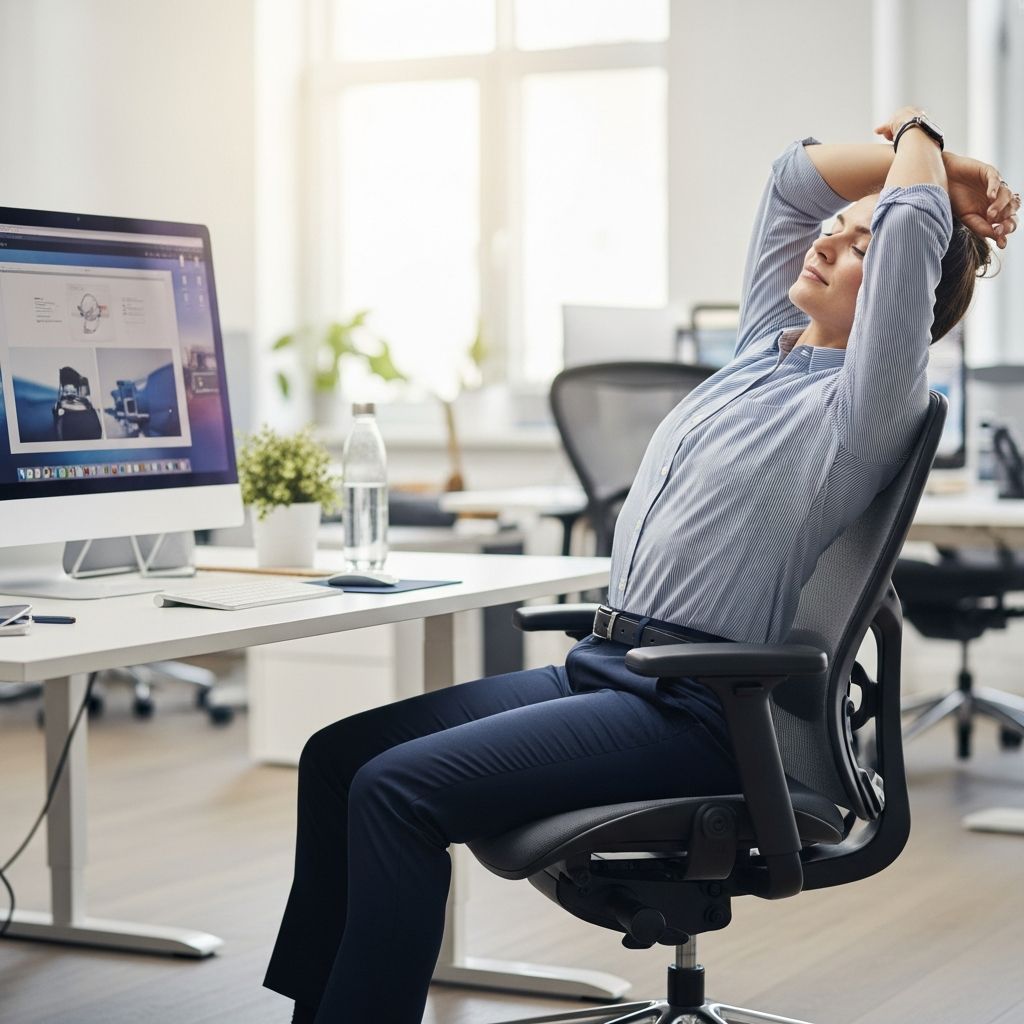
Prolonged sitting at a desk can lead to muscle stiffness, poor posture, and reduced energy levels, but incorporating simple chair and desk exercises can counteract these effects effectively. These movements, recommended by physical therapists, help improve circulation, strengthen key muscle groups, and enhance overall well-being without requiring gym equipment or extra time.
Why Desk Exercises Matter
Sitting for extended periods is a modern workplace reality that contributes to aches, stiffness, and potential long-term health issues like weakened core stability and elevated cardiovascular risks. Research shows that brief activity bursts every 30 minutes can mitigate the harmful impacts of sedentary behavior, equivalent to short walks that lower blood pressure and heart rate.
According to the U.S. Centers for Disease Control and Prevention (CDC), adults need at least 150 minutes of moderate aerobic activity weekly plus muscle-strengthening exercises twice a week. Desk exercises fulfill this by promoting
movement integration
into daily routines, boosting mood, productivity, and joint health.- Counteracts stiffness: Targets tight hip flexors, shoulders, and neck from hunching over screens.
- Enhances circulation: Isometric contractions increase blood flow, making you feel more alert.
- Supports heart health: Short bouts reduce resting heart rate and blood pressure per 2020 studies.
- Builds discreet strength: Ideal for office settings as many moves are subtle.
Best Desk Exercises
Start with these physical therapist-approved desk exercises, focusing on isometric holds and range-of-motion moves. Perform 3 sets of 10-15 reps each, ideally every hour, to reduce joint stiffness and aches.
Gluteal Set
Sit tall in your chair and squeeze your glutes as if holding a pencil between them. Hold for 5-10 seconds, then release. This activates the backside muscles often neglected during sitting, improving pelvic stability.
Seated Tabletop Press
Place palms on the desk surface, shoulders relaxed. Press down firmly as if trying to lift your body, engaging arms and chest. Hold 5 seconds. Strengthens upper body without standing.
Seated Hip Flexor Stretch
Sit on chair edge, one foot back under chair, heel on floor. Gently lean forward until you feel a stretch in the front hip. Hold 20-30 seconds per side. Counters tight hip flexors from prolonged sitting.
Shoulder Raises
Shrug shoulders up toward ears, hold briefly, then lower slowly. Repeat rhythmically. Relieves shoulder tension from desk work.
Head Turns
Sit upright, slowly turn head side to side, looking over each shoulder. Hold 5 seconds. Improves neck mobility and reduces ‘tech neck’ strain.
Chin Tucks
Gently draw chin back toward neck, creating a ‘double chin,’ without tilting head. Hold 5 seconds. Corrects forward head posture.
Related Stories



Seated Pelvic Tilt
Rock pelvis forward and back while seated, arching and rounding lower back. Enhances lumbar flexibility.
Chair Exercises for Strength
These chair-based moves build strength and mimic full-body workouts. Use a stable chair without wheels for safety.
Chair Dips
Hands on chair arms or seat edge, feet forward. Lower body slightly by bending elbows, then press up. Targets triceps and shoulders; do 10 reps.
Oblique Twists
Sit tall, hands behind head. Twist torso side to side, elbow toward opposite knee. Engages core obliques.
Chair Squats
Stand in front of chair, lower as if sitting (hover briefly), then stand. Builds legs and glutes; perfect for breaks.
Calf Raises
Stand holding desk, rise onto toes, lower heels. Strengthens calves to combat swelling from sitting.
Seated Back Extensions
Hands on knees, arch upper back while keeping hips grounded. Strengthens posterior chain.
Desk Cardio Workouts
Desk cardio makes meeting CDC guidelines feasible. Try these ‘exercise snacks’ for aerobic benefits without equipment.
- Seated Jumping Jacks: Extend arms and legs out while seated, mimicking jacks. 30 seconds.
- Air Bicycles: Lean back slightly, pedal legs in air as if cycling. 20 reps per side.
- High Knee Marches: Stand and march knees high alternately. 1 minute.
- Shadow Boxing: Punch air lightly from seated or standing position. 30 seconds.
- Pretend Jump Rope: Mimic jumping rope motion. 1 minute.
A 2019 review supports that frequent micro-sessions accumulate to significant calorie burn and cardiovascular gains.
Advanced Tips from Physical Therapists
Enhance your routine with these pro tips.
- Use an exercise ball: Swap chair periodically to engage core constantly.
- Desk equipment: Consider under-desk pedalers or treadmill desks if budget allows, but start simple.
- Frequency over intensity: Aim for movement every 30 minutes; set phone reminders.
- Progression: Increase holds/reps as strength builds; consult PT for pain.
| Exercise Type | Target Areas | Reps/Sets | Benefits |
|---|---|---|---|
| Isometric (e.g., Gluteal Set) | Glutes, core | 10-15 reps, 3 sets | Discreet strengthening, blood flow |
| Stretches (e.g., Hip Flexor) | Hips, neck | 20-30s hold/side | Reduces stiffness |
| Strength (e.g., Chair Dips) | Arms, back | 10 reps, 3 sets | Builds muscle |
| Cardio (e.g., Marches) | Full body | 30-60s bursts | Heart health |
Frequently Asked Questions (FAQs)
Can I do these exercises during meetings?
Yes, opt for discreet ones like glute squeezes or chin tucks that don’t require standing or visible motion.
How often should I do desk exercises?
Every 30-60 minutes for 2-5 minutes; consistency trumps duration.
Are chair exercises safe for beginners?
Absolutely, but stop if pain occurs beyond mild discomfort and consult a doctor.
Do these replace full workouts?
No, they supplement; combine with weekend activities for comprehensive fitness.
Can desk exercises help with back pain?
Yes, by improving posture and strengthening support muscles, many report relief.
Integrating these exercises transforms sedentary workdays into opportunities for health gains. Physical therapy programs emphasize such accessible routines, showing up to 68% pain reduction in participants. Start small, track progress, and feel the difference in energy and comfort.
References
- Sit all day? 12 best office exercises and stretches to do at your desk — Hinge Health. 2023. https://www.hingehealth.com/resources/articles/exercises-to-do-at-your-desk/
- Adult Activity: An Overview — Centers for Disease Control and Prevention (CDC). 2024-05-15. https://www.cdc.gov/physical-activity-basics/guidelines/adults.html
- Breaking Up Prolonged Sitting to Improve Cardiometabolic Health — National Center for Biotechnology Information (NCBI). 2023-08-01. https://pubmed.ncbi.nlm.nih.gov/37466247/
- Physical Activity Guidelines for Americans, 2nd Edition — U.S. Department of Health and Human Services. 2018. https://health.gov/sites/default/files/2019-09/Physical_Activity_Guidelines_2nd_edition.pdf
- Effects of Breaking Up Sitting on Health Markers in Women — American Heart Association Journals. 2020-02-12. https://www.ahajournals.org/doi/10.1161/HYPERTENSIONAHA.119.14142
Similar Articles








Read full bio of Sneha Tete