Chair Exercises for Seniors: Boost Strength, Flexibility & Stamina
Safe, effective chair exercises designed to help seniors build strength, improve flexibility, and enhance overall stamina from home.
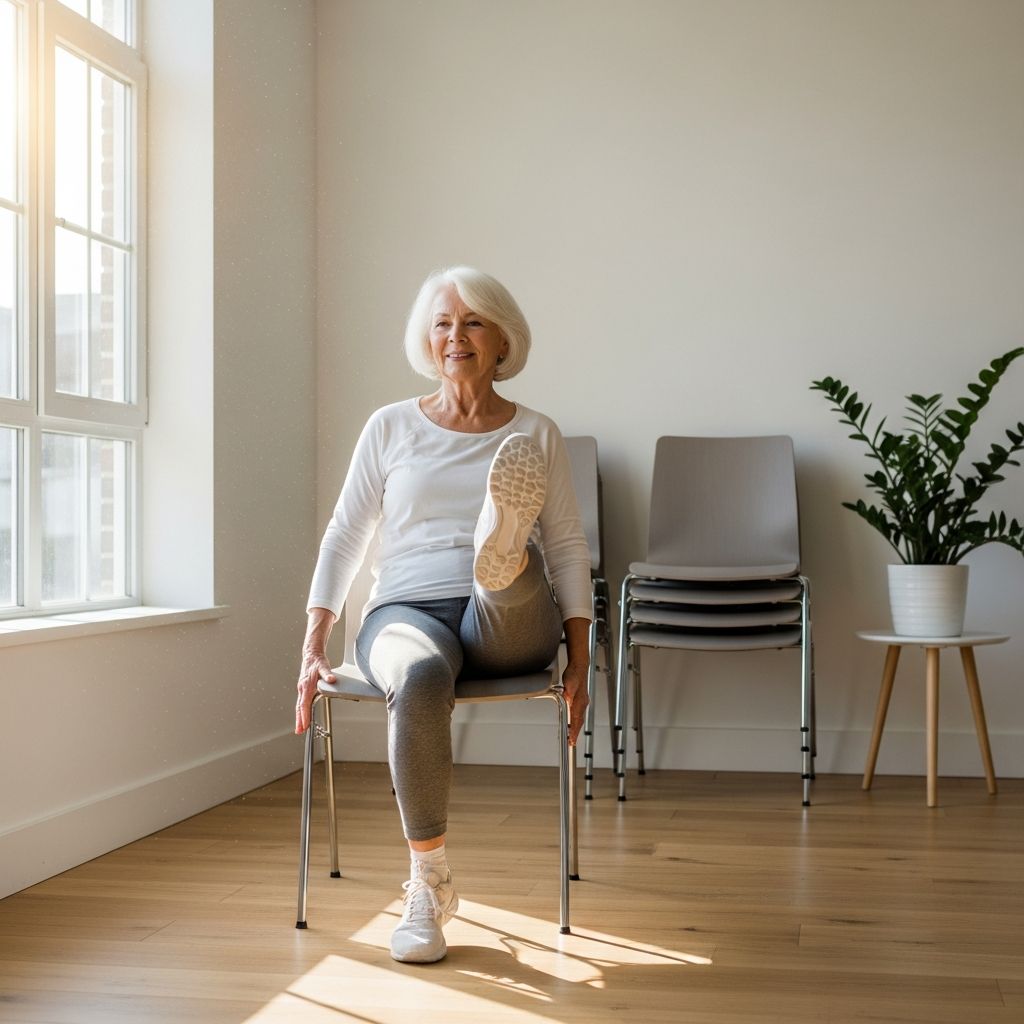
Chair Exercises for Seniors: Boosting Strength, Flexibility, and Stamina
As we age, maintaining physical fitness becomes increasingly important for preserving independence, preventing falls, and enjoying a high quality of life. However, many seniors face barriers to traditional exercise programs due to joint pain, mobility limitations, or concerns about safety. Chair exercises offer an excellent solution, providing a safe, accessible, and highly effective way to build strength, enhance flexibility, and improve cardiovascular stamina without the stress and strain of standing or high-impact activities.
Chair-based exercises have gained recognition from leading health institutions, including Harvard Health and the Mayo Clinic, as a legitimate and powerful form of physical activity for older adults. These movements are specifically designed to target the muscle groups most critical for maintaining independence, balance, and functional mobility. Starting at age 50, our bodies naturally lose approximately 1% of muscle mass annually—a condition known as sarcopenia. However, research demonstrates that consistent, gentle strength routines performed from a chair can reduce this muscle loss by up to 50%, helping seniors maintain the strength needed for daily activities.
Why Chair Exercises Matter for Senior Health
Regular physical activity is essential for healthy aging, and chair exercises provide a practical pathway to achieving the recommended activity levels. According to Harvard Medical School, seniors who exercise regularly are significantly less likely to depend on others for daily tasks such as walking, bathing, cooking, eating, dressing, and using the restroom. This independence is one of the most valuable benefits of maintaining consistent fitness throughout our later years.
Chair exercises are particularly valuable because they offer multiple health benefits while minimizing risk. They are gentle on joints, easy to learn, and can be modified to accommodate any health limitation or fitness level. Additionally, these exercises can be performed anywhere—at home, in a community center, or in a healthcare facility—making them accessible to seniors regardless of their living situation or resources.
Key Benefits of Chair Exercises for Seniors
Incorporating chair exercises into your routine can deliver transformative results across multiple dimensions of health and wellness:
- Enhanced Muscle Strength: Chair exercises effectively target and strengthen major muscle groups in the arms, legs, and core, counteracting age-related muscle loss and maintaining functional capacity.
- Improved Balance and Stability: Research published in the Journal of Aging Research shows that seated strength routines help re-engage the core, hips, and lower legs, improving coordination and reducing fall risk.
- Better Flexibility and Mobility: Gentle movements such as seated twists and stretches enhance spinal flexibility and joint range of motion, reducing stiffness and improving daily movement quality.
- Increased Circulation: Low-impact seated activities elevate heart rate and enhance blood flow, supporting cardiovascular health and reducing swelling in the extremities.
- Pain-Free Movement: By gradually rebuilding strength and mobility, seniors often experience reduced joint pain and greater comfort during daily activities.
- Improved Mental Health: Regular chair exercise participants report better quality sleep, lower instances of depression, and an enhanced sense of well-being.
- Greater Independence: Maintaining strength and balance directly translates to increased ability to perform self-care activities and maintain an independent lifestyle.
Understanding the Science Behind Chair Exercises
The effectiveness of chair exercises is supported by rigorous scientific research. Studies from the Journal of Geriatric Physical Therapy indicate that the ability to rise from a chair without using your hands is one of the top predictors of healthy aging. This movement mirrors the most basic act of independence and activates nearly every major muscle group that stabilizes the knees, hips, and spine.
A study conducted by Harvard Health researchers found that consistent, low-impact seated marching improved walking speed and reduced fall risk in adults over 70. Similarly, research from the National Institutes of Health demonstrates that rotational chair stretches improved spinal flexibility and reduced lower back stiffness by 30% in older adults. These evidence-based findings confirm that chair exercises deliver measurable, meaningful improvements in functional capacity.
Related Stories



Essential Chair Exercises for Seniors
The following exercises form a comprehensive routine designed to address the primary fitness needs of older adults. Each exercise takes just a few minutes and can be performed daily or several times per week, depending on your fitness level and health status.
1. The Sit-to-Stand Reset
The sit-to-stand movement is fundamental for maintaining independence and rebuilding lower body strength. This exercise activates the quadriceps, glutes, hamstrings, and core muscles essential for walking, climbing stairs, and rising from chairs or beds.
How to perform: Sit upright in a sturdy chair with feet flat on the floor, hip-width apart. Lean slightly forward and slowly stand up using your leg muscles. Hold for a moment, then slowly lower yourself back to the seated position with control. Begin with 8-10 repetitions and gradually increase as strength improves.
2. Ankle Pump and Roll
This gentle movement improves circulation, strengthens the stabilizer muscles around the ankles, and promotes better balance. It’s particularly beneficial for seniors who experience swelling or stiffness in the feet and ankles.
How to perform: Sit with your back against the chair and feet flat on the floor. Slowly pump your feet up and down, raising and lowering your heels while keeping your toes on the ground. After 20-30 pumps, perform ankle circles by lifting one foot slightly and rotating your ankle in slow, controlled circles. Repeat on the other side.
3. Seated Marching
Seated marching retrains your body’s natural walking rhythm and improves cardiovascular health. Research shows this movement particularly benefits seniors by enhancing walking speed and reducing fall risk.
How to perform: Sit upright with good posture. Lift one knee toward your chest in a controlled manner, then lower it and lift the other knee, creating a marching rhythm. Keep your back tall and your core engaged throughout the movement. Continue for 30-60 seconds, gradually increasing duration as fitness improves.
4. Chair Press Extension
This exercise restores upper body strength, which is crucial for maintaining proper posture and supporting healthy breathing. Strong upper body muscles help prevent the rounded shoulders often associated with aging.
How to perform: Sit upright in the chair with good posture. Extend both arms forward at shoulder height, then press them back alongside your body with control. Hold briefly, then return to the starting position. Perform 10-15 repetitions. For added resistance, hold light dumbbells or water bottles.
5. Seated Twist
The seated twist is gentle on the spine yet powerful for balance, digestion, and back mobility. This rotational movement specifically targets spinal flexibility, which often diminishes with age.
How to perform: Sit upright with feet flat on the floor. Cross your arms over your chest or place your hands behind your head. Slowly rotate your torso to the right, holding the stretch for 15-20 seconds. Return to center and repeat on the left side. Perform 5-8 repetitions on each side.
6. Heel Lift Hold
The heel lift hold strengthens the calf muscles and improves ankle stability—factors that many healthcare providers overlook but that are crucial for preventing falls and maintaining balance.
How to perform: Sit upright in the chair with feet flat. Slowly raise your heels while keeping your toes on the ground, rising onto the balls of your feet. Hold this position for 2-3 seconds, then lower your heels back to the floor. Repeat 15-20 times. As strength improves, increase the hold duration.
Chair Yoga for Enhanced Flexibility
Chair yoga combines gentle stretching with mindful breathing, providing excellent flexibility benefits with minimal stress on joints and bones. This practice has been shown to improve mental health, enhance sleep quality, and reduce anxiety in older adults.
Beneficial chair yoga poses for seniors include:
- Overhead stretch—improves shoulder and upper back flexibility
- Seated cat stretch—promotes spinal mobility and reduces back tension
- Seated cow stretch—stretches the chest and abdominal muscles
- Seated mountain pose—improves posture and core engagement
- Seated twist with reach—enhances spinal rotation and balance
Recommended Exercise Frequency and Duration
To achieve optimal results, seniors should perform chair exercises 3-4 times per week, with each session lasting 20-30 minutes. This frequency provides adequate stimulus for muscle development and cardiovascular improvement while allowing sufficient recovery time between sessions.
Those new to exercise should begin with 2-3 sessions per week at shorter durations (10-15 minutes) and gradually increase frequency and duration as fitness improves. It’s important to listen to your body and avoid pushing through sharp pain, though mild muscle fatigue is a normal and positive sign of effective training.
Creating Your Chair Exercise Routine
An effective chair exercise routine should incorporate exercises targeting all major muscle groups and fitness components. A balanced weekly routine might look like this:
| Day | Focus Area | Recommended Exercises | Duration |
|---|---|---|---|
| Monday | Lower Body Strength | Sit-to-Stand Reset, Seated Marching, Heel Lift Hold | 20-25 minutes |
| Tuesday | Flexibility & Mobility | Chair Yoga sequence including twists and stretches | 20-30 minutes |
| Wednesday | Rest or gentle activity | Light walking or leisurely activities | N/A |
| Thursday | Upper Body & Core | Chair Press Extension, Seated Marching, Ankle Pump and Roll | 20-25 minutes |
| Friday | Balance & Coordination | Seated Twist, Ankle Circles, Seated March variations | 20-25 minutes |
| Saturday/Sunday | Rest or optional light activity | Leisure activities or gentle stretching | N/A |
Important Considerations and Safety Guidelines
While chair exercises are generally safe for seniors, certain precautions should be observed:
- Medical Clearance: Consult with your healthcare provider before beginning any new exercise program, particularly if you have existing health conditions or take medications that affect balance.
- Proper Form: Maintain good posture throughout all exercises. Poor form reduces effectiveness and increases injury risk.
- Gradual Progression: Begin with fewer repetitions and shorter durations, gradually increasing intensity as your fitness improves.
- Pain Management: Distinguish between normal muscle fatigue and sharp pain. Stop any exercise that causes sharp or shooting pain.
- Hydration: Drink water before, during, and after your exercise session to maintain proper hydration.
- Chair Selection: Use a sturdy chair with armrests and a stable base to ensure safety during exercises.
- Clothing: Wear comfortable, loose-fitting clothing and supportive footwear to facilitate movement and prevent falls.
Additional Benefits of Regular Chair Exercise
Beyond the direct physical benefits, regular chair exercise participation provides numerous secondary advantages. Seniors who exercise consistently report increased confidence in their physical abilities, reduced fear of falling, and improved social connections if exercising in group settings. The mental health benefits are particularly significant, with participants experiencing reduced stress, anxiety, and depression alongside improved cognitive function.
Furthermore, maintaining regular physical activity helps manage chronic health conditions such as arthritis, diabetes, and hypertension. The cardiovascular benefits of even gentle, seated activities contribute to better heart health and improved circulation, supporting overall longevity and quality of life.
Frequently Asked Questions
Q: Can chair exercises be effective if I have arthritis?
A: Yes, chair exercises are particularly beneficial for seniors with arthritis because they are low-impact and can be easily modified. The gentle movements help maintain joint mobility and reduce stiffness. However, consult your healthcare provider or physical therapist to ensure exercises are appropriate for your specific condition.
Q: How long before I notice results from chair exercises?
A: Many seniors notice improvements in balance and reduced fatigue within 2-3 weeks of consistent practice. More significant strength gains typically become apparent within 4-6 weeks. Consistency is more important than intensity for achieving results.
Q: Can I do chair exercises if I use a walker or cane?
A: Yes, many chair exercises can be performed while using mobility aids. Position your walker or cane within easy reach and perform exercises at a safe, controlled pace. Consult a physical therapist for personalized modifications.
Q: What type of chair works best for chair exercises?
A: Use a sturdy chair with a firm seat, straight back, and stable legs or base. Armrests are helpful for safety and stability. Avoid chairs with wheels or soft cushioning that might shift during movements. Dining chairs or office chairs typically work well.
Q: Can I combine chair exercises with other forms of activity?
A: Absolutely. Chair exercises pair well with other activities like walking, swimming, or tai chi. Combining different types of exercise provides comprehensive fitness benefits and helps prevent boredom.
Q: Should I exercise if I’m experiencing pain or illness?
A: If you’re experiencing acute illness or severe pain, rest is appropriate. However, light, gentle movement is often beneficial during recovery from minor illnesses. When in doubt, consult your healthcare provider.
References
- Chair Exercises for Seniors: Boosting Strength, Flexibility, and Stamina — Harvard Health Publishing. 2024. https://www.health.harvard.edu/exercise-and-fitness/chair-exercises-for-seniors-boosting-strength-flexibility-and-stamina
- Sarcopenia and Muscle Loss in Aging — Journal of Aging Research. 2023. https://www.hindawi.com/journals/jar/
- Chair-Based Exercises and Fall Risk Reduction — National Institute on Aging, U.S. Department of Health and Human Services. 2024. https://www.nia.nih.gov/health
- The Sit-to-Stand Test as a Predictor of Healthy Aging — Journal of Geriatric Physical Therapy. 2023. https://journals.lww.com/jgpt/
- Physical Activity and Independence in Older Adults — Harvard Medical School. 2024. https://hms.harvard.edu/
- Spinal Flexibility and Chair-Based Rotational Stretches — National Institutes of Health. 2023. https://www.nih.gov/
- Mental Health Benefits of Chair Yoga for Older Adults — Mayo Clinic. 2024. https://www.mayoclinic.org/healthy-lifestyle/fitness/
Similar Articles








Read full bio of Sneha Tete