Chalazia and Styes: Eyelid Issues Explained
Discover the differences between chalazia and styes, their causes, symptoms, treatments, and prevention strategies for healthier eyelids.
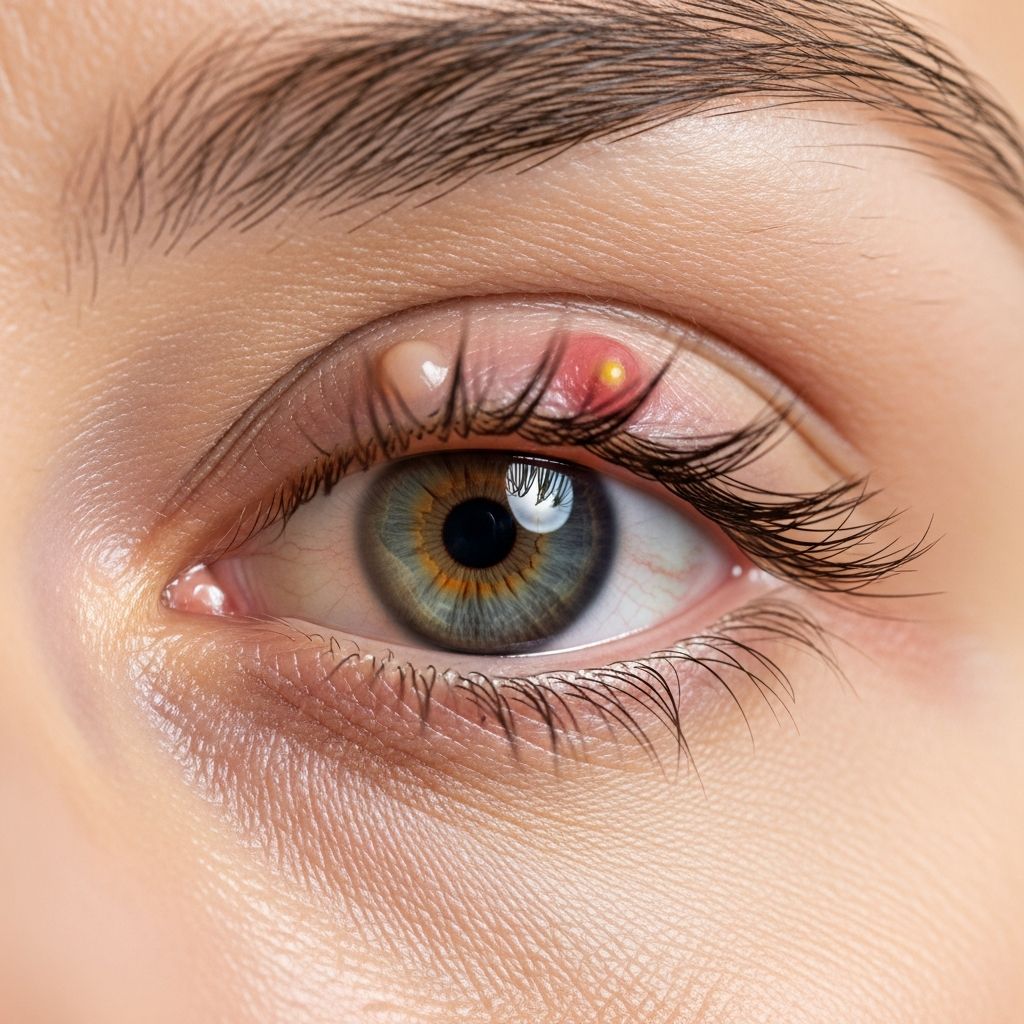
Chalazia and styes represent two prevalent conditions affecting the eyelids, often causing discomfort and cosmetic concerns. These bumps arise from issues in the eyelid’s glands, with styes typically stemming from bacterial infections and chalazia from blockages in oil-producing glands. Understanding their distinctions aids in proper management and timely intervention.
Defining Styes and Chalazia
A
stye
, medically termed hordeolum, manifests as a tender, red lump at the eyelid’s edge, resembling a pimple due to infection in hair follicles or sebaceous glands near eyelashes. In contrast, achalazion
develops deeper within the eyelid from a clogged meibomian gland, forming a painless, firm cyst that grows slowly.Styes frequently appear externally but can form internally, while chalazia favor the upper eyelid’s inner surface. Both conditions share similarities in appearance but differ in pain levels and infection status, with styes being acutely inflammatory and chalazia chronic.
Root Causes Behind These Eyelid Bumps
Styes result primarily from Staphylococcus aureus bacteria infecting eyelid glands, often introduced via poor hygiene like rubbing eyes with unwashed hands. Risk factors include blepharitis, rosacea, or makeup residue.
Chalazia occur when meibomian glands—responsible for eyelid oil secretion—become obstructed by thickened sebum, leading to inflammation without initial bacterial involvement. Secondary infection can complicate matters, and recurrence links to chronic lid margin diseases.
- Bacterial entry through tiny skin breaks.
- Excess oil production or gland dysfunction.
- Underlying skin conditions like acne rosacea.
Recognizing Symptoms: What to Watch For
Stye symptoms emerge rapidly: localized pain, redness, swelling, and a pus-filled head. Affected areas feel warm, with possible light sensitivity, tearing, and crusting.
Chalazia start tender but evolve into painless, pea-sized lumps. Large ones may blur vision by pressing on the cornea, inducing astigmatism, or cause diffuse eyelid swelling.
| Condition | Key Symptoms | Pain Level | Location |
|---|---|---|---|
| Stye | Red, pus-filled lump; tearing; crusting | Painful, tender | Eyelid edge |
| Chalazion | Firm cyst; possible blurred vision | Usually painless | Deeper in eyelid |
Accurate Diagnosis Methods
Eye specialists diagnose via external exam, everting the lid to inspect glands. No advanced tests suffice usually, though slit-lamp microscopy confirms blockages or infections. Differentiating prevents mismanagement, as misidentified chalazia might delay needed drainage.
Persistent or recurrent cases warrant checks for systemic issues like diabetes or immune disorders.
Home-Based Treatment Strategies
Warm compresses—clean cloth soaked in warm water, applied 10-15 minutes four times daily—promote drainage for both conditions. Gently massage post-compress to express contents without squeezing.
- Use baby shampoo lid scrubs for hygiene.
- Avoid eye makeup until resolution.
- Over-the-counter pain relievers for stye discomfort.
Most styes drain within a week; chalazia may linger 2-8 weeks.
Professional Interventions for Stubborn Cases
If home care fails after two weeks, seek ophthalmologist care. Steroid injections shrink chalazia effectively, while incision and curettage removes cyst walls under local anesthesia. Styes rarely need antibiotics unless cellulitis develops.
Related Stories



Post-procedure care mirrors conservative methods, with low recurrence if hygiene improves.
Preventing Recurrence: Daily Habits for Eye Wellness
Maintain lid hygiene: daily warm compresses and scrubs prevent gland blockages. Remove makeup nightly, replace mascara biannually, and avoid sharing towels.
- Wash hands before eye contact.
- Treat blepharitis promptly.
- Manage rosacea with dermatologist input.
Consistent routines reduce incidence by 50% in prone individuals.
Potential Complications and Red Flags
Untreated styes can spread infection, causing preseptal cellulitis. Giant chalazia distort vision or mimic tumors, necessitating biopsy if atypical.
Consult urgently for:
- Spreading redness or fever.
- Vision changes persisting.
- Recurrent bumps in children.
Special Considerations for Vulnerable Groups
Adults aged 30-50 face higher chalazia risk due to gland changes. Children experience styes more from habits like eye rubbing. Diabetics and immunocompromised patients require vigilant monitoring.
Pregnant individuals benefit from non-drug therapies to avoid medications.
FAQs on Chalazia and Styes
Can a stye turn into a chalazion?
Yes, unresolved styes can evolve into chalazia as inflammation blocks glands.
How long until a chalazion resolves?
Typically 1-2 months with care; faster with intervention.
Is surgery painful for chalazia removal?
Local anesthesia ensures minimal discomfort; recovery is quick.
Are chalazia contagious?
No, unlike infectious styes; hygiene prevents both.
Can diet influence eyelid health?
Omega-3s support gland function, reducing blockages.
Long-Term Eye Care for Lid Health
Beyond acute management, integrate lid hygiene into routines. Artificial tears aid if dryness contributes. Regular eye exams detect predisposing conditions early.
(Word count: 1678)
References
- Styes and Chalazia – Clinical Services — Robert Cizik Eye Doctors. 2023. https://www.cizikeyedoctors.org/clinical-services/styes-and-chalazia
- Stye (sty) – Symptoms & causes — Mayo Clinic. 2024-01-15. https://www.mayoclinic.org/diseases-conditions/sty/symptoms-causes/syc-20378017
- Chalazion: Symptoms, Causes, Prevention & Treatments — Cleveland Clinic. 2023-11-20. https://my.clevelandclinic.org/health/diseases/17657-chalazion
- Chalazion and Stye Symptoms — Stanford Health Care. 2024. https://stanfordhealthcare.org/medical-conditions/eyes-and-vision/chalazion-stye/symptoms.html
- Chalazion (Stye) – Eye Conditions and Diseases — Are Eye Care. 2023. https://www.areyecare.com/Content/1eyelibrary/conditions/Chalazion/default.aspx
- Chalazion & Stye — University of Michigan Health. 2024-02-10. https://www.uofmhealth.org/our-care/specialties-services/chalazion-stye
- Chalazion — American Optometric Association (AOA). 2023-09-05. https://www.aoa.org/healthy-eyes/eye-and-vision-conditions/chalazion
Similar Articles








Read full bio of medha deb