Chalazia Treatment: 3 Effective Options To Try
Comprehensive strategies for managing and treating chalazia, from home remedies to professional interventions for lasting eyelid health.
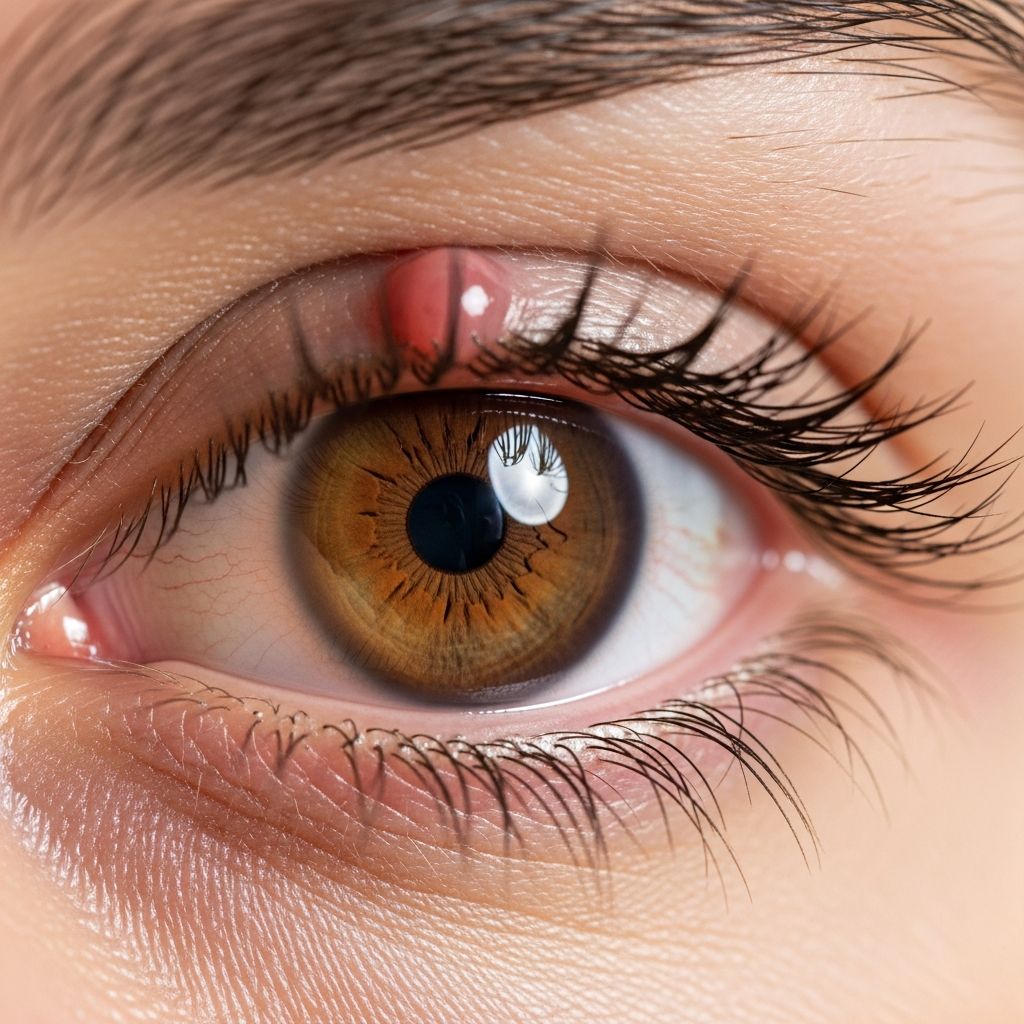
Chalazia represent a frequent eyelid concern, manifesting as persistent lumps due to blocked oil glands. This guide details identification, self-care options, medical interventions, and preventive measures to restore comfort and vision clarity.
Understanding Chalazia: Anatomy and Formation
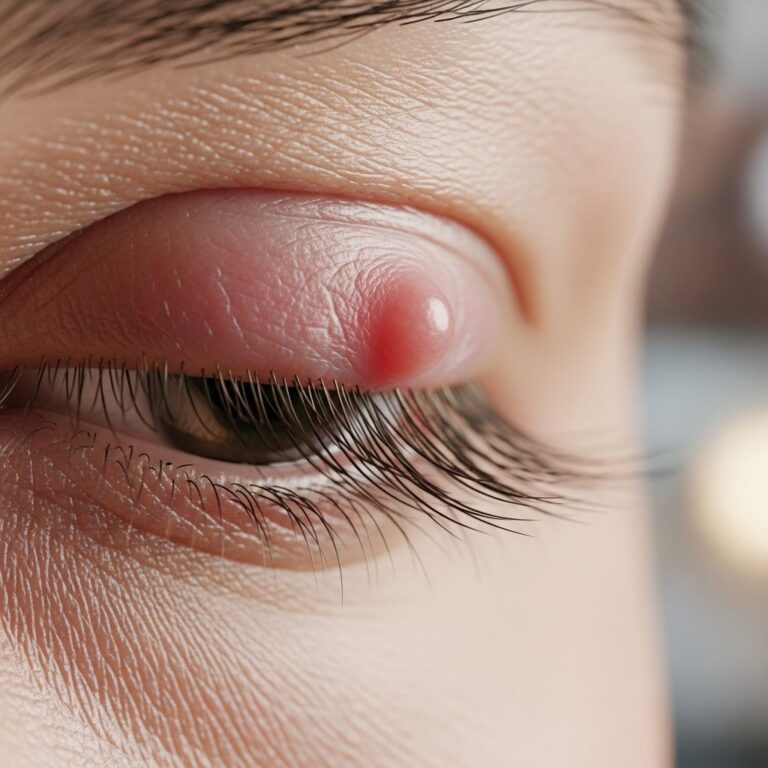
The eyelids house meibomian glands, which secrete oil to stabilize the tear film and prevent evaporation. When these glands obstruct, oil accumulates, forming a cyst-like structure known as a chalazion. Unlike infectious styes, chalazia arise from noninfectious blockage, often linked to chronic inflammation like blepharitis.
These lumps typically emerge on the upper eyelid but can affect both lids and recur if underlying issues persist. Adults aged 30-50 face higher risk, though anyone can develop them.
Recognizing Chalazion Symptoms
Early chalazia may mimic styes with redness, swelling, and tenderness. Within days, pain subsides, leaving a firm, painless nodule. Common signs include:
- Firm lump, pea-sized, on the eyelid
- Mild swelling or redness around the area
- Watery eyes or irritation
- Blurred vision if large enough to distort the cornea
- Increased tearing from gland obstruction
Large chalazia can induce astigmatism by pressing on the eyeball, temporarily impairing sight. Unlike styes, which localize to lid margins and remain painful, chalazia form centrally and resolve slowly over weeks.
Home-Based Management Strategies
Most chalazia resolve spontaneously within 2-8 weeks via conservative care. Key self-treatment focuses on softening secretions and promoting drainage.
Warm Compress Application
Apply a clean, warm compress for 10-15 minutes, 4-6 times daily. Heat liquefies trapped oil, aiding natural expulsion. Use a microwavable eye mask or cloth soaked in warm (not hot) water to avoid burns.
Eyelid Hygiene Routines
Gently massage the lid after compresses to express contents. Cleanse with diluted baby shampoo or commercial lid scrubs to combat blepharitis. Avoid squeezing, as it risks scarring or infection.
| Method | Frequency | Duration | Tips |
|---|---|---|---|
| Warm Compress | 4-6 times/day | 10-15 min | Rewarm as needed; pat dry gently |
| Massage | After each compress | 30-60 sec | Light circular motions toward lid edge |
| Lid Scrub | 2x/day | 1-2 min | Use soft cloth; rinse thoroughly |
Consistency yields results in 70-80% of cases within a month.
Medical Interventions for Persistent Chalazia
If home care fails after 4-6 weeks, consult an ophthalmologist. Persistent lumps may require escalation.
Topical and Oral Medications
Antibiotic ointments or drops address secondary infection, though chalazia are noninfectious. Oral antibiotics like doxycycline target underlying blepharitis in recurrent cases. Steroid eye drops reduce inflammation but are less effective than other options.
Injection Therapy
Intralesional triamcinolone acetonide injections (10-40 mg/mL) shrink chalazia rapidly, with success in 80-90% of patients. Administered by specialists, this hastens resolution without surgery.
Surgical Drainage
Incision and curettage remove stubborn cysts. Performed under local anesthesia, it involves a small inner-lid cut to drain contents and scrape the sac. Outpatient procedure with minimal downtime; recurrence risk drops with proper aftercare.
Related Stories



Surgery suits large, vision-impairing, or multiply recurrent chalazia. Biopsy may follow chronic cases to rule out tumors.
Differentiating Chalazia from Similar Conditions
| Feature | Chalazion | Stye (Hordeolum) | Other |
|---|---|---|---|
| Cause | Blocked meibomian gland | Bacterial infection | Varies (e.g., basal cell carcinoma) |
| Pain | Usually painless after initial phase | Painful, tender | Variable |
| Location | Central eyelid | Lid margin | Any |
| Treatment | Compresses, injection, surgery | Compresses, antibiotics | Specialized |
Styes may evolve into chalazia if unresolved. Seek care for margin-located, acutely painful lumps.
Prevention: Maintaining Eyelid Health
Prevent recurrence by addressing risk factors:
- Daily Lid Hygiene: Cleanse nightly to prevent blepharitis.
- Omega-3 Supplements: Improve gland function.
- Avoid Eye Makeup: During active chalazia; remove thoroughly otherwise.
- Manage Rosacea: Linked to gland dysfunction.
- Humidify Environment: Reduces tear evaporation.
Regular eye exams detect early gland issues.
When to Seek Professional Help
Consult an eye doctor if:
- Lump persists >4 weeks despite home care
- Vision blurs or eye misaligns
- Signs of infection (fever, spreading redness)
- Recurrent chalazia
- Child or infant affected
Prompt intervention prevents complications like corneal abrasion.
Frequently Asked Questions (FAQs)
Can chalazia resolve on their own?
Yes, many disappear in weeks with conservative care.
Are chalazia contagious?
No, they stem from blockage, not bacteria.
How long until improvement?
Home treatment shows progress in 1-2 weeks; full resolution 1-2 months.
Is surgery painful?
Local anesthesia ensures comfort; recovery is quick.
Can children get chalazia?
Yes, though less common; treat similarly.
Lifestyle Adjustments for Long-Term Relief
Beyond acute treatment, integrate habits like balanced diets rich in anti-inflammatories, adequate hydration, and screen break protocols to minimize dry eye risks. Artificial tears lubricate during irritation phases. Track recurrences in a journal to identify triggers like stress or allergens.
Chalazia, while benign, underscore eyelid health’s role in overall ocular wellness. Proactive management empowers swift recovery and rarity of return.
References
- Chalazion: Causes, Symptoms, and Treatment — WebMD. 2023. https://www.webmd.com/eye-health/chalazion-what-is
- Chalazion — Moorfields Eye Hospital NHS. 2024-02-15. https://www.moorfields.nhs.uk/eye-conditions/chalazion
- Chalazion — American Optometric Association. 2023-10-01. https://www.aoa.org/healthy-eyes/eye-and-vision-conditions/chalazion
- Chalazion and Hordeolum (Stye) — Merck Manuals Professional Edition. 2025-01-10. https://www.merckmanuals.com/professional/eye-disorders/eyelid-and-lacrimal-disorders/chalazion-and-hordeolum-stye
- Chalazion & Stye — University of Michigan Health. 2024. https://www.uofmhealth.org/our-care/specialties-services/chalazion-stye
Similar Articles








Read full bio of medha deb