Chalazion: Symptoms, Causes, Prevention & Treatments
Complete guide to understanding chalazion: causes, symptoms, and effective treatment options.
Understanding Chalazion: A Comprehensive Guide
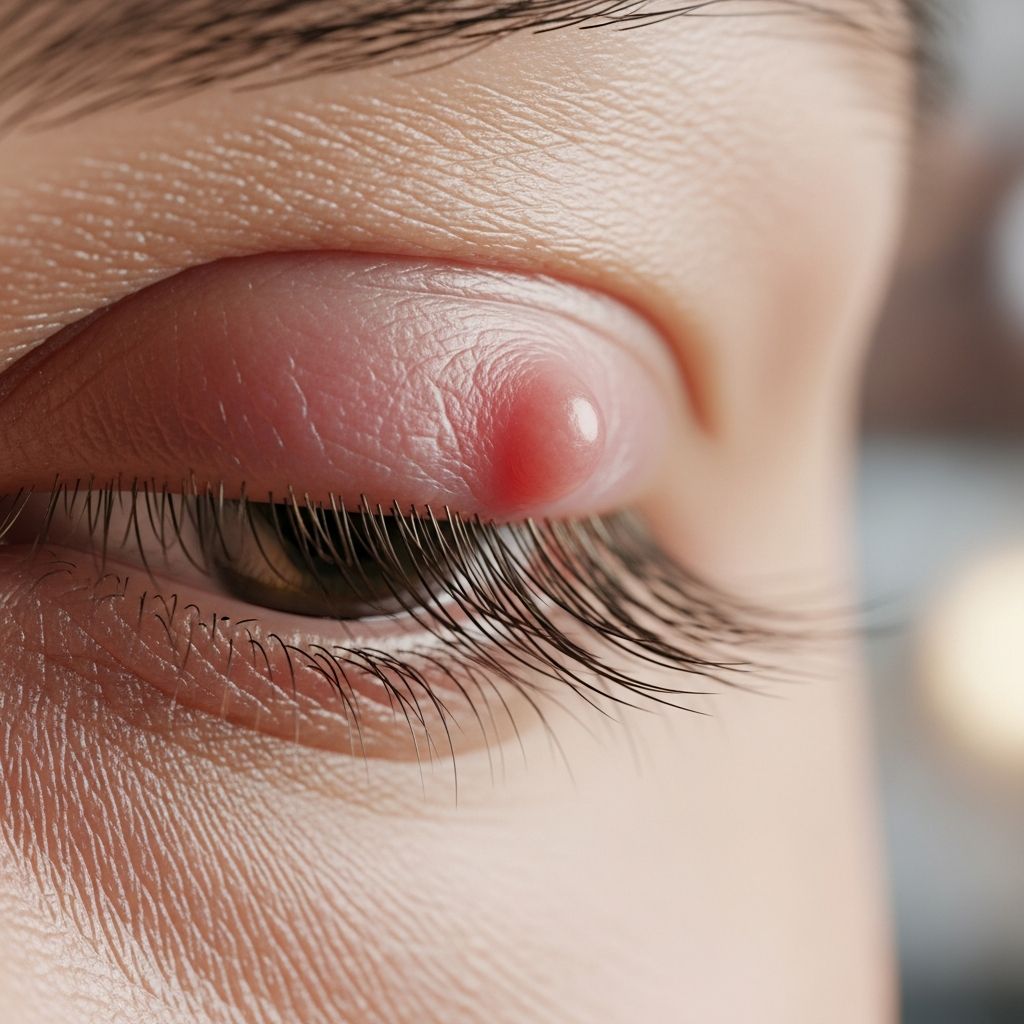
A chalazion, also known as an eyelid cyst, is a red, swollen bump that forms on your eyelid when an oil gland called a meibomian gland becomes blocked. Unlike styes, which are typically painful and caused by bacterial infection, chalazions are usually painless and develop more slowly over time. These common eyelid conditions affect many people and, while generally harmless, can cause discomfort and cosmetic concerns that prompt individuals to seek treatment.
What Causes Chalazion Formation
The primary cause of a chalazion is the blockage of the meibomian glands, which are oil-producing glands located along the eyelid margins. These glands normally secrete oils that help maintain the tear film and protect the eye surface. When these glands become obstructed, the trapped oil accumulates and creates the characteristic bump associated with chalazion.
Several underlying conditions can increase your risk of developing chalazions, including:
- Blepharitis (inflammation of the eyelid margins)
- Ocular rosacea (a chronic inflammatory condition affecting the eyes)
- Seborrheic dermatitis (a skin condition causing inflammation and flaking)
- Poor eyelid hygiene
- Meibomian gland dysfunction
Understanding these risk factors can help you take preventive measures to reduce the likelihood of developing future chalazions.
Recognizing Chalazion Symptoms
Most people with chalazions experience mild symptoms, though the severity can vary based on the size and location of the bump. The characteristic symptoms include:
- A small, painless or minimally painful red bump on the eyelid
- Swelling of the affected eyelid
- A feeling of scratchiness on the eyelid surface
- Foreign body sensation in the eye
- Blurred vision (in cases of very large chalazions)
- Mild eye irritation or discomfort
It is important to note that chalazions are distinctly different from styes in that they develop painlessly and grow more slowly. A chalazion that causes significant vision problems warrants professional evaluation, as this may indicate a need for intervention.
How Chalazion is Diagnosed
An optometrist or ophthalmologist can diagnose a chalazion through a comprehensive eye examination. The diagnostic process typically includes:
- A detailed health history to identify risk factors and previous occurrences
- An external eye examination to assess the size, location, and appearance of the bump
- Eyelid evaluation to determine if the gland is infected or merely blocked
- Assessment of vision to ensure the chalazion is not affecting sight
In most cases, a chalazion can be easily identified through visual inspection alone. However, if complications are suspected or the diagnosis is unclear, your eye care provider may recommend additional testing.
Home Treatment Options for Chalazion
The majority of chalazions resolve on their own within a few weeks to a couple of months without requiring professional intervention. However, several home treatment strategies can accelerate healing and provide symptom relief:
Related Stories



Warm Compress Therapy
One of the most effective home remedies for chalazion is applying warm compresses to the affected eyelid. The warmth helps soften the hardened oil blocking the gland, promoting drainage and healing. To apply a warm compress:
- Boil water and allow it to cool slightly, or use warm water from the tap
- Soak a clean cotton pad or soft flannel cloth in the warm water
- Gently squeeze out excess water to prevent dripping
- Place the warm compress on your closed eyelid for 2-3 minutes
- Repeat this process 3-4 times daily for optimal results
Consistent application of warm compresses over several days can significantly improve chalazion symptoms and expedite recovery.
Gentle Eyelid Massage
Gentle massage can help encourage the blocked oil gland to open and drain naturally. Proper massage technique is essential to avoid complications:
- Use clean hands to minimize infection risk
- For the upper eyelid, start at the skin crease and massage gently downward toward the lashes
- For the lower eyelid, massage gently upward toward the lashes
- Apply light to medium pressure without excessive force
- Perform massage several times daily for a few minutes each time
This gentle massage may release the accumulated contents of the cyst, potentially eliminating the need for further treatment. Always ensure your hands are clean before performing eyelid massage to prevent introducing bacteria.
Important Precautions
While treating chalazion at home, it is crucial to avoid certain actions that could worsen the condition:
- Never push on the chalazion or attempt to pop it like a pimple
- Avoid squeezing or applying excessive pressure to the bump
- Do not attempt to manually drain the chalazion yourself
- Refrain from applying makeup directly over the affected area
- Avoid inserting contact lenses until the chalazion resolves
Improper handling of a chalazion can cause inflammation, infection, and prolonged healing time.
Professional Chalazion Treatment Options
When home treatments fail to resolve the chalazion after several weeks to months, or when the bump significantly affects vision or quality of life, professional medical intervention becomes necessary.
When Professional Treatment is Needed
You should seek professional help if:
- The chalazion persists beyond 6-8 weeks despite home treatment
- The bump is interfering with your vision
- The chalazion is causing significant cosmetic concerns
- Signs of infection develop (increased redness, warmth, pus)
- Multiple chalazions develop recurrently
- The bump is growing rapidly
Corticosteroid Injections
For hardened chalazions, ophthalmologists may administer a corticosteroid injection directly into the affected area. This treatment approach helps reduce inflammation and swelling, potentially resolving the chalazion without surgical intervention. Corticosteroid injections are particularly useful for patients who prefer to avoid surgery or those with chalazions that have become hard and fibrous.
Chalazion Drainage Surgery
Surgical drainage is the most definitive treatment for persistent or severe chalazions. This straightforward office procedure typically takes 15-20 minutes and involves the following steps:
Pre-operative Preparation: Your eye care provider will numb your eyelid using local anesthetic drops and injection. Although the initial injection may cause a brief sting, your eyelid will quickly become numb. You will still feel touch and pressure sensations but should experience no pain during the procedure.
The Surgical Procedure: The surgeon makes a small incision on the inner surface of your eyelid to avoid visible scarring. This strategic placement allows access to the cyst contents while keeping the incision hidden. The hardened oil and accumulated fluid are then drained or removed through this small opening. Your surgeon may also remove the cyst lining to reduce recurrence risk.
Post-operative Care: After the incision is made and drained, antibiotic ointment is applied to the site, and a protective pad may be placed over your eye. Most patients can return home the same day and resume normal activities immediately, though some mild discomfort may occur initially.
Benefits and Risks of Surgical Treatment
Chalazion drainage surgery offers significant benefits, including immediate resolution of the bumpy appearance and any associated vision problems. The procedure is minimally invasive and allows for quick return to normal activities.
However, as with any medical procedure, there are potential risks to consider:
- Temporary eyelid swelling and bruising for several days (typically resolving within two weeks)
- Risk of infection at the incision site (mitigated by post-operative antibiotic ointment)
- Possibility of chalazion recurrence in the same location
- Rare scarring if the incision is made on the outer eyelid surface
To minimize infection risk, follow your surgeon’s post-operative instructions carefully and apply prescribed antibiotic ointment as directed.
Healing Timeline and Recovery
The duration of chalazion healing varies significantly depending on whether treatment is pursued. An untreated chalazion typically takes approximately four to six weeks to heal on its own. With appropriate home treatment such as warm compresses and gentle massage, healing may accelerate to one to two weeks. Surgical drainage provides the fastest resolution, with most patients experiencing dramatic improvement within days to one week.
Factors affecting healing time include the chalazion’s size, the underlying cause of gland blockage, your immune system function, and compliance with recommended treatment protocols.
Prevention Strategies
While not all chalazions can be prevented, several lifestyle measures can reduce your risk of developing this condition:
- Maintain excellent eyelid hygiene by gently cleansing the eyelid margins daily
- Remove makeup thoroughly before bedtime to prevent gland blockage
- Avoid touching your eyes with unwashed hands
- Replace makeup products regularly and never share eye cosmetics
- Manage underlying skin conditions like rosacea and dermatitis
- Apply warm compresses regularly if you are prone to chalazions
- Practice good contact lens hygiene if you wear them
- Avoid prolonged screen time that reduces blinking and tear production
Chalazion vs. Stye: Understanding the Difference
Although chalazions and styes are often confused because they both appear as eyelid bumps, they are distinct conditions with different characteristics and treatment approaches. A stye, or hordeolum, is typically caused by a bacterial infection of the eyelid gland and is characteristically painful. In contrast, a chalazion results from gland blockage without bacterial infection and is usually painless. While both conditions can often be managed with warm compresses and good hygiene, persistent styes may require antibiotics, whereas chalazions generally do not respond to antibiotic therapy unless secondary infection occurs.
Frequently Asked Questions About Chalazion
Q: How long does a chalazion typically last?
A: An untreated chalazion typically lasts four to six weeks, though some may persist longer. With treatment such as warm compresses, healing may occur within one to two weeks. Surgical drainage provides the fastest resolution.
Q: Is a chalazion contagious?
A: No, chalazions are not contagious. They result from blocked oil glands rather than infection, so they cannot be transmitted to other people through contact or shared items.
Q: Can a chalazion affect my vision?
A: Most small chalazions do not affect vision. However, very large chalazions that press on the eyeball or obstruct the visual axis can cause blurred vision or astigmatism, warranting professional evaluation.
Q: Should I pop or squeeze a chalazion?
A: No, you should never attempt to pop or squeeze a chalazion. This action can cause inflammation, infection, and complicate the healing process. Let the condition resolve naturally or seek professional treatment.
Q: Can chalazions return after treatment?
A: Yes, chalazions can recur after treatment, especially if the underlying cause of gland dysfunction is not addressed. Maintaining good eyelid hygiene and addressing contributing conditions can help prevent recurrence.
Q: When should I see a doctor about my chalazion?
A: You should consult an eye care professional if your chalazion persists beyond 6-8 weeks, affects your vision, shows signs of infection, or causes significant cosmetic concern.
Q: Is chalazion surgery covered by insurance?
A: Coverage varies by insurance plan and whether the procedure is deemed medically necessary. If the chalazion affects vision, most insurance plans cover the procedure. Contact your insurance provider for specific coverage information.
Q: Can children develop chalazions?
A: Yes, children can develop chalazions, though they are more common in adults. Treatment approaches are similar to those for adults, with home care being the first line of intervention.
References
- Chalazion: Symptoms, Causes, Prevention & Treatments — Cleveland Clinic. 2025. https://my.clevelandclinic.org/health/diseases/17657-chalazion
- Chalazion: Causes, Symptoms, and Treatment — WebMD. 2024. https://www.webmd.com/eye-health/chalazion-what-is
- Chalazion: Symptoms, Causes, Diagnosis, and Treatments — Oscar Wylee. 2024. https://www.oscarwylee.com.au/glasses/eye/chalazion
- Diagnosis and Treatment — Moorfields Private Eye Hospital. 2025. https://www.moorfields.nhs.uk/private/eye-conditions-and-treatments/chalazion/diagnosis-and-treatment
- Chalazion vs. Stye: What’s the Difference? — Cleveland Clinic Health Essentials. 2024. https://health.clevelandclinic.org/chalazion-vs-stye
- Lid Cyst and Stye: Causes, Features and Their Treatments — Cleveland Clinic Abu Dhabi. 2024. https://www.clevelandclinicabudhabi.ae/en/health-hub/health-resource/diseases-and-conditions/lid-cyst-and-stye
Similar Articles








Read full bio of medha deb