Change Your Brain by Transforming Your Mind
Discover how meditation rewires your brain and transforms mental and physical health through neuroscience research.
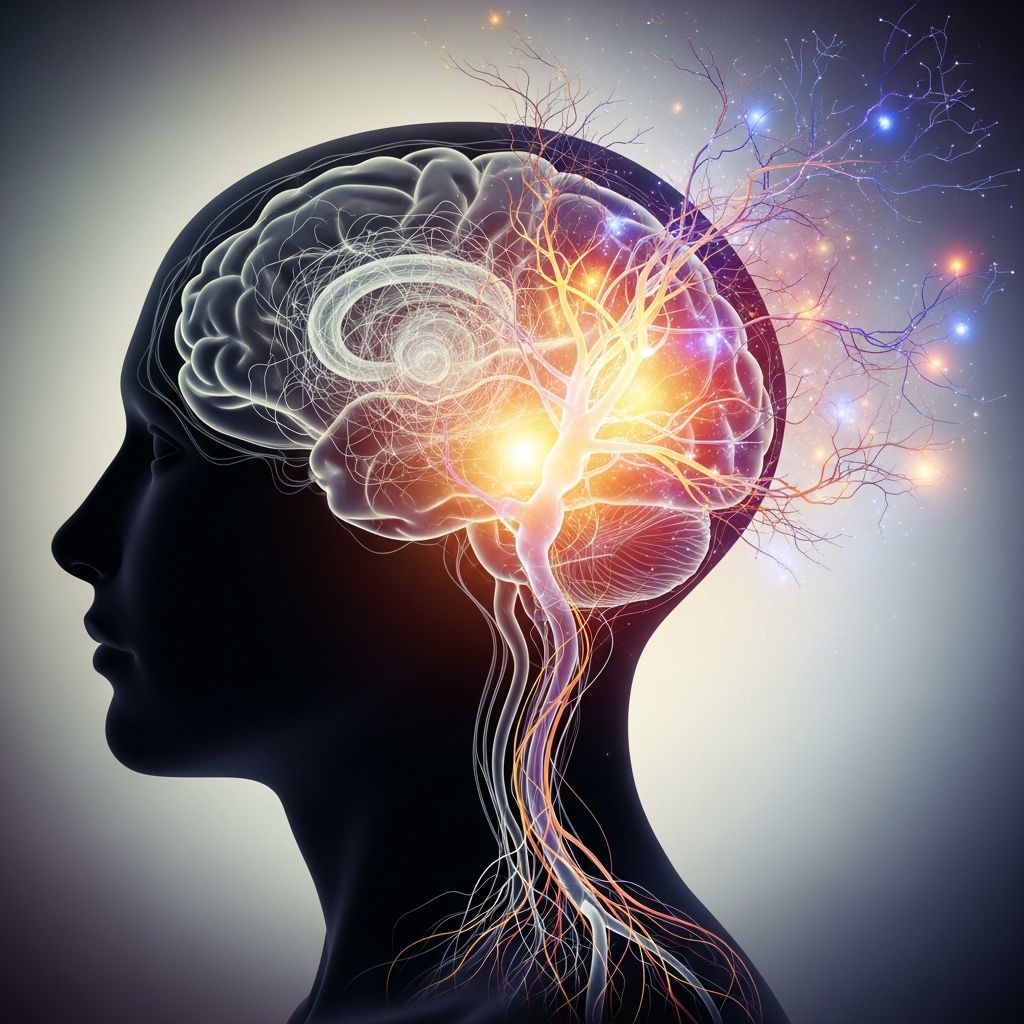
Change Your Brain by Transforming Your Mind: Understanding Meditation’s Neurological Impact
The intersection of neuroscience and contemplative practice represents one of the most fascinating frontiers in modern research. For decades, meditation has been celebrated in Eastern traditions as a pathway to inner peace and enlightenment. Today, cutting-edge neuroscience is providing empirical evidence that these ancient practices literally reshape the architecture of our brains. Dr. Richard Davidson, a pioneering neuroscientist and founder of the Center for Healthy Minds at the University of Wisconsin-Madison, has dedicated his career to understanding exactly how meditation transforms neural pathways and influences both mental and physical health.
Through rigorous scientific investigation, researchers have discovered that meditation is not merely a relaxation technique but rather a sophisticated form of mental training. From the perspective of Western neuroscience, different meditation practices function as targeted interventions that strengthen specific neural circuits while promoting the regulation of emotion and attention. The implications of this research extend far beyond meditation practitioners, suggesting that intentional mental practice can fundamentally alter the brain’s structure and function in ways that benefit overall health and well-being.
Understanding Three Major Forms of Meditation
Meditation is not a monolithic practice. Scientific research has identified distinct forms of meditation, each with unique neurological signatures and behavioral outcomes. Dr. Davidson’s laboratory work has been instrumental in delineating these differences and understanding how each type of practice produces different effects on the brain.
Focused Attention Meditation
Focused attention meditation, also known as concentrative meditation, involves directing one’s attention to a single object—whether that is the breath, a mantra, a visual image, or a sensation. Practitioners work to maintain their focus on this chosen object while gently returning attention whenever the mind wanders. Research demonstrates that this practice strengthens neural circuits associated with attention control and sensory processing. Over time, practitioners develop enhanced ability to sustain focus, resist distraction, and rapidly reorient attention when it lapses. These cognitive gains extend beyond meditation sessions, improving attention span and concentration in daily life.
Open Monitoring Meditation
Open monitoring meditation, often called choiceless awareness or non-directive meditation, takes a different approach. Rather than focusing on a specific object, practitioners maintain a broad, receptive awareness of all thoughts, sensations, and emotions that arise without becoming attached to or judging any particular experience. This practice engages different neural networks than focused attention, particularly those involved in self-referential processing and the default mode network. Research shows that open monitoring meditation can reduce rumination and self-critical thought patterns, making it particularly beneficial for individuals with depression and anxiety disorders.
Positive Affect Training
Positive affect training, also called loving-kindness or compassion meditation, involves systematically cultivating feelings of warmth, compassion, and goodwill toward oneself and others. Practitioners typically begin by directing positive feelings toward themselves, then gradually expand this compassion to loved ones, neutral people, difficult individuals, and ultimately all beings. Neuroscience research reveals that this practice activates brain regions associated with emotional processing, social connection, and reward. Longitudinal studies demonstrate that regular practice increases dispositional positive affect and strengthens neural circuits supporting empathy and social bonding.
Neural Changes Associated with Meditation Practice
One of the most significant findings in meditation neuroscience is that consistent practice produces measurable changes in brain structure and function. These changes occur across multiple levels of neural organization, from individual brain regions to large-scale networks connecting different areas of the brain.
Brain Imaging Research Methods
Dr. Davidson’s laboratory employs a sophisticated array of neuroimaging techniques to visualize and quantify brain changes associated with meditation. These methods include functional magnetic resonance imaging (fMRI), which measures blood flow to identify active brain regions; positron emission tomography (PET), which reveals metabolic activity; electroencephalography (EEG), which records electrical brain activity with high temporal resolution; and structural MRI, which maps brain tissue density and connectivity. Additionally, researchers employ modern genetic and epigenetic methods to understand how meditation influences gene expression at the molecular level.
Related Stories



Long-Term Practitioners Versus Beginners
Research comparing experienced meditation practitioners with thousands of hours of practice to less experienced meditators reveals striking differences in brain organization. Long-term practitioners show more pronounced neural changes, including increased gray matter density in regions associated with emotional regulation, attention, and self-awareness. Importantly, these changes correlate with behavioral improvements—practitioners with more extensive practice demonstrate superior emotional regulation, greater attentional capacity, and enhanced well-being.
Longitudinal Studies Tracking Change Over Time
While cross-sectional studies comparing experienced and novice practitioners provide important snapshots, longitudinal research that follows individuals over time offers even more compelling evidence of meditation’s transformative effects. Dr. Davidson’s team has conducted multiple studies tracking neural changes as individuals progress through meditation training programs. These investigations demonstrate that neuroplastic changes begin relatively quickly—within weeks of consistent practice—and continue accumulating with sustained effort. This research provides hope that meaningful brain changes are achievable for anyone willing to engage in regular meditation practice, regardless of their starting point.
Meditation’s Impact on Brain Circuitry for Emotion
The central brain circuitry governing emotion regulation represents a key target of meditation’s transformative effects. The amygdala, a structure crucial for processing emotions particularly fear and threat, shows reduced reactivity and volume in meditators. Simultaneously, the prefrontal cortex—responsible for thoughtful decision-making and emotional regulation—shows increased activation and connectivity with the amygdala. This pattern suggests that meditation strengthens the brain’s capacity to respond thoughtfully to emotional stimuli rather than react automatically.
The anterior cingulate cortex, involved in attention and emotional processing, also shows significant changes with meditation practice. Enhanced function in this region correlates with improved emotional awareness and regulation. Furthermore, the insula, which processes bodily sensations and emotional awareness, develops increased thickness and connectivity in meditators, suggesting enhanced ability to recognize and respond appropriately to internal emotional states.
Peripheral Biology and Physical Health Benefits
Meditation’s effects extend beyond the brain itself to influence peripheral biological systems that directly impact physical health and disease risk. The central brain circuitry of emotion, which meditation modulates, has direct connections to systems controlling heart rate, blood pressure, immune function, and inflammatory processes.
Stress Response and Nervous System Balance
Chronic activation of the stress response system contributes to numerous health problems, from cardiovascular disease to impaired immune function. Meditation appears to downregulate the sympathetic nervous system—responsible for the fight-or-flight response—while simultaneously strengthening parasympathetic nervous system function, which promotes rest, recovery, and healing. This shift has measurable consequences for health markers including cortisol levels, heart rate variability, blood pressure, and immune cell counts.
Inflammatory Markers and Immune Function
Chronic inflammation underlies many age-related diseases including cardiovascular disease, diabetes, and neurodegenerative conditions. Research demonstrates that meditation practice reduces inflammatory markers including C-reactive protein and interleukin-6. Simultaneously, meditation enhances immune function, as evidenced by increased antibody production following vaccination in meditation practitioners and enhanced natural killer cell activity.
Current Research on Meditation-Based Interventions
Beyond Dr. Davidson’s foundational work, numerous research groups are investigating specific meditation-based interventions for various health conditions. Several cutting-edge studies presented at the 2016 Stephen E. Straus Distinguished Lecture series demonstrate the breadth and depth of contemporary meditation research.
Mindfulness-Based Stress Reduction for Chronic Pain
Researchers at Yale School of Medicine are systematically investigating mindfulness-based stress reduction (MBSR) for fibromyalgia in adolescents. This research represents an important extension of meditation science into both younger populations and specific disease contexts. The study compares different “doses” of MBSR—high, standard, and low intensity—to identify optimal treatment protocols for adolescents experiencing chronic widespread pain.
Mindfulness-Based Cognitive Therapy for Depression
Harvard Medical School researchers are using sophisticated brain-imaging technology to investigate how mindfulness-based cognitive therapy (MBCT) influences brain mechanisms underlying depression. Specifically, they are examining effects on interoceptive awareness—the ability to sense internal bodily states—and rumination, the tendency to get stuck in repetitive negative thinking patterns. This research illuminates the neural mechanisms through which MBCT alleviates depressive symptoms.
Mindfulness-Based Stress Reduction for Multiple Sclerosis
Researchers at the National College of Natural Medicine are exploring whether mindfulness-based stress reduction can improve quality of life in patients with multiple sclerosis and whether beneficial effects persist during long-term follow-up. This longitudinal investigation addresses the critical question of whether meditation’s benefits represent temporary states or lasting trait changes.
Mindfulness-Based Pain Relief Mechanisms
Wake Forest School of Medicine researchers are identifying the behavioral, neural, and pharmacological mechanisms underlying mindfulness-based pain relief. Using multiple complementary approaches, they are determining precisely how mindfulness meditation alters pain-related brain activity and reduces suffering, with implications for non-pharmaceutical pain management approaches.
Meditation Across the Lifespan
Dr. Davidson’s research encompasses individuals across the entire lifespan, from infants through elderly adults. This developmental perspective reveals important insights about how meditation practice influences brain development at different life stages. Early meditation exposure may optimize neural development during critical periods of brain maturation, while later-life practice appears capable of slowing age-related cognitive decline and maintaining emotional well-being.
Meditation for Emotional Disorders
Beyond healthy populations, meditation research has extended to individuals with specific emotional disorders including mood disorders, anxiety disorders, and autism spectrum disorders. These clinical investigations demonstrate that meditation can be adapted and tailored to help individuals with neurodevelopmental and psychiatric conditions, opening new therapeutic possibilities.
The Concept of Emotional Style
Dr. Davidson has developed the concept of “emotional style,” recognizing that individuals differ systematically in how they experience and respond to emotions. Emotional style encompasses dimensions including resilience, outlook, attention, awareness, sensitivity to context, and self-awareness. Rather than viewing these as fixed personality traits, the research suggests that meditation and other targeted practices can shift emotional style in positive directions, making individuals more resilient, optimistic, and emotionally aware.
Meditation as Mental Training
A central insight emerging from contemporary neuroscience is that meditation functions as systematic mental training. Just as physical training strengthens muscles through repeated exercise, meditation strengthens specific neural circuits through repeated practice. This perspective demystifies meditation, presenting it not as mysterious or magical but as a straightforward application of neuroplasticity principles.
Implications for Health and Well-Being
The cumulative evidence from Dr. Davidson’s laboratory and related research programs supports a powerful conclusion: meditation practices can genuinely transform the mind, thereby altering the brain and peripheral biological systems in ways that promote mental health, physical health, and overall well-being. These are not merely subjective improvements in how people feel; rather, they represent measurable changes in brain structure, function, and biology.
About Dr. Richard J. Davidson
Dr. Richard J. Davidson is the William James and Vilas Professor of Psychology and Psychiatry at the University of Wisconsin-Madison, where he serves as founder and director of the Center for Healthy Minds. He is also director of the Waisman Laboratory for Brain Imaging and Behavior. Recognized globally for his contributions to understanding the neural bases of emotion, Dr. Davidson was named one of TIME’s 100 Most Influential People in the World in 2006. He has published over 300 peer-reviewed articles, 80 chapters and reviews, and 14 edited books. He is co-author with Sharon Begley of the New York Times bestseller “The Emotional Life of Your Brain.” Dr. Davidson has been a frequent collaborator with the Dalai Lama and regularly speaks at international forums including the World Economic Forum, bringing neuroscience insights to global conversations about human flourishing and contemplative practice.
Frequently Asked Questions
Q: How long does it take to see changes in the brain from meditation?
A: Research shows that measurable neural changes can begin within weeks of consistent meditation practice. However, more substantial structural changes typically require months of regular practice. The extent and speed of change vary among individuals based on practice frequency, duration, and prior experience.
Q: Do different meditation practices produce different brain changes?
A: Yes, different meditation forms produce distinct neural signatures. Focused attention meditation primarily strengthens attention networks, open monitoring meditation affects default mode network activity and rumination, and positive affect training activates emotional and social brain regions. Choosing a meditation style aligned with your goals can optimize outcomes.
Q: Can meditation help with anxiety and depression?
A: Research demonstrates that meditation-based interventions including mindfulness-based cognitive therapy can effectively reduce anxiety and depression symptoms. These practices work by altering brain circuitry involved in emotional regulation and self-referential thinking patterns associated with these conditions.
Q: Is meditation effective for pain management?
A: Multiple studies indicate that mindfulness-based approaches can reduce both pain intensity and suffering. Meditation appears to work through several mechanisms including altered pain perception, reduced emotional reactivity to pain, and changes in pain-related brain activity.
Q: How much meditation practice is necessary to produce health benefits?
A: While some benefits emerge from relatively modest practice, research suggests that regular daily practice produces more substantial effects. Studies examining dose-response relationships find that benefits generally increase with practice frequency and duration, though even 10-20 minutes of daily meditation shows measurable effects.
Q: Can meditation change permanent personality traits?
A: Research on emotional style suggests that consistent meditation practice can shift dispositional tendencies including resilience, optimism, and emotional awareness. While long-standing patterns take time to change, the brain’s neuroplasticity allows for meaningful personality shifts through dedicated practice.
Q: Are there any risks or contraindications to meditation?
A: Meditation is generally safe for most people. However, individuals with certain psychiatric conditions may benefit from professional guidance. Some people may experience uncomfortable emotions when beginning practice. Starting with shorter sessions and potentially working with an experienced teacher can help navigate these challenges.
References
- Change Your Brain by Transforming Your Mind — National Center for Complementary and Integrative Health (NCCIH), National Institutes of Health. 2016-05-03. https://www.nccih.nih.gov/news/events/change-your-brain-by-transforming-your-mind
- Affective Neuroscience Expert Dr. Richard Davidson to Speak on Meditation Research at NIH — National Center for Complementary and Integrative Health (NCCIH), National Institutes of Health. 2016-04-20. https://www.nccih.nih.gov/news/press-releases/affective-neuroscience-expert-dr-richard-davidson-to-speak-on-meditation-research-at-nih
Similar Articles








Read full bio of Sneha Tete