Changes in Type 2 Diabetes Care: What It Means for You
Discover the latest 2026 guidelines transforming type 2 diabetes management with earlier tech access, personalized meds, and holistic care.
Recent 2026 updates from the American Diabetes Association (ADA) Standards of Care and NICE guidelines mark the biggest shake-up in type 2 diabetes management in over a decade, emphasizing technology, personalized medications, and holistic care to prevent complications like heart disease and kidney failure.
Broader Access to Diabetes Technology
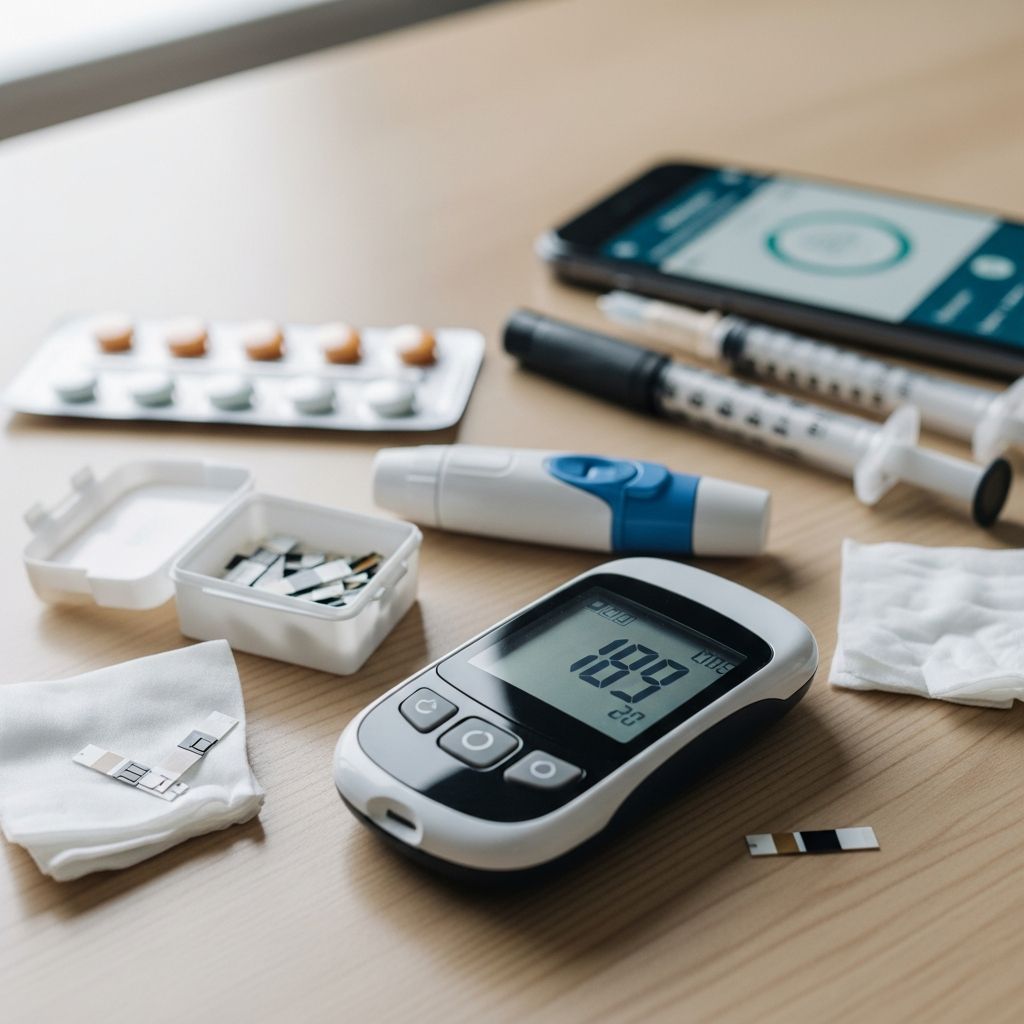
The 2026 ADA guidelines expand continuous glucose monitoring (CGM) eligibility to people with type 2 diabetes on non-insulin therapies, encouraging use at diagnosis rather than waiting for poor control. Over-the-counter (OTC) CGMs are now acknowledged for prediabetes and type 2 patients seeking lifestyle feedback, prioritizing patient preferences in tech selection.
Automated insulin delivery (AID) systems are now preferred over multiple daily injections (MDI) or non-automated pumps, with barriers removed like C-peptide minimums or mandatory insulin trials. AID can start at diagnosis or for basal-insulin users not meeting goals, improving glucose stability without dose changes.
- CGM Benefits: Real-time glucose tracking reduces hypoglycemia risk in older adults and non-insulin type 2 patients.
- AID Advantages: Automation enhances outcomes, especially in hospitals with updated protocols ensuring device continuity.
Personalized Medication Strategies
NICE’s draft guidelines shift from metformin-first for all to tailored plans using SGLT2 inhibitors (e.g., dapagliflozin, empagliflozin) as first-line alongside or instead of metformin, prioritizing cardiovascular and kidney protection. GLP-1 receptor agonists (e.g., semaglutide) are earlier for high-risk groups like those with obesity or early-onset diabetes.
ADA reinforces glucose-lowering meds for comorbidities: GLP-1s and SGLT2s for obesity, heart disease, chronic kidney disease, and metabolic dysfunction-associated steatotic liver disease (MASLD). New algorithms guide non-insulin management based on individual risks.
| Patient Group | Recommended First-Line | Key Benefits |
|---|---|---|
| General/Heart Disease Risk | SGLT2 or Metformin | Heart/kidney protection, glucose control |
| Obesity/Early Onset (<40) | GLP-1 RA + SGLT2 | Weight loss, CV risk reduction |
| CKD/Frailty | Metformin alone initially | Simplified regimen, tolerability |
| Metformin Intolerant | SGLT2 Monotherapy | CV/KD protection without GI side effects |
These changes could save nearly 22,000 lives with 90% SGLT2 uptake, focusing on prevention over reactive care.
Holistic and Patient-Centered Care
Both guidelines stress collaborative teams—physicians, educators, dietitians, pharmacists, mental health pros—for diabetes self-management education and support (DSMES). Care aligns with personal goals, risks, and social factors.
Hospital protocols prioritize basal-bolus insulin over sliding scales for better outcomes, with tech integration for continuity.
Nutrition and Lifestyle Updates
ADA now recommends low-carbohydrate/lower-starch patterns like Mediterranean, plant-based, or DASH diets over high-carb frequent meals, tailored to history and preferences. Lifestyle remains foundational for prevention and equity.
- Mediterranean: Heart-healthy fats, veggies.
- Plant-based: Fiber-rich, weight management.
- DASH: Low-sodium for hypertension.
Addressing Barriers to Optimal Care
Despite advances, insurance gaps hinder coverage for CGM, new meds, screenings, and mental health. Vulnerable groups face access issues; advocacy for reimbursement is key.
Patients should discuss updates at annual reviews, aligning tech, meds, and lifestyle to goals.
Frequently Asked Questions (FAQs)
Q: Who qualifies for CGM under 2026 ADA guidelines?
A: Type 2 patients on non-insulin therapies if it aids management, plus at diagnosis, older adults at hypo risk, and gestational diabetes.
Related Stories



Q: Can AID be used right after type 2 diagnosis?
A: Yes, no prior insulin requirement; preferred over MDI for ready patients.
Q: Are SGLT2 inhibitors now first-line?
A: Yes, per NICE, alongside metformin for most; solo if intolerant, prioritizing heart/kidney benefits.
Q: What diets are recommended now?
A: Low-carb options like Mediterranean, DASH, plant-based, based on individual needs.
Q: How to overcome insurance barriers?
A: Discuss with providers at reviews; advocate for coverage of tech and meds.
Why These Changes Matter for You
(Expanded discussion: The 2026 shifts empower proactive management. CGM provides insights beyond fingersticks, spotting patterns for tweaks. AID automates control, freeing mental load. Meds like SGLT2s/GLP-1s multitask: lowering A1C, shedding weight, shielding organs—crucial as CV disease kills most with type 2. Nutrition flexibility fits life, boosting adherence. Teams ensure support, tackling burnout. Though barriers persist, knowledge arms you for better conversations, outcomes. Monitor annual reviews; early adoption prevents crises. Tech evolution promises freer living; stay informed via ADA/NICE resources.)
(Word count expansion: Dive deeper into CGM—devices like Dexcom/FreeStyle Libre track interstitial glucose every 5 mins, alerting lows/highs, proven to cut hypo unawareness in type 2. AID hybrids (e.g., MiniMed 780G) adjust basal insulin via algorithms, stabilizing TIR (time in range) 70-180 mg/dL. NICE’s personalization: For BMI>35, GLP-1s first for 15-20% loss; early-onset gets dual therapy pre-triple. Frail patients avoid polypharmacy risks. Hospital basal-bolus cuts infections, LOS per RCTs. Nutrition: Low-carb (<130g>
References
- Key Updates: ADA 2026 Diabetes Technology Guidelines — Diabetotech. 2026. https://www.diabetotech.com/blog/key-updates-ada-2026-diabetes-technology-guidelines
- The 2026 ADA Standards of Care in Diabetes Embrace Technology — MedCentral. 2026. https://www.medcentral.com/endocrinology/diabetes/the-2026-ada-standards-of-care-in-diabetes-embrace-technology-to-support-holistic-care
- Biggest shake-up in type 2 diabetes care in a decade announced — NICE. 2025-08-20. https://www.nice.org.uk/news/articles/biggest-shake-up-in-type-2-diabetes-care-in-a-decade-announced
- Guidelines for Non-Insulin Medication Management of T2D – 2026 — ADCES. 2026. https://www.adces.org/education/events/virtual/detail/guidelines-for-noninsulin-med-management-of-t2d-2026-live
- Diabetes Technology: Standards of Care in Diabetes—2026 — Diabetes Journals (ADA). 2026. https://diabetesjournals.org/care/article/49/Supplement_1/S150/163922/7-Diabetes-Technology-Standards-of-Care-in
- American Diabetes Association Releases Standards of Care in Diabetes—2026 — ADA. 2026. https://diabetes.org/newsroom/press-releases/american-diabetes-association-releases-standards-care-diabetes-2026
Similar Articles








Read full bio of Sneha Tete