Chapped Lips: Causes, Symptoms, and Effective Treatment
Understand chapped lips causes and discover proven remedies for fast relief.
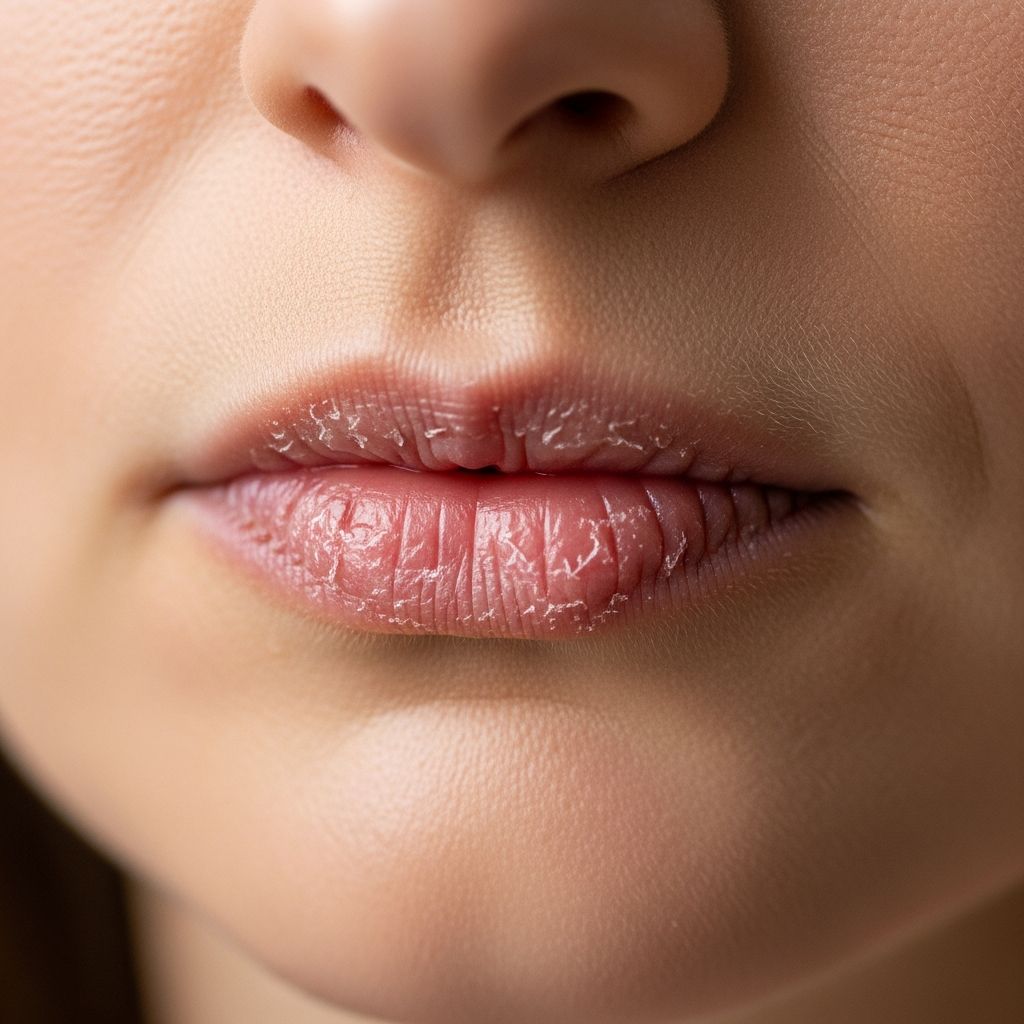
Chapped lips, medically known as cheilitis, affect most people at some point in their lives. The delicate skin on your lips dries out approximately ten times faster than other skin on your face, making them particularly vulnerable to environmental stressors and lifestyle factors. Understanding what causes chapped lips and how to treat them effectively can help you maintain healthy, comfortable lips year-round.
Understanding Chapped Lips
Your lips are uniquely structured compared to the rest of your facial skin. The tissue on your lips has a thinner protective barrier and consists of only three to five layers of tissue. Unlike other areas of your face, your lips lack hair follicles, sweat glands, and oil glands, which means they cannot produce their own natural moisturizing oils. This anatomical difference makes your lips significantly more susceptible to dehydration and damage from environmental exposure.
Because lips are frequently exposed to the elements and lack protective mechanisms that other skin possesses, they are more likely to crack, peel, and become chapped. The absence of oil glands means your lips depend entirely on external moisturization and proper hydration to maintain their health and appearance.
Common Causes of Chapped Lips
Chapped lips can develop for various reasons, ranging from environmental factors to underlying health conditions. Identifying the specific cause of your chapped lips can help you address the problem more effectively.
Environmental and Weather Factors
Extremely cold and dry weather conditions are among the most common causes of chapped lips. During winter months, when outdoor air becomes colder and less humid, your lips face continuous exposure to dry air that dehydrates the delicate skin. Additionally, heated indoor environments during winter further reduce humidity levels, compounding the problem. Sun exposure, even during cooler months, can also cause lip damage through UV radiation, leading to dryness and cracking.
Lifestyle and Behavioral Causes
Many daily habits contribute to chapped lips without people realizing it. Frequently licking your lips creates a temporary moisture sensation, but as the saliva evaporates, it removes the natural oily protective layer that keeps your lips healthy. Enzymes present in saliva can actually damage the delicate lip skin over time and contribute to increased dehydration. A stuffy nose or blocked nasal passages force you to breathe through your mouth, which exposes your lips to excess saliva and increases drying. This is particularly common during cold and flu season.
Hydration and Health Conditions
Dehydration directly affects your skin’s ability to maintain moisture, including your lips. When your body lacks sufficient water, your skin and lips become more prone to dryness and cracking. Certain medical conditions can also hamper your body’s ability to produce and retain moisture. Thyroid disease, vitamin deficiencies, Crohn’s disease, and inflammatory bowel disease can all increase the risk of chapped lips by affecting your body’s overall moisture balance.
Allergies and Irritants
Contact with allergens or irritants is another common cause of chapped lips. Certain lip balms, flavorings, fragrances, or other cosmetic products can irritate the sensitive lip skin, causing it to dry out and crack. Even some medications or topical treatments can trigger allergic reactions that manifest as chapped lips.
Related Stories



Recognizing Symptoms of Chapped Lips
Chapped lips present with several characteristic symptoms that typically develop progressively:
- Dry or scaling lips with visible texture changes
- Cracking or peeling skin that may become pronounced
- Itching around or directly on the lips
- Mild pain and sensitivity, especially when eating or applying products
- Sores on the lips and surrounding areas in more severe cases
- Bleeding or inflammation in severe chapping
Recognizing these symptoms early and addressing them promptly can prevent progression to more severe cases and reduce healing time.
Health Implications of Chapped Lips
While chapped lips might seem like a minor cosmetic issue, they can have significant health implications. Cracked and damaged lip skin provides an entry point for infections. Microorganisms such as the bacterium Staphylococcus aureus or yeast Candida albicans can penetrate the compromised skin barrier and fuel inflammation, aggravating cheilitis symptoms and extending healing time. This makes proper treatment and prevention especially important, particularly if you have a weakened immune system or are prone to infections.
Treatment Options for Chapped Lips
At-Home Remedies and Self-Care
Most cases of chapped lips respond well to at-home treatments, particularly when addressed promptly. The key is to act quickly upon noticing initial tightness or stinging, as early intervention typically results in faster healing.
Moisturizing Lip Balms and Ointments: Applying soothing, ointment-based balms is one of the most effective ways to treat chapped lips. Look for products containing moisturizing ingredients that can help restore hydration to your lips. Petroleum-based lip balms are particularly effective, as they create an occlusive barrier that helps lock in moisture.
Stay Hydrated: Drinking plenty of fluids throughout the day supports your body’s overall hydration and helps keep your skin, including your lips, properly moisturized. Aim to drink adequate water daily, adjusting for activity level and climate.
Use a Humidifier: Running a humidifier in your home or office adds moisture to the air, which helps prevent your lips and surrounding skin from drying out. This is particularly helpful during winter months when heating systems reduce indoor humidity.
Avoid Licking Your Lips: While the urge to wet chapped lips with your tongue is strong, resist this impulse. This temporary relief is followed by increased dryness as the saliva evaporates, creating a cycle that worsens chapping.
Don’t Pick or Bite Peeling Skin: Although it may feel better momentarily when your lips feel smooth again, picking at flaking skin can create larger cracks and sores, prolonging healing and potentially leading to infection. Instead, gently apply moisturizer to soften peeling areas.
When to Seek Professional Help
Most cases of chapped lips heal within two to three weeks with consistent at-home care. However, if your lips don’t improve with self-care treatment, or if chapping is severe with cracked and bleeding skin, consult with a dermatologist or healthcare provider. A healthcare provider can check for infection and may prescribe specialized creams or ointments to reduce inflammation. Consistently chapped lips that don’t respond to standard treatments could indicate an underlying health issue such as a vitamin deficiency, allergy, or autoimmune disorder that requires professional evaluation.
Prevention Strategies
Preventing chapped lips is often easier than treating them once they develop. Implement these strategies to keep your lips healthy:
- Apply lip balm regularly, especially before going outside in cold weather
- Wear SPF-protective lip balm during sunny days to prevent UV damage
- Stay hydrated by drinking adequate water throughout the day
- Avoid products with ingredients that may irritate your lips, such as strong fragrances or flavoring agents
- Maintain adequate indoor humidity, especially during winter months
- Protect your lips from wind and cold by covering them when outdoors
- Avoid smoking and secondhand smoke exposure, which can dry lips
- Ensure your diet includes adequate vitamins and minerals
Lip Balm Selection and Usage
Not all lip balms are created equal. When selecting a lip balm, choose unscented and unflavored options whenever possible, as additives can irritate sensitive lip skin. Petroleum-based products are generally more effective than wax-based alternatives for treating and preventing chapped lips. Be mindful of how often you’re using lip balm—while regular use is beneficial, excessive dependence on certain products could indicate a habit rather than a treatment need.
Avoid lip balms containing salicylic acid or benzoyl peroxide unless specifically recommended by a dermatologist, as these can be too harsh for lip skin. If you notice that a particular lip balm worsens your chapping or causes irritation, discontinue use and switch to a gentler formulation.
Healing Timeline
With proper self-care using lip balms and ointments, mild to moderate chapped lips typically heal within two to three weeks. More severe cases with significant cracking and bleeding may take three weeks or longer to fully recover. The healing process is usually accelerated if you address the issue immediately upon noticing initial symptoms. Consistency with moisturizing treatments and avoiding habits that dry lips out further will significantly improve your healing timeline.
Frequently Asked Questions
Q: What makes lip skin different from other skin on my face?
A: Lip skin is thinner and has only three to five layers of tissue compared to surrounding facial skin. Lips lack oil glands, sweat glands, and hair follicles, making them unable to produce their own moisture and significantly more susceptible to dehydration.
Q: Can chapped lips lead to serious health problems?
A: While usually minor, severely chapped lips can develop infections when the skin barrier is compromised. Bacteria like Staphylococcus aureus or yeast like Candida albicans can enter through cracks, causing inflammation and infection that requires medical attention.
Q: How can I stop the cycle of licking my lips?
A: Apply moisturizing lip balm frequently throughout the day to reduce the urge to lick your lips. Keep lip balm with you and apply it whenever you feel the urge to wet your lips with your tongue. Over time, this habit can be replaced with proper moisturization.
Q: Are there specific ingredients I should look for in lip balms?
A: Look for petroleum-based, unscented, and unflavored lip balms. Beneficial ingredients include moisturizers like glycerin, oils, and waxes that create a protective barrier. Avoid products with irritating additives unless specifically recommended by your dermatologist.
Q: When should I see a doctor about chapped lips?
A: Contact a healthcare provider if chapped lips don’t improve after two to three weeks of self-care treatment, if you notice signs of infection, or if chapping is severe with significant bleeding and cracking. Persistently chapped lips may indicate an underlying health condition requiring professional evaluation.
Q: Does winter weather always cause chapped lips?
A: While winter weather significantly increases the risk of chapped lips due to cold, dry air and indoor heating, chapped lips can occur in any season if proper precautions aren’t taken. Sun exposure, dehydration, and behavioral habits can cause chapping year-round.
References
- Chapped Lips: Causes, Symptoms and Remedies — NEOSPORIN®. Accessed December 2025. https://www.neosporin.com/first-aid-info/chapped-lips-causes-remedies
- How To Get Rid of Chapped Lips: 6 Remedies — Cleveland Clinic Health. Accessed December 2025. https://health.clevelandclinic.org/how-to-get-rid-of-chapped-lips
- Why do lips get so chapped in winter? — Live Science. Accessed December 2025. https://www.livescience.com/health/anatomy/why-do-lips-get-so-chapped-in-winter
- Are Lip Balms and Chapsticks Bad for You? — Cleveland Clinic Health. Accessed December 2025. https://health.clevelandclinic.org/6-signs-your-lip-balm-use-is-just-a-bad-habit
- International Journal of Women’s Dermatology — 2020 Review on Nasal Obstruction and Lip Health. PubMed/NIH Database. https://pubmed.ncbi.nlm.nih.gov
- Acta Clinica Croatica — 2018 Review on Cheilitis and Microbial Infections. PubMed/NIH Database. https://pubmed.ncbi.nlm.nih.gov
Similar Articles








Read full bio of medha deb