Chasteberry: 2 Proven Uses And Safety Guide
Explore chasteberry's effectiveness for PMS, breast pain, and women's health concerns.
Chasteberry: Usefulness and Safety
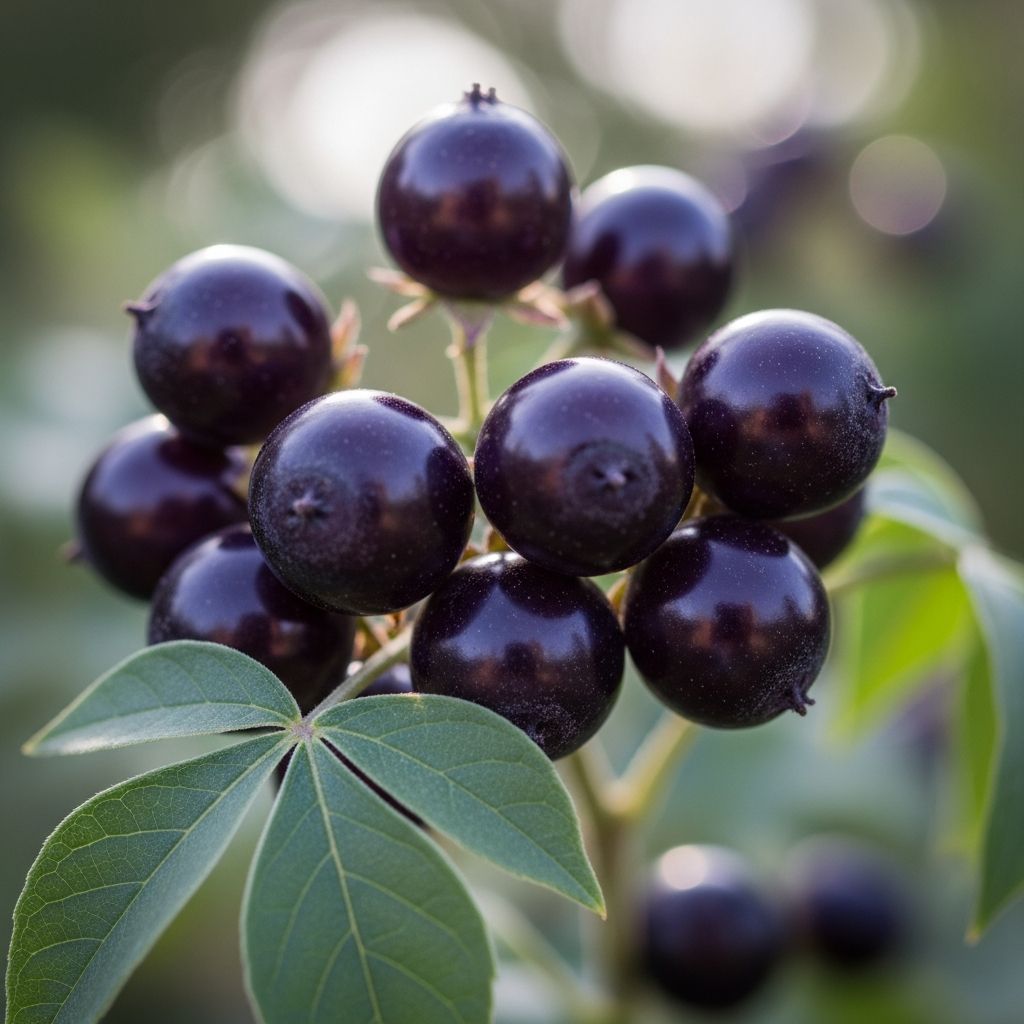
Chasteberry, scientifically known as Vitex agnus-castus, is a dietary supplement derived from the fruit of the chaste tree, a shrub native to Mediterranean and Central Asian regions. This herbal remedy has gained popularity as a natural approach to managing various women’s health concerns, particularly premenstrual syndrome and associated symptoms. The National Center for Complementary and Integrative Health (NCCIH) provides evidence-based information to help consumers understand what research reveals about this supplement’s effectiveness and safety profile.
Background and Historical Context
The chasteberry plant, also called the chaste tree or chaste shrub, has been utilized for centuries across different cultures. Extracts of chasteberry can be prepared from the herb’s leaves, stems, flowers, and seeds, though the fruit is most commonly used for therapeutic purposes. The plant’s name reflects traditional beliefs about its properties—in the Middle Ages, chasteberry was reportedly used by monks who believed it promoted chastity and decreased sexual desire. Beyond this unique historical association, chasteberry was traditionally employed for treating psychological illnesses, gynecological disorders, and hormone-associated skin conditions.
Today, chasteberry has evolved into a mainstream dietary supplement, with contemporary applications focusing on women’s health. The supplement is promoted for managing symptoms of premenstrual syndrome (PMS), breast pain or tenderness associated with the menstrual cycle, infertility, menopause symptoms, and various other conditions related to hormonal fluctuations and menstrual irregularities.
Current Research Evidence
Overview of Scientific Studies
Several studies of low-to-moderate quality have evaluated chasteberry for alleviating PMS symptoms such as breast pain or tenderness. However, the research landscape varies significantly depending on the specific condition being studied. While there is more robust evidence for certain applications, the strength of evidence for other proposed uses remains limited, and higher-quality research is needed to reach definitive conclusions about chasteberry’s effectiveness for all indications.
Cyclic Breast Discomfort
Among chasteberry’s proposed uses, cyclic breast discomfort (also called cyclic mastalgia) represents one of the most well-researched applications. A double-blind, placebo-controlled trial involving ninety-seven women with cyclic mastalgia symptoms found that chasteberry extract significantly reduced pain intensity by the end of one menstrual cycle, with continued improvement through the second cycle. Results from another double-blind trial with 104 women comparing placebo against two forms of chasteberry (liquid and tablet) demonstrated statistically significant improvements in the treatment groups across at least three menstrual cycles.
A comprehensive meta-analysis published in 2019 examined six placebo-controlled studies involving 718 participants and demonstrated that chasteberry significantly alleviates breast tenderness compared to placebo. This systematic review provided strong evidence that the supplement can effectively reduce this specific symptom in individuals both with and without premenstrual syndrome.
Premenstrual Syndrome Symptoms
Research supporting chasteberry’s use for broader PMS symptom relief has expanded considerably. A double-blind, placebo-controlled study of 178 women found that chasteberry supplementation over three menstrual cycles significantly reduced general PMS symptoms, including irritability, depression, headache, and breast tenderness. Another trial involving 217 women with moderate to severe PMS reported that after three menstrual cycles, the treatment group experienced fewer symptoms compared to placebo.
A 2017 study published in the Journal of Alternative and Complementary Medicine found significant improvements in PMS symptoms when participants received chasteberry over three menstrual cycles. Most notably, a meta-analysis of double-blind, placebo-controlled trials published in 2019 in BMC Complementary Medicine and Therapies reported that women experienced a 50 percent reduction in their PMS symptoms. Additional analysis identified 3 clinical trials with 520 women showing that participants taking chasteberry were 2.57 times more likely to experience relief in their overall PMS symptoms compared to those taking placebo.
Related Stories



Menstrual Irregularities and Fertility
Limited evidence suggests chasteberry may benefit women with certain menstrual disorders. One double-blind trial following fifty-two women with luteal phase defect found significant improvements after three months of chasteberry supplementation. This condition, believed to be related to excessive prolactin release, showed improvement with chasteberry treatment. Women in the active treatment group demonstrated reduced prolactin release, normalized luteal phases, improved luteal phase progesterone synthesis, and increased luteal phase estradiol levels.
Research on chasteberry for fertility disorders has yielded preliminary but promising results. A randomized controlled trial involving 96 women with fertility disorders (including secondary amenorrhea, luteal insufficiency, and idiopathic infertility) suggested that patients receiving chasteberry achieved pregnancy more readily than women in the placebo group. However, the total number of patients conceiving was small, and the treatment duration was limited to three months, indicating the need for larger, longer-term studies.
Safety Profile and Considerations
General Safety Assessment
Chasteberry is generally considered to be safe, with side effects being few and generally mild. Common adverse effects, when they occur, include infrequent mild gastrointestinal complaints, dizziness, headache, tiredness, and dry mouth. Reported side effects from clinical trials have been minimal, with nausea, indigestion, abdominal discomfort, and itching documented in some cases.
Important Safety Warnings
Despite its generally favorable safety profile for most women, chasteberry supplementation may not be safe for women with hormone-sensitive conditions, such as breast, uterine, or ovarian cancer. Women with these conditions should avoid chasteberry without explicit medical supervision, as the supplement’s hormonal effects could potentially interfere with cancer treatment or disease management.
Additionally, preclinical evidence suggests that the use of chasteberry during pregnancy or while breastfeeding may be unsafe. Women who are pregnant, planning to become pregnant, or currently breastfeeding should consult healthcare professionals before considering chasteberry supplementation. Although the evidence base is limited, the potential risks warrant caution during these sensitive periods.
Dosage Recommendations
Typical doses of chasteberry range from 20 milligrams of dry extract taken one to three times daily. Most clinical trials supporting the supplement’s effectiveness used standardized extracts, often administered as one tablet three times daily. However, individuals should consult healthcare professionals before self-treating menstrual irregularities, as underlying health issues may be present and require proper diagnosis and management.
Proposed Mechanisms of Action
Research suggests that chasteberry works by reducing levels of prolactin, a hormone that sometimes drives PMS signs such as sore breasts, headaches, and mood swings. This hormonal modulation appears to be central to the supplement’s therapeutic effects. By normalizing prolactin levels and supporting balanced luteal phase hormones, chasteberry may help regulate menstrual cycle function and reduce associated symptoms.
Other Proposed Uses
Beyond the well-researched applications for cyclic breast discomfort and PMS, chasteberry has been proposed for several other conditions. These include amenorrhea, female infertility, irregular menstruation, menopausal symptoms, acne, endometriosis, and polycystic ovary syndrome (PCOS). However, there isn’t substantial strong research supporting effectiveness for these other conditions, and evidence remains preliminary or limited.
Summary of Evidence
| Condition | Evidence Level | Efficacy Rating |
|---|---|---|
| Cyclical Breast Discomfort | Moderate | Possibly Effective |
| Premenstrual Syndrome | Moderate | Possibly Effective |
| Fertility Disorders | Limited | Possibly Effective (Preliminary) |
| Menstrual Irregularities | Limited | Possibly Effective (Preliminary) |
| Modification of Libido | Insufficient | Insufficient Evidence |
| Stimulating Lactation | Insufficient | Insufficient Evidence |
Frequently Asked Questions
Q: How long does it take for chasteberry to work?
A: Clinical trials typically show benefits developing over one to three menstrual cycles. Some women report noticeable improvement in breast pain within the first cycle, while overall PMS symptom reduction may take two to three cycles to become apparent. Consistent use as directed is important for optimal results.
Q: Can chasteberry be taken with other medications?
A: While chasteberry is generally well-tolerated, there is limited research on its interactions with other medications. Women taking hormonal medications, antipsychotics, or other prescription drugs should consult their healthcare provider before starting chasteberry supplementation to avoid potential interactions.
Q: Is chasteberry safe for all women?
A: Chasteberry is generally safe for most women, but it should be avoided by those with hormone-sensitive cancers and those who are pregnant or breastfeeding. Women with specific health conditions should discuss chasteberry use with their healthcare provider before starting supplementation.
Q: What form of chasteberry is most effective?
A: Research has demonstrated effectiveness with both liquid and tablet forms of standardized chasteberry extract. The most important factor is using a standardized extract and maintaining consistent dosing as recommended on the product label or by a healthcare provider.
Q: Should I stop taking chasteberry if I become pregnant?
A: Yes. Preclinical evidence suggests that chasteberry may be unsafe during pregnancy, so women who become pregnant while taking this supplement should discontinue use immediately and consult their healthcare provider.
Getting More Information
For additional information about chasteberry and other complementary and integrative health approaches, the NCCIH Clearinghouse provides evidence-based resources, publications, and searches of Federal databases of scientific and medical literature. The Clearinghouse does not provide medical advice, treatment recommendations, or referrals to practitioners, but serves as a valuable information resource for consumers and healthcare professionals.
NCCIH Clearinghouse Contact Information:
– Toll-free in the U.S.: 1-888-644-6226- Telecommunications relay service (TRS): 7-1-1- Website: https://www.nccih.nih.gov- Email: info@nccih.nih.gov
Conclusion
Chasteberry represents a well-researched herbal supplement with moderate evidence supporting its use for cyclic breast discomfort and premenstrual syndrome symptoms. The supplement’s generally favorable safety profile, combined with its traditional historical use and contemporary clinical research, makes it an option worth considering for women seeking natural approaches to managing menstrual-related symptoms. However, individual results vary, and consultation with healthcare providers remains essential, particularly for women with hormone-sensitive conditions, those taking medications, and those who are pregnant or breastfeeding. As research continues to evolve, a clearer understanding of chasteberry’s mechanisms, optimal dosing, and efficacy for various conditions will emerge, allowing for more personalized recommendations.
References
- Chasteberry: Usefulness and Safety — National Center for Complementary and Integrative Health (NCCIH), National Institutes of Health. 2024. https://www.nccih.nih.gov/health/chasteberry
- Chasteberry’s Therapeutic Uses — EBSCO Information Services. 2024. https://www.ebsco.com/research-starters/complementary-and-alternative-medicine/chasteberrys-therapeutic-uses
- Chasteberry — American Academy of Family Physicians (AAFP). 2005-09-01. https://www.aafp.org/pubs/afp/issues/2005/0901/p821.html
- Chasteberry Extract for Women’s Health Support — Givaudan Health & Nutrition Hub. 2024. https://healthnutritionhub.givaudan.com/ingredients/chasteberry
- Chaste Tree — LiverTox — National Center for Biotechnology Information (NCBI), National Library of Medicine. 2024. https://www.ncbi.nlm.nih.gov/books/NBK588847/
- Vitex agnus castus effects on hyperprolactinaemia — PubMed Central, National Center for Biotechnology Information. 2023. https://pmc.ncbi.nlm.nih.gov/articles/PMC10702745/
- Vitex for PMS and PMDD — National University of Natural Medicine. 2019-05-01. https://nunm.edu/2019/05/chaste-tree-berry-pms/
Similar Articles








Read full bio of Sneha Tete