Chayote Benefits: 10 Health Advantages Explained
Discover the powerful health benefits of chayote squash for heart, digestion, and longevity.
Chayote Benefits: 10 Health Advantages You Should Know
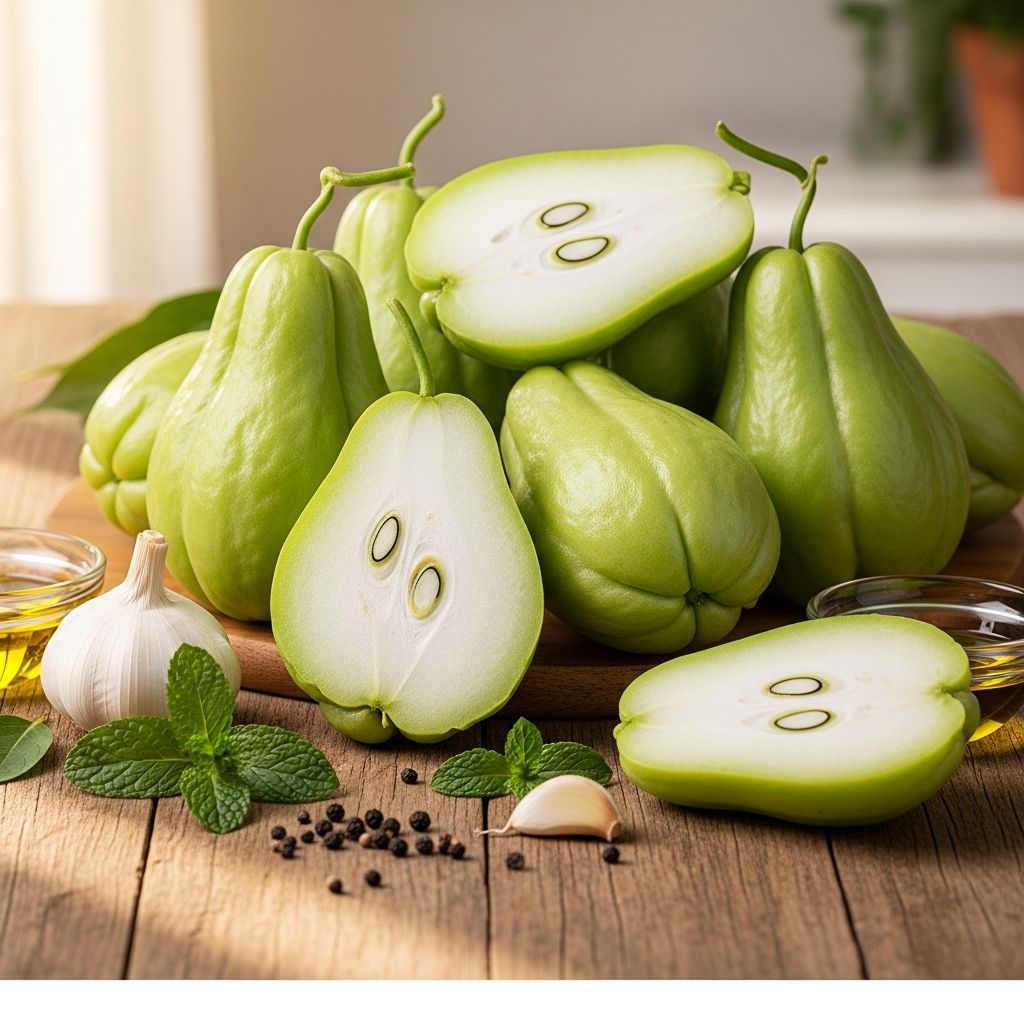
Chayote squash, scientifically known as Sechium edule, is a nutrient-dense vegetable that has been used for centuries in traditional Mexican medicine and is gaining recognition worldwide for its impressive health benefits. This pear-shaped green squash is low in calories yet packed with essential vitamins, minerals, and antioxidants that support various aspects of human health. Whether consumed raw, cooked, or as a juice extract, chayote offers multiple therapeutic properties that can contribute to overall wellness and disease prevention.
1. Rich in Essential Nutrients
Chayote squash is a nutritional powerhouse despite being low in calories. The vegetable contains significant amounts of folate (vitamin B9), vitamin C, fiber, and various minerals that your body needs for optimal function. One medium chayote squash provides approximately 189 micrograms of folate, which represents about 47% of the recommended daily intake. This nutrient-dense profile makes chayote an excellent choice for individuals looking to maximize nutritional intake while maintaining a healthy caloric consumption.
2. Contains Potent Antioxidants
One of the most remarkable aspects of chayote is its rich antioxidant content. The vegetable contains numerous antioxidant compounds, including myricetin, flavonoids, and vitamin C, which work together to neutralize harmful free radicals in your body. These antioxidants have been linked to the prevention of chronic diseases such as cancer, heart disease, and cognitive decline. By incorporating chayote into your regular diet, you provide your body with natural protection against oxidative stress, which is a key factor in the development of many age-related diseases.
3. May Promote Heart Health
Research has demonstrated that chayote can significantly improve cardiovascular health through multiple mechanisms. The phytochemicals present in chayote improve blood flow and reduce blood pressure levels, which aligns with traditional Mexican medicine’s use of chayote for treating heart disease. Additionally, the antioxidants in chayote, particularly flavonoids and myricetin, help lower cholesterol levels and reduce inflammation—both critical factors in heart disease prevention.
The fiber content in chayote also supports heart health by helping to manage cholesterol levels as part of a balanced diet. Studies of chayote extracts have shown that they influence the smooth muscle function of arteries, facilitating better cardiovascular function and blood pressure regulation. For individuals concerned about heart disease risk, chayote represents a natural, nutrient-rich addition to a heart-healthy diet.
4. Regulates Blood Sugar Levels
For individuals with diabetes or those at risk of developing the condition, chayote offers promising benefits for blood sugar management. The vegetable is relatively low in carbohydrates and an excellent source of fiber—a nutritional combination that helps maintain healthy blood sugar levels. The fiber in chayote increases satiety, helping you feel fuller after consuming smaller portions, while also slowing your body’s absorption of carbohydrates.
Research studies have found that chemical compounds in chayote increase insulin sensitivity, which is particularly beneficial for people with type 2 diabetes who need better blood sugar control. Animal studies have also demonstrated that chayote extract and juice can lower blood glucose levels and accelerate the normalization of glucose tolerance. When consumed as part of a balanced diet, chayote can be an effective natural tool for maintaining stable blood sugar levels throughout the day.
Related Stories



5. Supports a Healthy Pregnancy
Pregnant women and those trying to conceive can benefit significantly from chayote’s high folate content. Folate, also known as vitamin B9, is an essential nutrient for fetal development, particularly crucial for the formation of the fetal brain and spinal cord. Additionally, research suggests that adequate folate intake may help prevent preterm births, making chayote a beneficial food choice during pregnancy.
The antioxidants and nutrients in chayote also support overall maternal health by protecting cells from damage and reducing oxidative stress, which can impact pregnancy outcomes. However, pregnant women should consult with their healthcare provider before making significant dietary changes or using chayote for medicinal purposes.
6. May Have Anticancer Properties
Several research studies have examined chayote’s potential in cancer prevention and treatment. The antioxidants present in chayote may help reduce cancer incidence by preventing cellular damage that can lead to malignant transformation. Direct studies on chayote extracts and cancer cells have yielded promising results: one study found that chayote fruit extract limited the growth and spread of cancer cells while protecting healthy nearby cells from damage.
Additional research using different cancer cell lines confirmed that chayote extract limits cancer cell growth and can reduce the survival time of cancer cells. While more human studies are needed to establish definitive therapeutic protocols, the preliminary evidence suggests that chayote’s rich antioxidant profile may play a role in cancer prevention and potentially complement conventional cancer treatments.
7. Slows Visible Signs of Aging
The aging process is significantly influenced by free radical damage and oxidative stress, which lead to reduced cellular functionality over time. Chayote’s powerful antioxidants and nutrients, particularly vitamin C, work to protect your body from cell damage and reduce visible signs of aging. Beyond surface-level anti-aging benefits, research has revealed deeper effects on the aging process itself.
A six-month study conducted in 2023 examined older adults with metabolic syndrome and found that chayote not only exhibits antioxidant and anti-inflammatory effects but actually slowed the shortening of telomeres in human cells—one of the primary biological markers of aging. Furthermore, the antioxidants in chayote promote collagen production in the skin, which may reduce visible aging signs such as wrinkles, fine lines, and pigmentation irregularities. This makes chayote particularly valuable for individuals interested in supporting their skin health and longevity naturally.
8. Improves Liver Health
Fatty liver disease is an increasingly common condition that can lead to serious liver damage if left untreated. Chayote contains compounds that protect against fat buildup in the liver, offering preventative and therapeutic benefits. Studies have found that chayote consumption reduces fatty acid deposits in the liver and lowers cholesterol levels, both important factors in preventing and managing fatty liver disease.
Beyond fat reduction, chayote helps improve the body’s overall metabolism and ability to process fats efficiently. Evidence also suggests that chayote shoots may help reduce fat tissue accumulation and regulate fat content around the liver specifically. For individuals with metabolic concerns or those at risk of liver disease, incorporating chayote into the diet may offer protective benefits.
9. Supports Healthy Weight Management
Chayote squash is naturally low in calories while being high in fiber and nutrients, making it an ideal food for individuals focused on weight management. The high fiber content promotes satiety, meaning you feel fuller after consuming less food, which naturally reduces overall caloric intake. This satiety effect, combined with the vegetable’s low-calorie profile, makes chayote a practical choice for healthy snacking or incorporating into meals without contributing significantly to daily caloric totals.
Additionally, research suggests that chayote shoots may help reduce fat tissue development and regulate fat content throughout the body. The combination of low caloric density, high fiber content, and compounds that support healthy fat metabolism makes chayote a valuable dietary component for sustainable weight management strategies.
10. Promotes Digestive Health
The fiber content in chayote squash plays a crucial role in supporting digestive health and maintaining healthy gut bacteria. Research indicates that flavonoid-rich foods like chayote help regulate the gut microbiome, aiding the balance of organisms involved in waste removal and excretion. This microbial balance is essential for optimal digestive function and overall health.
Studies have also shown that chayote fruit extracts help lower numerous factors that contribute to ulcer formation, including total stomach acidity, while simultaneously increasing gastric pH to reduce acidity levels. Adequate intake of fiber-rich foods like chayote encourages healthy intestinal function and bowel regularity while supporting the maintenance of beneficial gut bacteria. These digestive benefits may play a preventative role in various chronic conditions, including heart disease, type 2 diabetes, and colon cancer.
How to Prepare and Consume Chayote
The versatility of chayote extends beyond just the fruit itself. The entire plant is edible, including the seeds, rind, peel, flesh, tendrils, flowers, and roots. You can consume chayote raw or cooked, depending on your preferences and dietary needs. Many people prefer chayote juice for its concentrated nutrient profile and convenience, particularly as part of a post-workout recovery routine or for weight loss support. However, individuals should consult with a healthcare provider before using chayote specifically for medicinal purposes related to blood pressure, digestion, or other health conditions.
Nutritional Comparison Table
| Nutrient | Amount per Medium Chayote | % Daily Value | Health Benefit |
|---|---|---|---|
| Folate (Vitamin B9) | 189 mcg | 47% | Supports fetal development and prevents preterm births |
| Vitamin C | High | Variable | Antioxidant protection and collagen synthesis |
| Fiber | Significant | Variable | Blood sugar regulation and digestive health |
| Calories | Low | — | Weight management support |
| Fat Content | Very Low | — | Heart health and cholesterol management |
| Antioxidants (Flavonoids, Myricetin) | High | — | Disease prevention and anti-aging |
Frequently Asked Questions About Chayote
Q: Can chayote help with weight loss?
A: Yes, chayote can support weight loss efforts due to its low-calorie content, high fiber that promotes satiety, and compounds that help regulate fat metabolism. However, you should consult a doctor before using chayote specifically for weight loss purposes to ensure it aligns with your individual health needs.
Q: Is chayote beneficial for people with diabetes?
A: Yes, chayote benefits people with diabetes by lowering blood sugar levels and increasing insulin sensitivity. The fiber content slows carbohydrate absorption, which helps reduce blood sugar spikes. Consult your healthcare provider before using chayote as part of your diabetes management strategy.
Q: Can I eat all parts of the chayote plant?
A: Yes, the entire chayote plant is edible, including the fruit, seeds, rind, peel, flesh, tendrils, flowers, and roots. Different parts can be prepared and consumed in various ways depending on your culinary preferences.
Q: What are the anti-aging benefits of chayote?
A: Chayote contains powerful antioxidants and vitamin C that protect cells from damage and reduce visible aging signs like wrinkles and fine lines. Research shows it can even slow telomere shortening, a key biological marker of aging. It also promotes collagen production for healthier skin.
Q: How should I consume chayote for maximum health benefits?
A: You can consume chayote raw or cooked, and many people prefer it as juice for concentrated nutrients. Some prefer it post-workout for weight loss support. Choose preparation methods based on your dietary preferences, but consult a healthcare provider before using it specifically for medicinal purposes.
Q: Does chayote help with kidney stones?
A: Some research suggests chayote may reduce kidney stone formation, but you should consult a doctor before self-medicating with chayote for kidney stones or other specific health conditions.
Final Recommendations
Chayote squash represents a nutrient-rich vegetable with significant potential health benefits spanning cardiovascular support, blood sugar regulation, antioxidant protection, and anti-aging properties. It can be a healthy addition to a balanced diet when consumed in moderation. However, it is essential to consult with a healthcare provider before using chayote specifically for medicinal purposes, particularly if you have existing health conditions, take medications, or are pregnant or breastfeeding. By incorporating chayote into your regular dietary routine alongside other whole foods and healthy lifestyle practices, you can work toward supporting your long-term health and wellness goals.
References
- Health Benefits of Chayote — WebMD. Updated 2024. https://www.webmd.com/diet/health-benefits-chayote
- Is Chayote a Fruit or Vegetable and What Are the Health Benefits? — MedicineNet. https://www.medicinenet.com/chayote_a_fruit_or_vegetable_what_health_benefits/article.htm
- Chayote: Benefits, Nutrition, Recipes, Side Effects & More — PharmEasy. https://pharmeasy.in/blog/ayurveda-uses-benefits-side-effects-of-chayote/
- 10 Impressive Benefits of Chayote Squash — Healthline. Medically reviewed by Kim Rose-Francis RDN, CDCES, LD. Updated January 28, 2025. https://www.healthline.com/nutrition/chayote-squash
- The consumption of Sechium edule (chayote) has antioxidant effect and prevents telomere attrition in older adults with metabolic syndrome — PubMed Central / National Institutes of Health. https://pmc.ncbi.nlm.nih.gov/articles/PMC10165935/
Similar Articles








Read full bio of medha deb