Cheap Healthy Foods to Buy, According to a Dietitian
Discover budget-friendly, nutrient-packed foods recommended by dietitians to nourish your body without breaking the bank.
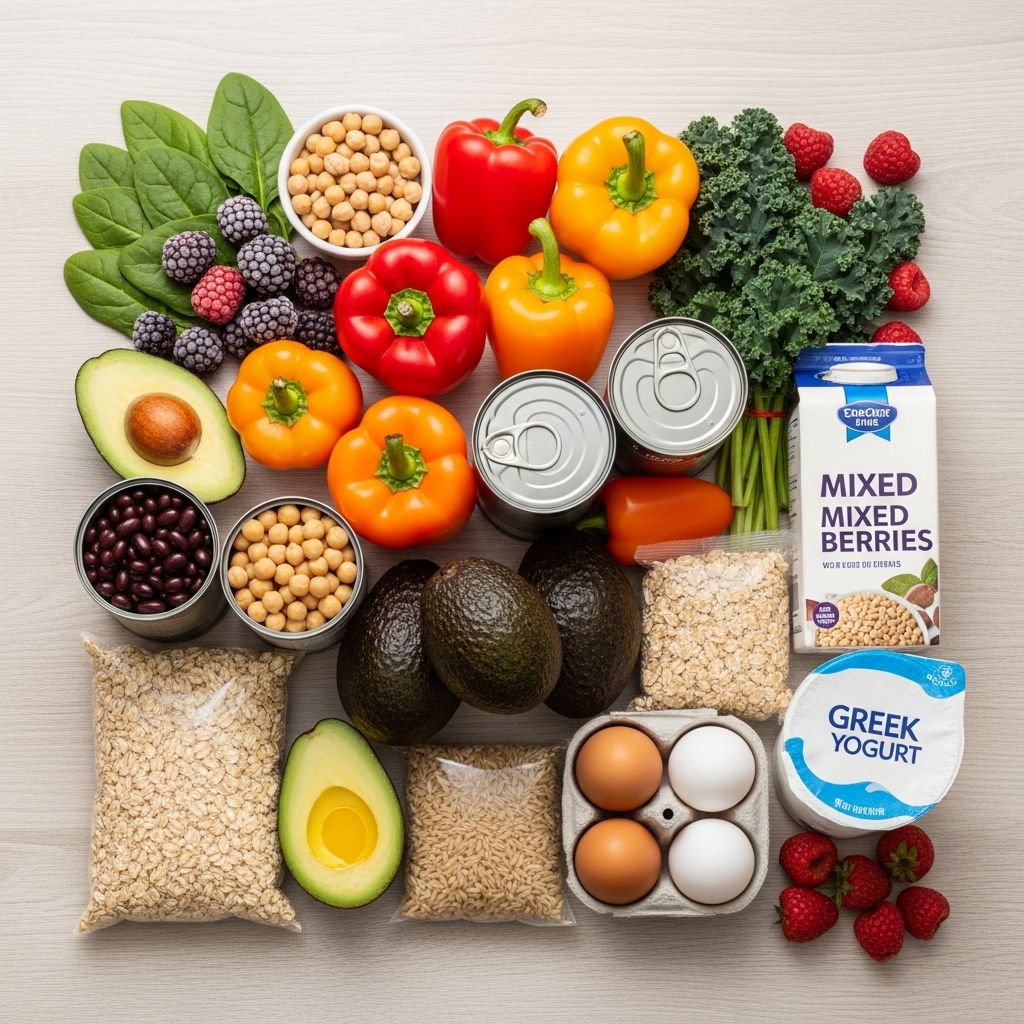
Eating healthy doesn’t have to drain your wallet. Registered dietitians emphasize prioritizing
nutrient-dense foods
that offer high nutritional value at low costs. These staples provide essential vitamins, minerals, fiber, and protein while fitting tight budgets. By focusing on items like beans, oats, eggs, and seasonal produce, you can build balanced meals without overspending.This guide covers the top affordable healthy foods, grouped by category, with practical tips for incorporating them into your diet. Prices fluctuate, but these options typically cost under $2 per pound or serving, making them accessible year-round.
Why Focus on Cheap Healthy Foods?
Nutrient-dense foods deliver the most
bang for your buck
, rich in fiber, protein, and micronutrients that support heart health, digestion, and immunity. Dietitians like Claire Edgemon from Baylor Medicine note that staples such as beans, lentils, and whole grains are ideal for balanced meals on a budget. Canned and frozen options retain nutrition while extending shelf life, and buying in bulk or on sale maximizes savings.According to Healthline, many healthy foods average $0.60–$2 per pound, far cheaper than processed alternatives. Prioritizing these helps combat rising grocery costs while promoting long-term wellness.
Vegetables: Affordable Nutrition Powerhouses
Vegetables form the foundation of budget-friendly eating. Opt for frozen, canned, or in-season fresh varieties for the best deals.
- Broccoli: At about $1.92 per pound, broccoli is loaded with
vitamin C
(135% DV per cup) for immune support and antioxidants. Steam, roast, or add to stir-fries. - Bagged Spinach: Around $3.83 per pound, it’s rich in vitamin K for bone health and heart disease prevention, plus vitamins A and C. Use in salads, smoothies, or sautés.
- Russet Potatoes: Just $0.60 per pound, providing vitamins C and B6, fiber for digestion, and appetite control. Bake, mash, or make hearty soups.
- Sweet Potatoes: $1.05 per pound, offering 369% DV vitamin A for eye health and beta-carotene antioxidants. Roast as fries or mash for sides.
- Canned Tomatoes: $0.91 per pound, with 37% DV vitamin C and lycopene for heart health. Ideal for sauces, stews, or chili.
- Carrots: $0.77 per pound, delivering 119% DV vitamin A for eyesight and immunity. Eat raw, roasted, or in soups.
- Green Cabbage: $0.62 per pound, high in vitamin C and glucosinolates, which may protect against cancer. Shred for slaws or stir-fries.
Pro tip: Choose low-sodium canned veggies and in-season produce for peak flavor and savings.
Fruits: Sweet and Economical Choices
Fresh, frozen, or canned fruits add natural sweetness and fiber without excess sugar.
- Bananas: One of the cheapest at under $1 per pound, packed with potassium, magnesium, vitamin B6, C, and prebiotic fiber. Perfect for snacks or smoothies.
- Apples: Affordable and portable, providing fiber for satiety and quercetin antioxidants. Buy in bulk for baking or salads.
- Frozen Berries: Often cheaper than fresh, retaining vitamins and antioxidants. Use in yogurt, oatmeal, or desserts.
Dietitians recommend pairing bananas with nut butter for a balanced snack.
Grains and Legumes: Filling and Fiber-Rich Staples
These provide sustained energy, protein, and B vitamins at bulk prices.
- Oats: Less than $1 per pound, offering beta-glucan fiber for cholesterol reduction and heart health. Make overnight oats or porridge.
- Brown Rice: $2 per pound, with 3g fiber per cup, magnesium, and manganese. Base for grain bowls or stir-fries.
- Canned Beans: Under $1 per pound (black, kidney, chickpeas), high in fiber, folate, iron, and potassium. Rinse for salads, soups, or tacos.
- Lentils: Inexpensive protein source with fiber for blood sugar control. Cook into dals or veggie burgers.
- Quinoa: Buy in bulk for complete protein and fiber. Use in salads or as rice substitute.
- Edamame: Frozen bags under $2, providing vitamin K, folate, and trace minerals. Steam as a snack or add to bowls.
Related Stories



Proteins: Lean and Low-Cost Options
Protein keeps you full; focus on eggs, dairy, and canned fish.
- Eggs: About $2 per dozen, delivering 6g protein per egg with vitamins D and B12. Boil, scramble, or bake into frittatas.
- Canned Tuna: Low-calorie, high-protein in water-packed pouches. Omega-3s for heart health; use in salads or melts.
- Cottage Cheese: Under $2 for 16oz, 23% DV protein per 100g for muscle maintenance. Top with fruit or veggies.
- Peanut Butter: Natural versions without added sugars; calorie-dense protein and healthy fats. Spread on apples or in smoothies.
- Skinless Chicken: Frozen for freshness; budget protein for quesadillas or stir-fries.
Dairy and Alternatives: Calcium on a Dime
- Greek Yogurt: Plain, low-fat for probiotics and protein. Under $1 per serving; use in dips or parfaits.
- Milk: Fortified for vitamin D and calcium. Opt for store brands.
Other Budget Winners
- Frozen Vegetables: Retain nutrients, cheaper than fresh.
- Popcorn: Whole-grain snack under $1; air-pop for fiber.
Budget Shopping Tips from Dietitians
Maximize savings with these strategies:
- Compare unit prices and buy bulk.
- Shop sales, use coupons, and choose store brands.
- Plan meals around weekly produce deals.
- Stock canned/frozen for longevity.
| Food | Avg. Price/lb | Key Nutrients |
|---|---|---|
| Potatoes | $0.60 | Vit C, B6, Fiber |
| Beans | <$1 | Protein, Fiber, Iron |
| Eggs (dozen) | $2 | Protein, Vit D |
| Oats | <$1 | Beta-Glucan Fiber |
Sample Budget Meal Ideas
Black bean sweet potato chili; quinoa veggie salad; tuna wraps; oat smoothies; potato egg scramble.
Frequently Asked Questions
Are canned foods as healthy as fresh?
Yes, canned and frozen retain most nutrients and are often cheaper with longer shelf life. Choose low-sodium options.
How can I eat healthy under $50/week?
Focus on beans, rice, eggs, potatoes, and sales. Plan 7 days of meals in advance.
What’s the best cheap protein?
Eggs, canned beans, and peanut butter offer high protein per dollar.
Do sweet potatoes beat regular potatoes?
Both are excellent; sweet for vitamin A, russet for vitamin C.
These foods enable nutritious eating affordably. Incorporate variety for optimal health.
References
- 28 Healthy Foods That Are Incredibly Cheap — Healthline. 2023. https://www.healthline.com/nutrition/29-cheap-healthy-foods
- Eat well for less: 5 building blocks for a nourishing, affordable pantry — UT Southwestern Medical Center. 2023-10-10. https://utswmed.org/medblog/healthy-eating-less-money/
- Eating healthy on a budget: Tips and tricks from a registered dietitian — Baylor College of Medicine. 2024-07-24. https://blogs.bcm.edu/2024/07/24/eating-healthy-on-a-budget-tips-and-tricks-from-a-registered-dietitian/
- 12 Affordable Foods Dietitians Swear By For Better Health — Delish. 2024. https://www.delish.com/kitchen-tools/kitchen-secrets/a65353142/healthy-affordable-foods/
- 12 Foods with the Healthiest Bang for Your Buck — Munson Healthcare. 2023. https://www.munsonhealthcare.org/blog/12-foods-with-the-healthiest-bang-for-your-buck
- Nutrition on a Budget — Nutrition.gov (USDA). 2024. https://www.nutrition.gov/topics/food-security-and-access/nutrition-budget
Similar Articles








Read full bio of Sneha Tete