Cheek Implants: Procedure, Recovery & Results Guide
Complete guide to cheek implants: what to expect, recovery timeline, and results.
Understanding Cheek Implants
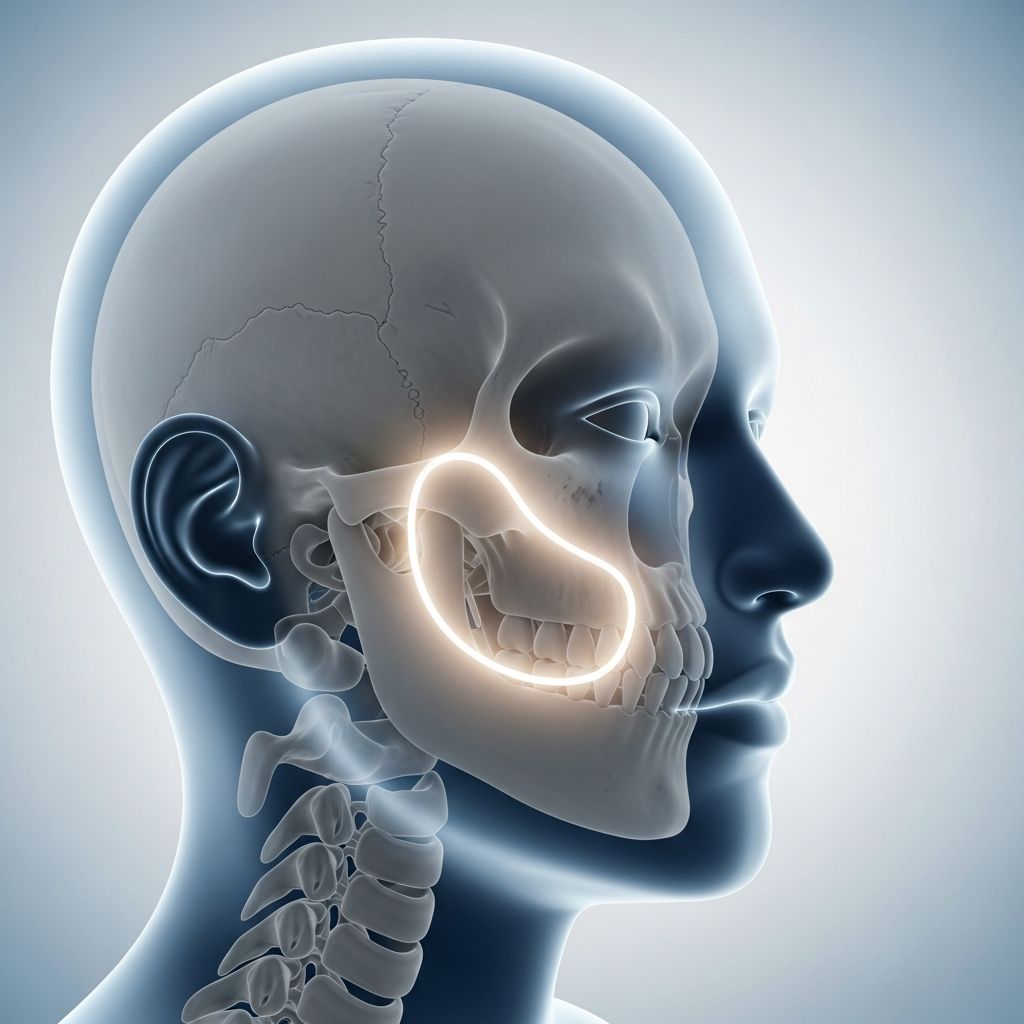
Cheek implants are a popular cosmetic surgical procedure designed to enhance facial structure by adding volume and definition to the cheekbones. This procedure can help individuals achieve the sculpted, youthful appearance they desire. Whether you’re looking to restore volume lost with age, enhance natural cheekbones, or achieve a more balanced facial proportion, cheek implants offer a semi-permanent solution for facial augmentation.
The procedure has evolved significantly over the years, with modern techniques providing natural-looking results when performed by experienced surgeons. Many patients choose cheek implants to increase their self-confidence and improve their overall facial aesthetics.
What Are Cheek Implants Made From?
Cheek implants are typically manufactured from solid silicone, a material that has established a strong safety record in cosmetic and reconstructive surgery. Silicone is biocompatible, meaning it integrates well with the body’s tissues and is unlikely to cause adverse reactions. This durable material allows the implants to maintain their shape and position over time, providing long-lasting results for patients.
The use of silicone in cheek implants has been extensively studied and approved by regulatory agencies. Surgeons select the appropriate size and shape of implants based on individual facial anatomy and aesthetic goals to ensure natural-looking outcomes.
The Cheek Implant Consultation Process
Every cosmetic procedure begins with a thorough consultation, which serves as the foundation for a successful surgical experience. During this initial meeting, you’ll have the opportunity to discuss your aesthetic goals, concerns, and expectations with your surgeon. This is an ideal time to ask questions and establish clear communication about the desired outcome.
Your surgeon will typically:
- Take high-quality photographs of your face from multiple angles
- Review before-and-after images of previous patients who received cheek implants
- Evaluate your facial structure and proportions
- Discuss which implant size and placement would best suit your face
- Provide a detailed financial quote for the procedure
- Suggest complementary procedures if appropriate
During the consultation, your surgeon may recommend additional procedures, such as a facelift, rhinoplasty, or dermal fillers, to help you achieve your desired overall look. This comprehensive approach ensures that all aspects of your facial aesthetics are considered.
Pre-Surgery Preparation
Proper preparation in the weeks leading up to your cheek implant surgery is crucial for achieving the best results and minimizing complications. Your surgical team will provide specific instructions tailored to your individual health status and medical history.
Standard pre-operative preparation typically includes:
- Completing blood work or other laboratory tests
- Scheduling a checkup with your primary care provider or relevant specialists
- Discontinuing smoking to promote proper healing
- Stopping certain medications as directed by your surgeon
- Avoiding nonsteroidal anti-inflammatory medications like aspirin
- Discontinuing herbs or natural preparations that may increase bleeding risk
- Fasting for a specified period before surgery if general anesthesia will be used
- Arranging for transportation home after the procedure
Following these preparation guidelines helps optimize your body’s ability to heal and reduces the risk of complications during and after surgery.
The Cheek Implant Surgical Procedure
Understanding what happens during cheek implant surgery can help you feel more confident and prepared. The procedure typically takes one to two hours and follows a standardized sequence of steps.
Related Stories



Anesthesia Options
Cheek implant surgery is commonly performed under general anesthesia in a surgical operating room. However, depending on the extent of the procedure and your surgeon’s recommendation, it may be performed under light sedation or local anesthesia with sedation. Your anesthesiologist will determine the most appropriate option based on your health history and the complexity of the procedure.
Incision Placement
The surgeon will make small, strategically placed incisions to minimize visible scarring. Most commonly, incisions are positioned just below the lower lash line, where they are well-hidden. Alternatively, your surgeon may create incisions inside the mouth (intraoral), which leaves no external scars. The specific incision location will be discussed and confirmed before surgery begins.
Implant Insertion and Placement
Once you’re under anesthesia, the surgical area will be cleansed with a sterile surgical prep solution. The surgeon carefully inserts the implants through the incisions and positions them precisely along the cheekbones. This step requires significant skill and artistic sense to ensure symmetrical, natural-looking placement.
Incision Closure
After the implants are correctly positioned, the surgeon closes the incisions using one or more closure methods, including surgical glue, tape, sutures, or tissue adhesive. The choice of closure method depends on the incision location and your surgeon’s preferred technique.
Post-Surgery Recovery Phase
Understanding the recovery process helps you set realistic expectations and follow the appropriate aftercare guidelines. Your recovery begins immediately after surgery, and proper care during this period significantly influences your final results.
Immediate Post-Operative Care
After the procedure, you’ll wake up in a recovery area where nursing staff will monitor your vital signs and manage your comfort. You may have compression bandages, gauze, or other types of dressings on your face. Your nurse will explain when and how to remove these dressings and provide detailed aftercare instructions.
It’s completely normal for your face to experience significant swelling immediately after surgery. Many patients are surprised by the extent of initial swelling, but this is a natural part of the healing process and does not reflect your final results.
Discharge Instructions
Before leaving the surgical facility, you’ll receive comprehensive discharge instructions that typically address:
- When to remove dressings and how to care for incision sites
- Prescribed medications for pain management and healing
- Specific activity restrictions and weight-lifting limitations
- When you can safely resume driving
- When you can return to work and normal activities
- The date and time of your first post-operative follow-up appointment
- Signs and symptoms that warrant immediate medical attention
Recovery Timeline
The recovery timeline varies among individuals, but most patients can expect the following progression:
- Days 1-3: Peak swelling and bruising; significant discomfort managed with prescribed pain medication
- Week 1: Gradual reduction in swelling; sutures or dressings may be removed
- Weeks 2-3: Increased ability to resume light activities; most visible bruising fades
- Weeks 4-6: Significant reduction in swelling; return to normal activities for most patients
- 3-6 months: Final swelling resolves; implants settle into their permanent position; final results become apparent
It’s important to understand that final results may not be fully visible for several months after surgery. Your skin will initially feel tight over the implant areas, which is completely normal and gradually improves.
Potential Complications and Side Effects
While cheek implant surgery is generally considered safe, like all surgical procedures, it carries some risks. Understanding potential complications helps you make an informed decision and allows you to recognize warning signs that require medical attention.
Common side effects that may occur after cheek implant surgery include:
- Asymmetry: Uneven appearance or implant placement, though minor asymmetry is normal initially
- Bleeding: Mild bleeding during or after surgery
- Capsular contracture: Hardening of tissue surrounding the implant, which may alter appearance
- Discoloration: Temporary skin discoloration or pigmentation changes
- Displacement or shifting: Movement of the implant from its intended position
- Fat necrosis: Death of fatty tissue surrounding the implant
- Incision infection: Bacterial infection at the surgical site
- Numbness: Temporary or permanent numbness in the surgical area
- Scarring: Visible scarring, though this is minimized with proper incision placement
- Seroma: Accumulation of fluid in the implant pocket
Most of these complications are rare and manageable with proper care. However, some complications may develop weeks, months, or even years after the initial surgery. If you experience any concerns about your implants, contact your surgeon immediately for evaluation.
Long-Term Results and Maintenance
One of the advantages of cheek implants is their long-lasting nature. Unlike dermal fillers that require periodic maintenance, silicone cheek implants provide semi-permanent results. Most patients enjoy the benefits of their cheek implants for many years.
To maintain optimal results and ensure the longevity of your implants, follow these guidelines:
- Attend all scheduled follow-up appointments with your surgeon
- Protect your face from trauma or injury
- Maintain a healthy skincare routine
- Use sunscreen to protect your skin
- Avoid smoking and excessive sun exposure
- Report any concerns or changes to your surgeon
Benefits of Cheek Implants
Cheek implants offer numerous aesthetic and psychological benefits to patients. By adding volume and definition to the cheekbones, this procedure can:
- Create more sculpted, defined cheekbones
- Restore facial volume lost due to aging
- Improve overall facial balance and proportion
- Create a more youthful appearance
- Enhance facial structure and contours
- Boost self-confidence and self-esteem
- Provide long-lasting results without frequent maintenance
Frequently Asked Questions About Cheek Implants
Q: How long do cheek implants last?
A: Silicone cheek implants are designed to be long-lasting and semi-permanent. Most patients enjoy their results for many years. While implants may eventually need replacement due to wear or changes in personal preference, many people keep their implants for decades.
Q: Can I feel my cheek implants?
A: Initially, you may feel slight firmness in your cheek area, but this typically resolves as swelling decreases and tissue settles around the implant. Once fully healed, most patients report that they don’t consciously feel their implants during normal activities.
Q: Will cheek implants look natural?
A: When placed by an experienced surgeon who considers your facial structure and aesthetic goals, cheek implants can look very natural. The key is selecting appropriate implant size and placement to enhance your existing features rather than creating an overdone appearance.
Q: How much time off work will I need?
A: Most patients can return to sedentary work within one to two weeks, though this varies depending on individual healing and job requirements. If your job involves physical activity or contact sports, you may need additional recovery time.
Q: Can cheek implants be combined with other procedures?
A: Yes, many patients choose to combine cheek implants with other facial procedures such as facelift, rhinoplasty, or chin augmentation to achieve comprehensive facial rejuvenation or enhancement.
Q: What if I’m not happy with the results?
A: If you’re not satisfied with your results, revision surgery is possible. This may involve adjusting implant placement, changing implant size, or removing implants entirely. Discuss any concerns with your surgeon promptly.
Q: Are there non-surgical alternatives to cheek implants?
A: Yes, dermal fillers can temporarily add volume to the cheeks and are an excellent option for those seeking reversible results or wanting to test cheek augmentation before committing to surgery. However, fillers require maintenance and must be repeated every 6-12 months.
References
- Cheek Implant Cost and Procedure Guide — CareCredit. 2024. https://www.carecredit.com/well-u/health-wellness/cheek-implant-cost/
- Ethnic Facial Plastic and Reconstructive Surgery: Johns Hopkins — Johns Hopkins Medicine. https://www.youtube.com/watch?v=yKJm3ta9x_4
- Facing the Future: 3D-Printed Facial Bone Reconstruction — Johns Hopkins Engineering Magazine. 2016. https://engineering.jhu.edu/magazine-archive/2016/06/facing-the-future/
- Facial Plastic and Reconstructive Surgery: Johns Hopkins Q&A — Johns Hopkins Medicine. https://www.youtube.com/watch?v=ugOOGUrxuUY
- Johns Hopkins Division of Facial Plastic and Reconstructive Surgery — Johns Hopkins Medicine. https://www.youtube.com/playlist?list=PL6ShoiJMrpsebc8lWbnJ0VH-XTB_MPjfv
Similar Articles








Read full bio of Sneha Tete