Chelation for Coronary Heart Disease: What You Need To Know
Comprehensive guide to chelation therapy for heart disease: research findings, benefits, and risks.
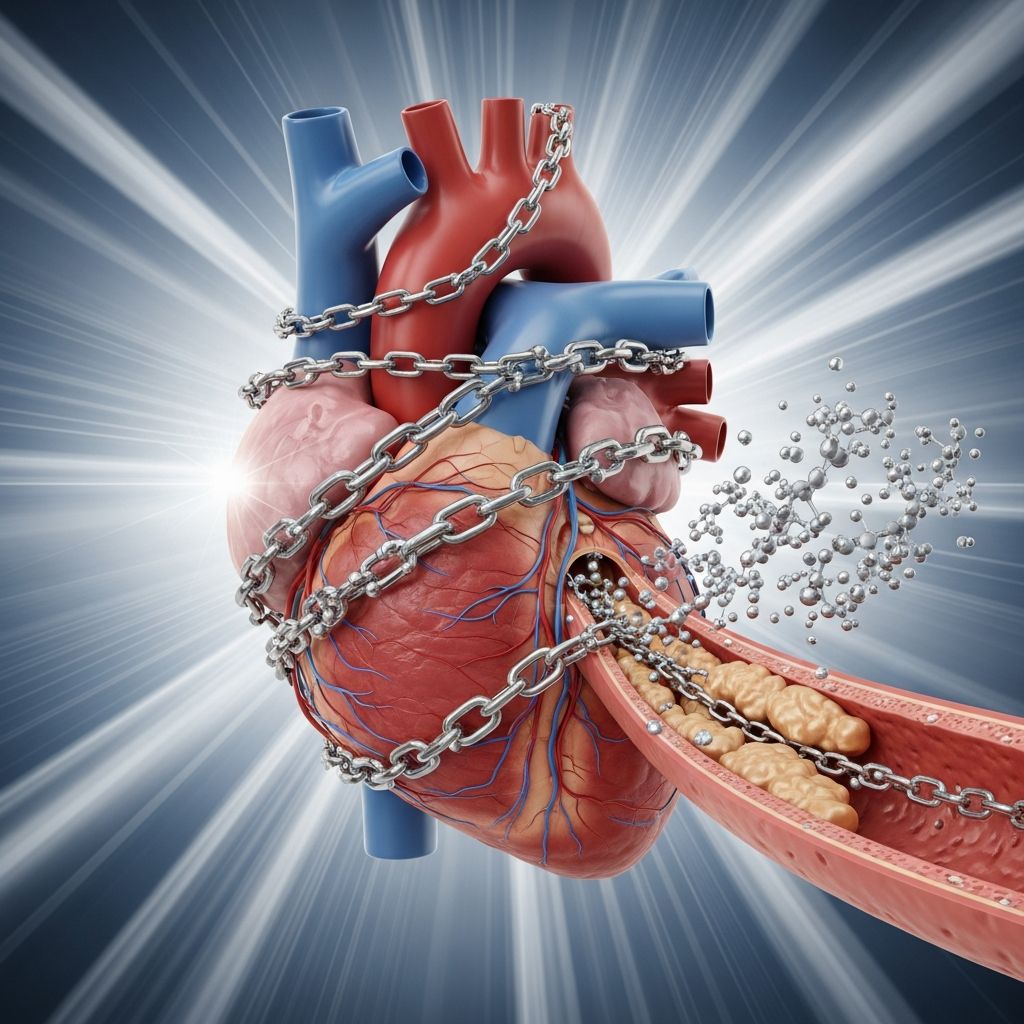
Chelation therapy has emerged as a treatment option that some patients with coronary heart disease pursue alongside conventional therapies such as lifestyle modifications, medications, and surgical procedures. This comprehensive guide explores what research has revealed about chelation therapy, its potential benefits, associated risks, and important considerations for patients and healthcare providers.
Understanding Chelation Therapy
Chelation therapy involves the administration of chelating agents—compounds that bind to heavy metals in the bloodstream and promote their excretion from the body. The most commonly studied chelation agent for coronary heart disease is EDTA (ethylenediaminetetraacetic acid), administered intravenously. Traditional chelation therapy has long been recognized as an effective treatment for heavy metal poisoning, including lead and mercury toxicity. However, its application to coronary heart disease treatment represents a different use case that has generated significant scientific interest and debate.
The rationale behind using chelation therapy for coronary heart disease stems from the theory that heavy metals, particularly lead and cadmium, may contribute to atherosclerotic disease. Proponents suggest that removing these metals from the body could reduce cardiovascular risk. However, this therapeutic approach requires rigorous scientific validation before widespread adoption.
Major NIH-Funded Research Studies
To evaluate the safety and effectiveness of chelation therapy for coronary heart disease, the National Institutes of Health, in collaboration with the National Center for Complementary and Integrative Health (NCCIH) and the National Heart, Lung, and Blood Institute (NHLBI), sponsored two large-scale clinical trials.
Trial to Assess Chelation Therapy (TACT)
The first major study, the Trial to Assess Chelation Therapy (TACT), was completed after approximately 10 years of research and cost approximately $32 million to conduct. This landmark trial enrolled adults who had previously experienced a heart attack and evaluated the effects of a regimen consisting of 40 infusions of disodium EDTA.
Key findings from TACT included:
- Overall, chelation therapy produced a modest reduction in cardiovascular events, with those receiving chelation experiencing an 18 percent reduced risk of subsequent cardiac events.
- Cardiovascular events occurred in 26 percent of the chelation group compared to 30 percent of the placebo group.
- The treatment effect persisted throughout the 5-year follow-up period.
- A total of 55,222 infusions were administered during the study, with 0.6 percent administered at least 30 minutes too rapidly.
Notably, further analysis of TACT results revealed that the beneficial effect was not uniform across all participants. The most significant finding emerged from the subset of participants with diabetes.
Chelation Therapy Benefits in Diabetic Patients
Among participants with diabetes—who comprised approximately one-third of the TACT study population—chelation therapy demonstrated more substantial benefits:
- 41 percent overall reduction in the risk of any cardiovascular event
- 40 percent reduction in the risk of death from heart disease, nonfatal stroke, or nonfatal heart attack
- 52 percent reduction in recurrent heart attacks
- 43 percent reduction in death from any cause over approximately 5 years
These results in the diabetic subgroup were unexpected and substantial enough to warrant a second clinical trial to determine whether they could be replicated in a dedicated study population.
Trial to Assess Chelation Therapy 2 (TACT2)
Given the promising findings in diabetic patients from TACT, researchers conducted a second trial specifically designed to test whether these results could be confirmed. TACT2 focused on patients with diabetes and a history of heart attack—the subgroup that had shown the most benefit in the initial trial.
The outcomes of TACT2 differed markedly from TACT:
- EDTA chelation did not reduce cardiovascular events in this study.
- Cardiovascular events occurred in 35.6 percent of participants receiving EDTA chelation solution compared to 35.7 percent of those receiving placebo.
- Cardiovascular death, myocardial infarction, or stroke events occurred in 18.4 percent of the chelation group versus 19.7 percent in the placebo group—a difference that was not statistically significant.
- Death from any cause occurred in 17.4 percent of the chelation group and 17.6 percent of the placebo group—essentially identical rates.
Importantly, TACT2 did not reproduce the beneficial results observed in the diabetic subgroup of TACT, leading researchers to conclude that the TACT2 results do not support using EDTA chelation to reduce cardiovascular event risk in this patient population.
Heavy Metal Reduction and Cardiovascular Events
One of the critical questions researchers investigated was whether the removal of heavy metals from the body was associated with reduced cardiovascular risk. The chelation trials provided important insights into this relationship.
Metal reduction findings:
- Blood lead levels decreased by 61 percent in participants receiving EDTA chelation but did not decrease significantly in the placebo group.
- Urine cadmium levels increased substantially immediately after each chelation treatment, indicating effective excretion of this metal.
- EDTA therapy was demonstrably effective in chelating and promoting the excretion of both lead and cadmium.
However, despite this significant reduction in blood lead levels, TACT2 failed to demonstrate a corresponding reduction in cardiovascular events. This discordance suggests that simply removing heavy metals from the body may not be sufficient to prevent cardiovascular events in patients with established heart disease, at least not in the dosing and duration studied.
Safety Profile and Potential Side Effects
While chelation therapy has been used for decades in treating heavy metal poisoning, its application to coronary heart disease requires careful monitoring for adverse effects. The major clinical trials identified several safety considerations.
Serious Side Effects
The most important serious side effects associated with chelation therapy include hypocalcemia (abnormally low blood calcium levels) and kidney damage.
Adverse event rates from the clinical trials:
- In TACT, serious adverse events occurred in 11.9 percent of people receiving chelation compared to 14.6 percent of those receiving placebo.
- In TACT2, serious adverse events occurred in 16.8 percent of those receiving chelation and 16.6 percent of those receiving placebo.
Notably, the rates of serious adverse events in both trials were comparable or lower in the chelation groups than in placebo groups, suggesting that the chelation protocol was reasonably well-tolerated at the doses and durations studied.
Specific Adverse Events Observed
Heart failure: Heart failure was reported in 7 percent of chelation patients and 8 percent of placebo patients.
Hypocalcemia: Hypocalcemia prior to an infusion was reported in 6.2 percent of chelation patients compared to 3.5 percent of placebo patients. In one case, hypocalcemia was associated with muscle cramping that led to an emergency department visit.
Infusion administration issues: Of the 55,222 infusions administered throughout TACT, 330 (0.6 percent) were administered at least 30 minutes too rapidly, demonstrating the importance of proper infusion protocols.
Comparison of TACT and TACT2 Results
| Study Parameter | TACT Results | TACT2 Results |
|---|---|---|
| Overall cardiovascular event reduction | 18% reduced risk | No significant difference |
| Diabetic subgroup results | 41% reduced risk overall; 43% mortality reduction | No significant difference; did not replicate TACT findings |
| Blood lead reduction | 61% decrease | 61% decrease |
| Study duration | ~10 years (ongoing treatment and follow-up) | Shorter duration than TACT |
| Cardiovascular events in chelation group | 26% | 35.6% |
| Cardiovascular events in placebo group | 30% | 35.7% |
Clinical Implications and Current Recommendations
The findings from these two major trials have important implications for clinical practice. While TACT produced an overall modest reduction in cardiovascular events and more substantial benefits in the diabetic subgroup, this initial finding was not sufficient, in itself, to support the routine use of chelation as post-heart attack therapy in people with diabetes.
The failure of TACT2 to replicate the TACT findings in the same diabetic population with a history of heart attack has led researchers and healthcare organizations to conclude that additional evidence would be needed before chelation could be recommended as a standard treatment for this indication.
Current evidence does not support chelation therapy as an effective treatment for reducing cardiovascular events in patients with coronary heart disease, including those with diabetes. Patients seeking treatment for coronary heart disease should continue to rely on evidence-based approaches, including medications such as antiplatelet agents, statins, and beta-blockers, as well as lifestyle modifications including diet, exercise, and smoking cessation.
Frequently Asked Questions
Q: What is EDTA chelation therapy?
A: EDTA (ethylenediaminetetraacetic acid) chelation therapy involves intravenous infusions of a chelating agent that binds to heavy metals in the bloodstream and promotes their excretion through urine. While it has been proven effective for treating heavy metal poisoning, its use for coronary heart disease remains experimental and not established as beneficial.
Q: Did the TACT study prove that chelation works for heart disease?
A: TACT showed a modest overall reduction in cardiovascular events (18 percent) and more substantial benefits in the diabetic subgroup (41 percent reduction). However, these results alone were not sufficient to support routine clinical use, which is why a second trial (TACT2) was conducted.
Q: Why did TACT2 have different results than TACT?
A: TACT2 did not replicate the TACT findings and showed no significant difference between chelation and placebo groups in cardiovascular events. The reasons for the discrepancy between the two trials remain unclear, though differences in study design, population characteristics, or other factors may have contributed.
Q: Is chelation therapy safe for coronary heart disease patients?
A: Chelation therapy showed a reasonable safety profile in clinical trials, with serious adverse event rates comparable to placebo. However, the most important serious side effects are hypocalcemia and kidney damage. Any patient considering chelation should discuss potential risks with their healthcare provider.
Q: Does chelation therapy effectively remove heavy metals?
A: Yes, chelation therapy is effective at reducing blood lead levels (by approximately 61 percent) and promoting the excretion of cadmium. However, this metal removal did not translate into reduced cardiovascular events in TACT2, suggesting that metal reduction alone may not provide cardiovascular benefit.
Q: Should people with diabetes and heart disease use chelation therapy?
A: Based on current evidence, particularly the results of TACT2, chelation therapy is not recommended for routine use in people with diabetes and a history of heart attack. Standard medical therapies and lifestyle modifications remain the evidence-based approach to managing coronary heart disease.
Q: How much did the TACT study cost?
A: The TACT study cost approximately $32 million over the course of 10 years to conduct and complete, making it one of the largest NIH-funded investigations into this therapy.
References
- Chelation for Coronary Heart Disease: What You Need To Know — National Center for Complementary and Integrative Health (NCCIH). 2024. https://www.nccih.nih.gov/health/chelation-for-coronary-heart-disease-what-you-need-to-know
- Questions and Answers: The NIH Trials of EDTA Chelation Therapy for Coronary Heart Disease — National Center for Complementary and Integrative Health (NCCIH). 2024. https://www.nccih.nih.gov/health/questions-and-answers-the-nih-trials-of-edta-chelation-therapy-for-coronary-heart-disease
- In a Large Multicenter Trial, Chelation Therapy Did Not Reduce Cardiovascular Disease Events in Patients With Diabetes and a History of Heart Attack — National Center for Complementary and Integrative Health (NCCIH). 2024. https://www.nccih.nih.gov/research/research-results/in-a-large-multicenter-trial-chelation-therapy-did-not-reduce-cardiovascular-disease-events-in-patients-with-diabetes-and-a-history-of-heart-attack
- Chelation therapy for heart disease: Does it work? — Mayo Clinic. 2024. https://www.mayoclinic.org/diseases-conditions/heart-disease/expert-answers/chelation-therapy/faq-20157449
- Trial to Assess Chelation Therapy 2 (TACT2) — ClinicalTrials.gov. National Library of Medicine. 2024. https://www.clinicaltrials.gov/study/NCT02733185
Similar Articles








Read full bio of Sneha Tete